Muscadine Grape Vine Live Plant, 4 Inch Pot, Sweet Grapes, Hardy Climbing Fruit
-50%
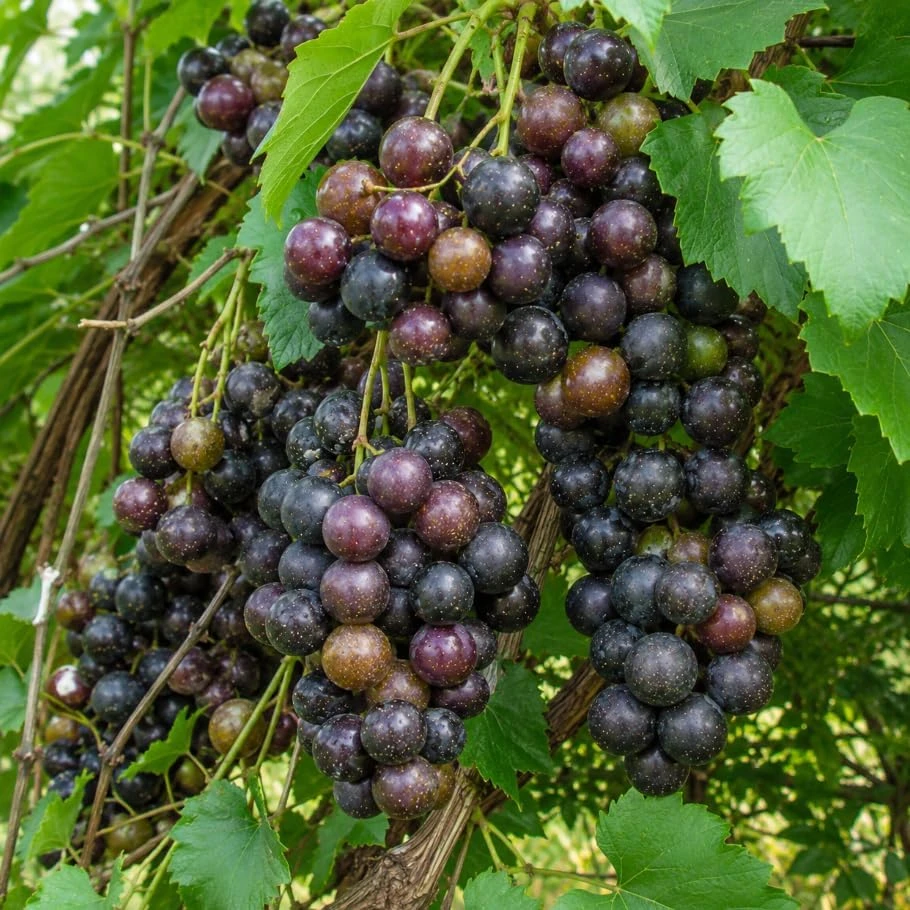
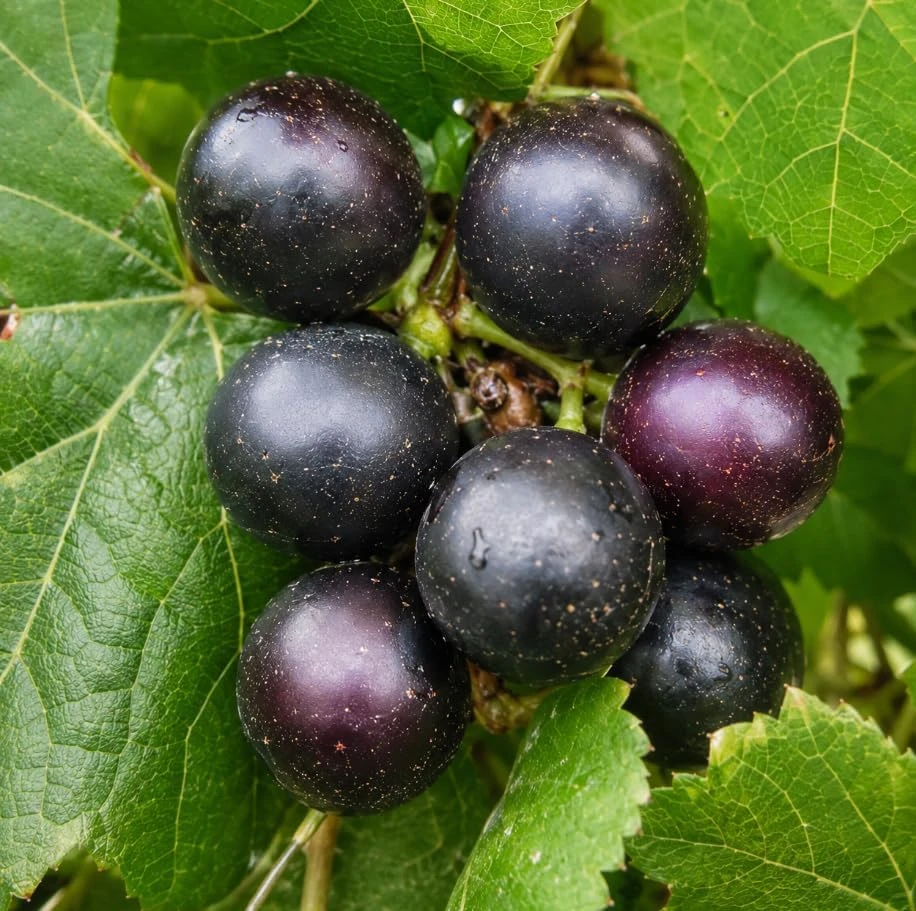
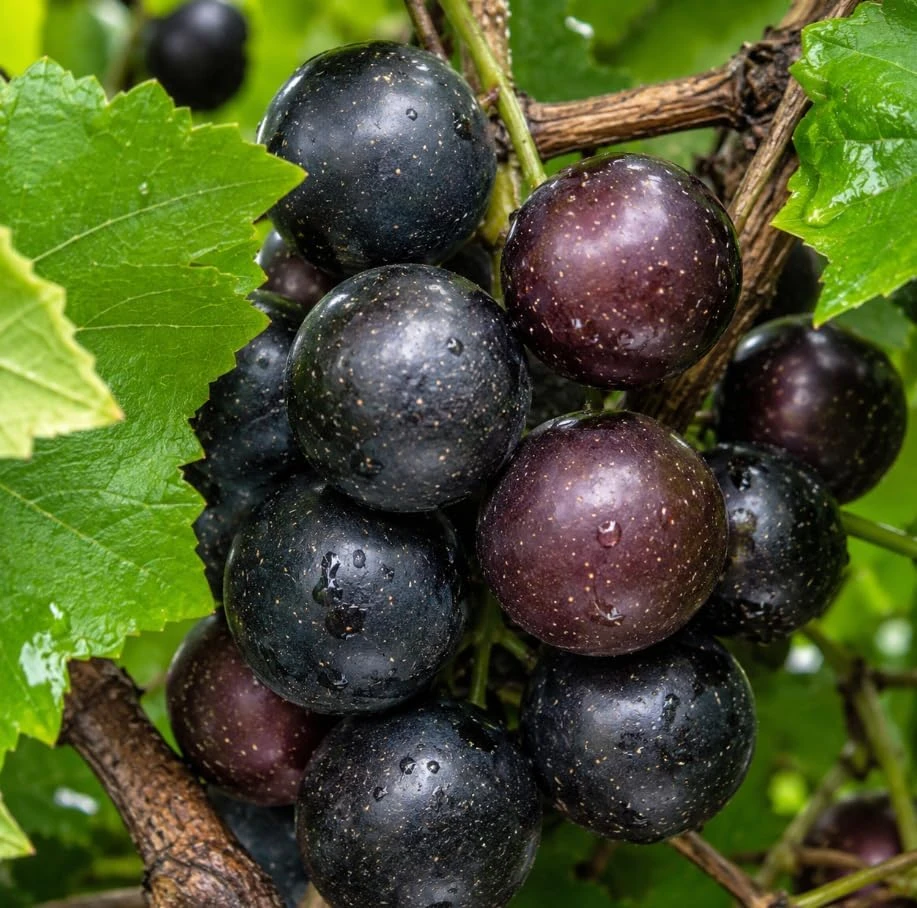
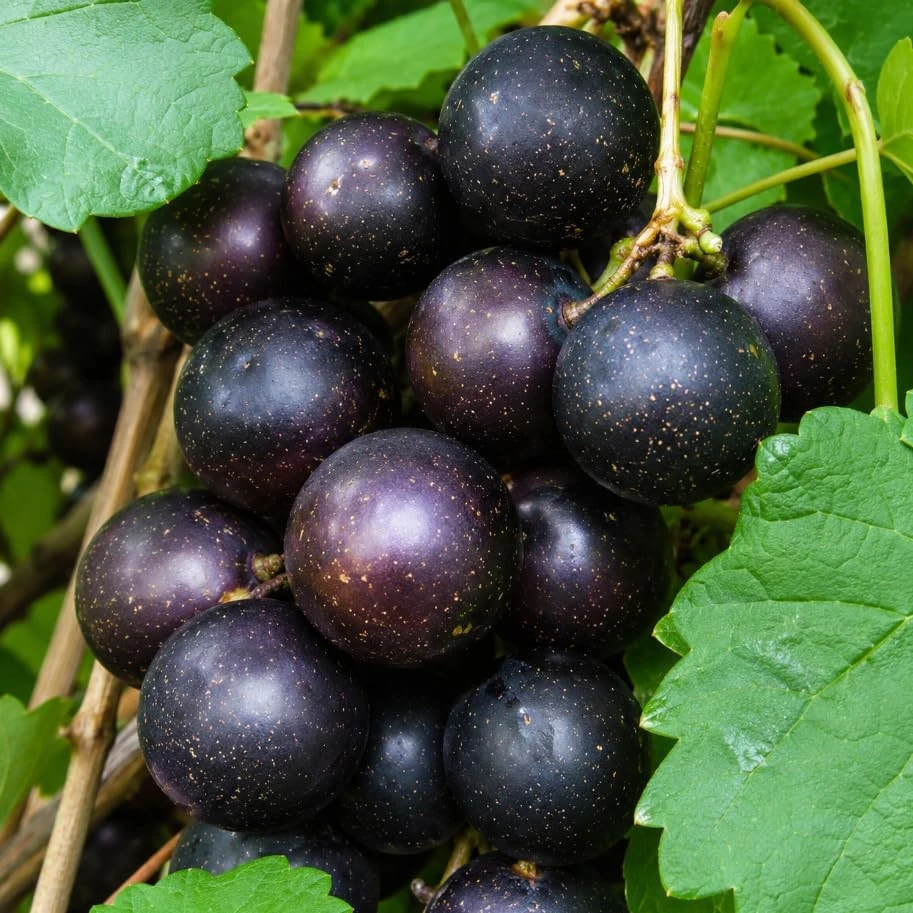
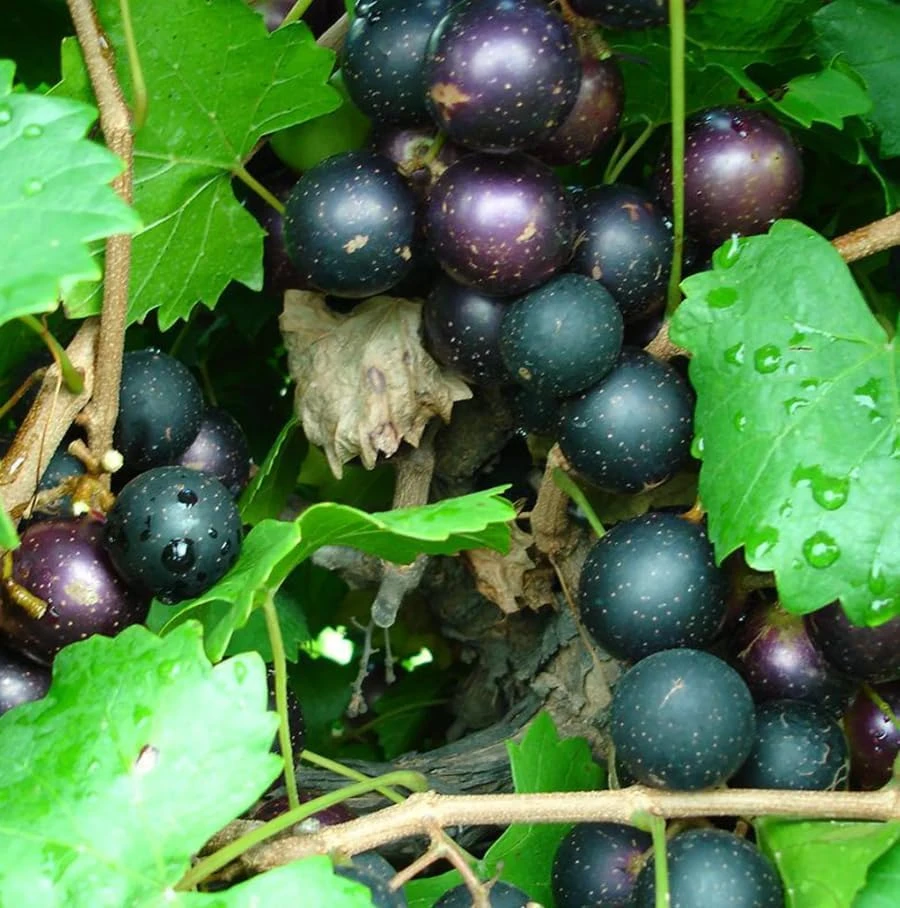
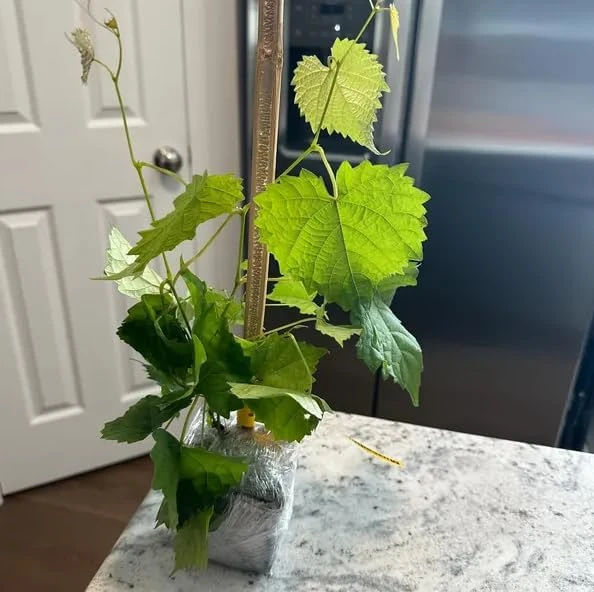
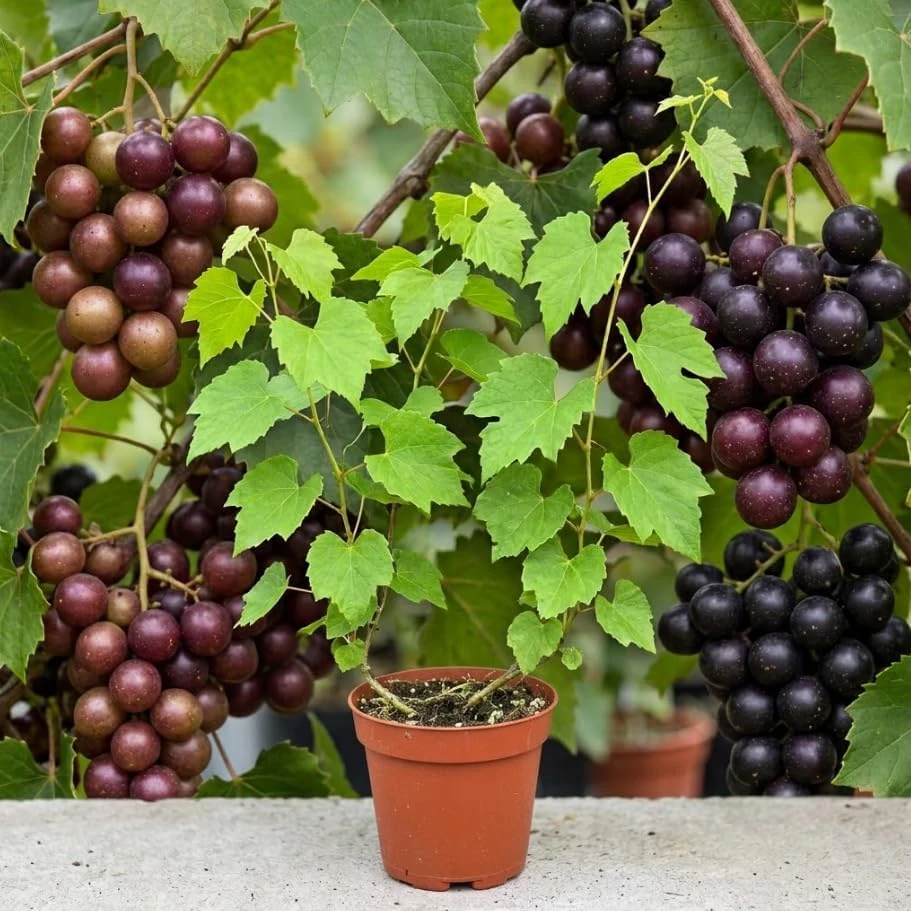
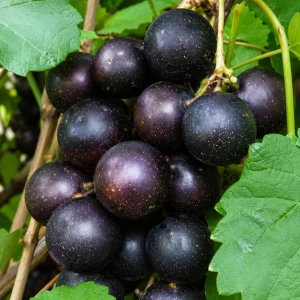
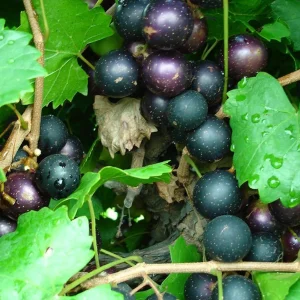
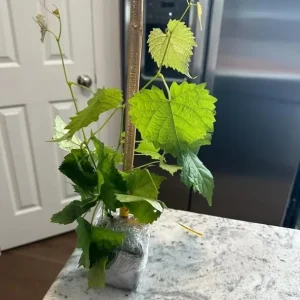
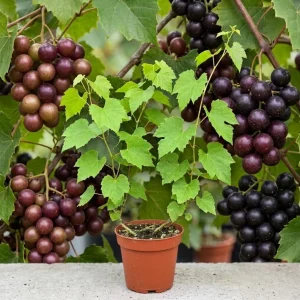
Muscadine Grape Vine Live Plant, 4 Inch Pot, Sweet Grapes, Hardy Climbing Fruit
Cultivate your own delicious fruit with a muscadine grape vine live plant. This vigorous 4-inch potted starter plant is ideal for creating an edible landscape in your backyard or patio. Enjoy the reward of homegrown, sweet muscadine grapes from this resilient climbing vine.
Original price was: $49.98.$24.99Current price is: $24.99.

With our Alive & Thrive Guarantee, we’ve got your back for the first 30 days! If you have any concerns about your plants, just reach out to us. Our team is here to help answer your questions and guide you in selecting the best plants for your garden, climate, and unique preferences. We're excited to help you create the garden of your dreams!
Estimated arrival
Nov 03
Nov 08 - Nov 10
Nov 13 - Nov 17
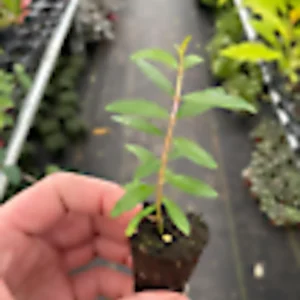
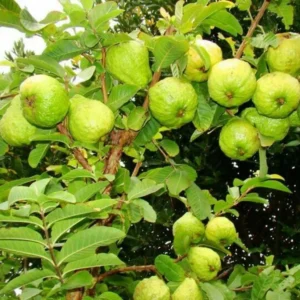
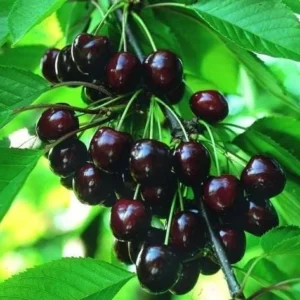
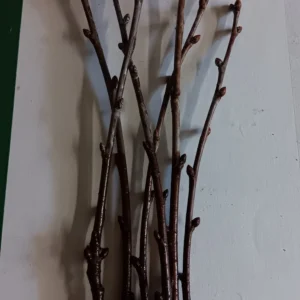
Product Details
-
USDA Hardiness Zone
USDA Zones 7-10 -
Soil type
Well-draining, slightly acidic to neutral soil -
Sunlight Exposure
Full sun -
Expected Planting Period
Spring to early summer
Overview
Bring the joy of homegrown fruit to your garden with this robust muscadine grape vine live plant. Known for their distinct flavor and impressive hardiness, Muscadine grapes are a beloved choice for fruit enthusiasts across the US. This vigorous climbing vine arrives as a healthy starter plant in a 4-inch nursery pot, ready to be transplanted and nurtured in your outdoor space. Perfect for training along trellises, fences, arbors, or other garden supports, it quickly transforms into an attractive and productive addition to your landscape. The Muscadine grape, scientifically known as Vitis rotundifolia, is native to the southeastern United States and is celebrated for its adaptability and resistance to many common grape diseases. Whether you’re an experienced gardener or just starting your edible landscape journey, growing sweet muscadine grapes offers a rewarding experience and a delicious harvest.
Our muscadine grape vine live plant is carefully selected to ensure a strong start for your garden. While it may arrive dormant without leaves during cooler months, this is a natural seasonal occurrence, indicating the plant is conserving energy for vigorous spring growth. With proper care, this hardy fruit vine will establish quickly, providing lush foliage and eventually, bountiful clusters of juicy grapes. Imagine harvesting fresh, ripe Muscadines right from your own backyard – perfect for eating fresh, making jams, jellies, or even homemade wine. This plant is a fantastic investment for anyone looking to enhance their outdoor living space with both beauty and edible produce.
Key Benefits
Adding a muscadine grape vine live plant to your garden offers numerous advantages, combining ornamental appeal with the practical benefit of fresh fruit:
- Produces Delicious Fruit: Enjoy a generous harvest of sweet muscadine grapes directly from your garden. These grapes are known for their unique flavor, thick skin, and high nutritional value, perfect for fresh eating, juices, jellies, and desserts.
- Vigorous Climbing Growth: This vine is a strong climber, ideal for covering arbors, pergolas, fences, and trellises. It creates a beautiful green canopy and adds vertical interest to your landscape, making it a functional and attractive choice.
- Exceptional Hardiness: Muscadine grape vines are incredibly resilient and adaptable, thriving in warm climates and tolerating a range of soil conditions. They are known for their resistance to many pests and diseases, making them a relatively low-maintenance fruit-bearing plant.
- Long-Lived & Productive: Once established, a muscadine grape vine live plant can produce fruit for many years, offering a continuous supply of grapes season after season. This makes it a sustainable and long-term investment for your edible garden.
- Edible Landscape Enhancement: Integrate fruit production seamlessly into your garden design. This climbing grape plant can serve as a living screen, provide shade, or simply add a touch of natural beauty while offering a delicious harvest.
- Supports Local Pollinators: While Muscadines are often self-pollinating or wind-pollinated, their flowers can still attract beneficial insects to your garden, contributing to a healthier ecosystem.
- Easy to Grow for Beginners: Despite producing fruit, Muscadine vines are surprisingly forgiving and relatively easy to care for, even for those new to fruit gardening. With basic care, you can expect a good yield.
Plant Care & Growing Tips
Proper care for your muscadine grape vine live plant ensures a healthy, productive vine. Muscadines are generally robust, but understanding their specific needs will help them flourish. They thrive in warm climates and prefer a long growing season. When planting, choose a location with ample space for the vine to spread and climb.
Sunlight: Muscadine grape vines require full sun exposure to produce the best fruit. This means at least 6-8 hours of direct sunlight per day. A south-facing location is often ideal. Adequate sunlight is crucial for fruit development and ripening. Without enough sun, fruit production may be sparse and quality reduced. Ensure there’s no shading from taller trees or buildings once the vine matures.
Watering: While established Muscadine vines are somewhat drought-tolerant, consistent watering is essential, especially during their first year of growth and during dry spells, particularly when fruits are developing. Water deeply and regularly, allowing the top few inches of soil to dry out slightly between waterings. Avoid overwatering, as this can lead to root rot. Good drainage is key. A drip irrigation system can be very effective for maintaining consistent moisture.
Soil: These plants prefer well-draining, slightly acidic to neutral soil (pH 5.5-6.5). They are adaptable to various soil types, including sandy loams and heavier clays, as long as drainage is adequate. Amend heavy clay soils with organic matter like compost to improve drainage and aeration. For optimal growth, ensure the planting site is not waterlogged. The right soil helps the hardy fruit vine establish a strong root system.
Temperature & Hardiness: Muscadine grapes are well-suited for warm climates, typically thriving in USDA Hardiness Zones 7-10. They require a long, warm growing season for fruit to mature. While they can tolerate some winter chill, prolonged severe freezes can damage dormant canes. In colder parts of their range, providing some winter protection for young plants may be beneficial. The plant will enter a dormant stage in winter, shedding leaves, which is a natural seasonal condition for the muscadine grape vine live plant.
Fertilization: Fertilize your Muscadine vine in early spring before new growth begins. Use a balanced fertilizer or one slightly higher in phosphorus and potassium to encourage fruit production. Avoid excessive nitrogen, which can promote leafy growth at the expense of fruit. A soil test can help determine specific nutrient deficiencies. Follow fertilizer package instructions carefully to avoid over-fertilization.
Pruning & Support: Pruning is vital for fruit production and managing the vine’s vigorous growth. Prune in late winter while the vine is dormant. Establish a strong framework of permanent cordons and prune fruiting spurs back to 2-4 buds. Provide sturdy support such as a trellis, arbor, or strong fence for this climbing grape plant to grow on. Training the vine early will ensure good air circulation and sunlight penetration, which are important for grape development and disease prevention.
Size & Details
This muscadine grape vine live plant is shipped as a healthy starter plant, carefully cultivated in a 4-inch nursery pot. Upon arrival, the plant will be ready for immediate transplanting into your garden or a larger container. The exact size of the foliage may vary seasonally; during winter, it may arrive dormant with little to no visible top growth, which is completely normal and indicates a healthy plant preparing for spring. Once established, Muscadine vines are known for their vigorous growth, quickly developing into a substantial hardy fruit vine. They can grow quite large, reaching lengths of 20-30 feet or more if not pruned, making robust support structures essential.
Expected fruit production typically begins 2-3 years after planting, depending on growing conditions and care. The plant will mature into a productive climbing grape plant, yielding delicious sweet muscadine grapes. This offering is for a single live plant, providing a great foundation for your home vineyard or edible landscape project. The 4-inch pot size is ideal for safe shipping and provides a sturdy root ball, ensuring a smooth transition to its new home.
Frequently Asked Questions
- Q: How big does this plant get? A: A muscadine grape vine live plant is a vigorous climber that can reach lengths of 20-30 feet or more if left unpruned. With proper pruning and support, you can manage its size and shape to fit your garden space.
- Q: What size pot does it come in? A: This muscadine grape vine live plant is shipped in a 4-inch nursery pot, providing a healthy start for your new vine. It will need to be transplanted into a larger pot or directly into the ground upon arrival.
- Q: Is this an indoor or outdoor plant? A: Muscadine grape vines are outdoor plants. They require full sun and are best suited for growing in a garden, backyard, or patio where they can receive ample sunlight and support for their climbing habit.
- Q: How much sunlight does it need? A: This hardy fruit vine needs full sun, meaning at least 6-8 hours of direct sunlight per day, to produce the best yield of sweet muscadine grapes.
- Q: Is this plant easy to care for? A: Yes, Muscadine grape vines are considered relatively easy to care for, especially compared to other grape varieties. They are quite hardy and resistant to many common pests and diseases, making them a good choice for beginners.
- Q: What condition will it arrive in? A: Your muscadine grape vine live plant will arrive as a healthy starter plant in a 4-inch nursery pot. During winter months, it may arrive dormant without leaves, which is normal and indicates a healthy plant preparing for spring growth.
- Q: When is the best time to plant? A: The best time to plant a climbing grape plant like the Muscadine is in spring or early summer after the last frost, allowing it ample time to establish before cooler weather.
- Q: Will it survive winter in my zone? A: Muscadine grape vines are hardy in USDA Zones 7-10. If you are in a colder zone, you may need to provide winter protection, especially for young plants.
- Q: How long until it produces grapes? A: Typically, a muscadine grape vine live plant will begin to produce fruit 2-3 years after planting, depending on growing conditions and care.
- Q: Does it need a pollinator? A: Many Muscadine varieties are self-fertile, meaning a single plant can produce fruit. However, some varieties may benefit from a cross-pollinator to increase yield. Check the specific variety for its pollination requirements.
Related products
-49%
Original price was: $59.38.$29.99Current price is: $29.99.
-10%
Original price was: $65.00.$58.50Current price is: $58.50.
-50%
Original price was: $39.98.$19.99Current price is: $19.99.
-10%
Original price was: $75.00.$67.50Current price is: $67.50.
-20%
Original price was: $60.00.$48.00Current price is: $48.00.
-20%
Original price was: $80.00.$64.00Current price is: $64.00.
-10%
Original price was: $158.00.$142.20Current price is: $142.20.
PLANTING & CARE
Lemon Tree Growing: Choose, Plant, and Harvest
Learn how to choose, plant, feed, and protect a lemon tree so it fits your
23
Sep
Sep
Dwarf Meyer Lemon Tree Australia: Climate Guide
Learn where dwarf Meyer lemon trees grow, how much cold they tolerate, and whether Australia,
Where to Buy a Dwarf Meyer Lemon Tree: Buyer’s Guide
Find the right dwarf Meyer lemon tree online or locally, compare starter sizes and costs,
Dwarf Meyer Lemon Tree for Sale: Buying Guide
Compare Meyer lemon tree sizes, prices, shipping limits, indoor growing and California options before you
Dwarf Meyer Lemon Tree Guide: Size, Care and Fruit
META: Learn how large a dwarf Meyer lemon tree grows, where it thrives, and how
How to Prune a Dwarf Meyer Lemon Tree
Learn when and how to prune a dwarf Meyer lemon tree, including tools, shaping cuts,
Can You Grow a Dwarf Meyer Lemon Tree in a Pot?
META: Learn how to grow a dwarf Meyer lemon tree in a pot, including container
When Do Dwarf Meyer Lemon Trees Bloom and Fruit?
META: Dwarf Meyer lemon trees usually bloom from winter through spring and may flower again