Top Hat Blueberry Bush Live Plant, 5-10 Inches Tall, 4 Inch Pot, Outdoor Fruit Plant
-50%
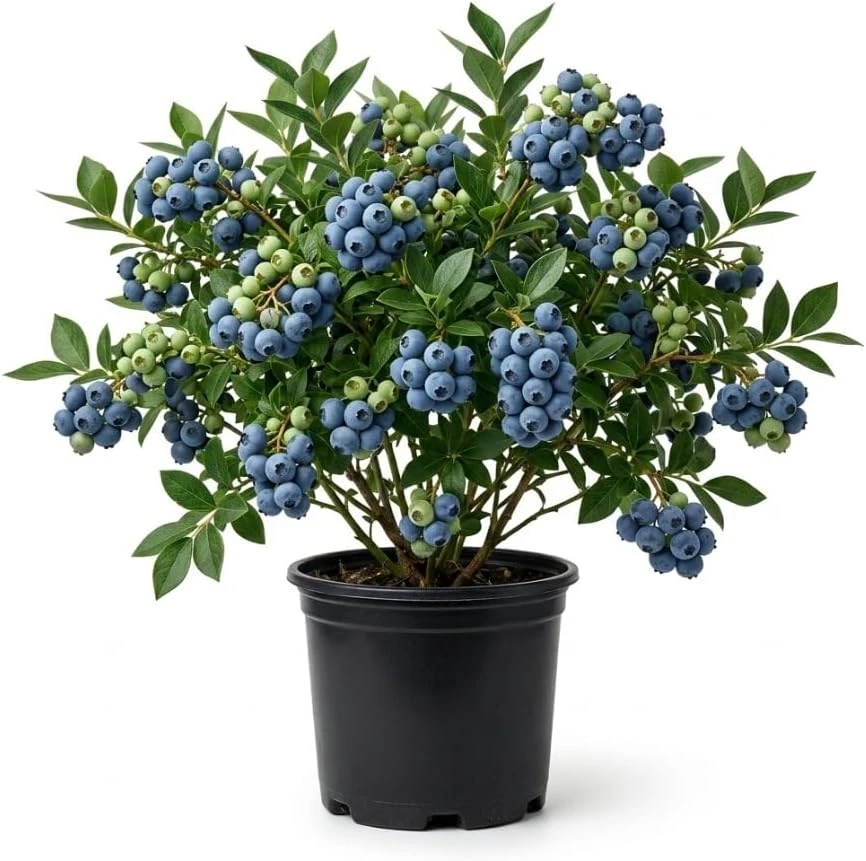


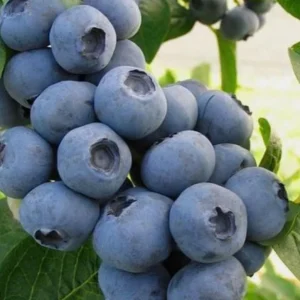

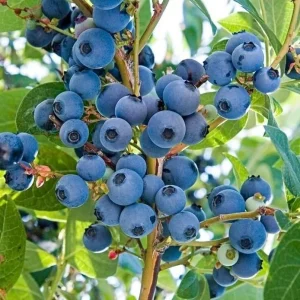
Top Hat Blueberry Bush Live Plant, 5-10 Inches Tall, 4 Inch Pot, Outdoor Fruit Plant
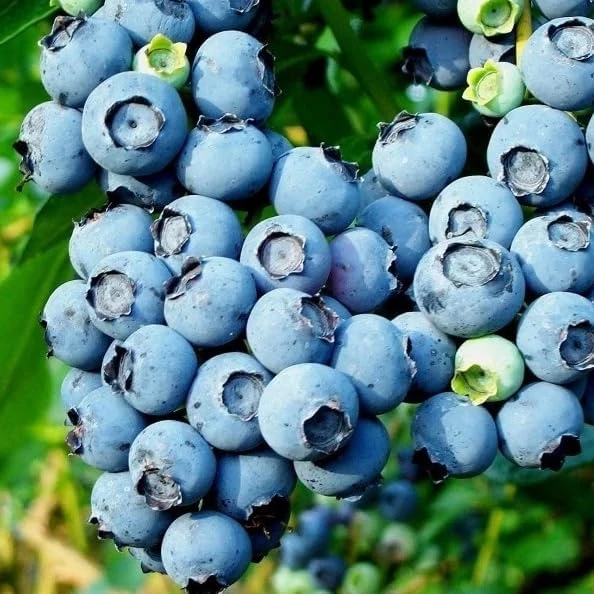
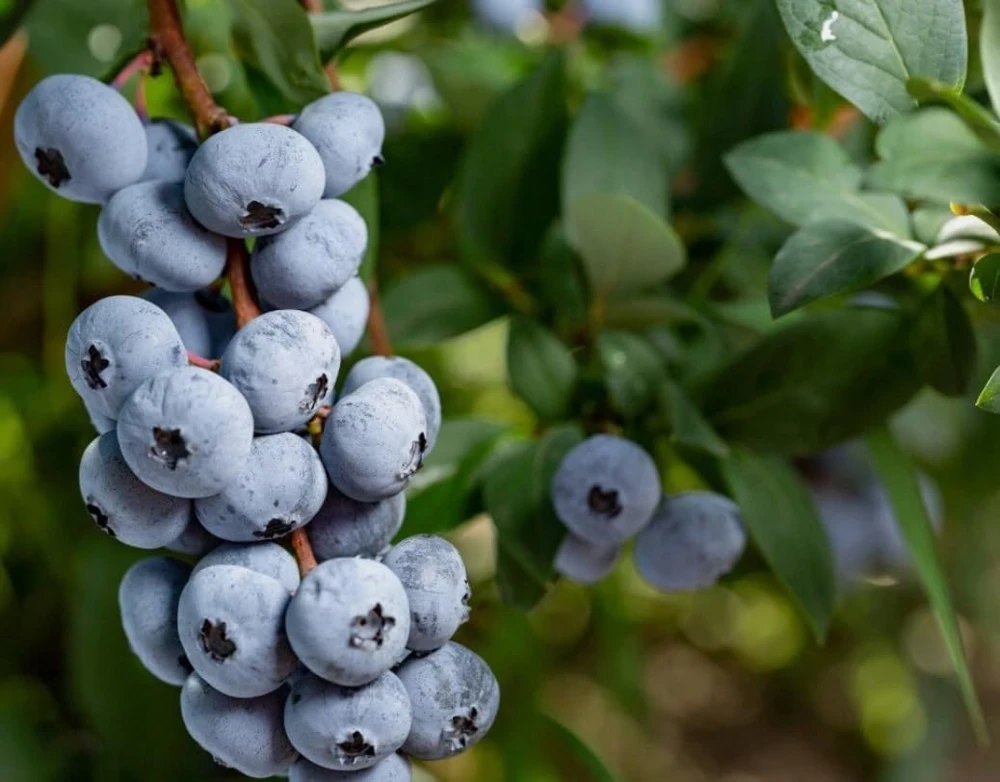
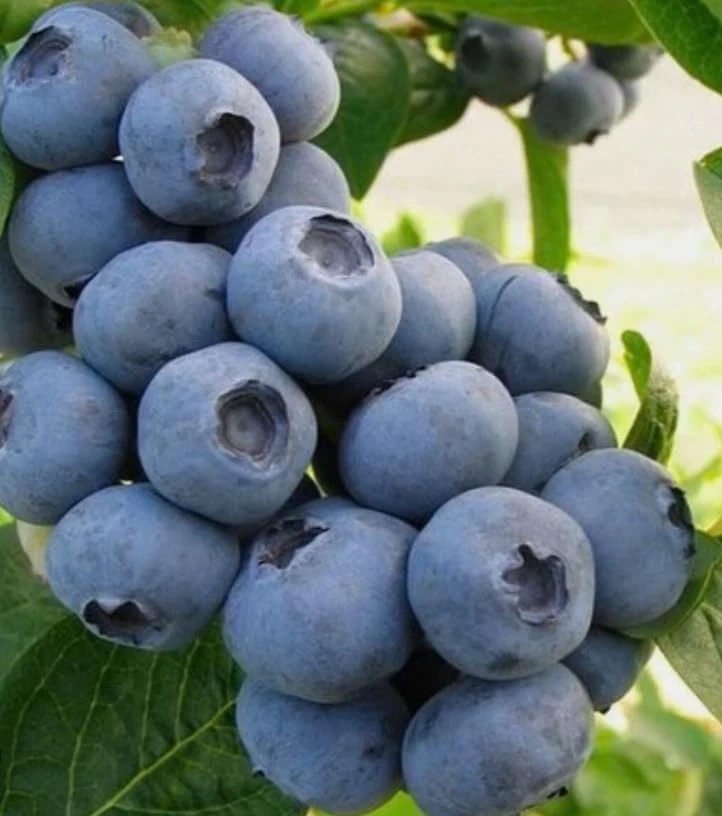
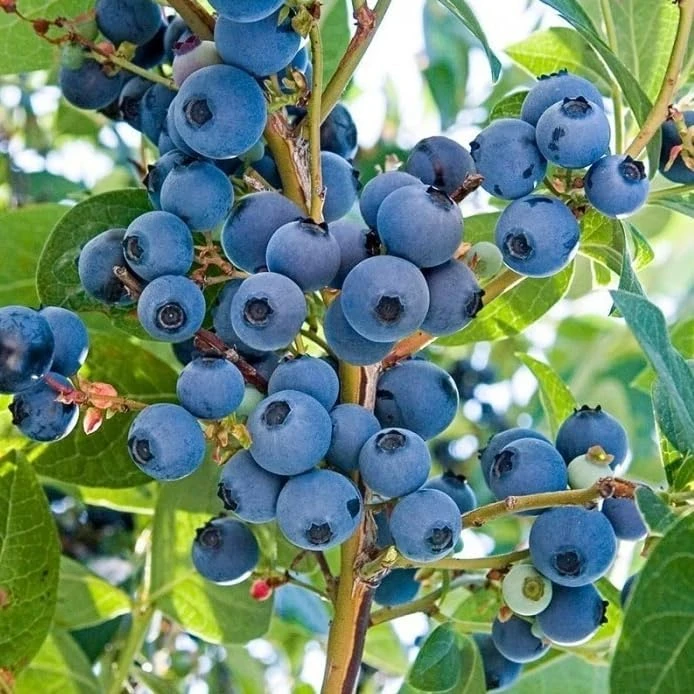
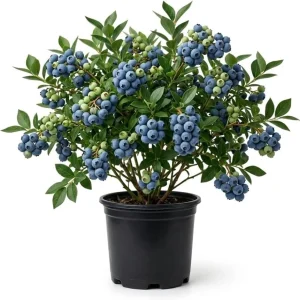
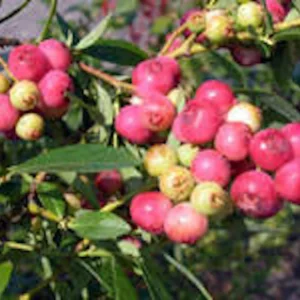
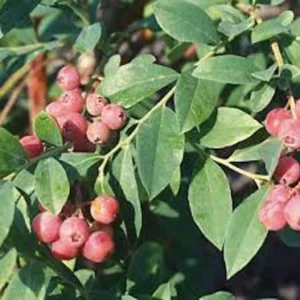
Bring home a vibrant Top Hat Blueberry Bush, a compact live blueberry plant perfect for patios or garden beds. This dwarf variety produces abundant, delicious blue berries and thrives in full sun, making it an ideal choice for fresh fruit at home.
Original price was: $39.98.$19.99Current price is: $19.99.

With our Alive & Thrive Guarantee, we’ve got your back for the first 30 days! If you have any concerns about your plants, just reach out to us. Our team is here to help answer your questions and guide you in selecting the best plants for your garden, climate, and unique preferences. We're excited to help you create the garden of your dreams!
Estimated arrival
Nov 03
Nov 08 - Nov 10
Nov 13 - Nov 17
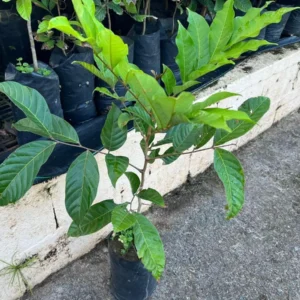
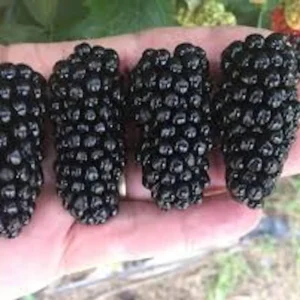
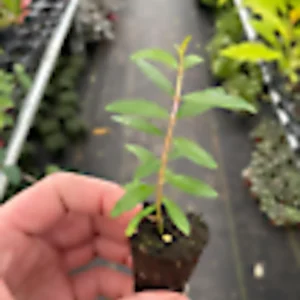
Product Details
-
USDA Hardiness Zone
USDA Zones 4-8 -
Soil type
Acidic, well-draining soil (pH 4.5-5.5) -
Sunlight Exposure
Full sun (6-8+ hours daily) -
Expected Planting Period
Spring to early summer or fall
Overview
Cultivate your own delicious fruit with the remarkable Top Hat Blueberry Bush, a compact and prolific live blueberry plant known for its abundant harvest of sweet, vibrant blue berries. This unique dwarf variety (Vaccinium corymbosum ‘Top Hat’) is an excellent choice for gardeners looking to grow blueberries in smaller spaces, including containers, raised beds, or even as an attractive edible landscape plant. Its striking appearance, with delicate white flowers in spring followed by a generous yield of fruit, makes it a delightful addition to any outdoor setting. Whether you are an experienced gardener or just starting, this robust Top Hat Blueberry Bush offers a rewarding growing experience and fresh, homegrown blueberries.
Originating from careful cultivation, the ‘Top Hat’ variety is specifically bred for its smaller stature and high yield, making it a popular blueberry plant for sale. It’s a self-pollinating bush, meaning you can get fruit with just one plant, though planting multiple blueberry bushes can often lead to a more bountiful harvest. This hardy plant is shipped as a well-rooted specimen, ready for transplanting and eager to begin producing its delicious fruit in your garden or patio. Enjoy the simplicity and satisfaction of growing your own berries with this outstanding cultivar.
Key Benefits
The Top Hat Blueberry Bush offers a multitude of benefits, combining ornamental appeal with bountiful fruit production. It’s an exceptional choice for anyone looking to add fresh, healthy food to their diet directly from their garden.
- Compact Growth Habit: As a dwarf blueberry bush, ‘Top Hat’ is perfectly suited for small gardens, patios, and container planting. Its mature size allows it to fit comfortably in various settings without taking up excessive space, making fresh blueberries accessible even in urban environments.
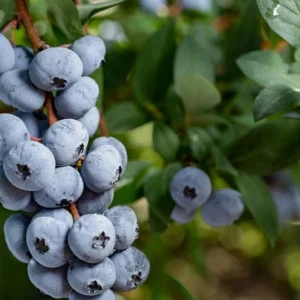
- Abundant Berry Production: Despite its small size, this bush is a prolific producer of delicious, sweet, vibrant blue berries. You’ll enjoy a generous harvest of fresh fruit, perfect for snacking, baking, or making preserves.
- Self-Pollinating Variety: While many blueberry varieties require a companion plant for cross-pollination, the ‘Top Hat’ is self-fertile, meaning a single bush can produce fruit. This simplifies the growing process and makes it an excellent choice for individual gardeners.
- Ornamental Appeal: Beyond its fruit, the Top Hat Blueberry Bush is an attractive plant, featuring delicate white bell-shaped flowers in spring and often showcasing attractive fall foliage, adding visual interest to your garden throughout the seasons.
- Easy to Grow: This hardy variety is relatively low-maintenance once established, requiring consistent watering and proper soil conditions. It’s a great option for both beginner and experienced gardeners looking to grow their own fruit.
- Health Benefits: Blueberries are renowned for their high antioxidant content and numerous health benefits, including supporting heart health and cognitive function. Growing your own ensures a fresh, organic supply.
- Versatile Planting: Ideal as a container blueberry plant, it also thrives when planted directly in garden beds, allowing flexibility in your landscape design.
Plant Care & Growing Tips
Caring for your Top Hat Blueberry Bush is straightforward, ensuring a healthy plant and a plentiful harvest. Success hinges on providing the right conditions, particularly regarding sunlight, soil, and watering. This live blueberry plant thrives in environments that mimic its natural woodland habitat.
Sunlight Requirements: Blueberries are sun-lovers! Your ‘Top Hat’ bush requires at least 6-8 hours of direct sunlight per day to produce the best fruit. Choose a location in your garden or patio that receives full sun exposure throughout the growing season. While it can tolerate partial shade, fruit production will be significantly reduced. For indoor growing (if attempting in a sunroom), ensure maximum light or supplement with grow lights.
Watering Schedule and Soil Moisture: Consistent moisture is crucial for blueberries. The soil should be kept consistently moist but never waterlogged. Water deeply 2-3 times a week, especially during dry spells and when the plant is fruiting. Reduce watering slightly in cooler, dormant months. Use a moisture meter to ensure the top inch of soil doesn’t dry out completely. Overhead watering can be done, but drip irrigation or soaker hoses are often preferred to deliver water directly to the roots and minimize leaf wetness.
Soil Type and Drainage Requirements: Blueberries demand highly acidic soil with a pH between 4.5 and 5.5. They also need well-draining soil rich in organic matter. If your native soil is not acidic, amend it heavily with peat moss, pine bark, or compost, or consider growing your container blueberry plant in a pot with a specialized acidic potting mix. Good drainage is paramount to prevent root rot. Ensure containers have adequate drainage holes.
Temperature Range and USDA Hardiness Zone: The Top Hat Blueberry Bush is generally hardy in USDA Zones 4-8. It requires a certain number of chill hours (periods of cold temperatures below 45°F/7°C) to set fruit. In warmer climates (Zone 9 and above), it might struggle to produce if chill hours are insufficient. Protect container plants from extreme winter cold by moving them to a sheltered location or insulating the pot. In hot summer regions, some afternoon shade can prevent stress.
Fertilization Schedule and Type: Fertilize your blueberry bush in early spring as new growth begins, and again in late spring after flowering. Use an acid-loving fertilizer specifically formulated for blueberries, azaleas, or rhododendrons. Avoid fertilizers high in nitrates, which can harm blueberries. Organic options like blood meal or cottonseed meal can also be used. Follow package instructions for application rates. Do not over-fertilize.
Common Problems and Solutions: Yellowing leaves often indicate a pH imbalance (soil not acidic enough) or nutrient deficiency. Test your soil pH and amend as needed. Pests like birds are fond of blueberries; netting can protect your crop. Fungal diseases are rare with good air circulation and proper watering. Ensure good drainage to prevent root issues. Keeping your live blueberry plant healthy with proper care is the best defense against problems.
Size & Details
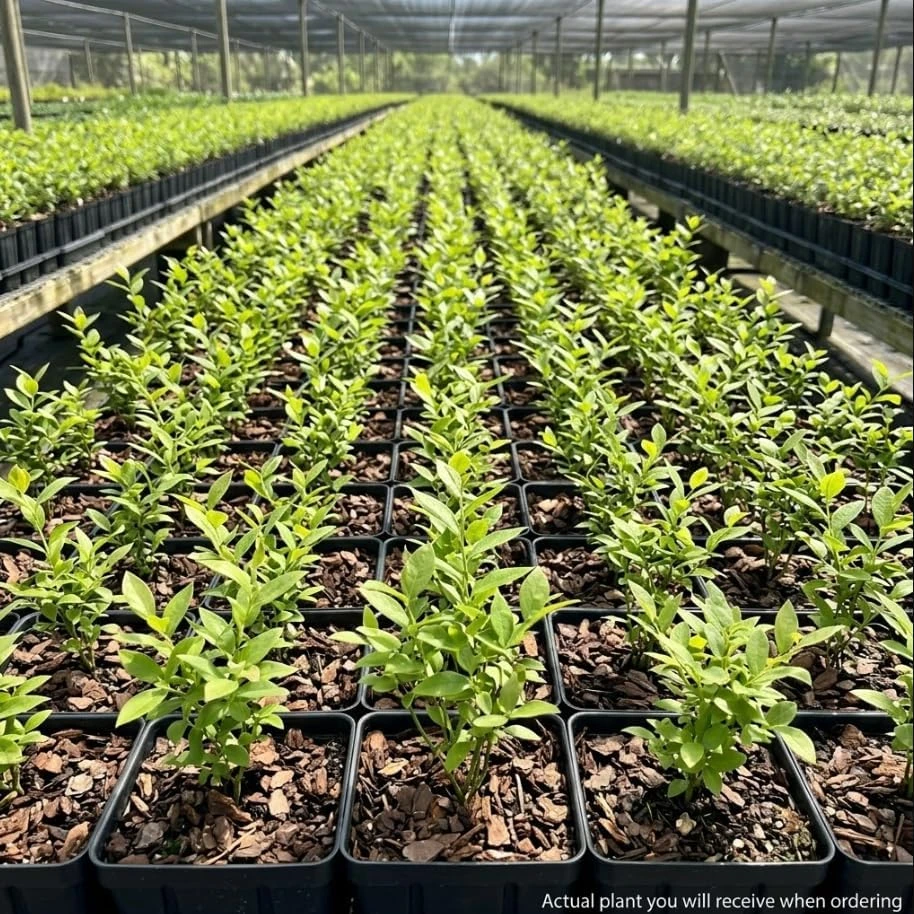
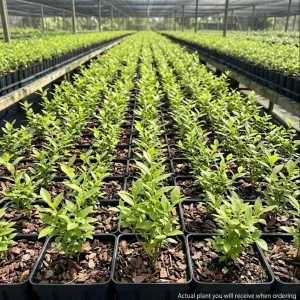
This Top Hat Blueberry Bush is typically shipped as a young, well-rooted live plant, approximately 5-10 inches tall from the base of the pot to the top of the foliage, and comes in a 4-inch nursery pot. This size makes it ideal for immediate transplanting into a larger container or directly into your garden. At maturity, this dwarf blueberry bush reaches a compact size of about 1-2 feet tall and wide, making it perfect for small spaces, patios, or as an attractive low hedge.
Expected growth rate is moderate, with fruit production often starting in the second year after planting, though some berries may appear in the first year under optimal conditions. The berries typically ripen in mid-summer, providing a delightful harvest. This variety is known for its robust root system, ensuring a strong start for your garden. When you receive your blueberry plant for sale, it will be carefully packaged to ensure its health and vitality during transit, ready for its new home.
Frequently Asked Questions
- Q: How big does this Top Hat Blueberry Bush get? A: The Top Hat Blueberry Bush is a dwarf variety, typically growing to a compact size of 1-2 feet tall and wide at maturity. This makes it an excellent container blueberry plant and suitable for small gardens.
- Q: What size pot does the live blueberry plant come in? A: This live blueberry plant is typically shipped in a 4-inch nursery pot, with the plant itself measuring approximately 5-10 inches tall. It will need to be transplanted into a larger container or the ground upon arrival.
- Q: Is this an indoor or outdoor blueberry plant? A: The Top Hat Blueberry Bush is primarily an outdoor plant. It requires full sun and a period of cold dormancy (chill hours) to produce fruit. While it can be temporarily brought indoors during extreme cold, it thrives best outdoors.
- Q: How much sunlight does it need? A: This blueberry plant for sale requires at least 6-8 hours of direct sunlight per day to produce a good harvest. Choose a sunny spot in your garden or patio.
- Q: Is this plant easy to care for? A: Yes, the Top Hat Blueberry Bush is considered relatively easy to care for, especially if its specific needs for acidic soil and consistent moisture are met. It’s a great choice for gardeners of all experience levels.
- Q: What condition will it arrive in? A: Your live blueberry plant will arrive as a well-rooted, healthy specimen, carefully packaged to minimize stress during shipping. It will be ready for immediate planting.
- Q: When is the best time to plant a dwarf blueberry bush? A: The best time to plant a dwarf blueberry bush is in early spring or fall, allowing it to establish its root system before extreme summer heat or winter cold.
- Q: How long until it blooms and produces fruit? A: The Top Hat Blueberry Bush typically blooms in spring, and berries ripen in mid-summer. You may get some fruit in the first year, but a more substantial harvest usually begins in the second year after planting.
- Q: Will this blueberry plant survive winter in my zone? A: This variety is hardy in USDA Zones 4-8. If you are outside this range, or in the colder end, container plants may need winter protection, such as moving them to a sheltered location.
- Q: What type of soil does a Top Hat Blueberry Bush need? A: The Top Hat Blueberry Bush requires highly acidic, well-draining soil with a pH between 4.5 and 5.5. Amend your soil with peat moss or use an acidic potting mix for best results.
Related products
-20%
Original price was: $31.98.$25.58Current price is: $25.58.
-20%
Original price was: $80.00.$64.00Current price is: $64.00.
-20%
Original price was: $34.00.$27.20Current price is: $27.20.
-51%
Original price was: $43.99.$21.59Current price is: $21.59.
-20%
Original price was: $56.00.$44.80Current price is: $44.80.
-20%
Original price was: $32.00.$25.60Current price is: $25.60.
-7%
Original price was: $105.99.$98.99Current price is: $98.99.
PLANTING & CARE
Lemon Tree Growing: Choose, Plant, and Harvest
Learn how to choose, plant, feed, and protect a lemon tree so it fits your
23
Sep
Sep
Dwarf Meyer Lemon Tree Australia: Climate Guide
Learn where dwarf Meyer lemon trees grow, how much cold they tolerate, and whether Australia,
Where to Buy a Dwarf Meyer Lemon Tree: Buyer’s Guide
Find the right dwarf Meyer lemon tree online or locally, compare starter sizes and costs,
Dwarf Meyer Lemon Tree for Sale: Buying Guide
Compare Meyer lemon tree sizes, prices, shipping limits, indoor growing and California options before you
Dwarf Meyer Lemon Tree Guide: Size, Care and Fruit
META: Learn how large a dwarf Meyer lemon tree grows, where it thrives, and how
How to Prune a Dwarf Meyer Lemon Tree
Learn when and how to prune a dwarf Meyer lemon tree, including tools, shaping cuts,
Can You Grow a Dwarf Meyer Lemon Tree in a Pot?
META: Learn how to grow a dwarf Meyer lemon tree in a pot, including container
When Do Dwarf Meyer Lemon Trees Bloom and Fruit?
META: Dwarf Meyer lemon trees usually bloom from winter through spring and may flower again