Nectarine Small Tree Live Plant – Prunus ‘Nectaplum’ Fruit Tree Edible
-50%
Nectarine Small Tree Live Plant – Prunus ‘Nectaplum’ Fruit Tree Edible
Cultivate your own fresh, sweet nectarines with this beautiful nectarine small tree. Ideal for home gardens and suitable for various climates. Enjoy homegrown, edible fruit with ease.
Original price was: $140.00.$70.00Current price is: $70.00.

With our Alive & Thrive Guarantee, we’ve got your back for the first 30 days! If you have any concerns about your plants, just reach out to us. Our team is here to help answer your questions and guide you in selecting the best plants for your garden, climate, and unique preferences. We're excited to help you create the garden of your dreams!
Estimated arrival
Oct 14
Oct 19 - Oct 21
Oct 24 - Oct 28
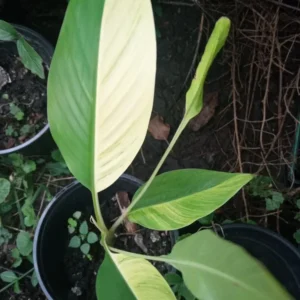
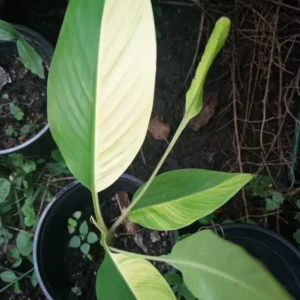
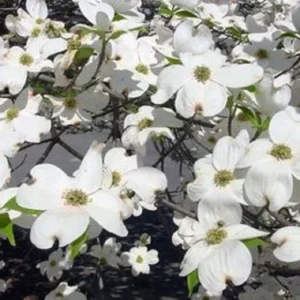
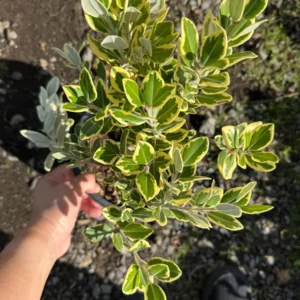
Product Details
-
USDA Hardiness Zone
USDA zones 5-9 -
Soil type
Well-draining loamy soil -
Sunlight Exposure
Full sun (6-8+ hours daily) -
Expected Planting Period
Spring to early summer
Overview
Bring the joy of fresh, homegrown fruit to your garden with a nectarine small tree. This compact fruit tree is perfect for gardeners looking to cultivate their own delicious nectarines, even in smaller spaces. Known for its smooth-skinned, juicy fruit, the nectarine is a popular choice for snacking, baking, and preserves. Our nectarine small tree selection offers a robust and healthy specimen, ready to establish itself in your landscape. This particular variety, often a Prunus ‘Nectaplum’ or a similar hybrid, combines the best qualities of a nectarine with a manageable size, making it an excellent addition to any home orchard or patio container garden. Experience the satisfaction of harvesting your own sweet fruit directly from your backyard.
These live fruit trees are carefully cultivated to ensure strong root systems and healthy growth upon arrival. Whether you’re a seasoned gardener or just starting your fruit-growing journey, a nectarine small tree provides a rewarding experience with minimal effort. Its adaptability and delicious yield make it a highly desirable plant for anyone seeking fresh, organic produce right at their fingertips. Enjoy the beauty of its blossoms in spring and the abundance of its fruit in summer.
Key Benefits
Adding a nectarine small tree to your garden offers numerous advantages beyond just delicious fruit. These trees contribute to the aesthetic appeal of your outdoor space while providing a sustainable source of healthy produce. Discover the many benefits this delightful fruit tree brings:
- Fresh, Edible Fruit: Enjoy the unparalleled taste of freshly picked nectarines, rich in vitamins and antioxidants, directly from your own garden. This tree is specifically chosen to produce high-quality, delicious fruit.
- Compact Size: Perfect for smaller gardens, patios, or even large containers, this nectarine small tree allows fruit cultivation where space is limited. Its manageable size makes it easy to care for and harvest.
- Beautiful Blooms: In spring, the tree adorns itself with delicate, often pink or white blossoms, adding ornamental value to your landscape before the fruit even begins to form. These flowers are also attractive to pollinators.
- Sustainable Gardening: Growing your own fruit reduces reliance on store-bought produce, promoting a more eco-friendly and self-sufficient lifestyle. You control the growing conditions, ensuring organic practices if desired.
- Educational Experience: A wonderful way to teach children about where their food comes from and the cycles of nature, fostering an appreciation for gardening and fresh produce. Learning how to grow nectarine tree is a fun family activity.
- Versatile Use: Nectarines are incredibly versatile for culinary uses, from eating fresh to making jams, pies, salads, and more. Having a supply of homegrown nectarines opens up many delicious possibilities.
- Enhanced Biodiversity: Fruit trees attract beneficial insects and birds, contributing to a healthier and more vibrant garden ecosystem. This helps in natural pest control and pollination.
Plant Care & Growing Tips
Caring for your nectarine small tree is a rewarding experience that ensures a bountiful harvest. These trees thrive with proper attention to their specific needs. Understanding how to grow nectarine tree successfully involves providing the right environment and consistent care. For optimal fruit production, choose a location that receives ample sunlight. Nectarine trees require at least 6-8 hours of direct sunlight per day. Good air circulation is also crucial to prevent fungal diseases. When planting, ensure the soil is well-draining; heavy clay soils should be amended with organic matter to improve drainage. A slightly acidic to neutral pH (6.0-7.0) is ideal for nectarines.
Watering is critical, especially during dry spells and when the fruit is developing. Deep watering once or twice a week is generally better than frequent shallow watering, as it encourages deeper root growth. Check the soil moisture regularly by feeling a few inches down; if it’s dry, it’s time to water. Fertilize your nectarine small tree in early spring with a balanced fruit tree fertilizer, following the product’s instructions. Pruning is essential for fruit trees; prune in late winter or early spring to shape the tree, remove dead or diseased branches, and encourage better fruit production. Thinning the fruit in late spring can also lead to larger, healthier nectarines. Protect young trees from pests and diseases with appropriate organic or conventional treatments as needed. Learning to care for a nectarine small tree is straightforward with these guidelines.
Nectarines are generally hardy in USDA zones 5-9, though specific varieties may vary. If you are in a colder zone, consider container growing and bringing the tree indoors during winter. Proper winter protection, such as mulching around the base and wrapping the trunk, can also help in marginal climates. Monitor your tree for common issues like peach leaf curl or brown rot and address them promptly. Regular inspection will help you enjoy the benefits of this edible fruit tree for many years to come.
Size & Details
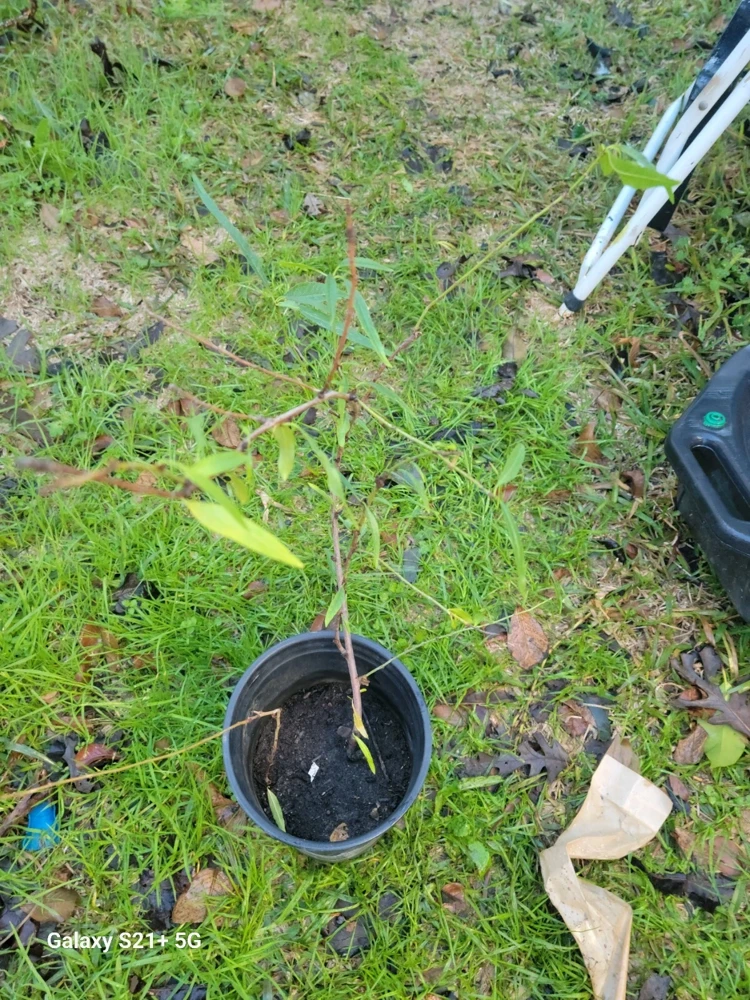
Our nectarine small tree typically arrives as a young, healthy live plant, ready for transplanting into your garden or a larger container. The exact size will vary depending on the growing season and specific stock, but they are generally well-rooted and established. When mature, these compact trees usually reach a height of 8-12 feet and a spread of 6-10 feet, making them ideal for urban gardens or smaller backyards. The fruit typically matures in mid to late summer, offering a delightful harvest season. This prunus nectaplum or similar variety is selected for its vigorous growth and consistent fruit production.
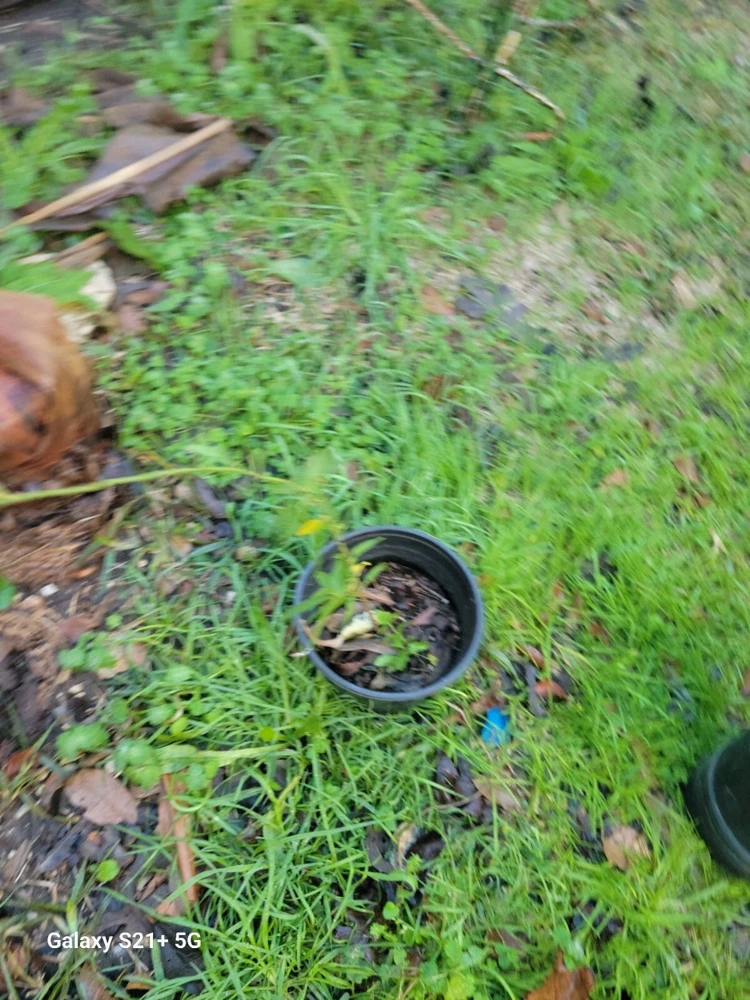
The tree will ship in a nursery pot, ensuring its roots are protected during transit. Upon arrival, it’s recommended to plant it as soon as possible. With proper care, you can expect your tree to begin producing fruit within 2-3 years after planting. The growth rate is moderate, allowing for easy management and shaping. This makes it an excellent choice if you want to grow nectarine tree without waiting too long for a harvest.
Frequently Asked Questions
- Q: How big does this nectarine small tree get? A: This variety typically grows to a mature height of 8-12 feet and a spread of 6-10 feet, making it a manageable size for most home gardens. Its compact nature allows it to fit well in various landscapes.
- Q: Is this an indoor or outdoor plant? A: The nectarine small tree is primarily an outdoor plant. However, it can be grown in large containers and potentially overwintered indoors in colder climates (USDA Zone 4 or below) with sufficient light and care.
- Q: How much sunlight does a nectarine small tree need? A: A nectarine tree requires at least 6-8 hours of direct sunlight per day to produce a good crop of fruit. Full sun exposure is essential for healthy growth and fruit development.
- Q: Is this plant easy to care for? A: Nectarine trees require moderate care, including regular watering, annual fertilization, and proper pruning. With consistent attention, they are relatively straightforward to maintain and reward you with delicious fruit.
- Q: What condition will it arrive in? A: Your nectarine small tree will arrive as a healthy, live plant in a nursery pot, with its roots protected. We take great care in packaging to ensure it reaches you in the best possible condition.
- Q: How long until it produces fruit? A: With proper care, you can typically expect your nectarine small tree to begin producing fruit within 2-3 years after planting. Fruit production will increase as the tree matures.
- Q: What kind of soil is best for growing a nectarine small tree? A: Nectarine trees prefer well-draining soil with a slightly acidic to neutral pH (6.0-7.0). Amending heavy clay soils with organic matter will improve drainage and aeration.
- Q: Can I grow a nectarine small tree in a container? A: Yes, this compact variety is suitable for container growing. Choose a large pot (at least 15-20 gallons) with good drainage and use a high-quality potting mix. Container-grown trees may require more frequent watering and feeding.
- Q: What are the USDA hardiness zones for this edible fruit tree? A: Most nectarine varieties thrive in USDA Hardiness Zones 5-9. It’s important to know your specific zone to ensure the tree will flourish in your climate.
- Q: Is this a nectaplum tree for sale? A: While the common name ‘Nectaplum’ is sometimes used, our offering is a nectarine small tree, which may be a pure nectarine variety or a hybrid like a Nectaplum, known for its small size and delicious fruit.
Related products
-20%
Original price was: $90.00.$72.00Current price is: $72.00.
-50%
Original price was: $180.99.$89.89Current price is: $89.89.
-36%
Original price was: $279.98.$179.98Current price is: $179.98.
PLANTING & CARE
Lemon Tree Growing: Choose, Plant, and Harvest
Learn how to choose, plant, feed, and protect a lemon tree so it fits your
23
Sep
Sep
Dwarf Meyer Lemon Tree Australia: Climate Guide
Learn where dwarf Meyer lemon trees grow, how much cold they tolerate, and whether Australia,
Where to Buy a Dwarf Meyer Lemon Tree: Buyer’s Guide
Find the right dwarf Meyer lemon tree online or locally, compare starter sizes and costs,
Dwarf Meyer Lemon Tree for Sale: Buying Guide
Compare Meyer lemon tree sizes, prices, shipping limits, indoor growing and California options before you
Dwarf Meyer Lemon Tree Guide: Size, Care and Fruit
META: Learn how large a dwarf Meyer lemon tree grows, where it thrives, and how
How to Prune a Dwarf Meyer Lemon Tree
Learn when and how to prune a dwarf Meyer lemon tree, including tools, shaping cuts,
Can You Grow a Dwarf Meyer Lemon Tree in a Pot?
META: Learn how to grow a dwarf Meyer lemon tree in a pot, including container
When Do Dwarf Meyer Lemon Trees Bloom and Fruit?
META: Dwarf Meyer lemon trees usually bloom from winter through spring and may flower again