Ficus Benjamina Weeping Fig Tree – Fast Growing 3 Gallon Bare Root Live Plant
-50%
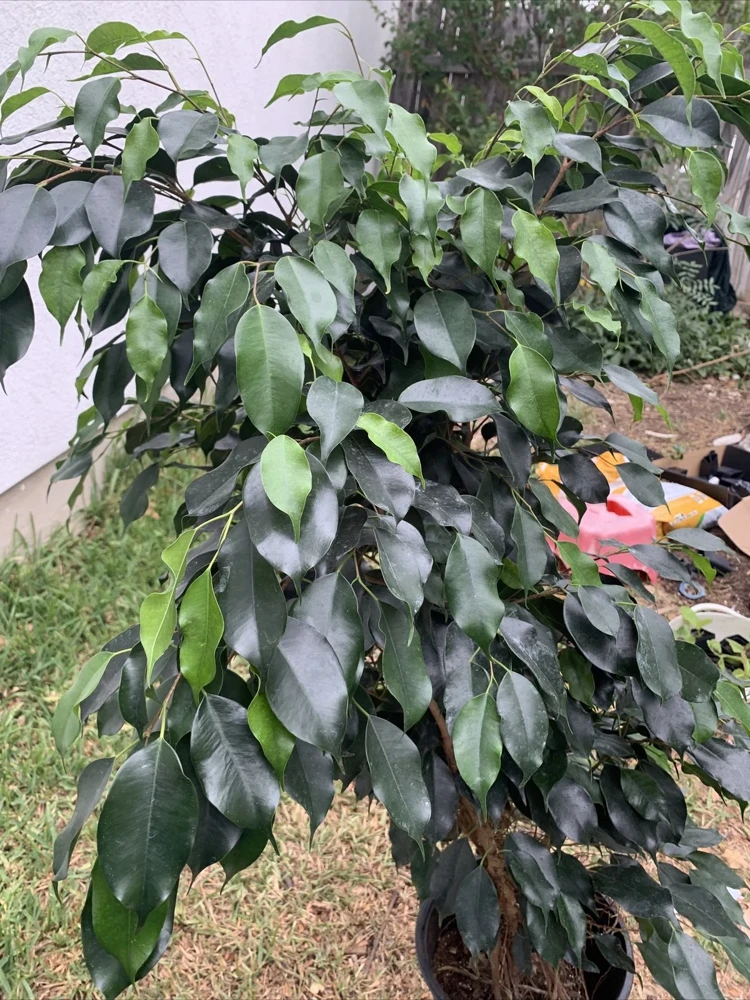
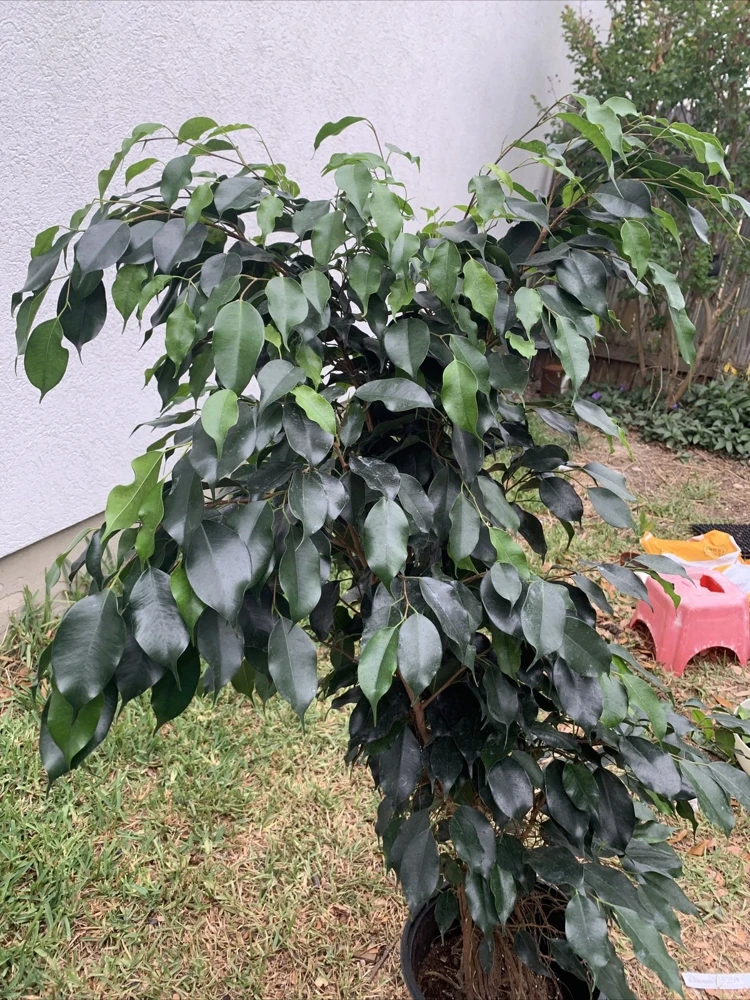
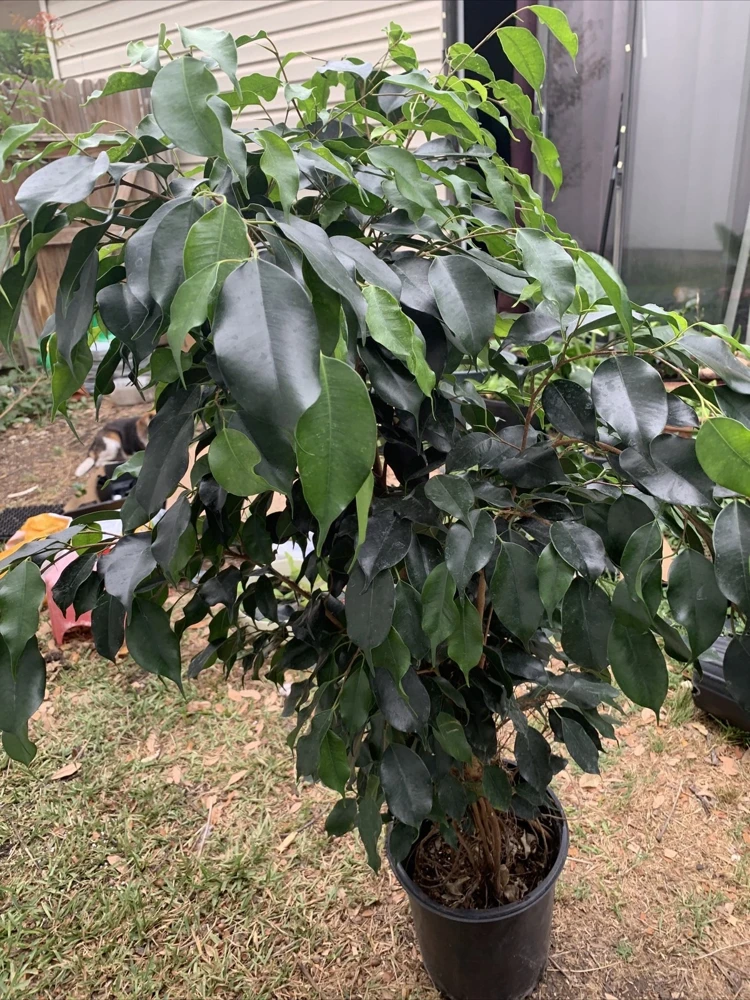
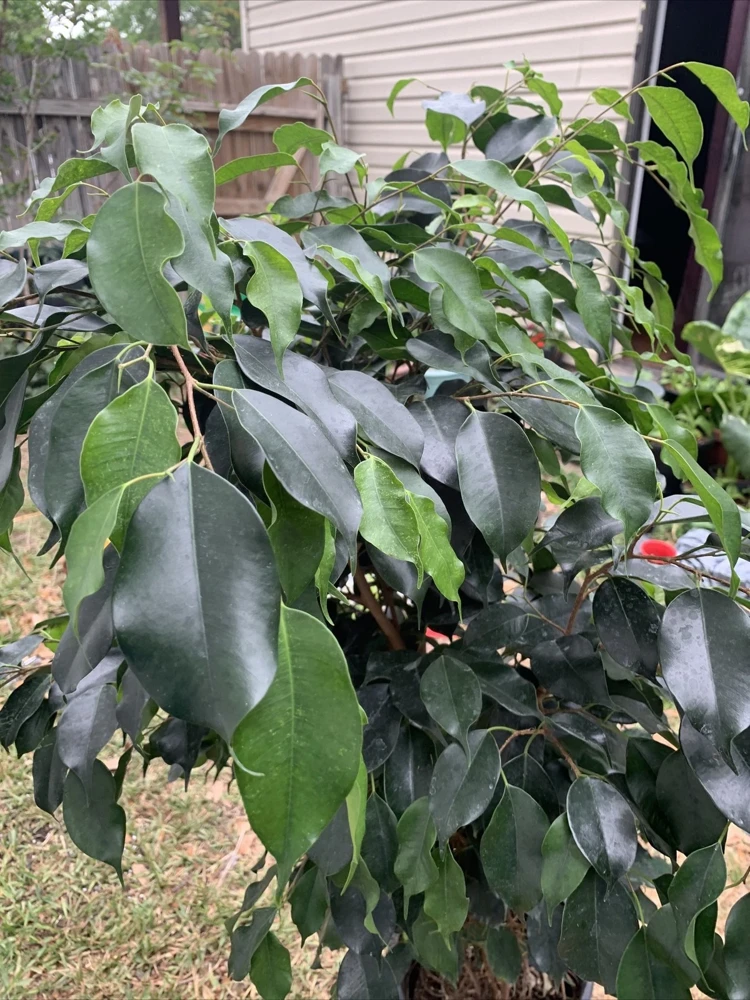
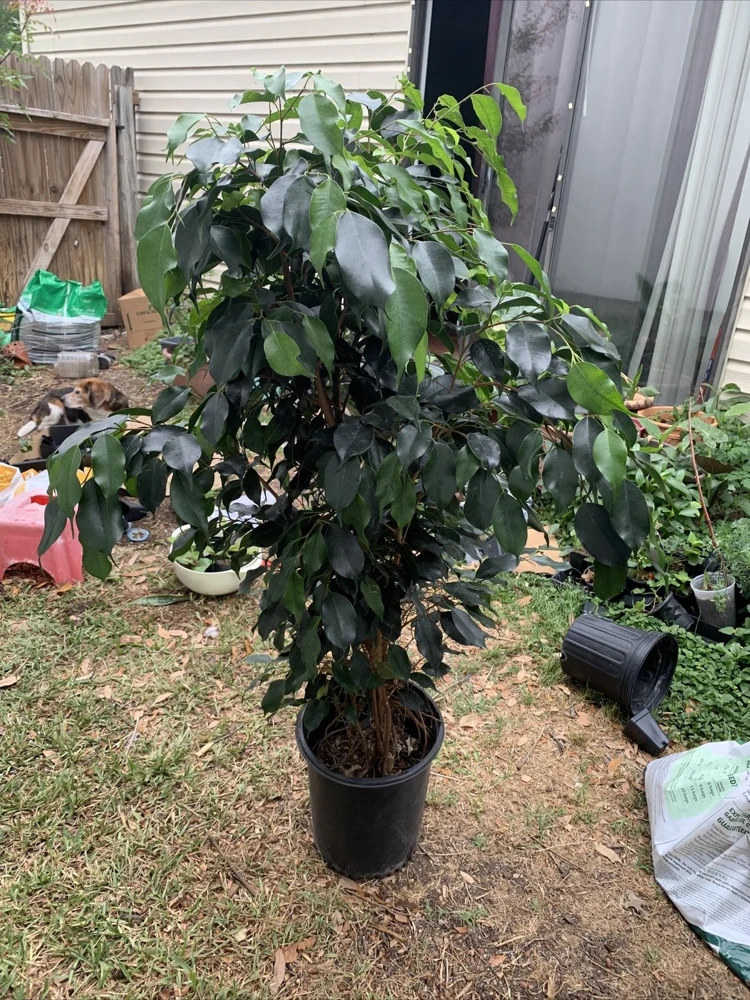
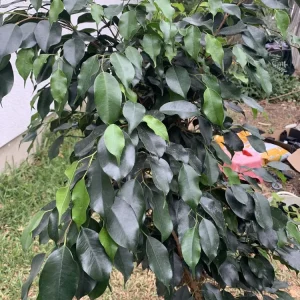
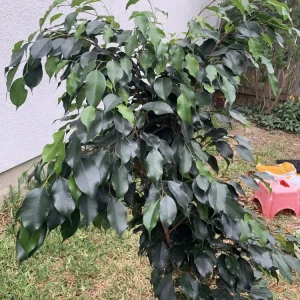
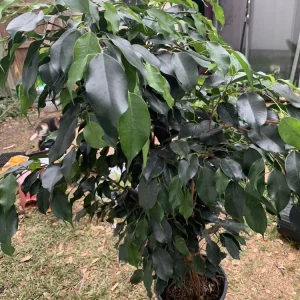
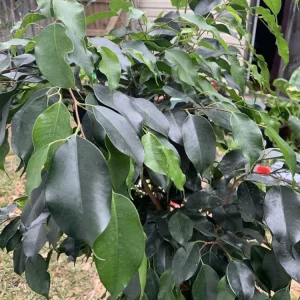
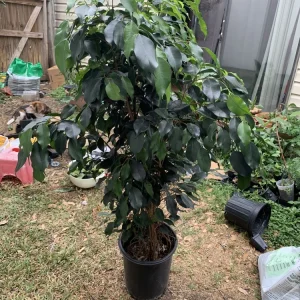
Ficus Benjamina Weeping Fig Tree – Fast Growing 3 Gallon Bare Root Live Plant
Bring elegance and lush greenery to your home or garden with a Ficus Benjamina Weeping Fig tree. This fast-growing live plant is offered as a bare root specimen, ready for planting.
- Graceful, weeping foliage
- Adaptable to various environments
- Excellent for indoor decor or outdoor landscapes
Original price was: $800.00.$400.00Current price is: $400.00.

With our Alive & Thrive Guarantee, we’ve got your back for the first 30 days! If you have any concerns about your plants, just reach out to us. Our team is here to help answer your questions and guide you in selecting the best plants for your garden, climate, and unique preferences. We're excited to help you create the garden of your dreams!
Estimated arrival
Oct 14
Oct 19 - Oct 21
Oct 24 - Oct 28

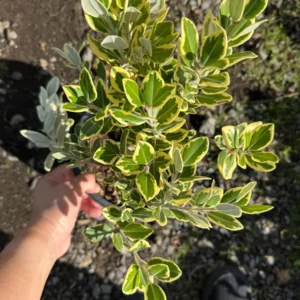
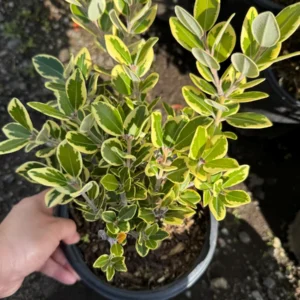
Product Details
-
USDA Hardiness Zone
USDA zones 9–11 (outdoors), suitable for all zones indoors -
Soil type
Well-draining potting mix -
Sunlight Exposure
Bright, indirect light -
Expected Planting Period
Year-round indoors, spring to early summer outdoors
Overview
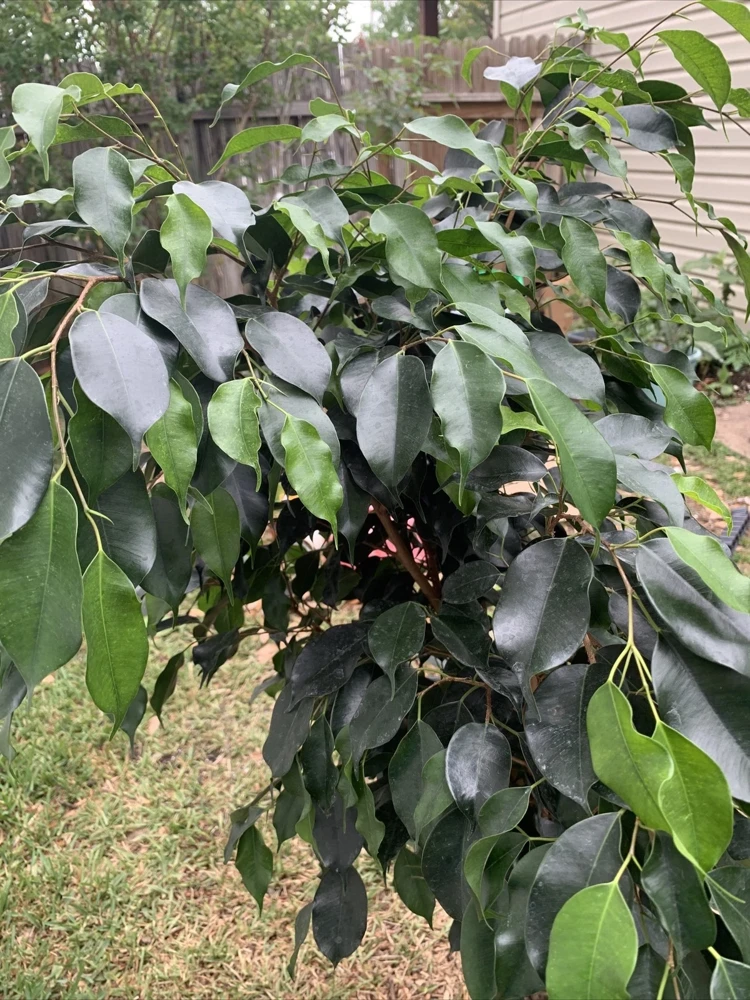
Introduce a touch of natural elegance to your environment with a Ficus Benjamina Weeping Fig tree. Known for its graceful, arching branches and dense, glossy green leaves, the Weeping Fig is a popular choice for both indoor and outdoor settings. This particular offering is a fast-growing live plant, provided as a bare root specimen, making it an economical and efficient way to establish a beautiful tree. The Ficus Benjamina Weeping Fig tree, also commonly called the Weeping Fig, is renowned for its adaptability and ability to thrive in a variety of conditions, provided its basic needs are met. Originating from tropical and subtropical regions, it brings a vibrant, lush aesthetic that can transform any space into a serene oasis. Whether you’re looking to create a stunning focal point in your living room or add a verdant backdrop to your garden, this tree is an excellent selection.
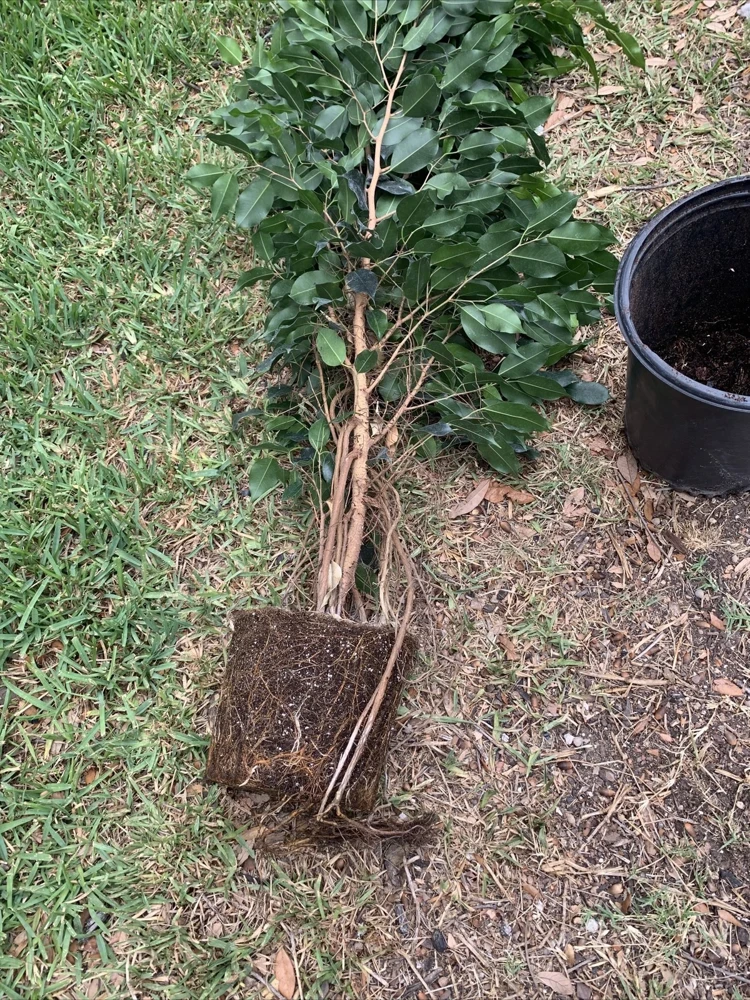
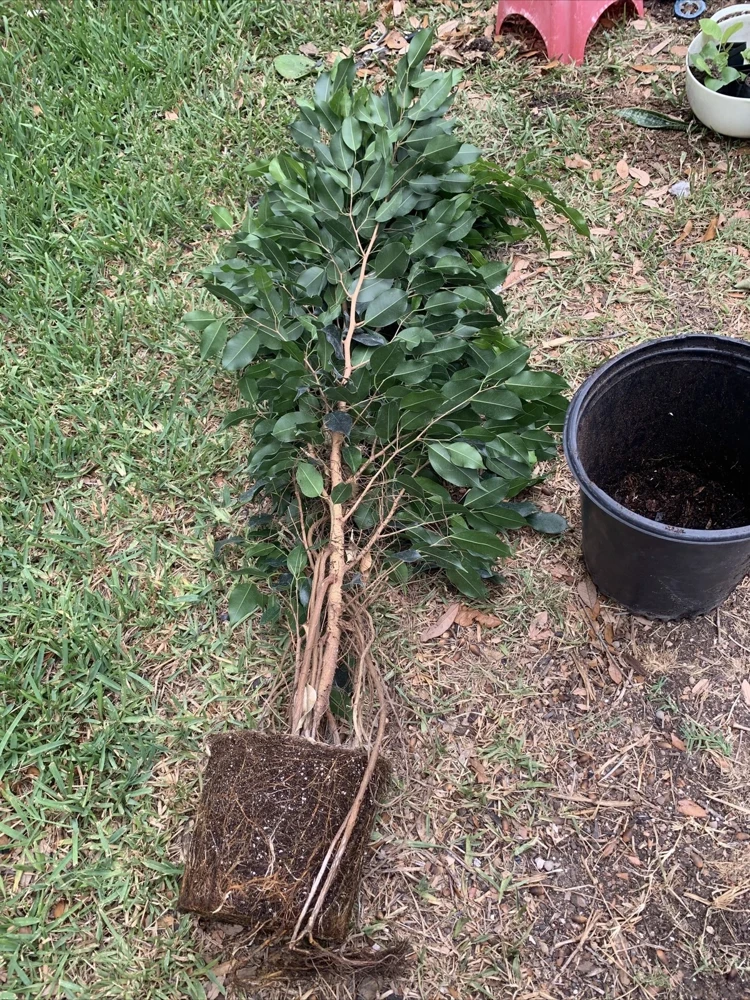
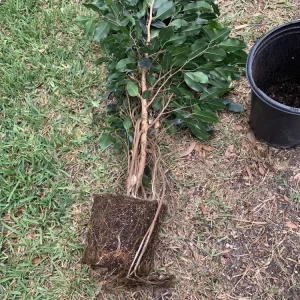
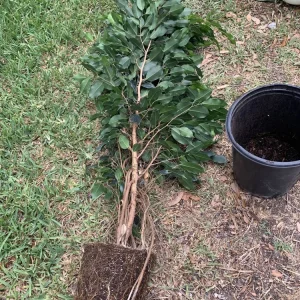
As a bare root ficus plant, it arrives without soil around its roots, which minimizes shipping shock and allows for easier inspection upon arrival. This method ensures a robust start, as the plant can quickly establish itself in its new environment once properly potted or planted. The 3-gallon size indicates a well-established root system, promising a strong foundation for rapid growth. With proper care, your Ficus Benjamina Weeping Fig tree will quickly grow into a magnificent specimen, offering years of beauty and enjoyment. Its vibrant green foliage makes it a versatile decorative element, complementing various interior design styles and outdoor landscape themes.
Key Benefits
The Ficus Benjamina Weeping Fig tree offers numerous advantages for plant enthusiasts and decorators alike. Its striking appearance and beneficial qualities make it a highly desirable plant. Here are some of the key benefits:
- Elegant Aesthetic Appeal: The Weeping Fig’s distinctive cascading branches and abundant, shiny leaves create a sophisticated and natural focal point. It can enhance the beauty of any room or garden with its graceful form.
- Air Purification Qualities: Like many Ficus varieties, the Ficus Benjamina Weeping Fig tree is known for its ability to filter airborne toxins, contributing to cleaner, healthier indoor air quality.
- Fast Growth Rate: This variety is a fast growing ficus, meaning you won’t have to wait long to enjoy a mature, lush tree. With adequate light and water, it will quickly develop into a substantial plant.
- Versatile Placement: Suitable for both indoor and outdoor cultivation in appropriate climates, it can be grown as a potted houseplant, a patio accent, or a landscape tree. This versatility makes it a popular choice for many settings.
- Low to Medium Maintenance: Once established, the weeping fig care requirements are relatively straightforward, making it suitable for gardeners of varying experience levels. Consistent watering and light are key to its success.
- Creates a Calming Atmosphere: The presence of living plants, especially a large, lush tree like the Weeping Fig, can reduce stress and promote a sense of tranquility in your living or working space.
- Long Lifespan: With proper care, a Ficus Benjamina Weeping Fig tree can live for many years, becoming a long-term fixture in your home or garden.
Plant Care & Growing Tips
Caring for your Ficus Benjamina Weeping Fig tree involves understanding its needs for light, water, and soil to ensure healthy growth. These trees prefer bright, indirect light. Indoors, place them near a window with filtered sunlight, avoiding direct, harsh afternoon sun which can scorch the leaves. Outdoors, a spot with morning sun and afternoon shade is ideal, especially in warmer climates. Consistent light conditions are important, as sudden changes can cause leaf drop. Rotate your tree periodically to ensure even growth and light exposure on all sides.
Watering should be consistent but not excessive. Allow the top inch or two of soil to dry out completely between waterings to prevent root rot. Overwatering is a common problem for Ficus plants. Reduce watering in winter when the plant’s growth slows. The soil should be a well-draining potting mix, ideally with some sand or perlite to enhance drainage. A slightly acidic to neutral pH (6.0-7.0) is preferred. Fertilize your Ficus Benjamina Weeping Fig tree every 2-4 weeks during the growing season (spring and summer) with a balanced liquid fertilizer diluted to half strength. Reduce or stop fertilizing during the dormant winter months. Maintaining consistent humidity, especially for ficus benjamina indoors, is beneficial; consider misting or using a pebble tray.
The weeping fig care also includes pruning to maintain its shape and size. Prune in late winter or early spring before new growth emerges, removing any dead, diseased, or crossing branches. You can also prune to shape the canopy or to encourage a bushier growth habit. Be aware that the sap can be irritating, so wear gloves when pruning. Common problems include leaf drop due to environmental stress (changes in light, temperature, or watering) and pests like spider mites or mealybugs. Regular inspection and prompt treatment are crucial. This fast growing ficus will reward you with lush foliage when given proper attention.
Size & Details
This offering is for a Ficus Benjamina Weeping Fig tree, provided as a bare root plant. Bare root plants are typically shipped without soil, allowing for a healthy and efficient transfer to your chosen pot or garden location. The size of the root system is comparable to that of a 3-gallon container plant, indicating a well-developed and robust specimen ready for strong growth. Upon planting, the initial height can vary, but with its fast growing ficus nature, it will quickly establish and begin to climb. Expect it to reach heights of 6 to 10 feet indoors over several years, and potentially much taller, up to 30-60 feet, if planted in an optimal outdoor environment in suitable climates. Its mature width can be substantial, often spreading 20-35 feet outdoors, creating a significant canopy. When planting, select a container that is at least 8-10 inches in diameter initially, or a suitable outdoor location with ample space for its future growth. The weeping fig care for a bare root plant involves ensuring the roots are spread out and covered with well-draining soil immediately upon arrival.
Frequently Asked Questions
- Q: How big does this plant get? A: This Ficus Benjamina Weeping Fig tree is a fast growing ficus. Indoors, it can reach 6-10 feet tall, while outdoors in suitable climates, it can grow much larger, often 30-60 feet with a significant spread.
- Q: Is this an indoor or outdoor plant? A: The Ficus Benjamina Weeping Fig tree can be grown both indoors as a potted houseplant and outdoors in warmer climates (USDA Zones 9-11). It adapts well to container living, making it an excellent choice for ficus benjamina indoors.
- Q: How much sunlight does it need? A: This tree thrives in bright, indirect light. Indoors, a spot near a window with filtered light is ideal. Outdoors, it prefers morning sun and afternoon shade, especially in hot climates.
- Q: Is this plant easy to care for? A: Once established, weeping fig care is considered medium maintenance. It requires consistent watering and light, but is not overly demanding. Sudden changes in environment can cause temporary leaf drop.
- Q: What condition will it arrive in? A: This product is a bare root ficus plant, meaning it will arrive without soil around its roots. The roots will be carefully packaged to ensure they remain moist during transit, ready for immediate planting upon arrival.
- Q: How long until it blooms? A: Ficus Benjamina trees rarely flower or produce fruit when grown indoors. Outdoors, small, inconspicuous figs may appear, but they are not typically a prominent feature of the tree’s ornamental value.
- Q: What’s the minimum temperature this plant can tolerate? A: The Ficus Benjamina Weeping Fig tree is sensitive to cold. It prefers temperatures above 60°F (15°C) and cannot tolerate freezing temperatures. If grown outdoors in cooler zones, it should be brought inside for winter.
- Q: What type of soil is best for this bare root ficus plant? A: A well-draining potting mix is essential for the bare root ficus plant. Incorporating perlite or sand can improve drainage and prevent waterlogged roots, which this plant dislikes.
- Q: How often should I water my weeping fig? A: Water thoroughly when the top 1-2 inches of soil feel dry to the touch. Reduce watering during the winter months. Always ensure good drainage to prevent root rot, which is critical for good weeping fig care.
- Q: Can I prune my Ficus Benjamina to keep it smaller? A: Yes, pruning is an important part of weeping fig care. You can prune your Ficus Benjamina Weeping Fig tree to maintain a desired size and shape, especially when growing ficus benjamina indoors. Pruning also encourages bushier growth.
Related products
-36%
Original price was: $279.98.$179.98Current price is: $179.98.
-42%
Original price was: $56.99.$33.29Current price is: $33.29.
-51%

Original price was: $43.99.$21.59Current price is: $21.59.
PLANTING & CARE
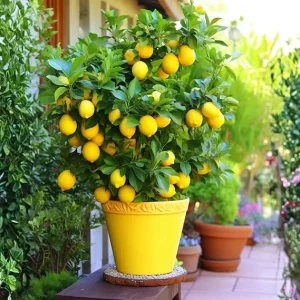
Lemon Tree Growing: Choose, Plant, and Harvest
Learn how to choose, plant, feed, and protect a lemon tree so it fits your
23
Sep
Sep
Dwarf Meyer Lemon Tree Australia: Climate Guide
Learn where dwarf Meyer lemon trees grow, how much cold they tolerate, and whether Australia,
Where to Buy a Dwarf Meyer Lemon Tree: Buyer’s Guide
Find the right dwarf Meyer lemon tree online or locally, compare starter sizes and costs,
Dwarf Meyer Lemon Tree for Sale: Buying Guide
Compare Meyer lemon tree sizes, prices, shipping limits, indoor growing and California options before you
Dwarf Meyer Lemon Tree Guide: Size, Care and Fruit
META: Learn how large a dwarf Meyer lemon tree grows, where it thrives, and how
How to Prune a Dwarf Meyer Lemon Tree
Learn when and how to prune a dwarf Meyer lemon tree, including tools, shaping cuts,
Can You Grow a Dwarf Meyer Lemon Tree in a Pot?
META: Learn how to grow a dwarf Meyer lemon tree in a pot, including container
When Do Dwarf Meyer Lemon Trees Bloom and Fruit?
META: Dwarf Meyer lemon trees usually bloom from winter through spring and may flower again