Pack of 2 Black Haw Viburnum Live Shrub Plants 6-12 Inch Tall in 4 Inch Pot, Outdoor
-50%
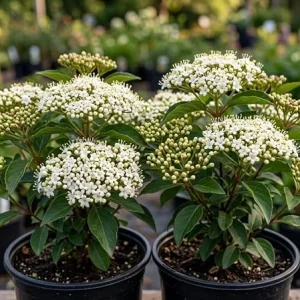
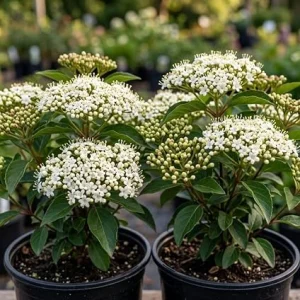
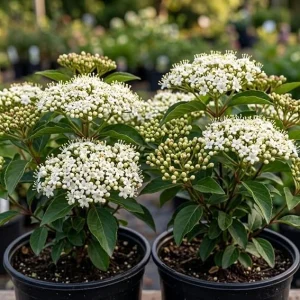
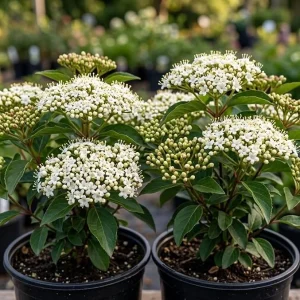
Pack of 2 Black Haw Viburnum Live Shrub Plants 6-12 Inch Tall in 4 Inch Pot, Outdoor
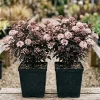
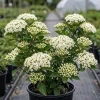
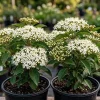
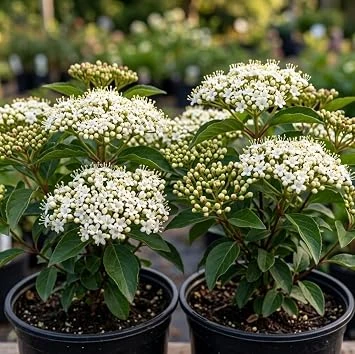
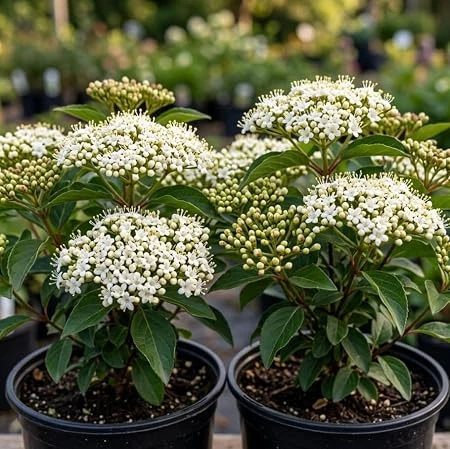
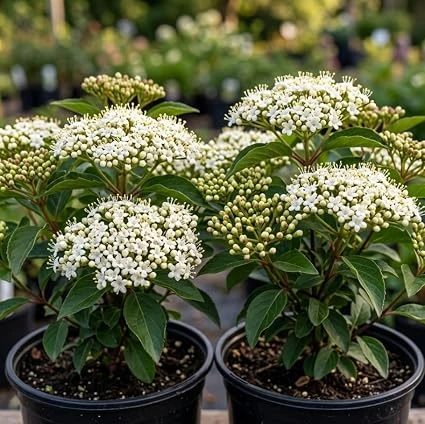
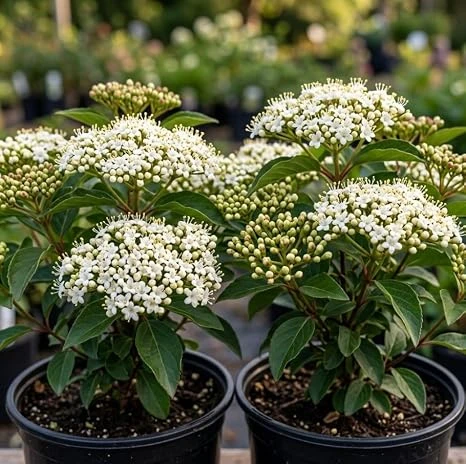
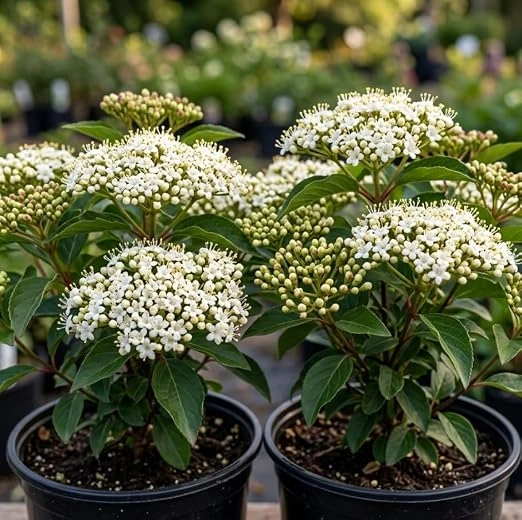
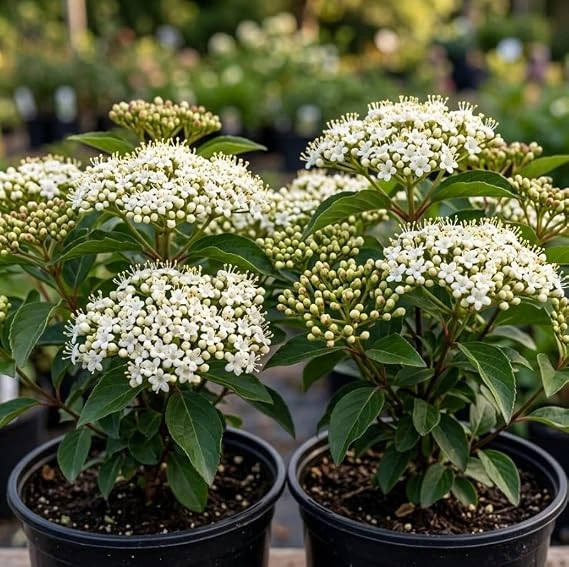
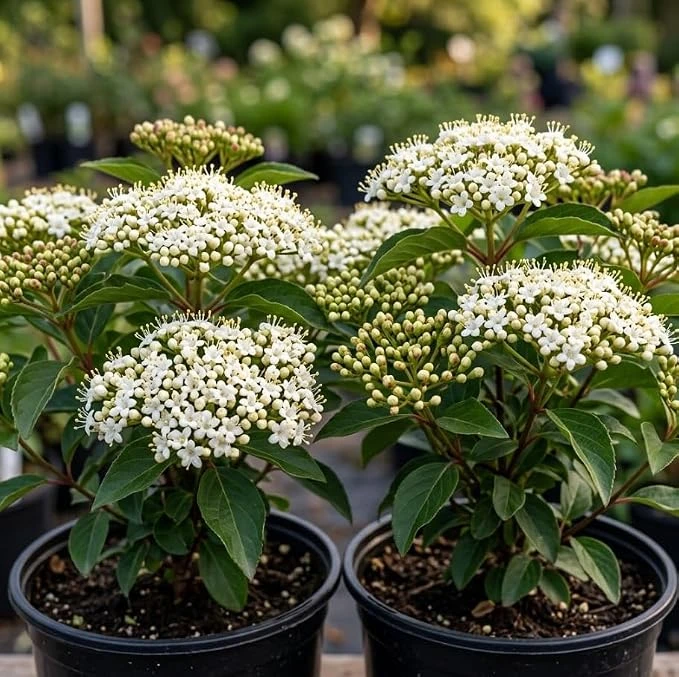
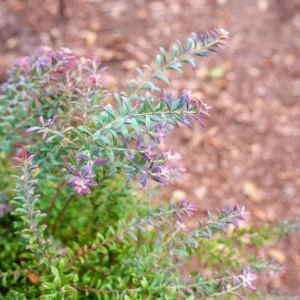
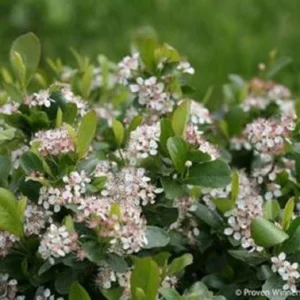
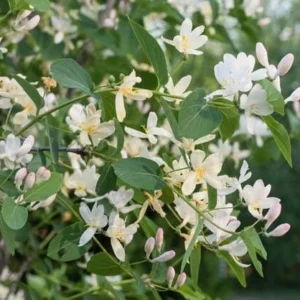
Introduce a Pack of 2 Black Haw Viburnum live shrub plants to your outdoor landscape. These resilient shrubs, 6-12 inches tall in 4-inch pots, offer abundant clusters of fragrant white flowers in spring, followed by attractive foliage and berries. Ideal for garden beds, borders, or as a specimen plant, they are a fantastic choice for adding seasonal beauty and fragrance to any garden.
Original price was: $59.98.$29.99Current price is: $29.99.

With our Alive & Thrive Guarantee, we’ve got your back for the first 30 days! If you have any concerns about your plants, just reach out to us. Our team is here to help answer your questions and guide you in selecting the best plants for your garden, climate, and unique preferences. We're excited to help you create the garden of your dreams!
Estimated arrival
Oct 29
Nov 03 - Nov 05
Nov 08 - Nov 12

Product Details
-
USDA Hardiness Zone
USDA Zones 3-9 -
Soil type
Well-draining soil, adaptable to various types -
Sunlight Exposure
Full sun to partial shade -
Expected Planting Period
Spring to early summer or early fall
Overview
Transform your garden with a Pack of 2 Black Haw Viburnum live shrub plants. Known for its exceptional hardiness and ornamental appeal, the Black Haw Viburnum (Viburnum prunifolium) is a versatile and beautiful addition to any outdoor space. Each plant arrives 6-12 inches tall in a 4-inch pot, ready to be transplanted and established in your landscape. This native North American shrub is celebrated for its abundant clusters of fragrant white flowers that bloom in spring, creating a stunning visual and aromatic display. Beyond its beautiful blossoms, the Fragrant Viburnum plant offers attractive dark green foliage that turns a lovely purplish-red in fall, followed by dark blue-black fruit that is appealing to birds. Whether you’re a seasoned gardener or just starting, the Black Haw Viburnum live shrub is an excellent choice for adding year-round interest and ecological value to your yard.
The Black Haw Viburnum live shrub is a deciduous plant that provides multi-season appeal. Its adaptability to various soil types and conditions makes it a robust option for many garden designs. From its delicate spring flowers to its vibrant fall color and wildlife-attracting berries, this plant ensures continuous beauty and functionality in your garden. It’s a truly rewarding plant that enhances curb appeal and provides a natural habitat for local fauna.
Key Benefits
The Black Haw Viburnum live shrub offers a multitude of benefits that make it a prized plant for any garden:
- Stunning Spring Blooms: Produces abundant clusters of fragrant white flowers in early spring, creating a captivating visual and aromatic display that signals the arrival of warmer weather. These blossoms are a delight for both humans and pollinators.
- Attractive Foliage & Fall Color: Features glossy dark green leaves throughout the growing season, which transform into beautiful purplish-red hues in autumn, adding significant seasonal interest to your landscape.
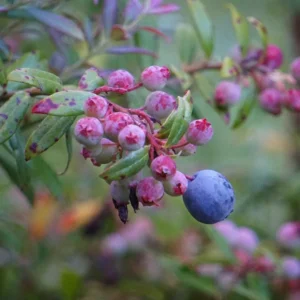
- Wildlife Attraction: Develops dark blue-black berries in late summer and fall, providing a valuable food source for various bird species, enhancing biodiversity in your garden.
- Exceptional Hardiness: A resilient Hardy landscape shrub, it adapts well to a wide range of soil types and conditions, making it a low-maintenance choice for diverse climates and garden settings. This plant is known for its ability to thrive with minimal intervention.
- Versatile Landscape Use: Ideal for use as a specimen plant, a dense privacy hedge, a border plant, or an accent shrub. Its upright, spreading habit allows for flexible integration into various garden designs, from formal to naturalized settings.
- Disease and Pest Resistance: Generally robust and resistant to most common diseases and pests, ensuring a healthy and vibrant plant with less need for chemical interventions. This contributes to a more sustainable garden.
- Easy to Grow: Arrives as a live shrub, 6-12 inches tall, conveniently potted in a 4-inch pot and ready to plant, making establishment straightforward for gardeners of all experience levels. The Black Haw Viburnum live shrub is known for its ease of cultivation.
Plant Care & Growing Tips
Caring for your Black Haw Viburnum live shrub is relatively straightforward, thanks to its robust nature. These plants thrive in a variety of conditions, making them an excellent choice for many gardeners. For optimal growth and flowering, plant your viburnum in a location that receives full sun to partial shade. While it can tolerate some shade, more sunlight generally leads to more abundant blooms and better fall color. Aim for at least 4-6 hours of direct sunlight per day. When planting, ensure the hole is twice as wide as the root ball and just as deep. Backfill with a mix of native soil and compost to enrich the planting site.
Watering is crucial, especially during the first growing season, to help the plant establish a strong root system. Water deeply and regularly, ensuring the soil remains consistently moist but not waterlogged. Once established, the Hardy landscape shrub is quite drought-tolerant, but supplemental watering during prolonged dry spells will benefit its overall health and appearance. The Black Haw Viburnum prefers well-draining soil, but it is adaptable to various soil types, including clay, loam, and sand, as long as drainage is adequate. A neutral to slightly acidic pH is ideal. Fertilize in early spring with a balanced, slow-release granular fertilizer formulated for trees and shrubs. Follow package instructions for application rates.
Pruning is best done after flowering in late spring or early summer to maintain shape and remove any dead, damaged, or crossing branches. Minimal pruning is usually required, as the plant naturally develops an attractive form. The Viburnum care guide suggests that these shrubs are hardy in USDA zones 3-9, making them suitable for a wide range of climates. They are generally resistant to most pests and diseases, but keep an eye out for common issues like aphids or powdery mildew, which can usually be managed with organic sprays or proper cultural practices. With proper care, your Black Haw Viburnum live shrub will flourish and provide years of beauty.
Size & Details
This offering includes a Pack of 2 Black Haw Viburnum live shrub plants, each standing 6-12 inches tall from the top of the soil to the tip of the plant. Each plant is securely rooted in a 4-inch nursery pot, providing a healthy start for transplanting into your garden. The compact size upon arrival makes them easy to handle and establish in their new location. These plants are shipped as actively growing, well-rooted specimens, ensuring they are ready to thrive in your outdoor space.
The Black Haw Viburnum live shrub typically grows to a mature height of 10-15 feet with a similar spread, forming an attractive, multi-stemmed shrub or small tree. Its growth rate is moderate, allowing it to establish and mature gracefully over time. Expect the first fragrant white flowers to appear in spring, usually within the first year or two after planting, depending on growing conditions and establishment. These plants are ideal for creating natural screens, adding architectural interest, or enhancing mixed borders with their seasonal appeal.
Frequently Asked Questions
- Q: How big does this plant get? A: The Black Haw Viburnum live shrub typically grows to a mature height of 10-15 feet and can spread similarly, forming a multi-stemmed shrub or small tree. Its size can be managed with pruning.
- Q: What size pot does it come in? A: Each Black Haw Viburnum live shrub in this pack arrives in a 4-inch nursery pot, with the plant itself measuring 6-12 inches tall.
- Q: Is this an indoor or outdoor plant? A: The Black Haw Viburnum is an outdoor plant, a Hardy landscape shrub that thrives in garden beds, borders, and other outdoor landscape settings. It is not suitable for indoor cultivation.
- Q: How much sunlight does it need? A: This plant prefers full sun to partial shade, meaning it needs at least 4-6 hours of direct sunlight per day for optimal growth and flowering.
- Q: Is this plant easy to care for? A: Yes, the Black Haw Viburnum is considered an easy-to-care-for and resilient plant, suitable for gardeners of all experience levels. It adapts well to various conditions.
- Q: What condition will it arrive in? A: Your Black Haw Viburnum live shrub will arrive as a healthy, actively growing plant, securely rooted in its 4-inch pot, ready for planting. We take care to ensure safe transit.
- Q: When is the best time to plant? A: The best time to plant your Fragrant Viburnum plant is in spring or early fall, allowing it ample time to establish before extreme weather conditions.
- Q: Will it survive winter in my zone? A: The Black Haw Viburnum is very hardy and typically thrives in USDA Zones 3-9, making it suitable for surviving cold winters in many regions.
- Q: Does it produce berries? A: Yes, after its spring flowers, the White flowering Viburnum produces dark blue-black berries in late summer and fall, which are attractive to birds.
- Q: Is this plant deer resistant? A: While no plant is entirely deer-proof, Black Haw Viburnum is generally considered to be moderately deer resistant, making it a good choice for areas with deer activity.
Related products
-50%
Original price was: $55.98.$27.99Current price is: $27.99.
-30%
Original price was: $73.98.$51.78Current price is: $51.78.
-50%


Original price was: $63.00.$31.50Current price is: $31.50.
-50%
Original price was: $83.00.$41.50Current price is: $41.50.
-50%
Original price was: $63.00.$31.50Current price is: $31.50.
PLANTING & CARE
Lemon Tree Growing: Choose, Plant, and Harvest
Learn how to choose, plant, feed, and protect a lemon tree so it fits your
23
Sep
Sep
Dwarf Meyer Lemon Tree Australia: Climate Guide
Learn where dwarf Meyer lemon trees grow, how much cold they tolerate, and whether Australia,
Where to Buy a Dwarf Meyer Lemon Tree: Buyer’s Guide
Find the right dwarf Meyer lemon tree online or locally, compare starter sizes and costs,
Dwarf Meyer Lemon Tree for Sale: Buying Guide
Compare Meyer lemon tree sizes, prices, shipping limits, indoor growing and California options before you
Dwarf Meyer Lemon Tree Guide: Size, Care and Fruit
META: Learn how large a dwarf Meyer lemon tree grows, where it thrives, and how
How to Prune a Dwarf Meyer Lemon Tree
Learn when and how to prune a dwarf Meyer lemon tree, including tools, shaping cuts,
Can You Grow a Dwarf Meyer Lemon Tree in a Pot?
META: Learn how to grow a dwarf Meyer lemon tree in a pot, including container
When Do Dwarf Meyer Lemon Trees Bloom and Fruit?
META: Dwarf Meyer lemon trees usually bloom from winter through spring and may flower again