Paw Paw Tree (Asimina triloba) Live Plant – 6-14 Inch Tall, Quart Pot, Outdoor Hardy Banana Tree
-50%
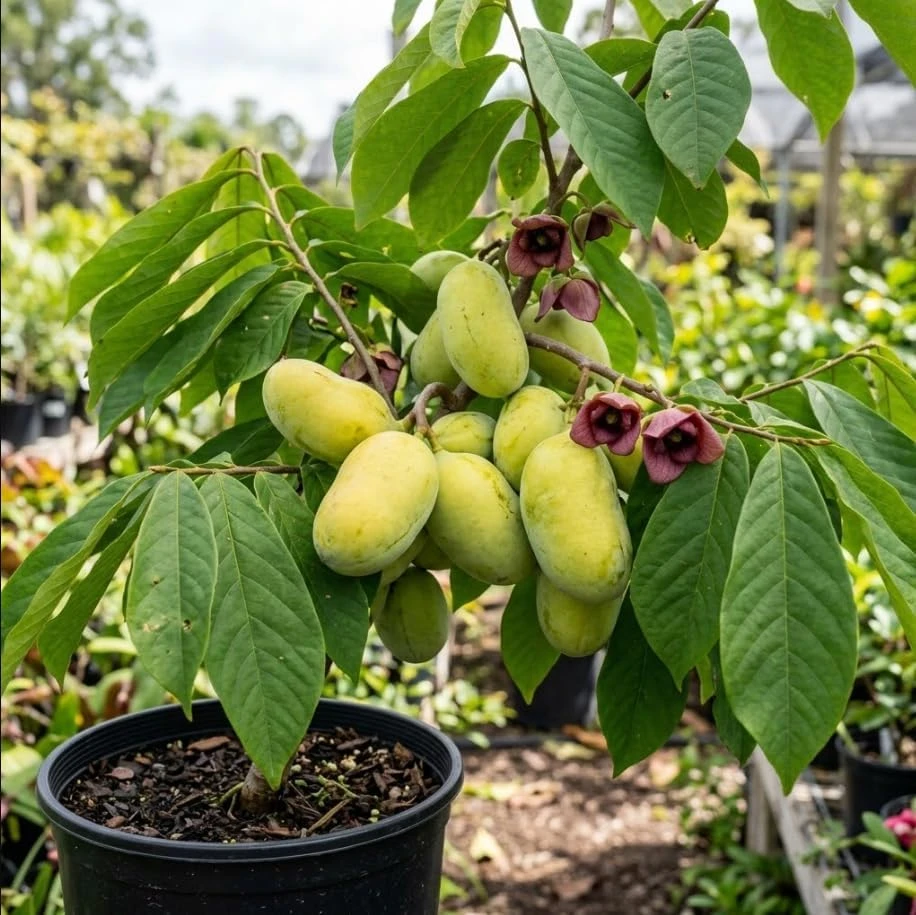
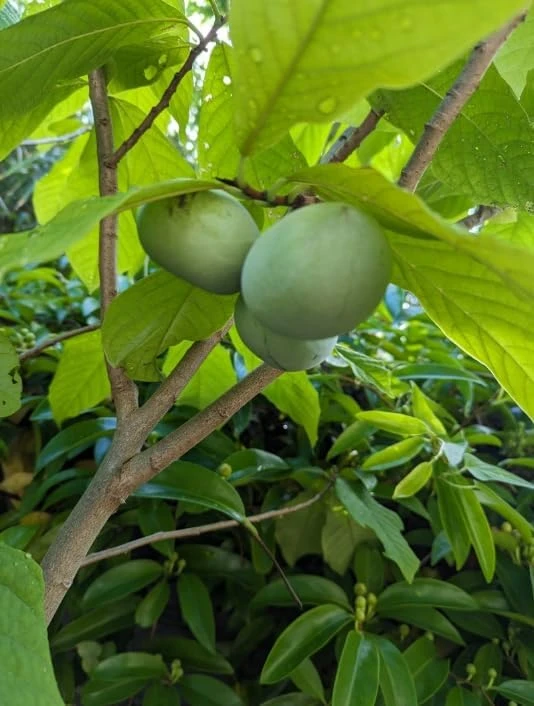
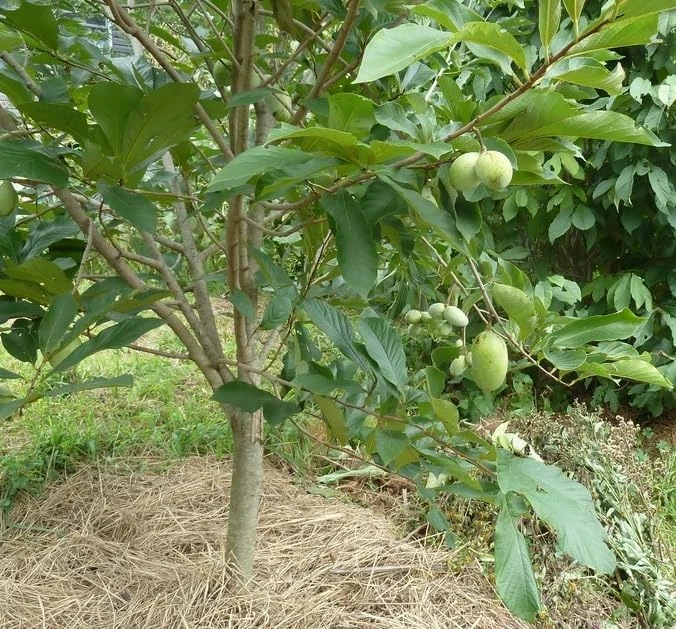
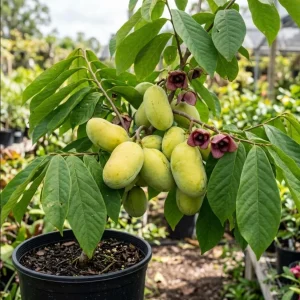
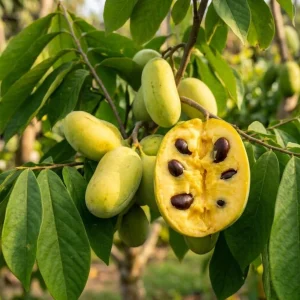
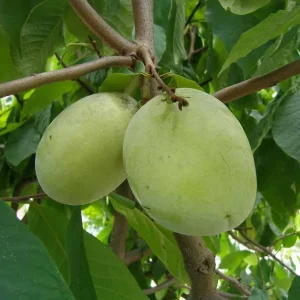
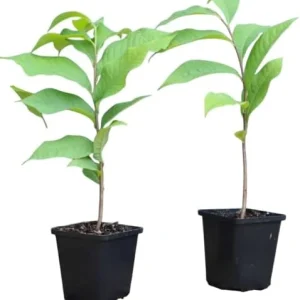
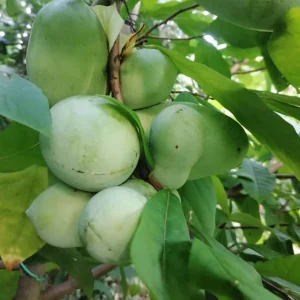
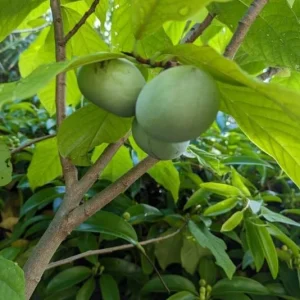
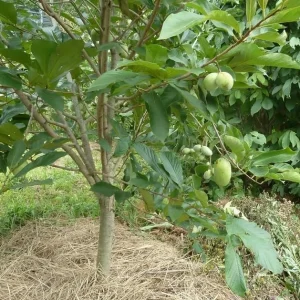
Paw Paw Tree (Asimina triloba) Live Plant – 6-14 Inch Tall, Quart Pot, Outdoor Hardy Banana Tree
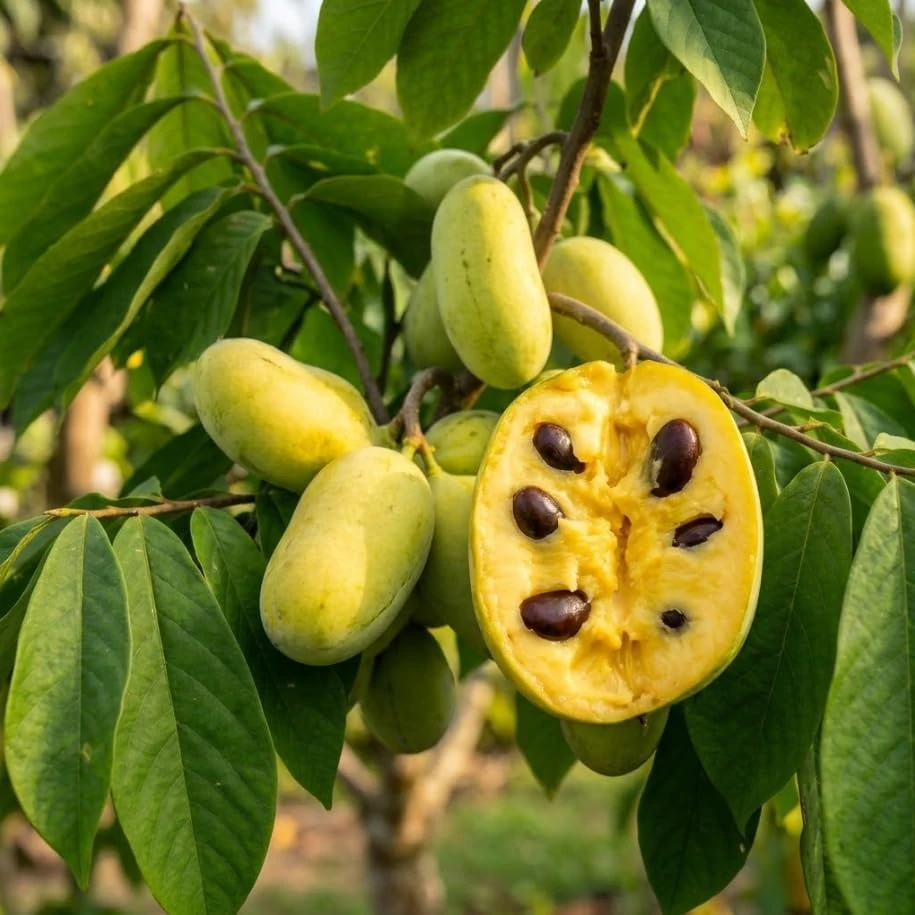
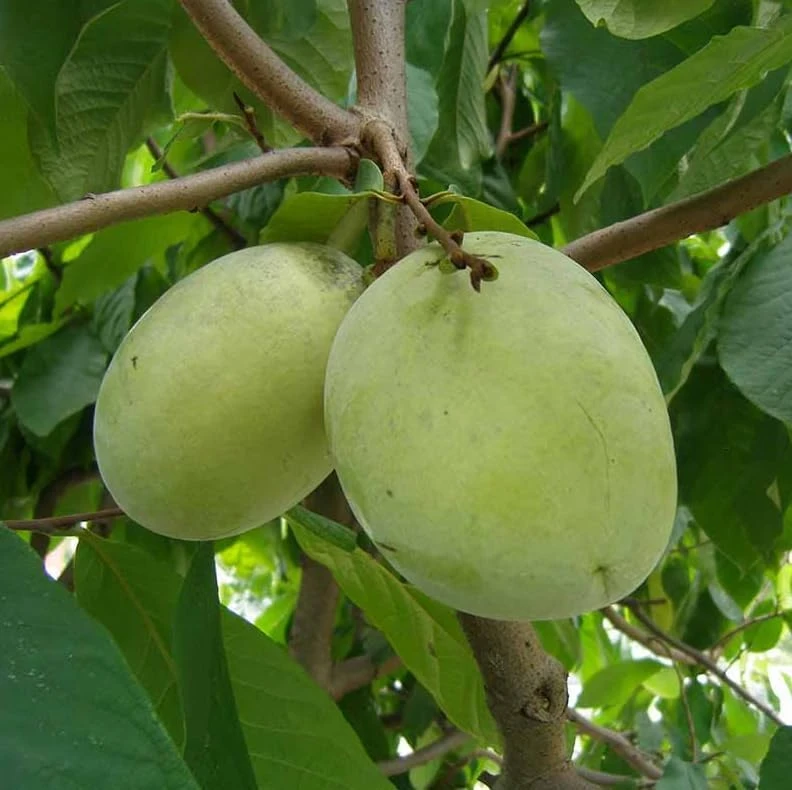
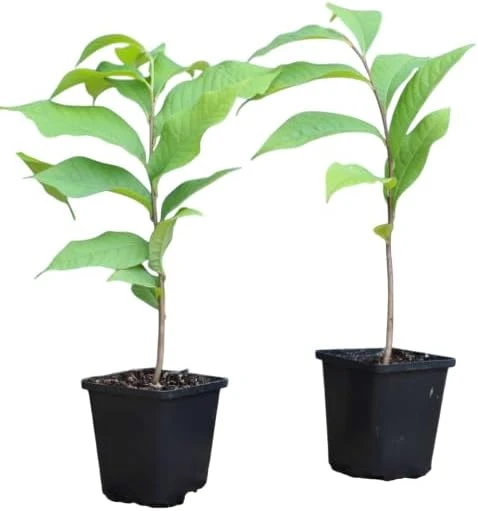
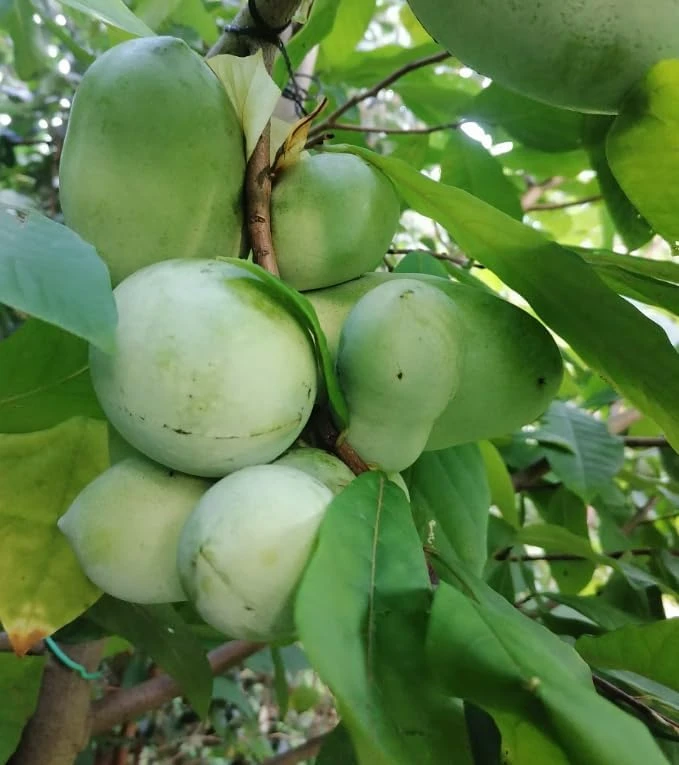
Cultivate your own unique fruit with a paw paw tree live plant. This Asimina triloba tree, also known as a hardy banana tree, arrives as a young starter plant, 6-14 inches tall in a quart pot, ready for your outdoor garden or backyard. Enjoy the anticipation of delicious pawpaw fruit in a few years!
Original price was: $47.98.$23.99Current price is: $23.99.

With our Alive & Thrive Guarantee, we’ve got your back for the first 30 days! If you have any concerns about your plants, just reach out to us. Our team is here to help answer your questions and guide you in selecting the best plants for your garden, climate, and unique preferences. We're excited to help you create the garden of your dreams!
Estimated arrival
Nov 03
Nov 08 - Nov 10
Nov 13 - Nov 17
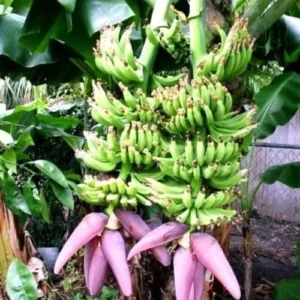
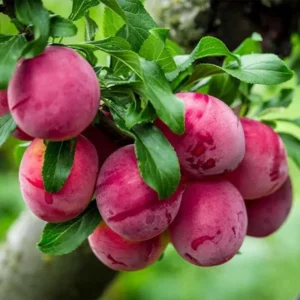

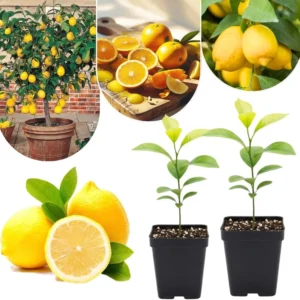
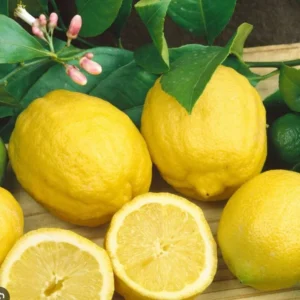
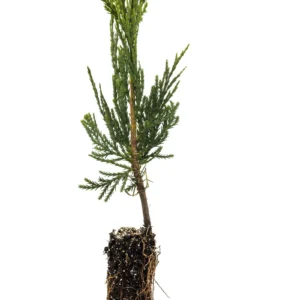
Product Details
-
USDA Hardiness Zone
USDA Zones 5-9 -
Soil type
Deep, fertile, well-draining soil -
Sunlight Exposure
Full sun to partial shade -
Expected Planting Period
Spring to early summer
Overview
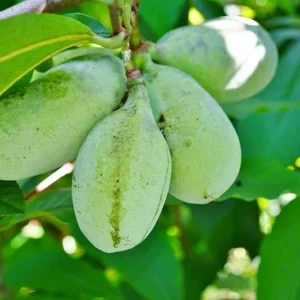
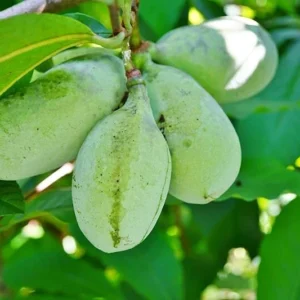
Embark on a rewarding gardening journey with this exquisite paw paw tree live plant, scientifically known as Asimina triloba. Often referred to as the hardy banana tree due to its creamy, tropical-tasting fruit, the pawpaw is a unique native North American deciduous tree. This offering is for a young starter plant, approximately 6-14 inches tall, thriving in a quart pot, ready to be transplanted into your outdoor garden, food forest, or backyard landscape. While this starter plant will not bear fruit or flowers upon arrival, with proper care and establishment, you can anticipate enjoying its distinctive, flavorful fruit in approximately 2–4 years. The paw paw tree live plant is a fascinating addition for anyone looking to grow an uncommon, delicious, and low-maintenance fruit tree.
The Asimina triloba tree is celebrated for its adaptability and resilience, making it a fantastic choice for various climates within its hardiness zones. Its lush foliage provides excellent shade, and the eventual fruit production offers a truly unique culinary experience unlike any other temperate fruit. This young plant represents the beginning of a long-term investment in your landscape, promising not only delicious harvests but also a beautiful, robust tree that contributes to local biodiversity. Prepare to be enchanted by the charm and bounty of your very own pawpaw fruit tree.
Key Benefits
Adding a paw paw tree live plant to your garden offers a multitude of benefits, from its ecological value to the unique culinary delights it provides. This native North American tree is a superb choice for gardeners seeking something truly special.
- Unique Fruit Production: Harvest delicious, custard-like pawpaw fruits with a flavor often described as a blend of banana, mango, and pineapple. These highly nutritious fruits are a rare treat.
- Ecological Value: As a native species, the Asimina triloba tree supports local wildlife, serving as a host plant for the zebra swallowtail butterfly and providing food for various animals.
- Hardy and Resilient: Known for its hardiness, the hardy banana tree is remarkably adaptable to a range of soil types and climates within its USDA zones, making it a robust choice for many gardeners.
- Low Maintenance: Once established, pawpaw trees require relatively little maintenance compared to other fruit trees, making them suitable for both experienced and novice growers.
- Shade and Aesthetics: Beyond its fruit, the pawpaw tree provides attractive foliage and can serve as an excellent understory tree, adding beauty and shade to your garden.
- Disease and Pest Resistance: Pawpaws are generally resistant to most common diseases and pests, reducing the need for chemical interventions.
- Conversation Starter: Owning a pawpaw fruit tree is a great way to introduce friends and family to this fascinating and often overlooked native fruit.
Plant Care & Growing Tips
Caring for your paw paw tree live plant is straightforward, ensuring a healthy establishment and eventual fruit production. Pawpaws prefer full sun to partial shade once established, but young trees benefit from some protection from intense afternoon sun during their first year or two. Aim for a location that receives at least 6 hours of direct sunlight per day for optimal fruiting. They are adaptable to a range of soil types but thrive in deep, fertile, well-draining soil with a slightly acidic to neutral pH (5.5-7.0). Ensure the planting site has good drainage to prevent root rot.
Water your young Asimina triloba tree regularly, especially during dry spells, to keep the soil consistently moist but not waterlogged. Once established, pawpaws are relatively drought-tolerant but will benefit from supplemental watering during prolonged dry periods. Fertilize sparingly in the spring with a balanced, slow-release granular fertilizer formulated for fruit trees. Avoid over-fertilizing, especially with high nitrogen, which can lead to excessive foliage growth at the expense of fruit production. Protect young trees from strong winds and consider staking for support in their initial years.
Pawpaws are deciduous, meaning they will lose their leaves in the fall and enter a dormant state during winter. Do not be alarmed if your plant appears lifeless during colder months; it will resume active growth when temperatures warm in spring. The hardy banana tree is generally quite resilient, but keep an eye out for common garden pests, though they are rarely a significant issue for pawpaws. Proper pruning to maintain an open canopy can improve air circulation and fruit quality once the tree matures. With these simple guidelines, your outdoor fruit tree will thrive.
Size & Details
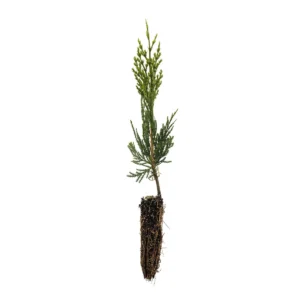
This offering includes one paw paw tree live plant (Asimina triloba) meticulously grown in a quart-sized pot. The plant will arrive approximately 6–14 inches tall, representing a healthy young starter plant. This size is ideal for successful transplanting, allowing the tree to establish its root system quickly in its new environment. As a young plant, it is not yet mature enough to produce flowers or fruit, which typically begins in 2–4 years after planting, given proper care and growing conditions. The modest size of this starter plant makes it easy to handle and integrate into various garden designs.
The Asimina triloba tree has a moderate growth rate, eventually reaching heights of 15-20 feet with a spread of 10-15 feet when fully mature. It develops a pyramidal shape in its youth, broadening with age. Your plant will be shipped in its quart pot, with soil, to minimize transplant shock and ensure its health upon arrival. Expect the tree to be dormant if purchased during the cooler months, a natural process that prepares it for vigorous spring growth. This pawpaw fruit tree is a long-term investment that will reward your patience with unique, delicious harvests.
Frequently Asked Questions
- Q: How big does this plant get? A: This paw paw tree live plant will arrive approximately 6-14 inches tall in a quart pot. When mature, the Asimina triloba tree typically reaches heights of 15-20 feet with a spread of 10-15 feet, depending on growing conditions and pruning.
- Q: Is this an indoor or outdoor plant? A: The paw paw tree live plant is an outdoor fruit tree. It is a deciduous tree that requires seasonal changes and a period of dormancy to thrive and produce fruit.
- Q: How much sunlight does it need? A: Pawpaw trees prefer full sun to partial shade for optimal fruit production. Young trees, however, benefit from some afternoon shade during their first year or two to prevent scorching.
- Q: Is this plant easy to care for? A: Yes, pawpaw trees are considered relatively easy to care for once established. They are hardy and generally resistant to pests and diseases, making the hardy banana tree a good choice for various gardeners.
- Q: What condition will it arrive in? A: Your paw paw tree live plant will arrive in a quart pot, approximately 6-14 inches tall, with soil. If ordered during colder months, it may be dormant and appear to have no leaves, which is normal.
- Q: How long until it blooms or produces fruit? A: As a young starter plant, your pawpaw tree will not have flowers or fruit upon arrival. With proper care, pawpaw fruit tree typically begin producing fruit in approximately 2–4 years after establishment.
- Q: What’s the best time to plant this outdoor fruit tree? A: The ideal time to plant your pawpaw tree is in the spring after the last frost, or in early fall. This allows the plant ample time to establish its root system before extreme temperatures.
- Q: Will it survive winter in my zone? A: Pawpaw trees are hardy in USDA Zones 5-9. If you are in these zones, your tree should survive winter, entering dormancy and resuming growth in spring.
- Q: Does it need another pawpaw tree to produce fruit? A: While some pawpaw varieties are self-pollinating, most benefit greatly from cross-pollination with a different genetic variety for optimal fruit set. Planting at least two genetically distinct trees is highly recommended for a good harvest.
- Q: What kind of soil is best for a pawpaw tree? A: Pawpaws thrive in deep, fertile, well-draining soil with a slightly acidic to neutral pH. Avoid heavy clay soils that retain too much water.
Related products


-50%
Original price was: $180.99.$89.89Current price is: $89.89.
PLANTING & CARE
Lemon Tree Growing: Choose, Plant, and Harvest
Learn how to choose, plant, feed, and protect a lemon tree so it fits your
23
Sep
Sep
Dwarf Meyer Lemon Tree Australia: Climate Guide
Learn where dwarf Meyer lemon trees grow, how much cold they tolerate, and whether Australia,
Where to Buy a Dwarf Meyer Lemon Tree: Buyer’s Guide
Find the right dwarf Meyer lemon tree online or locally, compare starter sizes and costs,
Dwarf Meyer Lemon Tree for Sale: Buying Guide
Compare Meyer lemon tree sizes, prices, shipping limits, indoor growing and California options before you
Dwarf Meyer Lemon Tree Guide: Size, Care and Fruit
META: Learn how large a dwarf Meyer lemon tree grows, where it thrives, and how
How to Prune a Dwarf Meyer Lemon Tree
Learn when and how to prune a dwarf Meyer lemon tree, including tools, shaping cuts,
Can You Grow a Dwarf Meyer Lemon Tree in a Pot?
META: Learn how to grow a dwarf Meyer lemon tree in a pot, including container
When Do Dwarf Meyer Lemon Trees Bloom and Fruit?
META: Dwarf Meyer lemon trees usually bloom from winter through spring and may flower again