Pawpaw Tree Live Plant (Asimina triloba) – 6 Inches Tall, Dormant, Outdoor Cold Hardy
-50%
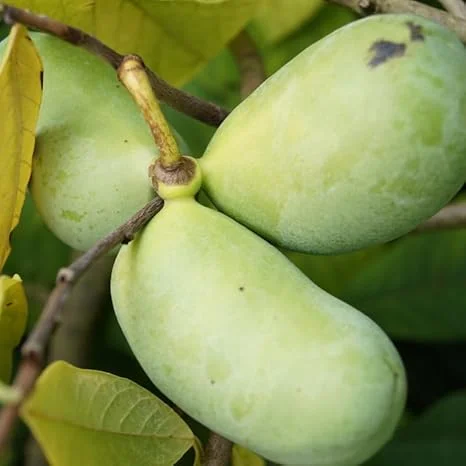
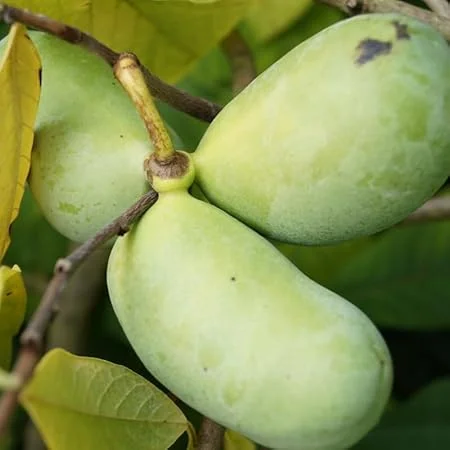
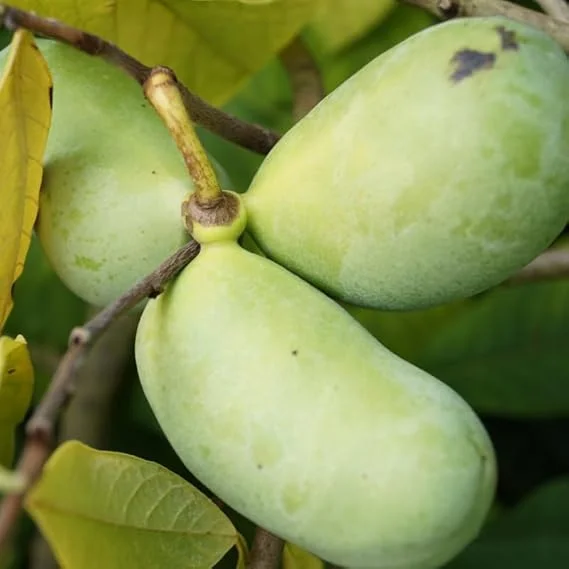
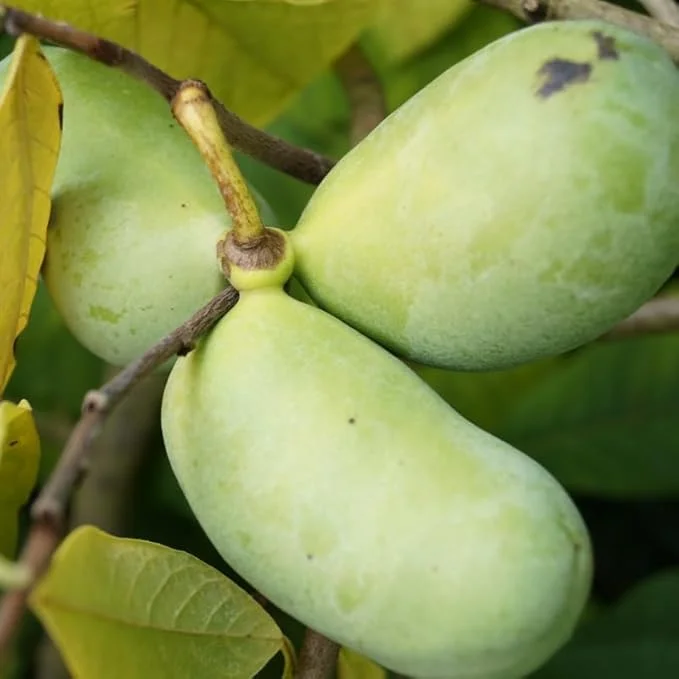
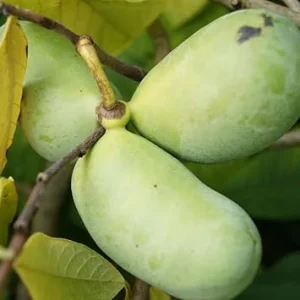
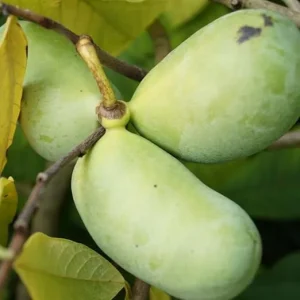
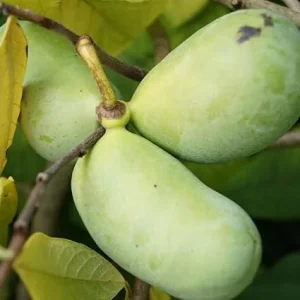
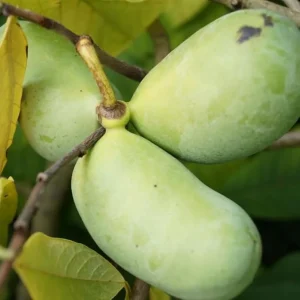
Pawpaw Tree Live Plant (Asimina triloba) – 6 Inches Tall, Dormant, Outdoor Cold Hardy
Bring the unique taste of North America to your garden with this pawpaw tree live plant. This pawpaw fruit tree is provided as a dormant, bare root starter, ideal for spring planting. Enjoy delicious, custard-like fruit from this cold-hardy native.
Original price was: $39.98.$19.99Current price is: $19.99.

With our Alive & Thrive Guarantee, we’ve got your back for the first 30 days! If you have any concerns about your plants, just reach out to us. Our team is here to help answer your questions and guide you in selecting the best plants for your garden, climate, and unique preferences. We're excited to help you create the garden of your dreams!
Estimated arrival
Oct 07
Oct 12 - Oct 14
Oct 17 - Oct 21



Product Details
-
USDA Hardiness Zone
USDA Zones 5-9 -
Soil type
Rich, well-draining soil -
Sunlight Exposure
Full sun to partial shade (full sun for best fruiting) -
Expected Planting Period
Early spring
Overview
Discover the joy of growing your own exotic-tasting fruit with this pawpaw tree live plant. Also known by its botanical name, Asimina triloba, the pawpaw is a remarkable native North American fruit tree renowned for its unique, tropical-like flavor. This offering provides a healthy, dormant bare root starter plant, typically up to 6 inches tall, perfectly prepared for successful spring planting. The pawpaw tree is a fascinating addition to any garden, offering not only delicious fruit but also an interesting botanical specimen. Its resilience and adaptability make it a rewarding choice for both seasoned gardeners and those new to fruit tree cultivation. This pawpaw tree live plant promises to transform your backyard into an edible oasis.
Key Benefits
Cultivating a pawpaw tree offers numerous advantages, from its delicious fruit to its ease of care. This pawpaw tree live plant is an excellent investment for any edible landscape:
- Unique Tropical Flavor: Enjoy sweet, custard-like fruit with a flavor profile often compared to a blend of banana, mango, and pineapple, a true delicacy not commonly found in stores. This makes the pawpaw fruit tree a standout.
- Native & Cold Hardy: As a native North American species, the pawpaw tree is naturally adapted to temperate climates, making it exceptionally cold hardy and resilient in various conditions.
- Easy to Grow: Requiring minimal care once established, these trees are a low-maintenance option for fruit production, thriving without extensive intervention.
- Attracts Wildlife: The fruit and foliage can attract beneficial wildlife, including birds and butterflies, enhancing your garden’s biodiversity.
- Ornamental Value: Beyond its fruit, the pawpaw tree offers attractive foliage and distinctive purplish-brown flowers in spring, adding aesthetic appeal to your landscape.
- Sustainable Gardening: Growing native plants like the asimina triloba plant supports local ecosystems and reduces the need for excessive resources.
- Drought Tolerance: Once established, pawpaw trees exhibit good drought resistance, making them suitable for regions with varying rainfall patterns.
Plant Care & Growing Tips
Caring for your pawpaw tree live plant is relatively straightforward, especially once it’s established. Pawpaws prefer a location with at least six hours of full sun for optimal fruit production, though young trees benefit from partial shade during their first year or two to prevent sunscald. They thrive in rich, well-drained soil with a slightly acidic to neutral pH (6.0-7.0). Amend heavy clay soils with organic matter to improve drainage and aeration. When planting your bare root tree, dig a hole wide enough to accommodate the root system without bending, and deep enough so the root collar is level with the ground.
Water regularly during the first year to help establish the root system, ensuring the soil remains consistently moist but not waterlogged. Once established, pawpaws are quite drought-tolerant but will benefit from supplemental watering during prolonged dry spells, especially when fruiting. Fertilize annually in early spring with a balanced, slow-release fertilizer or compost, being careful not to over-fertilize, which can harm young trees. Pruning is generally minimal, focusing on removing dead, damaged, or crossing branches to maintain good air circulation and tree shape. Protecting young plants from deer and other browsers may be necessary. Understanding proper pawpaw tree care will ensure a thriving and productive tree for years to come.
Size & Details
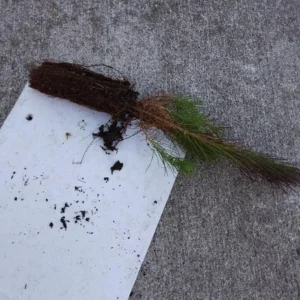
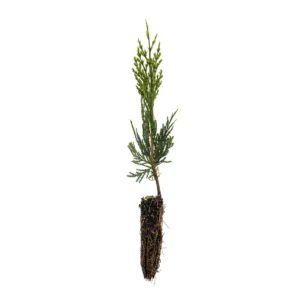
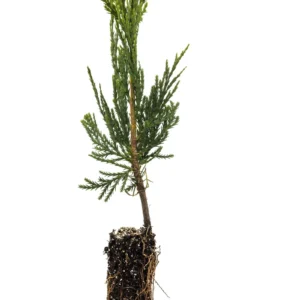
This offering is for one pawpaw tree live plant, typically measuring up to 6 inches in height upon arrival. The plant is shipped dormant and bare root during the winter months, which is the ideal state for transplanting and ensures minimal stress. Being dormant means the plant will not have leaves and will appear to be a stick, but it is a healthy, living plant ready to emerge in spring. The size of the starter plant makes it easy to handle and establish in your garden. Pawpaw trees are known for their moderate growth rate, eventually reaching heights of 15-20 feet with a similar spread, creating an attractive, shade-producing canopy. Expect to see significant growth in its first few years, with fruit production typically beginning within 3-5 years after planting. This cold hardy pawpaw is perfect for starting your own backyard orchard.
Frequently Asked Questions
- Q: How big does this plant get? A: This pawpaw tree live plant is a starter plant, typically up to 6 inches tall upon arrival. Mature pawpaw trees can reach heights of 15-20 feet with a similar spread, forming a small to medium-sized tree.
- Q: Is this an indoor or outdoor plant? A: The pawpaw tree is an outdoor plant, native to North America. It is a cold hardy pawpaw and requires outdoor conditions to thrive and produce fruit.
- Q: How much sunlight does it need? A: Pawpaw trees prefer at least 6 hours of full sun for best fruit production. Young trees benefit from partial shade during their first year to prevent sunscald.
- Q: What condition will it arrive in? A: Your pawpaw tree live plant will arrive dormant and bare root, especially during the winter. This means it will not have leaves and is in a resting state, ready for spring planting.
- Q: When is the best time to plant? A: The best time to plant a dormant, bare root pawpaw tree is in early spring, as soon as the ground can be worked and before new growth begins.
- Q: Is this plant easy to care for? A: Yes, pawpaw trees are considered relatively easy to care for once established. They are low-maintenance and quite resilient, making pawpaw tree care manageable for most gardeners.
- Q: Will it survive winter in my zone? A: Pawpaw trees are exceptionally cold hardy, typically thriving in USDA Zones 5-9. They are well-adapted to temperate climates and can withstand significant winter cold.
- Q: What is the scientific name for this plant? A: The scientific name for the pawpaw tree is Asimina triloba. This asimina triloba plant is a unique and valuable addition to any garden.
Related products
-50%
Original price was: $73.98.$36.99Current price is: $36.99.
-42%
Original price was: $56.99.$33.29Current price is: $33.29.
PLANTING & CARE
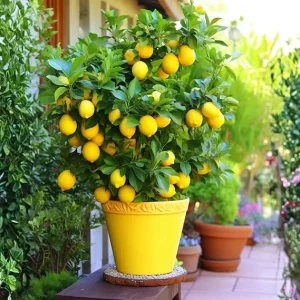
Lemon Tree Growing: Choose, Plant, and Harvest
Learn how to choose, plant, feed, and protect a lemon tree so it fits your
23
Sep
Sep
Dwarf Meyer Lemon Tree Australia: Climate Guide
Learn where dwarf Meyer lemon trees grow, how much cold they tolerate, and whether Australia,
Where to Buy a Dwarf Meyer Lemon Tree: Buyer’s Guide
Find the right dwarf Meyer lemon tree online or locally, compare starter sizes and costs,
Dwarf Meyer Lemon Tree for Sale: Buying Guide
Compare Meyer lemon tree sizes, prices, shipping limits, indoor growing and California options before you
Dwarf Meyer Lemon Tree Guide: Size, Care and Fruit
META: Learn how large a dwarf Meyer lemon tree grows, where it thrives, and how
How to Prune a Dwarf Meyer Lemon Tree
Learn when and how to prune a dwarf Meyer lemon tree, including tools, shaping cuts,
Can You Grow a Dwarf Meyer Lemon Tree in a Pot?
META: Learn how to grow a dwarf Meyer lemon tree in a pot, including container
When Do Dwarf Meyer Lemon Trees Bloom and Fruit?
META: Dwarf Meyer lemon trees usually bloom from winter through spring and may flower again