Peegee Hydrangea Live Plant – Grandiflora Flowering Shrub – 15-24″ Quart Pot – Outdoor
-10%
Peegee Hydrangea Live Plant – Grandiflora Flowering Shrub – 15-24″ Quart Pot – Outdoor
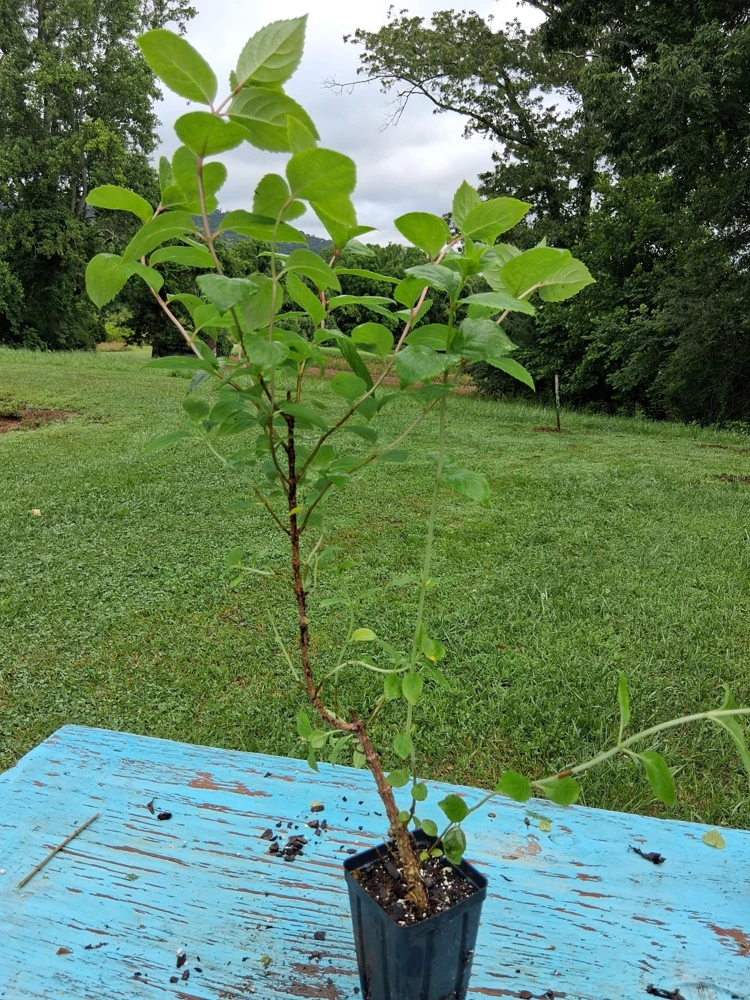
Enhance your landscape with a beautiful Peegee Hydrangea live plant, a vigorous Grandiflora flowering shrub. This 15-24 inch specimen arrives in a quart pot, ready to create stunning hedges or serve as an elegant small tree. Known for its fast growth and adaptability, it’s an excellent choice for adding lasting beauty to your outdoor space.
Original price was: $28.00.$25.20Current price is: $25.20.

With our Alive & Thrive Guarantee, we’ve got your back for the first 30 days! If you have any concerns about your plants, just reach out to us. Our team is here to help answer your questions and guide you in selecting the best plants for your garden, climate, and unique preferences. We're excited to help you create the garden of your dreams!
Estimated arrival
Oct 14
Oct 19 - Oct 21
Oct 24 - Oct 28

Product Details
-
USDA Hardiness Zone
USDA Zones 3-8 -
Soil type
Moist, well-draining soil -
Sunlight Exposure
Full sun to part shade -
Expected Planting Period
Spring to early fall
Overview
The Peegee Hydrangea live plant, scientifically known as Hydrangea paniculata ‘Grandiflora’, is a magnificent and versatile deciduous shrub that can also be trained into a striking small tree. Renowned for its large, conical flower clusters, this Grandiflora flowering shrub brings a touch of classic elegance to any garden. Originating from Japan and China, the Peegee Hydrangea has been a beloved garden staple for generations, celebrated for its robust nature and spectacular bloom display. It’s an ideal choice for creating impressive focal points, privacy screens, or as a vibrant backdrop in mixed borders. Its adaptability to various soil conditions and its hardiness make it a favorite among gardeners looking for a low-maintenance yet high-impact plant.
When you receive your Peegee Hydrangea live plant, it will be a healthy specimen, typically dormant from October to April, ready to burst into life with the warmth of spring. This particular variety is known for its impressive size at maturity, capable of reaching up to 25 feet tall if left unpruned, offering significant vertical interest and shade. However, it responds beautifully to pruning, allowing you to maintain a desired shape and size, whether you prefer a compact shrub or a multi-stemmed small tree. Its ease of care and stunning floral show make it a perfect addition for both seasoned gardeners and beginners eager to cultivate a beautiful outdoor space.
Key Benefits
Adding a Peegee Hydrangea live plant to your garden offers a multitude of benefits, transforming your outdoor area into a vibrant and inviting sanctuary. This particular variety, the Grandiflora flowering shrub, stands out for several compelling reasons:
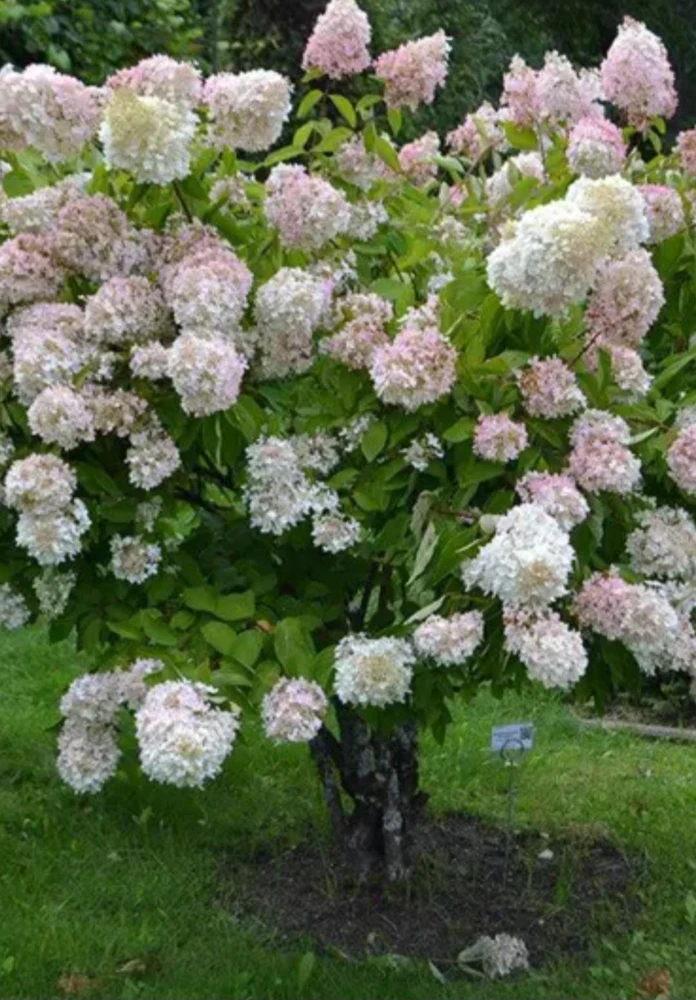
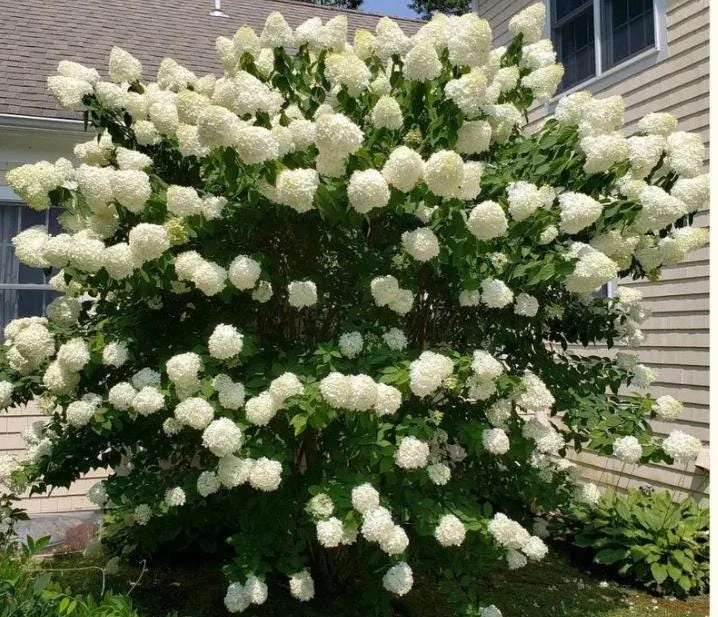
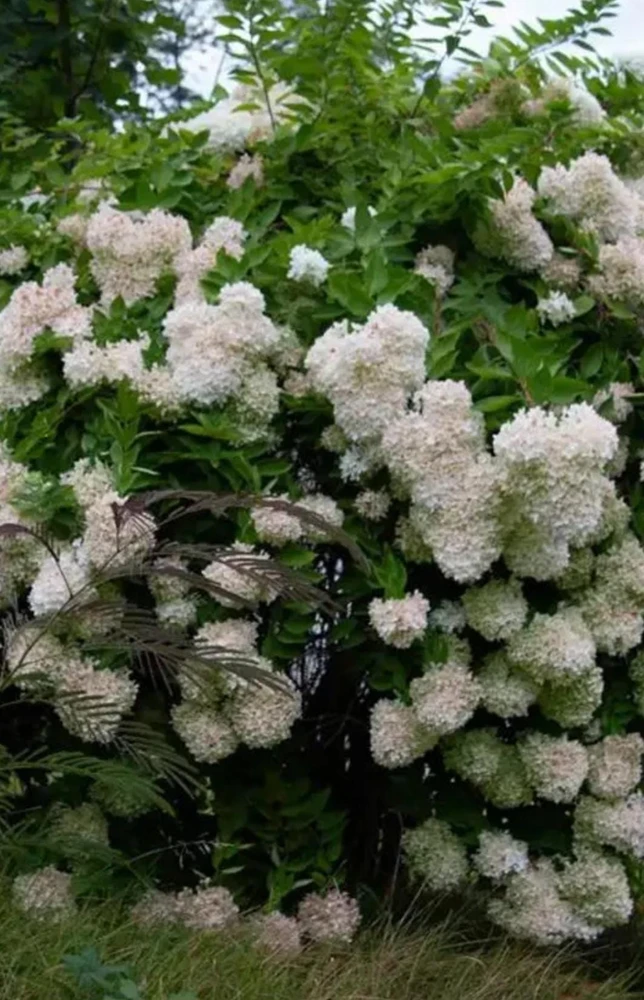
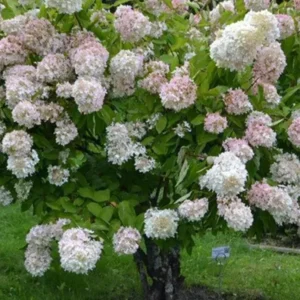
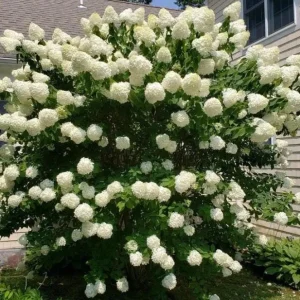
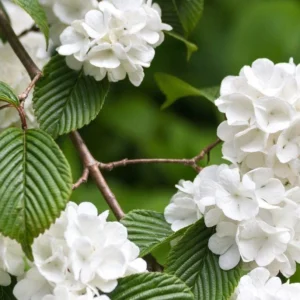
- Spectacular Blooms: Enjoy an extended season of breathtaking white flowers that gradually mature to a beautiful pink. These large, conical blooms are a true showstopper, providing continuous visual interest from summer into fall, making your garden a focal point.
- Versatile Landscaping: This adaptable shrub can be grown as a specimen plant, massed for a dramatic hedge, used as a property border, or even trained into a charming small tree. Its flexible growth habit makes it suitable for various garden designs and landscape needs.
- Fast Growing & Robust: The Peegee Hydrangea live plant is known for its vigorous growth rate, quickly establishing itself and adding significant structure and beauty to your landscape within a few seasons. It’s a hardy plant, resilient to many common garden challenges.
- Low Maintenance: Once established, this hydrangea requires minimal care, thriving with basic watering and occasional pruning. Its resilience makes it an excellent choice for gardeners seeking high reward with less effort. Understanding Peegee Hydrangea care is straightforward and rewarding.
- Attracts Pollinators: The abundant flowers of the Grandiflora flowering shrub are a magnet for bees and butterflies, contributing to the biodiversity and health of your garden ecosystem.
- Seasonal Interest: Beyond its summer blooms, the Peegee Hydrangea offers winter interest with its dried flower heads, which can remain on the plant, providing texture and form in the dormant landscape.
- Adaptable to Sun Exposure: While it thrives in full sun to part shade, the Peegee Hydrangea is more tolerant of sun than many other hydrangea varieties, making it suitable for a wider range of garden locations.
Plant Care & Growing Tips
Proper Peegee Hydrangea care ensures a healthy, flourishing plant with abundant blooms. This hardy shrub is relatively easy to grow, making it a great choice for various skill levels. First, choose an appropriate planting site. The Peegee Hydrangea thrives in moist, well-drained soils. While it can tolerate a range of soil types, it prefers slightly acidic to neutral pH. Amend heavy clay soils with organic matter to improve drainage, and sandy soils to enhance water retention. Ensure the location receives full sun to part shade; in hotter climates, afternoon shade can help protect the blooms from scorching, especially for a large flowering shrub like this.
Watering is crucial, especially during the establishment phase and dry periods. Keep the soil consistently moist but never waterlogged. Deep watering once or twice a week is generally better than frequent shallow watering, encouraging deeper root growth. Fertilize in early spring with a balanced, slow-release granular fertilizer formulated for flowering shrubs. Avoid over-fertilizing, as this can lead to excessive foliage growth at the expense of flowers. Pruning is best done in late winter or early spring before new growth begins, as Peegee Hydrangeas bloom on new wood. You can prune to maintain shape, control size, or remove dead or weak branches. This also promotes stronger stems to support the large flower heads. For an impressive outdoor hydrangea, consistent care is key.
While generally robust, monitor your Peegee Hydrangea live plant for common pests like aphids or spider mites, and diseases such as powdery mildew, especially in humid conditions. Good air circulation and proper spacing can help prevent fungal issues. This variety is quite cold-hardy, typically thriving in USDA Zones 3-8, making it a reliable choice for many regions across the US. Protecting young plants with mulch in winter can help insulate the roots. With these simple care guidelines, your Grandiflora flowering shrub will provide years of stunning beauty.
Size & Details
This offering is for a healthy Peegee Hydrangea live plant, measuring approximately 15-24 inches in height from the top of the soil, provided in a quart-sized nursery pot. These plants are shipped in a dormant state from October through April, ensuring they are ready to establish and grow vigorously in your garden upon arrival. The ‘Grandiflora’ variety is known for its impressive mature size, capable of reaching heights of up to 25 feet and a similar spread if allowed to grow naturally. However, it can be easily pruned to maintain a smaller, more manageable size, making it versatile for various landscape applications, whether as a compact shrub or a stately small tree. Its fast growth rate means you won’t have to wait long to enjoy its full beauty.
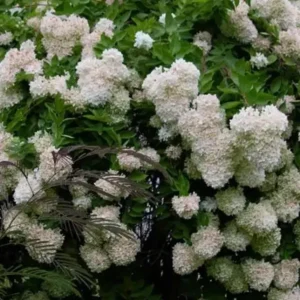
The large, conical flower clusters typically emerge in mid-summer, starting as creamy white and gradually transitioning to shades of pink in the fall. This extended bloom period provides continuous visual interest throughout the growing season. The plant’s robust root system will quickly establish once planted in suitable conditions, leading to a strong and resilient large flowering shrub. Expect your plant to begin producing its characteristic blooms within the first one to two years after planting, with increasingly abundant displays as it matures. This outdoor hydrangea is a long-lived addition to any garden.
Frequently Asked Questions
- Q: How big does this plant get? A: The Peegee Hydrangea live plant can reach impressive heights of up to 25 feet and a similar spread if left unpruned. However, it is very responsive to pruning and can be maintained at a much smaller size, depending on your landscape needs.
- Q: What size pot does it come in? A: This Grandiflora flowering shrub is shipped in a quart-sized nursery pot, with the plant itself measuring between 15-24 inches tall upon arrival. This size is ideal for transplanting directly into your garden or a larger container.
- Q: Is this an indoor or outdoor plant? A: The Peegee Hydrangea is primarily an outdoor hydrangea. It requires outdoor conditions to thrive and complete its natural growth cycle, including dormancy.
- Q: How much sunlight does it need? A: This large flowering shrub performs best in full sun to part shade. In regions with intense summer heat, some afternoon shade can help protect its blooms and foliage from scorching.
- Q: Is this plant easy to care for? A: Yes, Peegee Hydrangea care is considered relatively easy. It’s a robust and adaptable plant, making it suitable for both experienced gardeners and those new to gardening. Basic watering, appropriate sunlight, and annual pruning are usually sufficient.
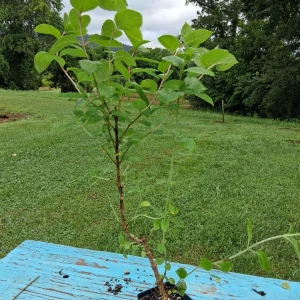
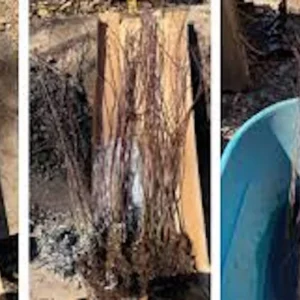
- Q: What condition will it arrive in? A: During the dormant season (October-April), the plant will arrive without leaves, appearing as a bundle of sticks. This is completely normal and indicates a healthy, dormant plant ready to sprout new growth in spring. During the growing season, it will arrive with foliage.
- Q: When is the best time to plant? A: The best time to plant your Peegee Hydrangea live plant is in spring or early fall, allowing the roots to establish before extreme summer heat or winter cold. However, container-grown plants can be planted any time the ground is not frozen.
- Q: Will it survive winter in my zone? A: Peegee Hydrangeas are very cold-hardy, typically thriving in USDA Zones 3-8. They are well-equipped to survive cold winters in these zones and will return vigorously each spring.
- Q: What are the flowers like? A: The flowers of this Grandiflora flowering shrub are large, conical clusters that emerge creamy white in mid-summer and gradually turn pink as they age, providing a long-lasting and beautiful display into the fall.
- Q: Can I use this for a hedge? A: Absolutely! The Peegee Hydrangea is an excellent choice for creating a dense and beautiful hedge or property border due to its fast growth and large size.
Related products
-50%
Original price was: $49.98.$24.99Current price is: $24.99.
-60%
Original price was: $53.99.$21.59Current price is: $21.59.
-50%

Original price was: $133.98.$66.99Current price is: $66.99.
-50%
Original price was: $63.00.$31.50Current price is: $31.50.
-43%
Original price was: $89.99.$50.99Current price is: $50.99.
-45%
Original price was: $220.00.$121.00Current price is: $121.00.
PLANTING & CARE
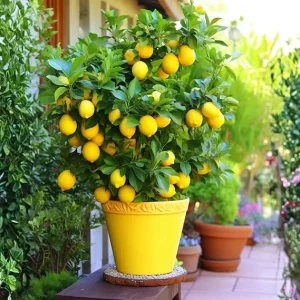
Lemon Tree Growing: Choose, Plant, and Harvest
Learn how to choose, plant, feed, and protect a lemon tree so it fits your
23
Sep
Sep
Dwarf Meyer Lemon Tree Australia: Climate Guide
Learn where dwarf Meyer lemon trees grow, how much cold they tolerate, and whether Australia,
Where to Buy a Dwarf Meyer Lemon Tree: Buyer’s Guide
Find the right dwarf Meyer lemon tree online or locally, compare starter sizes and costs,
Dwarf Meyer Lemon Tree for Sale: Buying Guide
Compare Meyer lemon tree sizes, prices, shipping limits, indoor growing and California options before you
Dwarf Meyer Lemon Tree Guide: Size, Care and Fruit
META: Learn how large a dwarf Meyer lemon tree grows, where it thrives, and how
How to Prune a Dwarf Meyer Lemon Tree
Learn when and how to prune a dwarf Meyer lemon tree, including tools, shaping cuts,
Can You Grow a Dwarf Meyer Lemon Tree in a Pot?
META: Learn how to grow a dwarf Meyer lemon tree in a pot, including container
When Do Dwarf Meyer Lemon Trees Bloom and Fruit?
META: Dwarf Meyer lemon trees usually bloom from winter through spring and may flower again