Buttonbush Shrub 2-3′ Live Plant – Cephalanthus Occidentalis, Pollinator Friendly
-10%
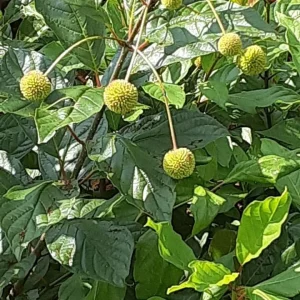
Buttonbush Shrub 2-3′ Live Plant – Cephalanthus Occidentalis, Pollinator Friendly
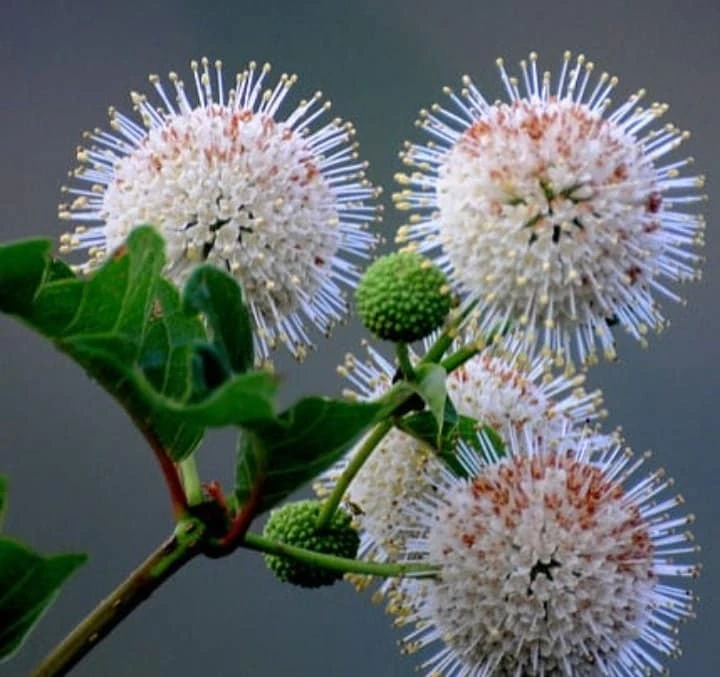
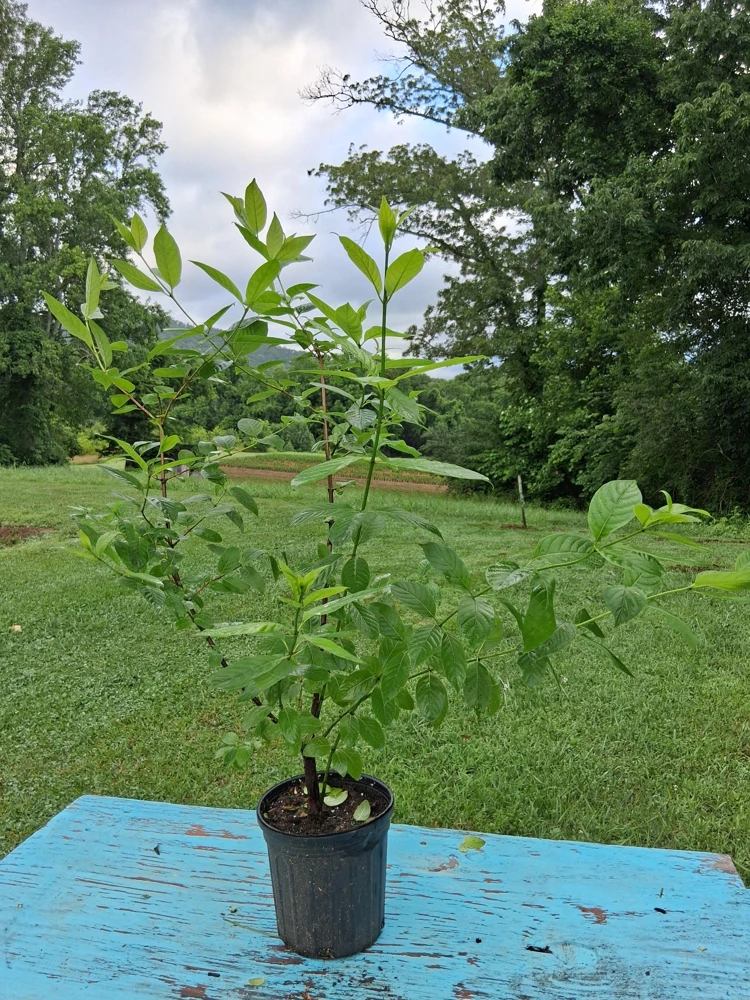
Bring home a vibrant buttonbush live plant, a native pollinator shrub known for its unique globe-like flowers. This 2-3′ Cephalanthus occidentalis thrives in moist soil and full sun to part shade, attracting bees and butterflies to your garden. Ideal for hedges or borders, providing year-round interest.
Original price was: $70.00.$63.00Current price is: $63.00.

With our Alive & Thrive Guarantee, we’ve got your back for the first 30 days! If you have any concerns about your plants, just reach out to us. Our team is here to help answer your questions and guide you in selecting the best plants for your garden, climate, and unique preferences. We're excited to help you create the garden of your dreams!
Estimated arrival
Oct 14
Oct 19 - Oct 21
Oct 24 - Oct 28
Product Details
-
USDA Hardiness Zone
USDA Zones 5-9 -
Soil type
Moist to wet, adaptable to various types -
Sunlight Exposure
Full sun to part shade -
Expected Planting Period
Spring to Fall
Overview
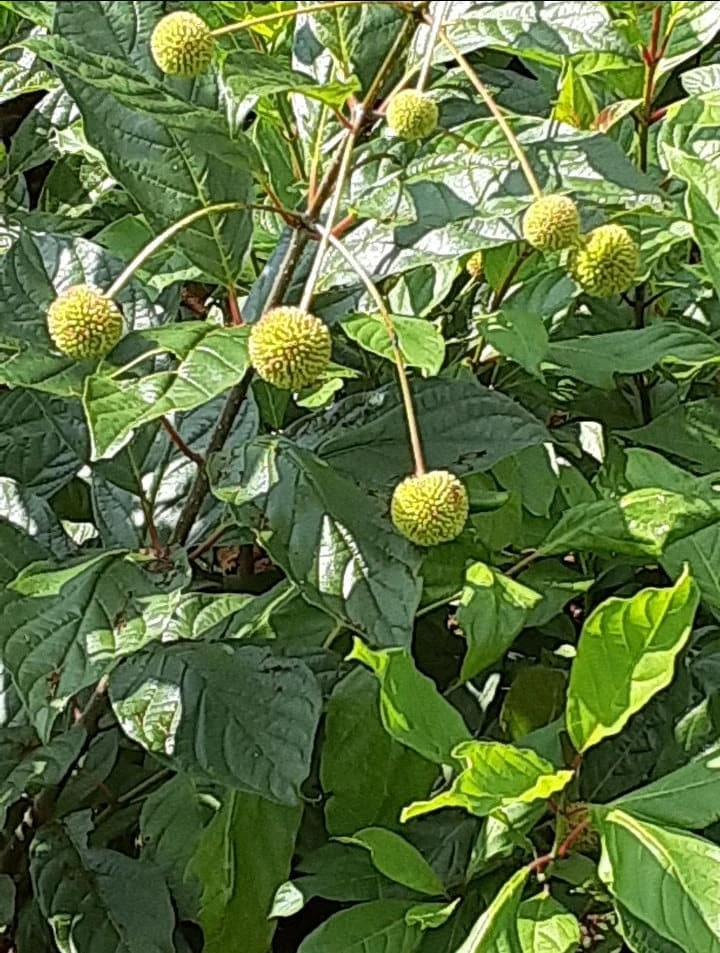
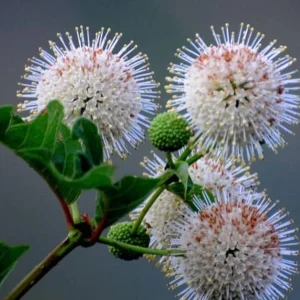
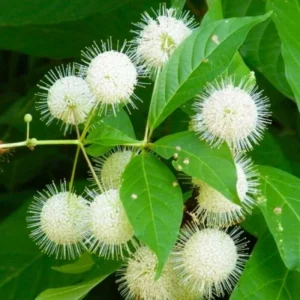
Introduce the captivating buttonbush live plant (Cephalanthus occidentalis) to your garden and create a haven for local wildlife. This robust and versatile native shrub, often called the ‘honey-ball bush’ due to its distinct spherical, fragrant white flowers, is a powerhouse for pollinators. Growing to a manageable 2-3 feet in its trade gallon container, this Cephalanthus occidentalis specimen is ready to establish itself in your landscape. Not only does it offer significant ecological benefits by providing food for bees, butterflies, and other beneficial insects, but its unique appearance also adds considerable aesthetic appeal to any setting. The buttonbush is a truly four-season plant, offering intriguing texture even in winter with its persistent seed heads, making it a valuable addition for year-round interest and ecological support.
This particular buttonbush live plant is a fantastic choice for gardeners looking to support local ecosystems while enjoying a low-maintenance, visually appealing shrub. Its adaptability to various soil types and moisture levels makes it a resilient option for many different garden designs, from rain gardens to traditional borders. The common name ‘buttonbush’ perfectly describes its charming, pin-cushion-like blooms that emerge in summer, creating a spectacular display that is irresistible to a wide array of pollinators. Embrace the beauty and ecological importance of this remarkable native shrub.
Key Benefits
The buttonbush live plant offers a multitude of advantages for both the gardener and the environment. Its unique characteristics make it a standout choice for sustainable landscaping:
- Exceptional Pollinator Attractor: The fragrant, globe-shaped flowers of Cephalanthus occidentalis are a magnet for native bees, honeybees, butterflies, and other beneficial insects, making it an essential plant for supporting local biodiversity and enhancing garden health.
- Adaptable to Various Conditions: This resilient shrub tolerates a wide range of soil conditions, including consistently wet areas, making it perfect for rain gardens, pond edges, or areas with poor drainage. It’s truly a versatile moist soil plant.
- Year-Round Interest: Beyond its summer blooms, the buttonbush features attractive foliage, interesting seed heads that persist into winter, and a graceful growth habit, ensuring your garden remains engaging throughout all four seasons.
- Low Maintenance & Hardy: Once established, the native pollinator shrub requires minimal care. It is naturally resistant to many pests and diseases and thrives in USDA Zones 5-9, making it a reliable choice for temperate climates.
- Versatile Landscape Use: Its mature size and adaptability make it suitable for various landscape applications, including hedges, borders, screens, or as a striking specimen plant. It also works well in naturalized areas and wildlife gardens.
- Erosion Control: Due to its preference for moist conditions and strong root system, the buttonbush can be effective in stabilizing soil along stream banks or in other erosion-prone areas.
Plant Care & Growing Tips
Caring for your buttonbush live plant is relatively straightforward, thanks to its robust and adaptable nature. For optimal growth and prolific flowering, understanding its basic needs is key. This shrub thrives in locations that receive full sun to part shade. ‘Full sun’ typically means at least six hours of direct sunlight per day, while ‘part shade’ implies 3-6 hours, often with protection from intense afternoon sun. While it can tolerate some shade, more sun generally leads to more abundant blooms and a denser growth habit. When planting, ensure the site offers adequate space for its mature height of 8-12 feet and width of 4-8 feet.
The Cephalanthus occidentalis is particularly fond of moist to wet soil conditions, making it an excellent candidate for areas where other plants might struggle, such as along pond margins, stream banks, or in rain gardens. While it prefers consistently moist soil, it can adapt to average garden soils once established, provided they don’t dry out completely for extended periods. Good drainage is still important to prevent root rot in heavier soils. Fertilization is generally not necessary, especially in rich garden soils; however, a light application of a balanced, slow-release granular fertilizer in early spring can promote vigorous growth if your soil is poor. Pruning can be done in late winter or early spring to maintain shape, remove dead or damaged branches, or to encourage a bushier form. This helps ensure a healthy and attractive native pollinator shrub for years to come.
Size & Details
This offering is for a buttonbush live plant, typically measuring 2-3 feet in height when shipped, and provided in a trade gallon container. This size ensures a well-established root system, allowing for a smooth transition to your garden. At maturity, the Cephalanthus occidentalis can reach an impressive height of 8-12 feet with a spread of 4-8 feet, forming a substantial and attractive shrub. Its growth rate is moderate, allowing it to reach its full potential within a few years while offering a consistent display of its unique flowers and foliage. The plant is hardy in USDA Zones 5-9, making it suitable for a wide range of climates across the United States. This resilient moist soil plant is an excellent long-term investment for any gardener.
Expect vibrant green foliage throughout the growing season, with the iconic spherical white flowers appearing from early to late summer, followed by attractive reddish-brown seed heads that provide winter interest and food for birds. This buttonbush care guide ensures you understand its full potential and how to integrate it into your landscape effectively. It’s a truly dynamic plant that evolves with the seasons, offering continuous appeal.
Frequently Asked Questions
- Q: How big does this buttonbush live plant get at maturity? A: This shrub, Cephalanthus occidentalis, typically reaches a mature height of 8-12 feet and a width of 4-8 feet. Its size makes it suitable for hedges, screens, or as a standalone specimen.
- Q: Is this an indoor or outdoor plant? A: The buttonbush is an outdoor plant, native to North America. It thrives in various outdoor garden settings and is hardy in USDA Zones 5-9.
- Q: How much sunlight does the native pollinator shrub need? A: Buttonbush performs best in full sun (at least 6 hours of direct sunlight daily) to part shade (3-6 hours of sun, often with afternoon protection). More sun generally results in more flowers.
- Q: Is this plant easy to care for? Is it good for beginners? A: Yes, the buttonbush is considered a low-maintenance and easy-to-care-for shrub, making it an excellent choice for beginner gardeners. Its adaptability and disease resistance contribute to its ease of care.
- Q: What condition will the buttonbush live plant arrive in? A: Your buttonbush will arrive as a healthy, live plant, typically 2-3 feet tall, in a trade gallon container with its root ball intact and ready for planting.
- Q: How long until it blooms? A: Depending on when it’s planted and its age, your buttonbush may bloom in its first year, or in the subsequent growing season. It typically flowers from early to late summer.
- Q: Will it survive winter in my zone? A: The buttonbush is hardy in USDA Zones 5-9. If you are within these zones, it should successfully overwinter and return in the spring.
- Q: What kind of soil does Cephalanthus occidentalis prefer? A: This plant prefers consistently moist to wet soil, but it is adaptable to various soil types, including clay, loam, and sand, as long as moisture is retained. It’s a true moist soil plant.
- Q: Can the buttonbush care instructions be simplified? A: In essence, provide plenty of sun, keep the soil consistently moist, and prune in late winter/early spring for shape. It’s a very forgiving plant!
- Q: What are the main benefits of planting a native pollinator shrub like the buttonbush? A: The primary benefits include attracting a wide range of pollinators, providing year-round garden interest, offering low-maintenance care, and adapting to various soil conditions, especially moist ones.
Related products
-45%
Original price was: $220.00.$121.00Current price is: $121.00.
-50%
Original price was: $59.98.$29.99Current price is: $29.99.
-50%
Original price was: $83.00.$41.50Current price is: $41.50.
-20%
Original price was: $36.00.$28.80Current price is: $28.80.
-42%
Original price was: $43.99.$25.59Current price is: $25.59.
-43%
Original price was: $89.99.$50.99Current price is: $50.99.
PLANTING & CARE
Lemon Tree Growing: Choose, Plant, and Harvest
Learn how to choose, plant, feed, and protect a lemon tree so it fits your
23
Sep
Sep
Dwarf Meyer Lemon Tree Australia: Climate Guide
Learn where dwarf Meyer lemon trees grow, how much cold they tolerate, and whether Australia,
Where to Buy a Dwarf Meyer Lemon Tree: Buyer’s Guide
Find the right dwarf Meyer lemon tree online or locally, compare starter sizes and costs,
Dwarf Meyer Lemon Tree for Sale: Buying Guide
Compare Meyer lemon tree sizes, prices, shipping limits, indoor growing and California options before you
Dwarf Meyer Lemon Tree Guide: Size, Care and Fruit
META: Learn how large a dwarf Meyer lemon tree grows, where it thrives, and how
How to Prune a Dwarf Meyer Lemon Tree
Learn when and how to prune a dwarf Meyer lemon tree, including tools, shaping cuts,
Can You Grow a Dwarf Meyer Lemon Tree in a Pot?
META: Learn how to grow a dwarf Meyer lemon tree in a pot, including container
When Do Dwarf Meyer Lemon Trees Bloom and Fruit?
META: Dwarf Meyer lemon trees usually bloom from winter through spring and may flower again