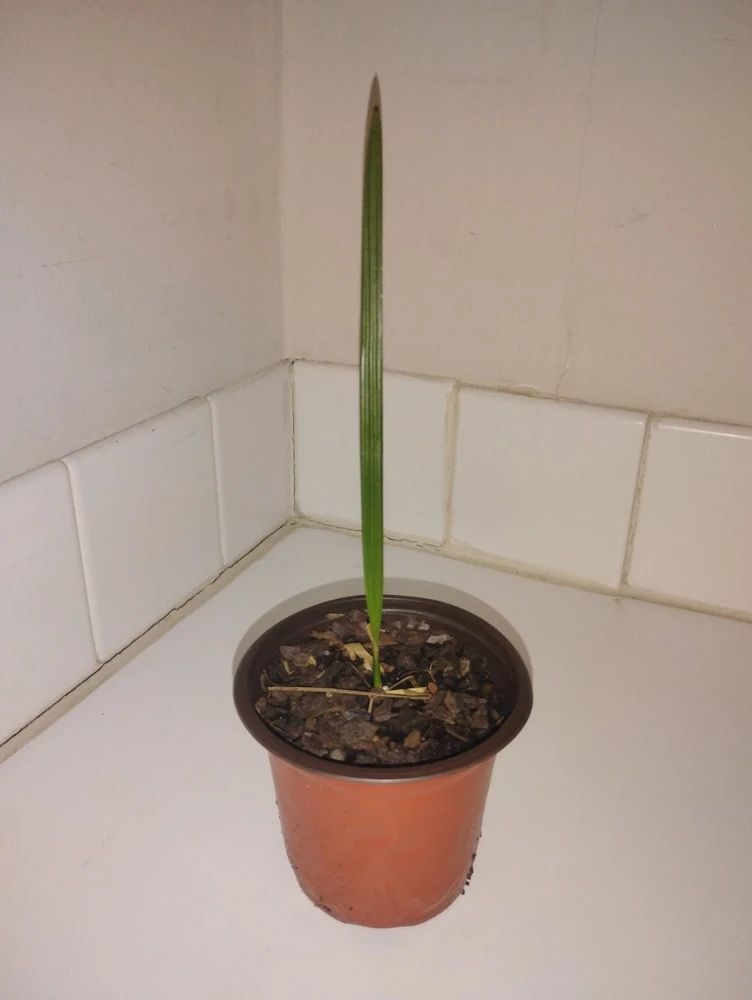
Pindo Palm Tree Live Plant – 4″ Pot – Outdoor Butia Capitata – 12 inches tall
-27%
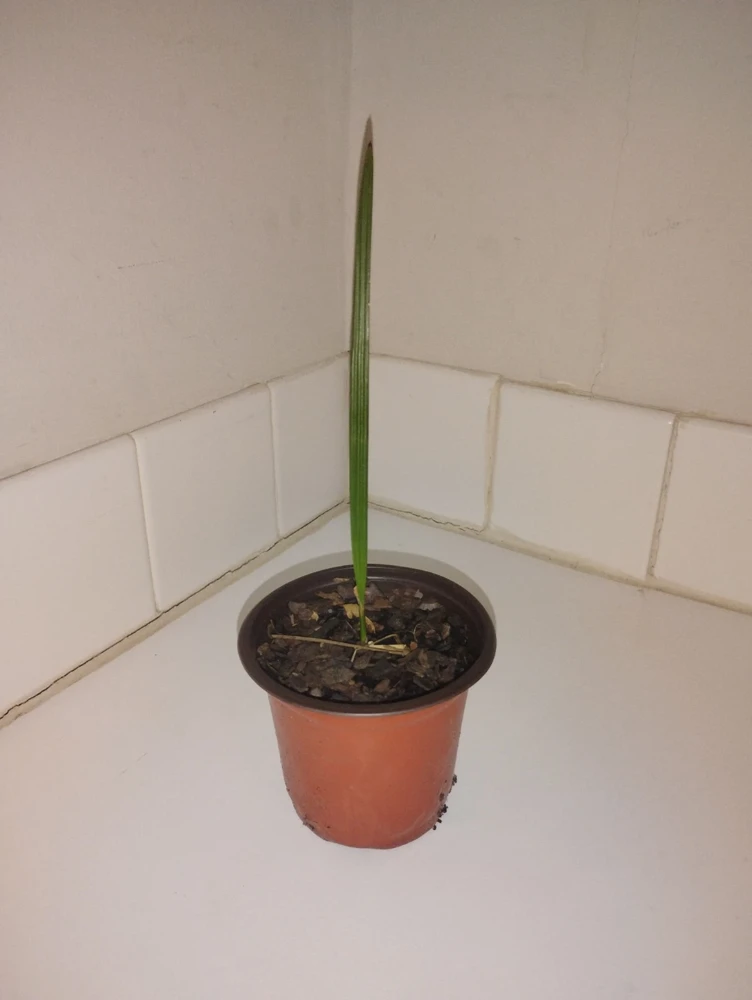
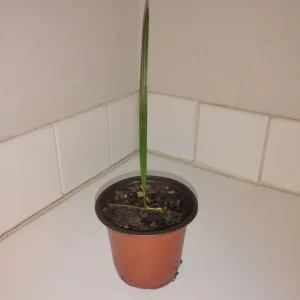
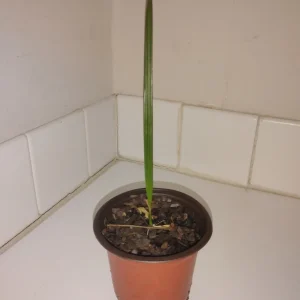
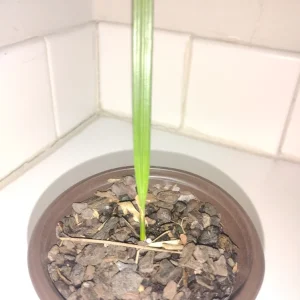
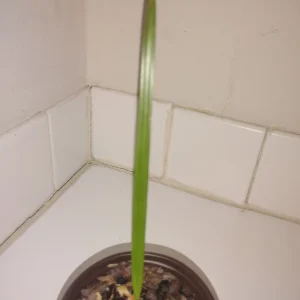
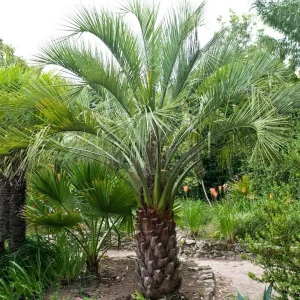
Pindo Palm Tree Live Plant – 4″ Pot – Outdoor Butia Capitata – 12 inches tall
Bring a touch of the tropics to your garden with this vibrant pindo palm tree. This 4-inch potted butia capitata sapling is an excellent choice for outdoor landscaping, offering unique fanning fronds and a medium growth rate. Enjoy its beauty year-round.
Original price was: $21.98.$15.99Current price is: $15.99.

With our Alive & Thrive Guarantee, we’ve got your back for the first 30 days! If you have any concerns about your plants, just reach out to us. Our team is here to help answer your questions and guide you in selecting the best plants for your garden, climate, and unique preferences. We're excited to help you create the garden of your dreams!
Estimated arrival
Oct 14
Oct 19 - Oct 21
Oct 24 - Oct 28
Product Details
-
USDA Hardiness Zone
USDA Zones 8-10 -
Soil type
Well-draining chalk, clay, loam, peat, sand, or silt -
Sunlight Exposure
Full Sun, Medium Sun -
Expected Planting Period
Spring to Summer
Overview
Transform your outdoor space with the stunning pindo palm tree, a true gem for any landscape. This offering is for one live pindo palm tree sapling, meticulously grown and delivered in a 4-inch pot, ready for planting. Also known scientifically as Butia capitata, or commonly as the Jelly Palm, this resilient and attractive palm is celebrated for its distinctive fanning fronds and relatively compact size, making it a versatile choice for various garden designs. Originating from South America, the butia capitata has become a beloved addition to gardens across the United States, particularly in warmer climates. Its robust nature and charming appearance ensure it will be a focal point in your outdoor sanctuary, providing a tropical ambiance and enduring beauty.
The pindo palm tree is a fantastic specimen for those looking to add architectural interest and a lush, exotic feel to their property. It’s a true outdoor plant, thriving in full to medium sun exposure and capable of adapting to a range of soil types. This particular sapling stands approximately 12 inches tall, representing a healthy start for a plant that will mature into a magnificent tree. Its green and orange hues, combined with its unique growth habit, make it an eye-catching addition. Whether you’re an experienced gardener or just starting, the pindo palm tree offers a rewarding growing experience with relatively low maintenance.
Key Benefits
The pindo palm tree offers numerous advantages for the discerning gardener, enhancing both the aesthetic and ecological value of your outdoor environment. Choosing this butia capitata means investing in a plant that provides year-round appeal and contributes positively to your landscape.
- Tropical Aesthetic: Instantly creates a lush, tropical paradise feel in your garden with its distinctive fanning fronds and stately presence, making it a perfect outdoor palm tree.
- Hardy & Resilient: Known for its cold hardiness compared to many other palms, it can withstand cooler temperatures, extending its suitability to a wider range of USDA zones. This makes it a great cold hardy palm option.
- Low Maintenance: Once established, the pindo palm tree requires minimal care, making it an ideal choice for busy gardeners who desire beauty without constant upkeep.
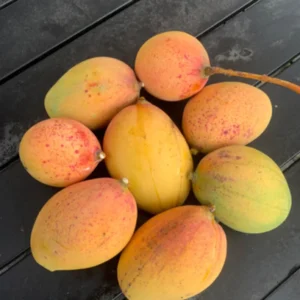
- Year-Round Interest: With its evergreen foliage and potential for attractive orange fruits (often used to make jelly), it provides visual interest in all seasons.
- Versatile Landscaping: Suitable for a variety of landscape applications, from a standalone specimen to accenting borders, driveways, or pool areas.
- Pet and Child Safe: This plant is noted as being child and pet safe, offering peace of mind for families with curious pets or young children exploring the garden.
- Adaptable to Soil Types: Thrives in a wide range of soil conditions, including chalk, clay, loam, peat, sand, and silt, as long as it has good drainage.
Plant Care & Growing Tips
Caring for your pindo palm tree is straightforward, ensuring it flourishes into a beautiful specimen in your garden. This butia capitata prefers a consistent care routine to establish strong roots and healthy growth. For optimal development, provide ample sunlight and pay attention to its watering needs, especially during its sapling stage.
For sunlight, the pindo palm tree thrives in full sun to medium sun exposure. This means it should receive at least 6 hours of direct sunlight per day to encourage robust growth and vibrant foliage. While it can tolerate some partial shade, too little sun may result in slower growth and less vigorous fronds. When it comes to watering, this palm prefers light watering. Allow the top inch or two of soil to dry out between waterings, and then water thoroughly. Avoid overwatering, as this can lead to root rot. The Pindo Palm is adaptable to various soil types including chalk, clay, loam, peat, sand, and silt, but it absolutely requires well-draining soil with a neutral pH to prevent waterlogging. It is a cold hardy palm, generally thriving in USDA Zones 8-10, though some varieties can tolerate Zone 7 with protection. It prefers subtropical to temperate climates.
Fertilization is beneficial, especially during the growing seasons of spring and summer. Use a slow-release palm-specific fertilizer according to the product instructions. Common problems are rare for established Pindo Palms, but watch for signs of nutrient deficiencies, which can be corrected with appropriate fertilization. Ensure good air circulation around the plant to prevent fungal issues. This jelly palm plant is relatively low maintenance once mature, making it an excellent long-term addition to your landscape.
Size & Details
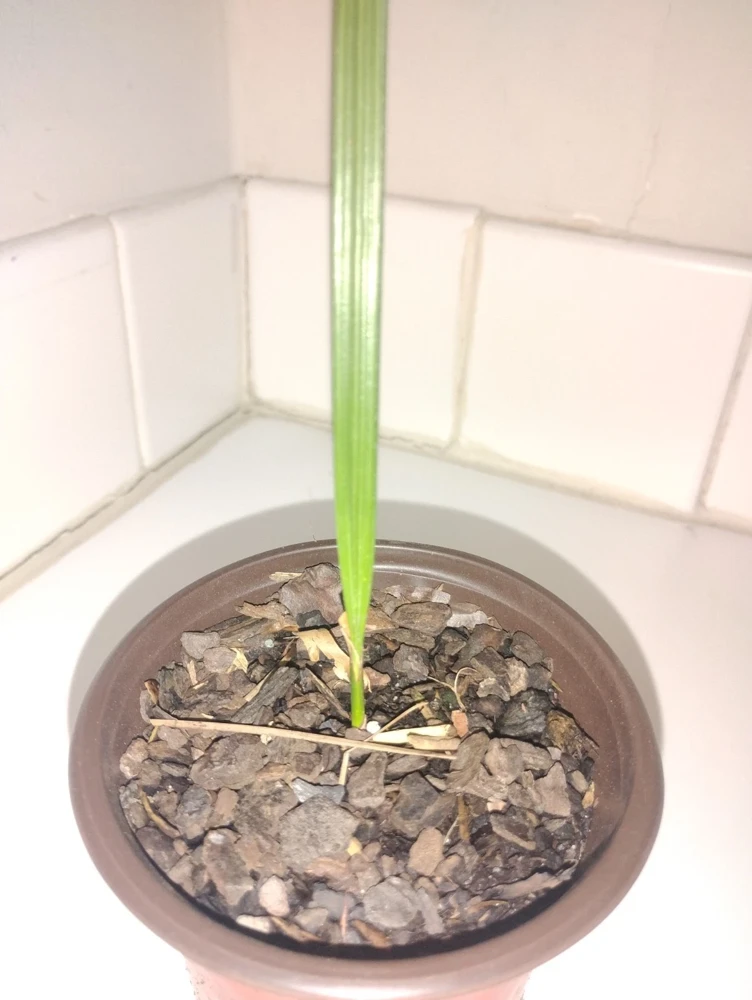
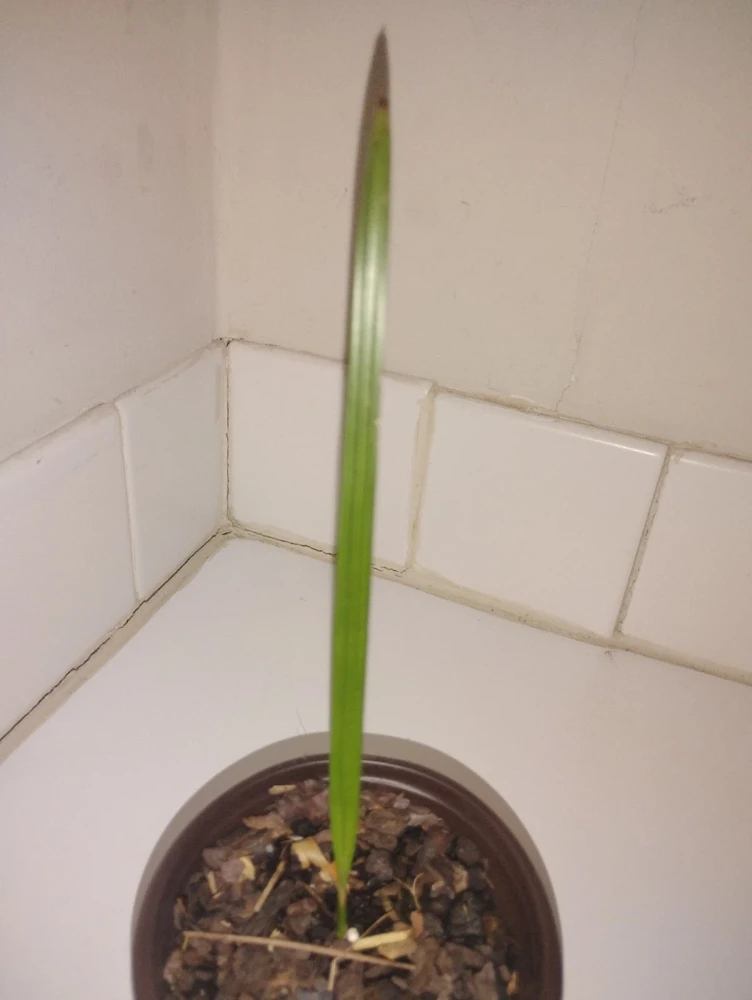
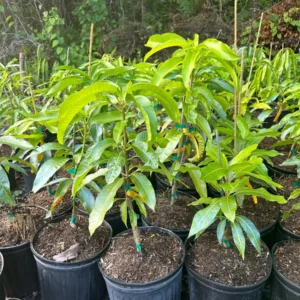
This offering is for one live pindo palm tree sapling, carefully nurtured and shipped in a 4-inch nursery pot. At the time of shipment, the plant typically stands approximately 12 inches in height, with a width of about 4 inches, reflecting its healthy sapling growth stage. It is a potted plant, ensuring minimal transplant shock upon arrival. The butia capitata has a medium growth rate, meaning it will gradually mature into its full size, offering a steady and impressive transformation in your garden over time. Each order includes one plant, ready for you to transplant into its permanent outdoor location.
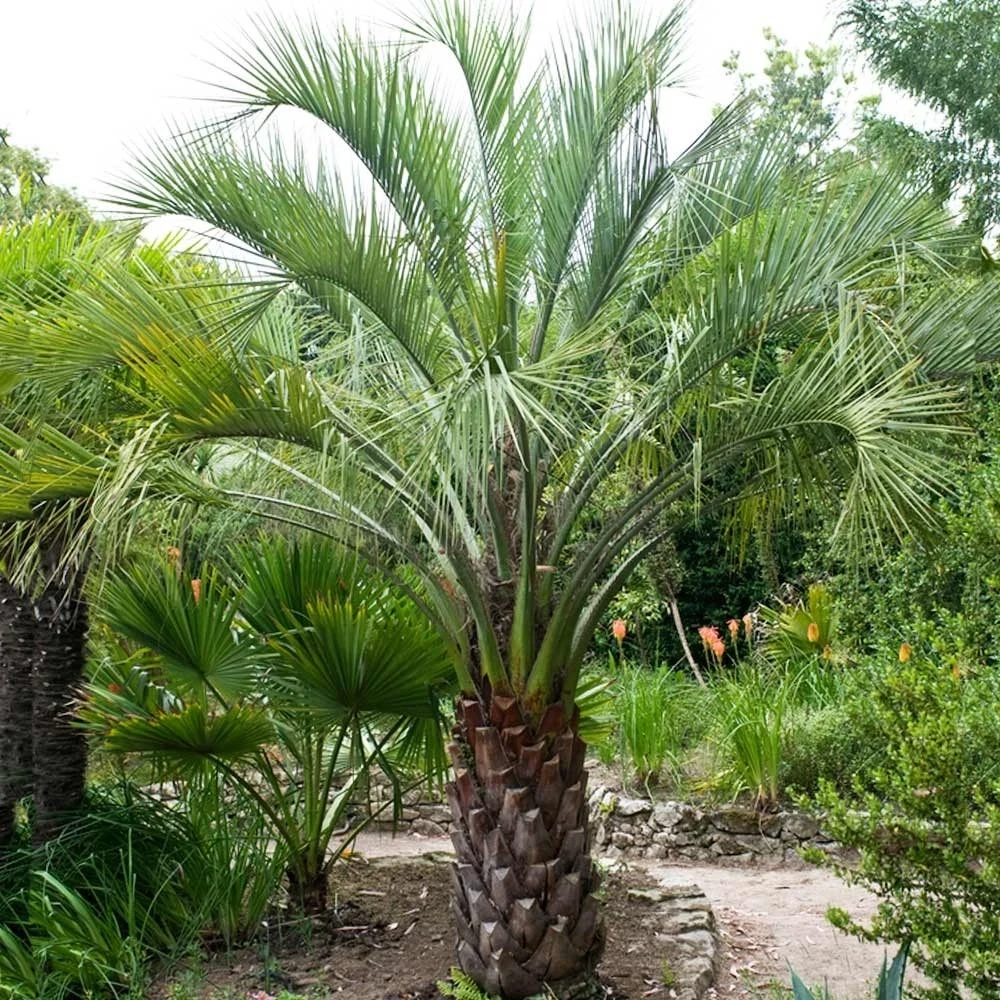
The mature pindo palm tree can reach heights of 15-20 feet, with a spread of 10-15 feet, developing its characteristic fanning fronds and sturdy trunk. It is known for its ability to produce edible orange fruits, often referred to as ‘jelly palms’ due to their use in making jellies and jams. The plant is evergreen, providing continuous color and structure throughout the fall, spring, summer, and winter seasons. Its robust nature makes it a valuable and long-lasting addition to any outdoor space seeking a touch of tropical elegance and a cold hardy palm option.
Frequently Asked Questions
- Q: How big does this plant get? A: This pindo palm tree sapling arrives about 12 inches tall in a 4-inch pot. At maturity, it can reach heights of 15-20 feet with a spread of 10-15 feet, making it a substantial outdoor palm tree.
- Q: Is this an indoor or outdoor plant? A: The pindo palm tree is an outdoor plant. It thrives in full to medium sun exposure and is suitable for various outdoor landscaping applications in appropriate USDA zones.
- Q: How much sunlight does it need? A: This palm requires full sun to medium sun, meaning at least 6 hours of direct sunlight daily for optimal growth and health.
- Q: Is this plant easy to care for? A: Yes, the pindo palm tree is considered relatively easy to care for, especially once established. It requires light watering and well-draining soil, making it a good choice for both novice and experienced gardeners.
- Q: What condition will it arrive in? A: Your butia capitata will arrive as a healthy, potted sapling in a 4-inch container, carefully packaged to ensure its safety during transit and ready for planting.
- Q: Is it shipped in soil? A: Yes, the jelly palm plant is shipped in its original 4-inch pot with soil, ensuring its roots are protected and hydrated upon arrival.
- Q: Will it survive winter in my zone? A: The pindo palm tree is known for being a cold hardy palm, generally hardy in USDA Zones 8-10, and sometimes Zone 7 with winter protection. Please check your local USDA zone to ensure suitability.
- Q: What’s the minimum temperature it can tolerate? A: This palm can tolerate temperatures down to approximately 10-15°F (-12 to -9°C) once established, making it one of the more cold-tolerant palm species.
- Q: When is the best time to plant? A: The best time to plant your pindo palm tree is in the spring or early summer, allowing it ample time to establish its root system before colder weather arrives.
- Q: Is the Pindo Palm pet-safe? A: Yes, the pindo palm tree is listed as child-safe and pet-safe, making it a worry-free addition to family gardens.
Related products
PLANTING & CARE
Lemon Tree Growing: Choose, Plant, and Harvest
Learn how to choose, plant, feed, and protect a lemon tree so it fits your
23
Sep
Sep
Dwarf Meyer Lemon Tree Australia: Climate Guide
Learn where dwarf Meyer lemon trees grow, how much cold they tolerate, and whether Australia,
Where to Buy a Dwarf Meyer Lemon Tree: Buyer’s Guide
Find the right dwarf Meyer lemon tree online or locally, compare starter sizes and costs,
Dwarf Meyer Lemon Tree for Sale: Buying Guide
Compare Meyer lemon tree sizes, prices, shipping limits, indoor growing and California options before you
Dwarf Meyer Lemon Tree Guide: Size, Care and Fruit
META: Learn how large a dwarf Meyer lemon tree grows, where it thrives, and how
How to Prune a Dwarf Meyer Lemon Tree
Learn when and how to prune a dwarf Meyer lemon tree, including tools, shaping cuts,
Can You Grow a Dwarf Meyer Lemon Tree in a Pot?
META: Learn how to grow a dwarf Meyer lemon tree in a pot, including container
When Do Dwarf Meyer Lemon Trees Bloom and Fruit?
META: Dwarf Meyer lemon trees usually bloom from winter through spring and may flower again