Sweet Bay Magnolia Live Plant – 1 Gallon Pot – Outdoor Fragrant Tree – Potted Sapling
-28%
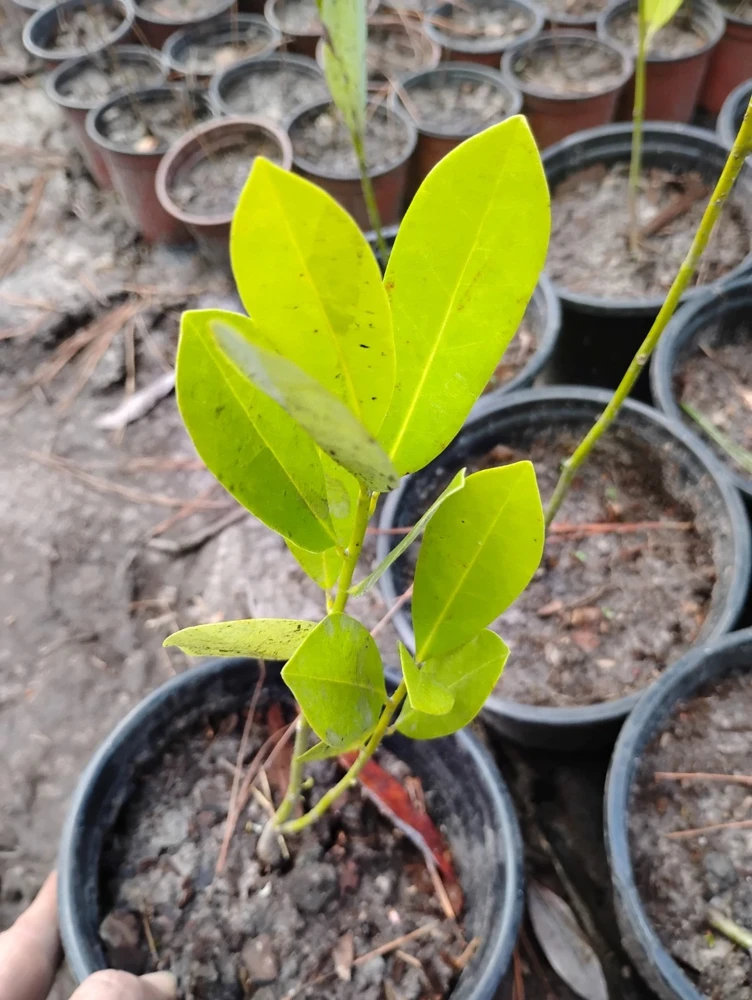
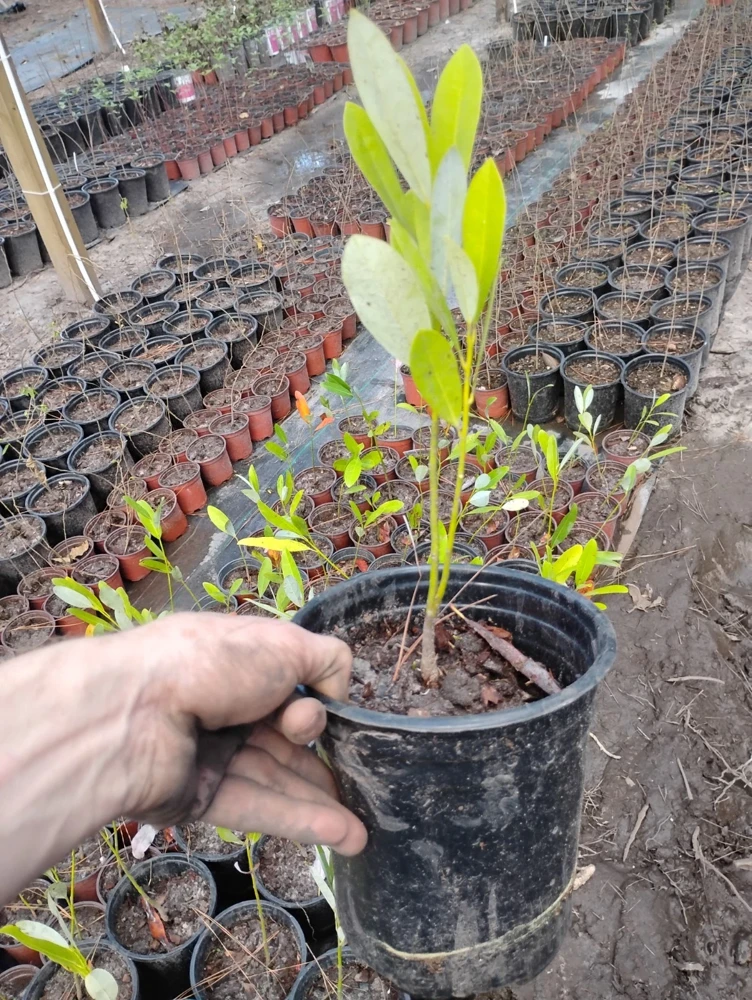
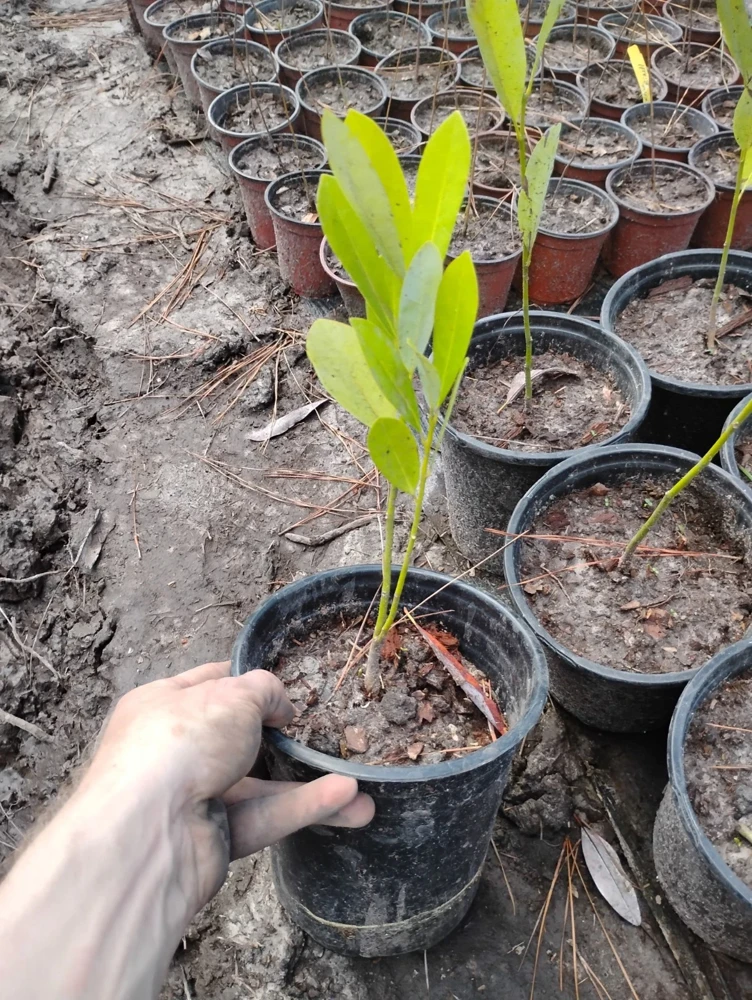
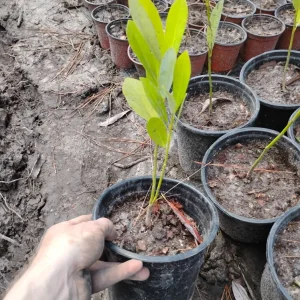
Sweet Bay Magnolia Live Plant – 1 Gallon Pot – Outdoor Fragrant Tree – Potted Sapling
Bring elegance and a delightful fragrance to your outdoor space with this sweet bay magnolia live plant. This 1-gallon potted sapling features glossy green leaves and charming, creamy white flowers. Perfect for gardens in various climates, it’s a versatile and beautiful addition to any landscape.
Original price was: $35.98.$25.98Current price is: $25.98.

With our Alive & Thrive Guarantee, we’ve got your back for the first 30 days! If you have any concerns about your plants, just reach out to us. Our team is here to help answer your questions and guide you in selecting the best plants for your garden, climate, and unique preferences. We're excited to help you create the garden of your dreams!
Estimated arrival
Oct 14
Oct 19 - Oct 21
Oct 24 - Oct 28
Product Details
-
USDA Hardiness Zone
5-9 -
Soil type
Acidic, consistently moist, well-draining soil (clay, loam, sand, peat, silt) -
Sunlight Exposure
Full Sun, Medium Sun -
Expected Planting Period
Spring to Fall
Overview
Introduce a touch of Southern charm and elegance to your landscape with a beautiful sweet bay magnolia live plant. This particular offering is a healthy sapling, arriving in a convenient 1-gallon pot, ready for planting. Known botanically as Magnolia virginiana, the sweet bay magnolia tree is celebrated for its attractive foliage and incredibly fragrant, creamy white flowers that bloom from late spring into summer. Unlike some of its larger evergreen relatives, the Sweet Bay Magnolia often retains its leaves year-round in warmer climates and is deciduous in colder zones, offering seasonal interest. It’s a versatile tree that can thrive in various settings, from a specimen plant to a naturalized area, making it a popular choice for gardeners seeking both beauty and resilience.
The Sweet Bay Magnolia is a native species to the southeastern United States, adapting well to a range of environmental conditions. Its slender, upright growth habit makes it suitable for many garden designs, providing a graceful presence. The leaves have a distinctive silvery underside, which shimmers in the breeze, adding to its visual appeal. This magnolia virginiana tree is an excellent choice for those looking to create a serene and aromatic outdoor sanctuary.
Key Benefits
Adding a sweet bay magnolia live plant to your garden offers numerous advantages, enhancing both the aesthetic and ecological value of your outdoor space. Its unique characteristics make it a standout choice for many landscapes.
- Exquisite Fragrance: The most notable feature of the Sweet Bay Magnolia is its intensely fragrant, lemon-scented flowers. These creamy white blooms release a delightful aroma that can permeate your garden, especially in the evenings, creating a truly sensory experience.
- Year-Round Interest: In warmer climates, the Sweet Bay Magnolia is semi-evergreen to evergreen, providing lush green foliage throughout the year. In cooler regions, it becomes deciduous, offering a different but equally appealing seasonal display.
- Attractive Foliage: The glossy green leaves with their distinctive silvery undersides provide a beautiful contrast and visual texture in the garden. The leaves flutter gracefully in the wind, revealing their shimmering undersides.
- Wildlife Attraction: The flowers attract pollinators like bees and butterflies, while the red seeds, which mature in the fall, are a food source for birds, contributing to local biodiversity.
- Versatile Landscape Use: This sweet bay magnolia tree can be grown as a large shrub or a small to medium-sized tree, making it adaptable to various garden sizes and styles. It works well as a specimen plant, in groupings, or even in rain gardens due to its tolerance for moist soils.
- Low Maintenance: Once established, the Sweet Bay Magnolia is relatively low-maintenance, requiring minimal care to thrive. This makes it an excellent choice for both experienced gardeners and those new to planting trees.
- Hardiness and Adaptability: It exhibits good tolerance to various soil types and moisture levels, and can withstand a range of temperatures, making it a resilient addition to many gardens. This adaptability contributes to the overall ease of sweet bay magnolia care.
Plant Care & Growing Tips
Proper care is essential for your sweet bay magnolia live plant to flourish and provide years of beauty. While generally resilient, understanding its specific needs will ensure optimal growth and flowering. This magnolia virginiana tree prefers specific conditions to thrive.
Sunlight Requirements: The Sweet Bay Magnolia performs best in full sun to partial shade. Full sun (6+ hours of direct sunlight per day) will encourage the most prolific flowering. In hotter climates, some afternoon shade can be beneficial to protect the foliage from scorching. For outdoor planting, choose a location that receives ample morning sun and potentially some dappled afternoon shade.
Watering Schedule and Soil Moisture: This plant prefers consistently moist soil, especially when young and during dry periods. It has a higher tolerance for wet feet than many other trees, naturally growing in damp areas. Water deeply and regularly, ensuring the soil remains moist but not waterlogged. Once established, it can tolerate short periods of drought but will perform best with consistent moisture. Good drainage is still important to prevent root rot, even though it likes moisture.
Soil Type and Drainage: The Sweet Bay Magnolia is adaptable to a variety of soil types, including clay, loam, sand, chalk, saline, peat, and silt, as long as moisture is consistent. It thrives in acidic soil with a pH between 4.5 and 6.5. Amend heavy clay soils with organic matter to improve drainage and aeration, while sandy soils will benefit from organic matter to improve water retention. A rich, well-draining yet consistently moist soil is ideal for healthy growth of your fragrant magnolia plant.
Temperature Range and USDA Hardiness Zone: This species is hardy in USDA Zones 5-9. In Zone 5, it will likely be deciduous, losing its leaves in winter. In Zones 7-9, it often remains semi-evergreen to evergreen. It can tolerate both temperate and humid subtropical climates. Protection from harsh winter winds may be beneficial in the colder end of its hardiness range, particularly for young plants. Understanding your specific hardiness zone is crucial for successful sweet bay magnolia care.
Fertilization: Fertilize in early spring with a balanced, slow-release fertilizer formulated for acid-loving plants. Follow the product instructions for application rates. Avoid over-fertilizing, which can burn the roots. For optimal health, a layer of organic mulch around the base of the tree can slowly release nutrients as it breaks down.
Pruning: Pruning is generally minimal for the Sweet Bay Magnolia. Remove any dead, damaged, or crossing branches as needed. It can be trained as a multi-stemmed shrub or a single-trunk tree, depending on your preference. Pruning is best done after flowering or in late winter before new growth begins.
Size & Details
This offering is for a healthy sweet bay magnolia live plant, which arrives in a 1-gallon nursery pot. The sapling typically measures around 16 inches in height, with a spread of approximately 6 inches in both length and width, as indicated by the item dimensions. It is a potted plant, meaning it comes with its root ball intact in soil, ensuring a smooth transition to your garden. The plant is currently in a sapling growth stage, ready to establish itself and begin its journey towards maturity. The growth habit is generally straight, and it is considered to have a medium growth rate, allowing you to enjoy its development over time. Expect the plant to bloom from late spring through summer, offering its characteristic fragrant flowers. When fully mature, a sweet bay magnolia tree can reach heights of 10-35 feet, depending on conditions and whether it’s grown as a shrub or tree form. It is shipped as a single plant, weighing approximately 1 lb 6 oz.
Frequently Asked Questions
- Q: How big does this sweet bay magnolia live plant get? A: This particular plant is a sapling in a 1-gallon pot, around 16 inches tall. When mature, a sweet bay magnolia tree can reach 10-35 feet tall and 10-20 feet wide, depending on growing conditions and if it’s trained as a shrub or tree.
- Q: Is this an indoor or outdoor plant? A: The Sweet Bay Magnolia is primarily an outdoor plant. It thrives in garden settings and is hardy in USDA Zones 5-9. It requires significant sunlight and space to grow into its mature size.
- Q: How much sunlight does it need? A: This magnolia virginiana tree prefers full sun to partial shade. Aim for at least 6 hours of direct sunlight daily for the best flowering. In very hot climates, some afternoon shade can be beneficial.
- Q: Is this plant easy to care for? A: Yes, the Sweet Bay Magnolia is considered relatively easy to care for once established. It requires consistent moisture, especially when young, and appreciates acidic, well-draining soil. Regular watering and occasional fertilization are key aspects of sweet bay magnolia care.
- Q: What condition will it arrive in? A: Your sweet bay magnolia live plant will arrive as a healthy, potted sapling in a 1-gallon container. It will be carefully packaged to ensure its safe journey and readiness for planting upon arrival.
- Q: Can this fragrant magnolia plant be grown in a container long-term? A: While it can be grown in a large container for a period, the Sweet Bay Magnolia eventually prefers to be planted in the ground to reach its full potential. If keeping in a container, ensure it’s large enough and provides good drainage, and plan for regular watering and feeding.
- Q: What’s the best time to plant a sweet bay magnolia tree? A: The best time to plant your Sweet Bay Magnolia is in the spring or early fall, allowing the plant sufficient time to establish its root system before extreme temperatures of summer or winter.
- Q: Is the sweet bay magnolia pet-safe? A: The Sweet Bay Magnolia is generally considered non-toxic to pets according to various plant toxicity lists. However, it’s always wise to prevent pets from consuming large quantities of any plant material.
- Q: Will this sweet bay magnolia live plant retain its leaves in winter? A: This depends on your climate zone. In warmer USDA Zones (7-9), it is often semi-evergreen to evergreen. In colder zones (5-6), it will typically be deciduous, losing its leaves in winter.
- Q: What type of soil does it prefer? A: The sweet bay magnolia plant prefers consistently moist, acidic soil. It can adapt to various soil types like clay, loam, and sand, but good drainage is always beneficial.
Related products
PLANTING & CARE
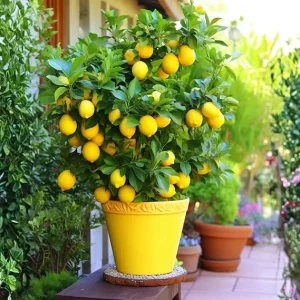
Lemon Tree Growing: Choose, Plant, and Harvest
Learn how to choose, plant, feed, and protect a lemon tree so it fits your
23
Sep
Sep
Dwarf Meyer Lemon Tree Australia: Climate Guide
Learn where dwarf Meyer lemon trees grow, how much cold they tolerate, and whether Australia,
Where to Buy a Dwarf Meyer Lemon Tree: Buyer’s Guide
Find the right dwarf Meyer lemon tree online or locally, compare starter sizes and costs,
Dwarf Meyer Lemon Tree for Sale: Buying Guide
Compare Meyer lemon tree sizes, prices, shipping limits, indoor growing and California options before you
Dwarf Meyer Lemon Tree Guide: Size, Care and Fruit
META: Learn how large a dwarf Meyer lemon tree grows, where it thrives, and how
How to Prune a Dwarf Meyer Lemon Tree
Learn when and how to prune a dwarf Meyer lemon tree, including tools, shaping cuts,
Can You Grow a Dwarf Meyer Lemon Tree in a Pot?
META: Learn how to grow a dwarf Meyer lemon tree in a pot, including container
When Do Dwarf Meyer Lemon Trees Bloom and Fruit?
META: Dwarf Meyer lemon trees usually bloom from winter through spring and may flower again