Pink Manuka Tea Plant – Leptospermum scoparium Live Shrub – 4-6 Inch Tall
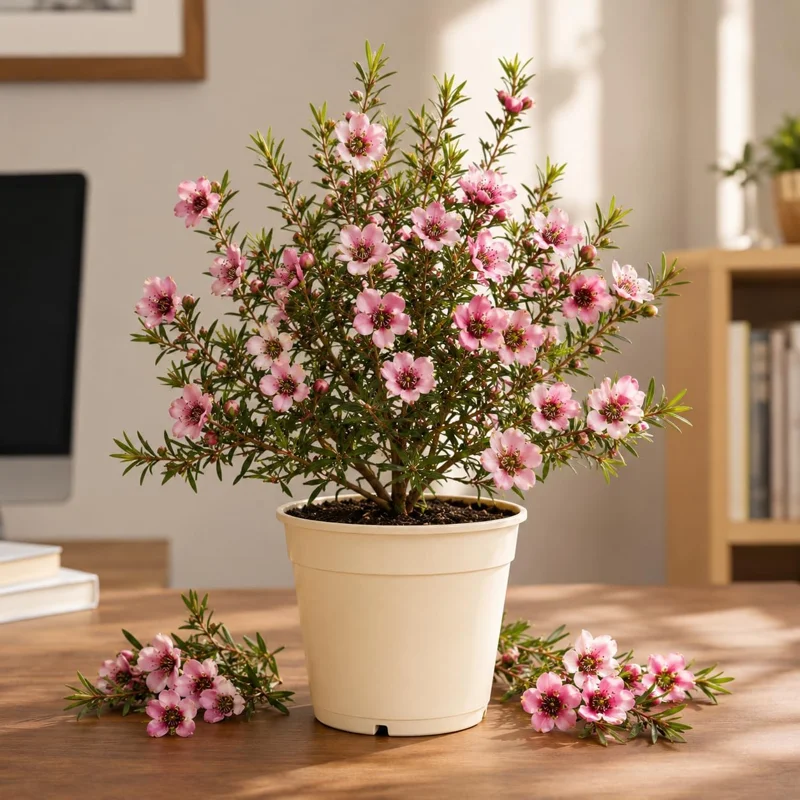
Pink Manuka Tea Plant – Leptospermum scoparium Live Shrub – 4-6 Inch Tall
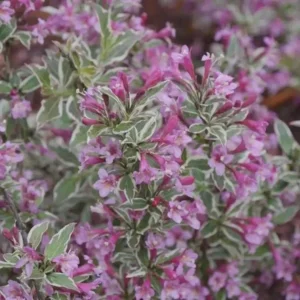
Introduce a touch of elegance to your garden with this pink manuka tea plant. Also known as Leptospermum scoparium, this live shrub offers delicate pink flowers and aromatic foliage, perfect for outdoor landscapes in USDA Zones 9-11. You will receive a healthy 4-6 inch tall starter plant.
$15.99

With our Alive & Thrive Guarantee, we’ve got your back for the first 30 days! If you have any concerns about your plants, just reach out to us. Our team is here to help answer your questions and guide you in selecting the best plants for your garden, climate, and unique preferences. We're excited to help you create the garden of your dreams!
Estimated arrival
Oct 16
Oct 21 - Oct 23
Oct 26 - Oct 30
Product Details
-
USDA Hardiness Zone
USDA Zones 9–11 -
Soil type
Well-draining sandy loam or loamy soil -
Sunlight Exposure
Full sun -
Expected Planting Period
Spring to early summer
Overview
Introduce a touch of elegance and natural beauty to your garden with the pink manuka tea plant, also known as Leptospermum scoparium. This remarkable live shrub is cherished for its abundant, delicate pink flowers that create a stunning visual display. Originating from New Zealand and southeastern Australia, the Manuka plant is not only ornamental but also has historical significance, with its leaves traditionally used for tea. You will receive a young starter plant, typically 4-6 inches tall, ready to be nurtured into a thriving shrub. While mature plants are known for their vibrant blooms, your young specimen will grow and develop over time, eventually gracing your landscape with its charming pink blossoms. This resilient and attractive plant is an excellent choice for gardeners looking to add a unique and low-maintenance shrub to their outdoor spaces. Cultivating a pink manuka tea plant offers a rewarding gardening experience.
The manuka bush plant is a versatile addition to various garden designs, from cottage gardens to more formal landscapes. Its fine, aromatic foliage and profusion of flowers make it a focal point when in bloom. This starter plant provides an opportunity to cultivate a beautiful and beneficial plant from its early stages, allowing you to observe its growth and development firsthand. Embrace the journey of growing your own Manuka and enjoy the serene beauty it brings to your home and garden. This pink manuka tea plant is a fantastic choice for adding vibrant color and texture.
Key Benefits
The pink manuka tea plant offers numerous advantages for any gardener, combining aesthetic appeal with practical benefits. Its unique characteristics make it a standout choice for various landscapes, providing beauty and ecological value.
- Stunning Floral Display: Enjoy a prolific display of delicate pink flowers, creating a beautiful and vibrant spectacle in your garden during its blooming season. These charming blossoms attract pollinators, enhancing your garden’s biodiversity and bringing life to your outdoor space.
- Low Maintenance: Once established, the Leptospermum scoparium is relatively easy to care for, requiring minimal attention compared to many other flowering shrubs. It’s an excellent choice for both experienced and novice gardeners seeking a beautiful yet undemanding plant.
- Drought Tolerance: After its initial establishment period, the manuka bush plant demonstrates good drought tolerance, making it suitable for water-wise gardening practices in appropriate climates. This reduces the need for frequent watering, conserving resources.
- Versatile Landscaping: Its attractive form and flowering habit make it ideal for use as a specimen plant, in mixed borders, as a hedge, or even in large containers. It adapts well to various garden styles, offering flexibility in design.
- Aromatic Foliage: The fine, needle-like leaves of the Manuka plant release a pleasant, distinctive aroma, adding another sensory dimension to your garden experience. This subtle fragrance enhances the ambiance of your outdoor living areas.
- Pollinator Friendly: The abundant flowers are a magnet for bees and other beneficial pollinators, contributing to the health of your local ecosystem and supporting honey production. Planting a pink manuka tea plant helps create a thriving pollinator habitat.
- Adaptable to Various Soils: While it prefers well-draining soil, the pink manuka tea plant can tolerate a range of soil types, provided they are not waterlogged, showcasing its adaptability and making it suitable for many garden conditions.
Plant Care & Growing Tips
To ensure your pink manuka tea plant thrives and produces its characteristic beautiful pink flowers, proper care is essential. This starter plant requires specific conditions to establish strong roots and grow into a healthy, mature shrub. Understanding its needs will help you cultivate a stunning specimen in your garden. For successful growth, understanding manuka plant care is key.
Sunlight Requirements: The Leptospermum scoparium flourishes in full sun, meaning it needs at least 6-8 hours of direct sunlight per day. Choose a location in your garden that receives ample sun exposure to encourage robust growth and abundant flowering. While it can tolerate partial shade, flowering may be reduced. Ensure good air circulation around the plant to prevent fungal issues and promote overall plant health.
Watering Schedule & Soil Preferences: During the establishment phase, water your manuka bush plant regularly to keep the soil consistently moist but not waterlogged. Once established, it becomes more tolerant of drier conditions and can be watered moderately. Always check the soil moisture before watering; allow the top inch or two of soil to dry out between waterings. This plant prefers well-draining soil, ideally a sandy loam or loamy soil. Avoid heavy clay soils that retain too much moisture, as this can lead to root rot. Good drainage is crucial for its health and long-term vitality.
Temperature Range & USDA Hardiness Zone: The pink manuka tea plant is best suited for USDA Zones 9–11. It prefers temperatures between 50 degrees Fahrenheit and 85 degrees Fahrenheit. In colder zones, it can be grown in containers and brought indoors during winter or treated as an annual. Protect young plants from frost, especially during their first year. Fertilization is generally not heavily required, but a balanced slow-release fertilizer in spring can support healthy growth. Pruning can be done after flowering to maintain shape and encourage bushier growth. Watch out for common pests like scale insects or mealybugs, and treat with horticultural oil or insecticidal soap if necessary. Proper manuka plant care ensures a resilient and vibrant shrub.
Size & Details
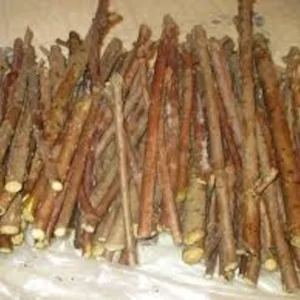
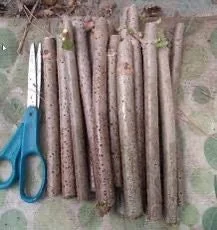
This offering is for a young pink manuka tea plant, measuring approximately 4-6 inches tall upon arrival. It is a starter plant, meaning it is still young and developing, and will not yet have flowers or fruits, nor will it have the size and appearance of a mature specimen. The plant is shipped without a pot, as a bare root or with minimal soil around its root ball, carefully packaged to ensure its health during transit. Expect a moderate growth rate, with the plant reaching its mature size of typically 6-10 feet tall and wide over several years, depending on growing conditions and pruning. The ultimate size and spread will contribute to a significant presence in your garden, offering a beautiful structure and a profusion of delicate pink blooms during its peak season. The blooming season for this variety is typically from spring to early summer, providing a vibrant display when many other plants are just beginning to show color. This pink flowering shrub will become a focal point in your landscape.
Frequently Asked Questions
- Q: How big does this plant get? A: The pink manuka tea plant typically grows to a mature size of 6-10 feet tall and wide, forming a dense, attractive shrub. Its final size can be influenced by growing conditions and regular pruning, allowing you to manage its shape and size effectively.
- Q: What condition will the plant arrive in? A: You will receive a young starter plant, approximately 4-6 inches tall, carefully packaged. It will be a healthy, developing plant, though it may not have flowers or the full size of a mature specimen, ready for you to nurture.
- Q: Is this an indoor or outdoor plant? A: The Leptospermum scoparium is primarily an outdoor plant, thriving in full sun. In USDA zones 9-11, it can be grown outdoors year-round. In colder climates, it can be grown in containers and brought indoors during winter for protection.
- Q: How much sunlight does the pink manuka tea plant need? A: This plant requires full sun, meaning at least 6-8 hours of direct sunlight daily, to ensure optimal growth and abundant flowering. Insufficient light may lead to sparse blooms and less vigorous growth.
- Q: Is this plant easy to care for? A: Yes, once established, the manuka bush plant is considered relatively low-maintenance. It requires consistent watering during establishment but becomes more drought-tolerant thereafter, making it suitable for various gardening skill levels.
- Q: When is the best time to plant? A: The best time to plant your pink manuka tea plant is in spring or early summer, after the last frost, to allow it ample time to establish strong roots before colder weather arrives.
- Q: Will it survive winter in my zone? A: This plant is hardy in USDA Zones 9-11. If you are in a colder zone, it will need protection from frost or should be grown in a container that can be moved indoors during winter to ensure its survival.
- Q: What are the benefits of manuka tea? A: While this is a live plant for gardening, the leaves of the Manuka plant have historically been used to make a tea with traditional wellness properties. This particular offering is for a live plant for ornamental gardening.
- Q: Does this plant attract pollinators? A: Yes, the abundant pink flowers of the Leptospermum scoparium are known to attract bees and other beneficial pollinators, making it a great addition to a pollinator garden and supporting local ecosystems.
- Q: What kind of soil does it prefer? A: The pink manuka tea plant prefers well-draining soil, such as sandy loam. It’s crucial to avoid heavy, waterlogged soils to prevent root issues and ensure the plant’s health. For optimal growth, good drainage is essential.
Related products
-43%
Original price was: $89.99.$50.99Current price is: $50.99.
-20%
Original price was: $76.00.$60.80Current price is: $60.80.
-50%


Original price was: $63.00.$31.50Current price is: $31.50.
-50%
Original price was: $59.98.$29.99Current price is: $29.99.
-50%


Original price was: $63.00.$31.50Current price is: $31.50.
-50%
Original price was: $55.98.$27.99Current price is: $27.99.
-60%
Original price was: $53.99.$21.59Current price is: $21.59.
PLANTING & CARE
Lemon Tree Growing: Choose, Plant, and Harvest
Learn how to choose, plant, feed, and protect a lemon tree so it fits your
23
Sep
Sep
Dwarf Meyer Lemon Tree Australia: Climate Guide
Learn where dwarf Meyer lemon trees grow, how much cold they tolerate, and whether Australia,
Where to Buy a Dwarf Meyer Lemon Tree: Buyer’s Guide
Find the right dwarf Meyer lemon tree online or locally, compare starter sizes and costs,
Dwarf Meyer Lemon Tree for Sale: Buying Guide
Compare Meyer lemon tree sizes, prices, shipping limits, indoor growing and California options before you
Dwarf Meyer Lemon Tree Guide: Size, Care and Fruit
META: Learn how large a dwarf Meyer lemon tree grows, where it thrives, and how
How to Prune a Dwarf Meyer Lemon Tree
Learn when and how to prune a dwarf Meyer lemon tree, including tools, shaping cuts,
Can You Grow a Dwarf Meyer Lemon Tree in a Pot?
META: Learn how to grow a dwarf Meyer lemon tree in a pot, including container
When Do Dwarf Meyer Lemon Trees Bloom and Fruit?
META: Dwarf Meyer lemon trees usually bloom from winter through spring and may flower again