Pink Rose of Sharon Live Plant – Hardy Hibiscus Syriacus Shrub, 2-Pack, 8-12 Inch Tall, Quart Pot, Outdoor
-50%
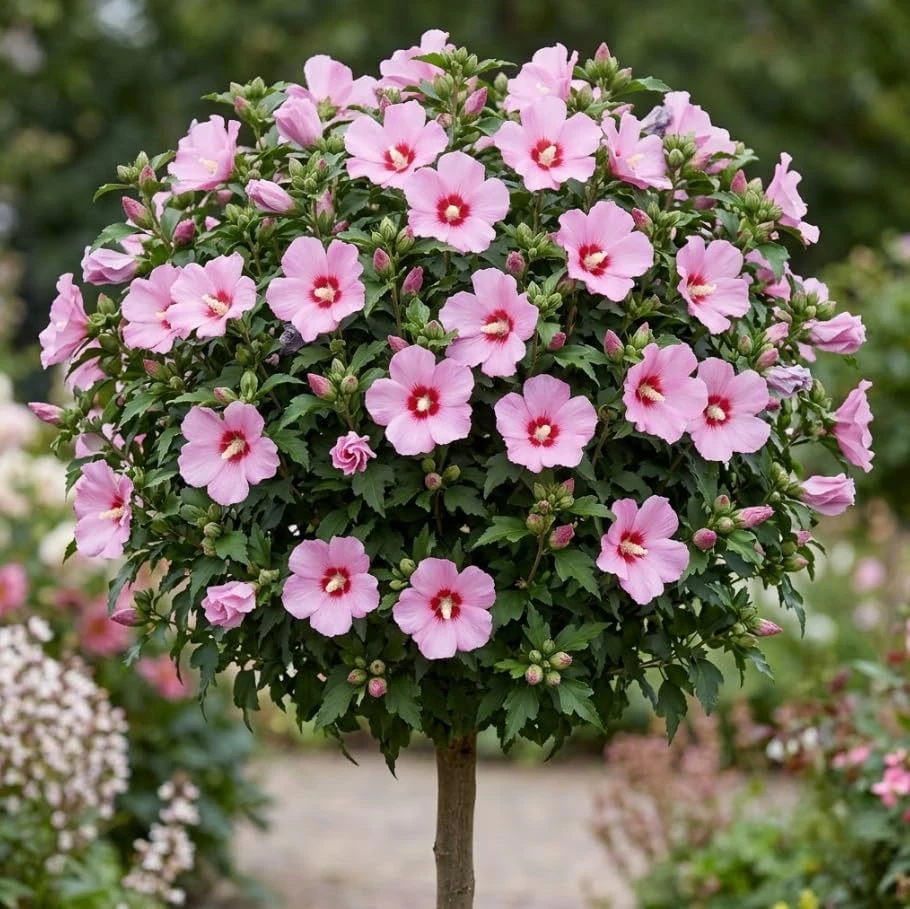
Pink Rose of Sharon Live Plant – Hardy Hibiscus Syriacus Shrub, 2-Pack, 8-12 Inch Tall, Quart Pot, Outdoor
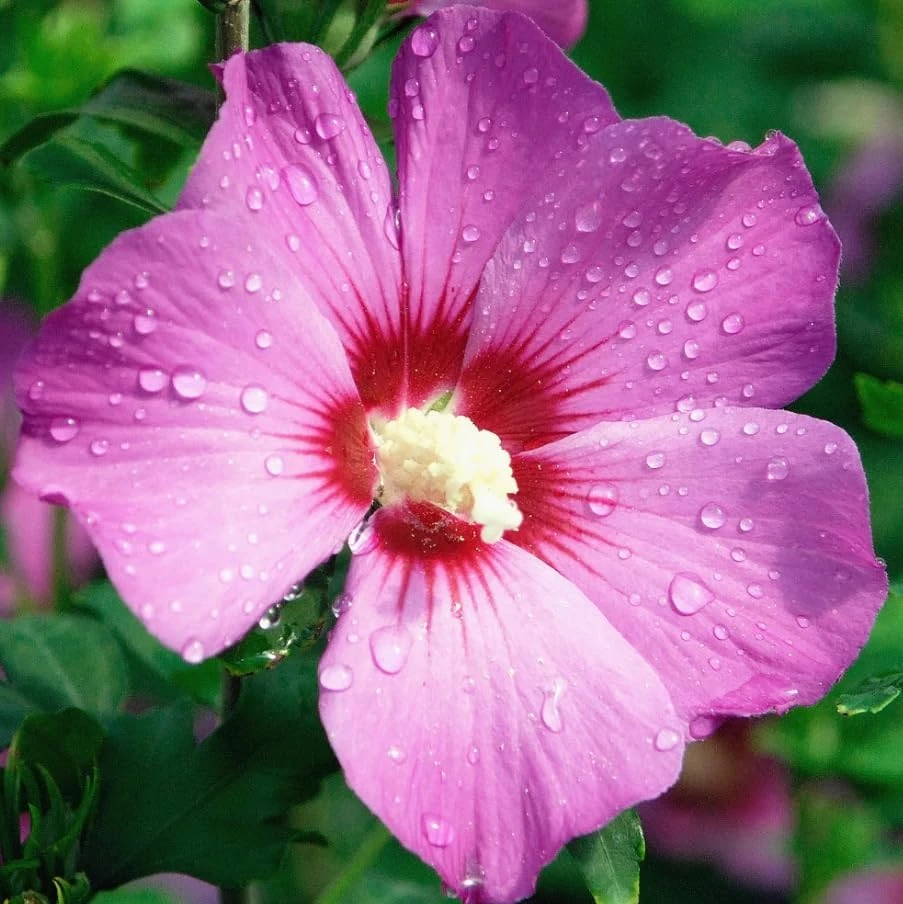
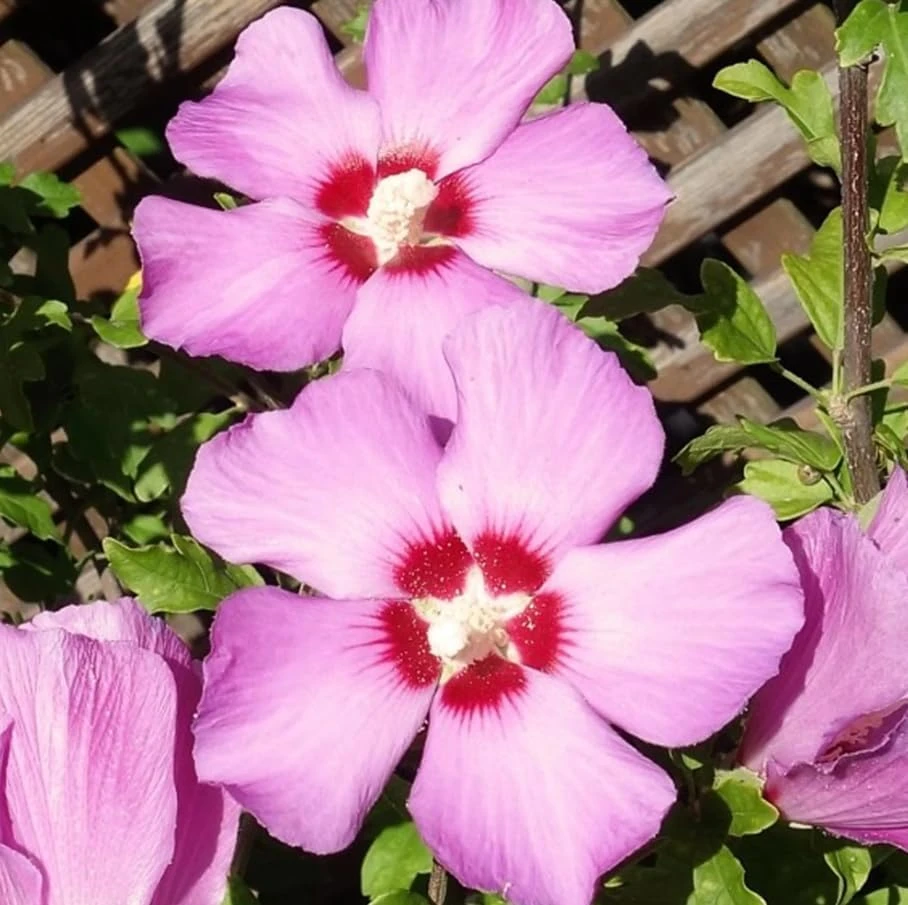
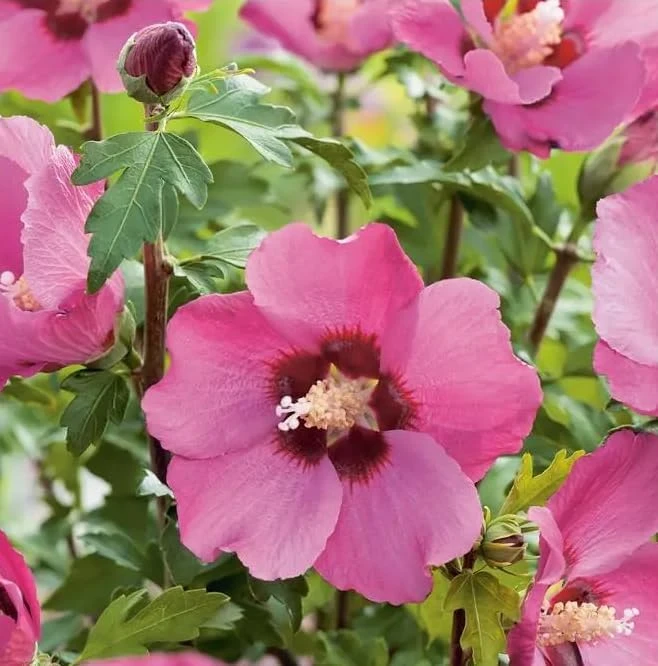
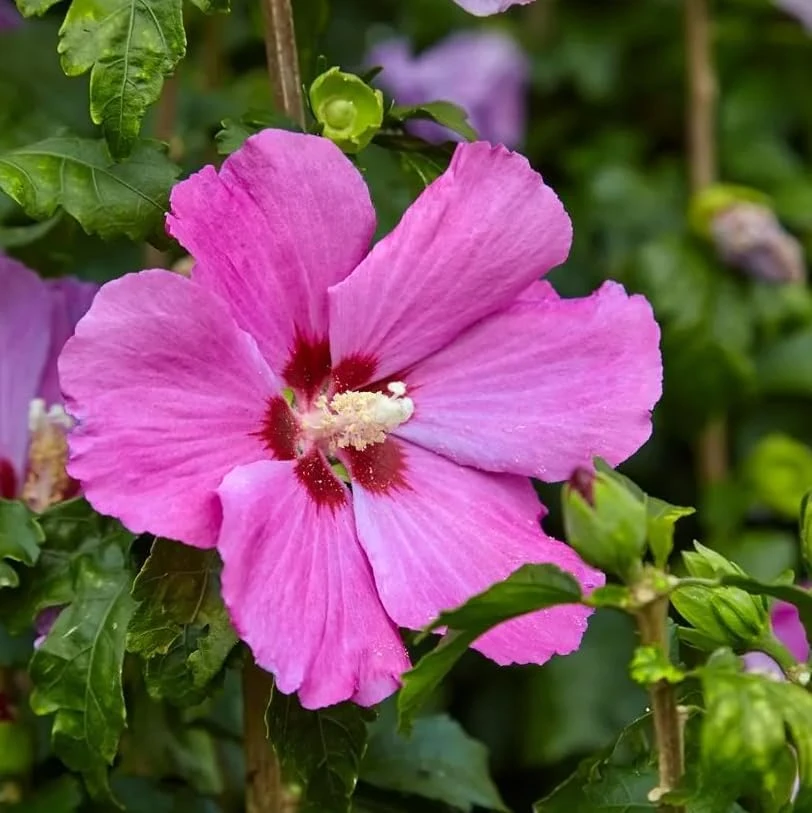
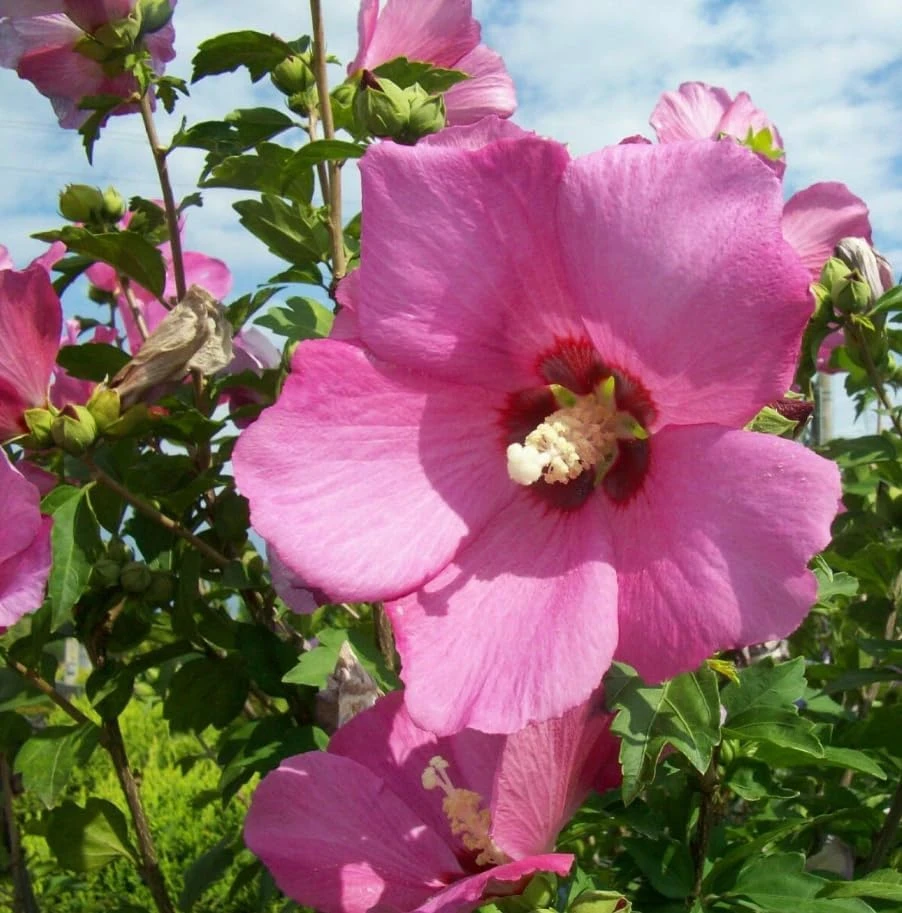
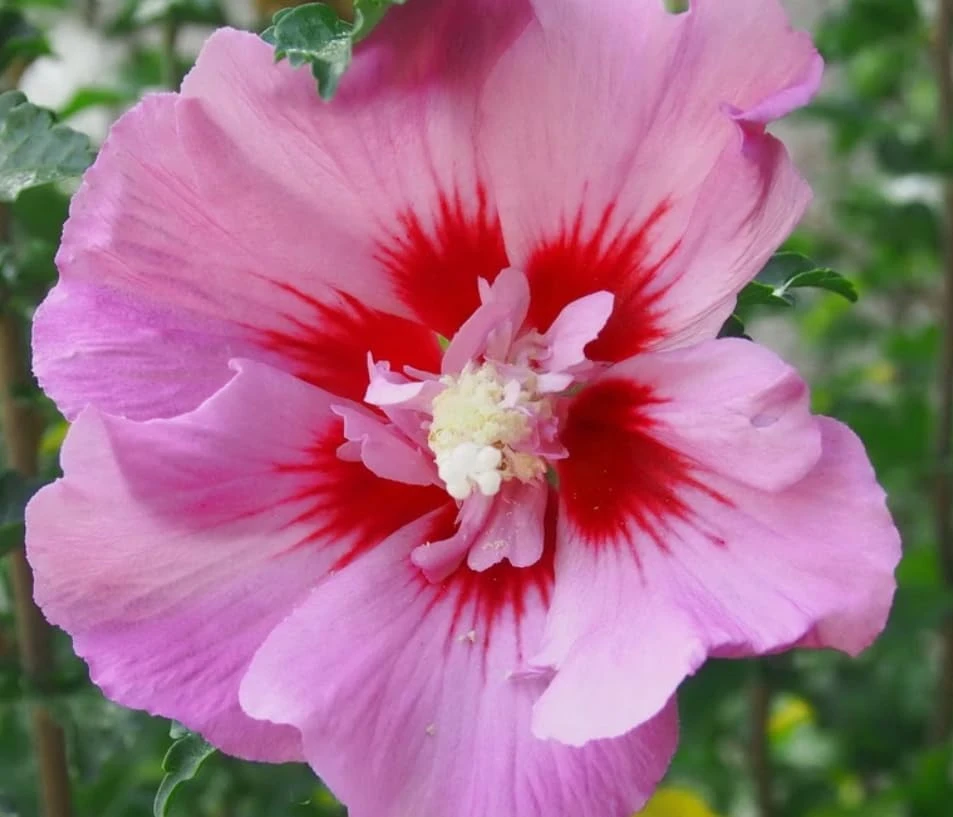
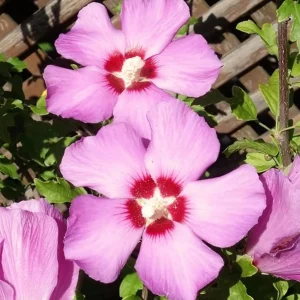
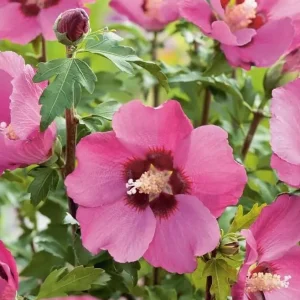
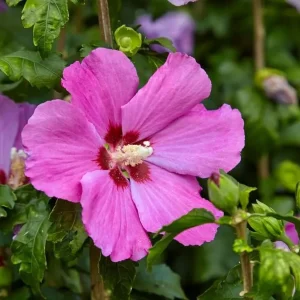
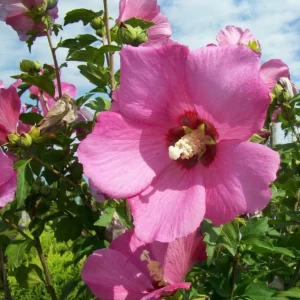
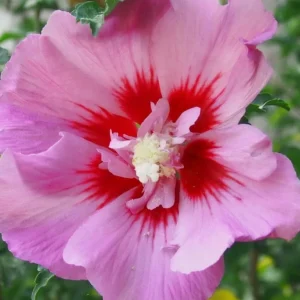
Add vibrant color to your garden with this pink rose of sharon live plant. This beautiful hardy hibiscus syriacus shrub provides striking pink flowers with deep red centers from summer through fall. Perfect for hedges, borders, or container planting, it’s a low-maintenance, cold-hardy addition to any outdoor space.
Original price was: $97.98.$48.99Current price is: $48.99.

With our Alive & Thrive Guarantee, we’ve got your back for the first 30 days! If you have any concerns about your plants, just reach out to us. Our team is here to help answer your questions and guide you in selecting the best plants for your garden, climate, and unique preferences. We're excited to help you create the garden of your dreams!
Estimated arrival
Oct 29
Nov 03 - Nov 05
Nov 08 - Nov 12
Product Details
-
USDA Hardiness Zone
USDA Zones 5–9 -
Soil type
Well-draining loam, adaptable to various soil types -
Sunlight Exposure
Full sun to partial shade -
Expected Planting Period
Spring to early fall
Overview
Transform your garden into a vibrant sanctuary with the stunning pink rose of sharon live plant. This exceptional variety of hardy hibiscus syriacus, often known as Althea, is celebrated for its abundant, showy blossoms that bring a burst of color from mid-summer well into early fall. Unlike many other flowering shrubs that fade with the heat, the Rose of Sharon truly shines, offering an extended season of beauty. Each large, delicate pink blossom is elegantly highlighted by a rich crimson-red center, creating a captivating display that draws the eye and attracts pollinators like hummingbirds and butterflies. This particular cultivar is a robust and resilient choice, making it an ideal addition for both novice and experienced gardeners seeking a reliable and visually striking flowering shrub. Its natural hardiness ensures it will return year after year, providing consistent beauty with minimal fuss. Whether you’re aiming to create a vibrant focal point, a lush privacy screen, or simply add a touch of classic charm to your landscape, the pink rose of sharon live plant is an excellent selection that promises enduring appeal and easy care.
Key Benefits
The pink rose of sharon live plant offers a multitude of benefits, making it a highly desirable choice for various garden designs and needs. Its resilience and striking appearance contribute significantly to its popularity and value in outdoor spaces. You’ll find this plant to be a versatile and rewarding addition to your landscape.
- Extended Bloom Season: Enjoy a prolonged display of beautiful pink flowers with striking red centers from mid-summer through early fall, providing continuous color when many other plants are past their prime. This makes the hardy hibiscus syriacus a standout performer.
- Cold Hardy & Perennial: As a cold-hardy perennial, this shrub reliably returns each year, thriving in USDA Zones 5–9. It requires minimal maintenance once established, ensuring long-term beauty.
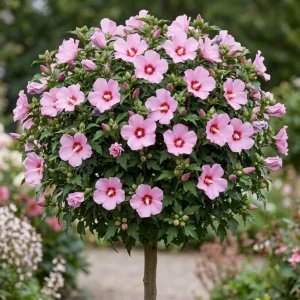
- Versatile Landscaping Use: Perfect for creating stunning privacy hedges, enhancing foundation plantings, adding structure to mixed borders, or serving as an elegant specimen plant in large patio containers. The rose of sharon shrub adapts well to various roles.
- Attracts Pollinators: The vibrant blossoms are a magnet for local pollinators, including butterflies and hummingbirds, contributing to the biodiversity and health of your garden ecosystem.
- Low Maintenance: Once established, this pink althea plant is remarkably easy to care for, requiring only basic watering and occasional pruning to maintain its shape and encourage prolific blooming.
- Drought Tolerant: Exhibits good drought tolerance once mature, making it a sustainable choice for landscapes in various climates, reducing the need for constant irrigation.
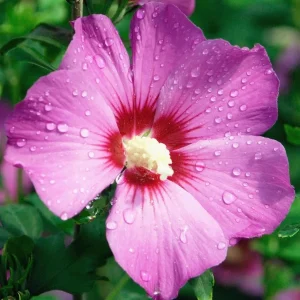
- Visually Striking: The unique combination of soft pink petals and deep red centers creates a visually arresting contrast, ensuring your garden remains captivating throughout its blooming period.
Plant Care & Growing Tips
Caring for your pink rose of sharon live plant is straightforward, ensuring years of beautiful blooms. This hardy hibiscus syriacus thrives with proper attention to its basic needs, making it an excellent choice for gardeners of all experience levels. Understanding its preferred conditions will help you maximize its growth and flowering potential.
For optimal growth and abundant flowering, ensure your pink rose of sharon live plant receives full sun to partial shade. Full sun (at least 6 hours of direct sunlight daily) will encourage the most prolific blooming, while partial shade can be tolerated, especially in hotter climates where it might benefit from some afternoon protection. When it comes to watering, maintain consistently moist soil, especially during its first growing season to help establish a strong root system. Once established, the Rose of Sharon is fairly drought-tolerant, but regular watering during dry spells will promote healthier growth and more flowers. Avoid excessively wet conditions, as this can lead to root rot.
The ideal soil for this rose of sharon shrub is well-drained, fertile loam. It can tolerate a range of soil types, including clay and sandy soils, as long as drainage is adequate. Amend heavy clay soils with organic matter to improve drainage, and sandy soils with compost to enhance water retention. Fertilize in early spring with a balanced, slow-release granular fertilizer or a liquid feed formulated for flowering shrubs. Follow package directions for application rates. Pruning is best done in late winter or early spring before new growth begins. You can prune to maintain shape, remove dead or damaged branches, or to control size. Rose of Sharon blooms on new wood, so pruning in early spring won’t sacrifice the current season’s flowers. This outdoor flowering shrub is generally pest and disease resistant, but keep an eye out for common issues like aphids or Japanese beetles and treat as needed.
Size & Details
Each pink rose of sharon live plant you receive will be a healthy, vibrant specimen, approximately 8–12 inches tall, measured from the soil line. These young plants are carefully grown in a quart nursery pot, ensuring they have a well-developed root system ready for successful transplanting into your garden or a larger container. The ‘Red Heart’ variety, a type of pink althea plant, typically exhibits a moderate to fast growth rate, quickly establishing itself in your landscape.
When mature, this rose of sharon shrub can reach an impressive height of 8–12 feet with a spread of 6–10 feet, forming a dense, upright habit. Its ultimate size can be managed through regular pruning. Expect your plant to begin producing its characteristic pink and red-centered blooms in its first or second year after planting, providing a stunning display from mid-summer through fall. This durable shrub is shipped in its nursery pot with soil, ensuring minimal stress during transit and a smooth transition to its new home.
Frequently Asked Questions
- Q: How big does this plant get? A: The pink rose of sharon live plant typically grows 8–12 feet tall with a spread of 6–10 feet at maturity. Its size can be managed with regular pruning to fit your specific landscape needs.
- Q: What size pot does it come in? A: Each plant is shipped in a quart-sized nursery pot, approximately 8–12 inches tall from the soil line, with a healthy, established root system ready for transplanting.
- Q: Is this an indoor or outdoor plant? A: This is primarily an outdoor flowering shrub. The hardy hibiscus syriacus is a cold-hardy perennial designed to thrive in garden beds, hedges, and large outdoor containers.
- Q: How much sunlight does it need? A: For the best blooming performance, the pink rose of sharon live plant prefers full sun (at least 6 hours of direct sunlight daily). It can tolerate partial shade, especially in hotter climates.
- Q: Is this plant easy to care for? A: Yes, the Rose of Sharon is known for being a low-maintenance plant once established. It requires minimal care, making it an excellent choice for gardeners of all skill levels.
- Q: What condition will it arrive in? A: Your pink althea plant will arrive as a live, healthy plant in its nursery pot with soil, carefully packaged to ensure it reaches you in optimal condition, ready for planting.
- Q: Can I use this plant for a privacy hedge? A: Absolutely! The upright growth habit and dense foliage of the rose of sharon shrub make it an excellent choice for creating beautiful and effective privacy hedges or screens.
- Q: How long until it blooms? A: Most well-established pink rose of sharon live plant specimens will begin blooming in their first or second year after planting, providing continuous flowers from mid-summer into fall.
- Q: Will it survive winter in my zone? A: This hardy hibiscus syriacus is cold-hardy and thrives in USDA Zones 5–9, meaning it will reliably return year after year in these climates, enduring winter conditions.
- Q: What’s the best time to plant? A: The best time to plant your pink rose of sharon live plant is in spring or early fall, allowing the plant sufficient time to establish its root system before extreme temperatures.
Related products
-50%


Original price was: $63.00.$31.50Current price is: $31.50.
-20%
Original price was: $36.00.$28.80Current price is: $28.80.
-50%
Original price was: $49.98.$24.99Current price is: $24.99.
-20%
Original price was: $20.00.$16.00Current price is: $16.00.
-43%

Original price was: $89.99.$50.99Current price is: $50.99.
-42%
Original price was: $43.99.$25.59Current price is: $25.59.
PLANTING & CARE
Lemon Tree Growing: Choose, Plant, and Harvest
Learn how to choose, plant, feed, and protect a lemon tree so it fits your
23
Sep
Sep
Dwarf Meyer Lemon Tree Australia: Climate Guide
Learn where dwarf Meyer lemon trees grow, how much cold they tolerate, and whether Australia,
Where to Buy a Dwarf Meyer Lemon Tree: Buyer’s Guide
Find the right dwarf Meyer lemon tree online or locally, compare starter sizes and costs,
Dwarf Meyer Lemon Tree for Sale: Buying Guide
Compare Meyer lemon tree sizes, prices, shipping limits, indoor growing and California options before you
Dwarf Meyer Lemon Tree Guide: Size, Care and Fruit
META: Learn how large a dwarf Meyer lemon tree grows, where it thrives, and how
How to Prune a Dwarf Meyer Lemon Tree
Learn when and how to prune a dwarf Meyer lemon tree, including tools, shaping cuts,
Can You Grow a Dwarf Meyer Lemon Tree in a Pot?
META: Learn how to grow a dwarf Meyer lemon tree in a pot, including container
When Do Dwarf Meyer Lemon Trees Bloom and Fruit?
META: Dwarf Meyer lemon trees usually bloom from winter through spring and may flower again