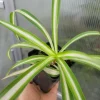
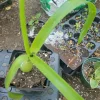
Pregnant Onion Plant Live – Albuca bracteata Houseplant – Potted, Green
-50%
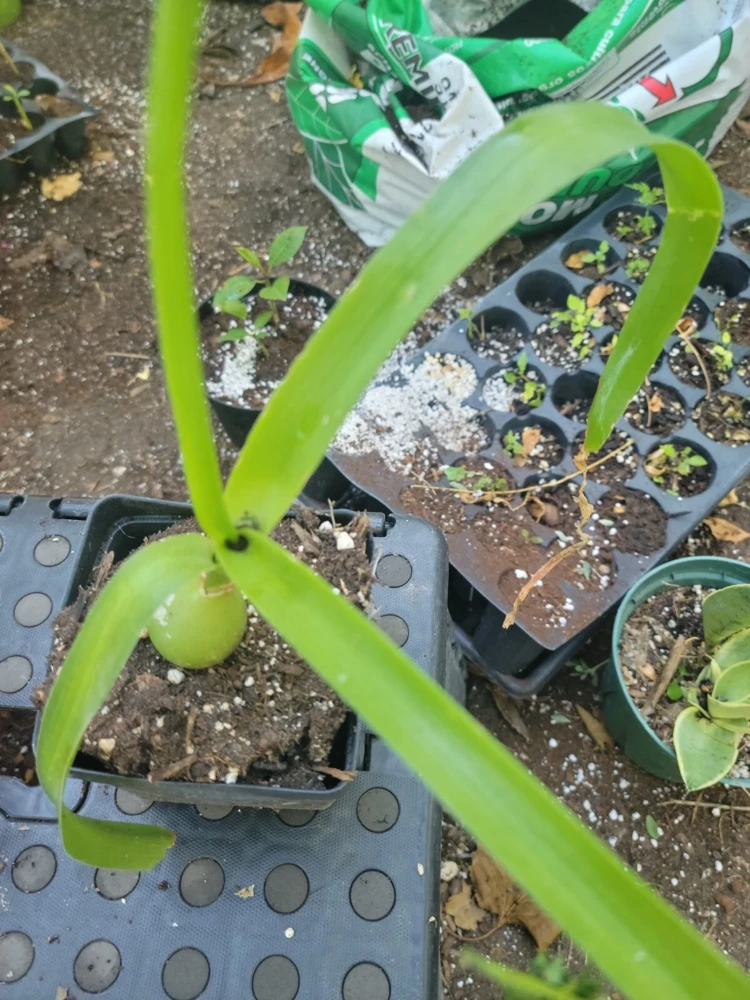
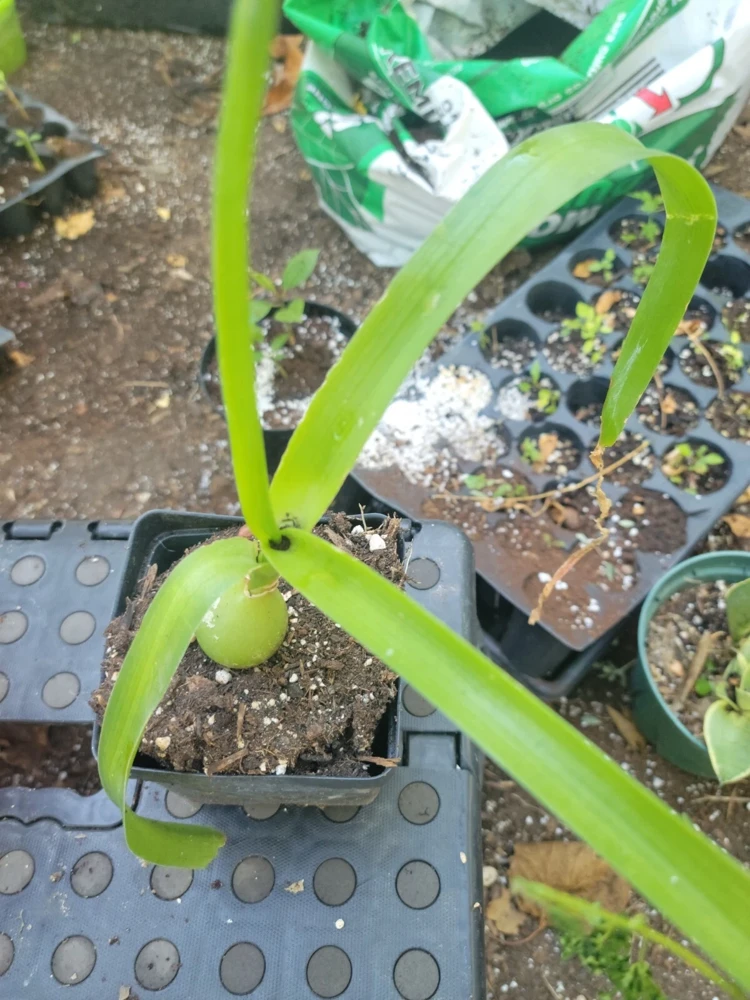
Pregnant Onion Plant Live – Albuca bracteata Houseplant – Potted, Green
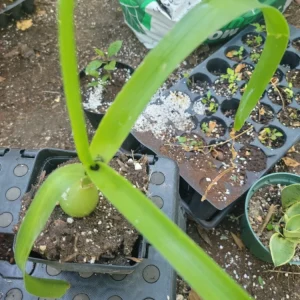
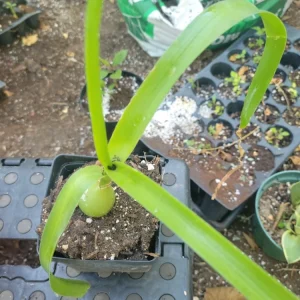
Bring home a fascinating pregnant onion live plant (Albuca bracteata), known for its unique bulb growth and easy care. This distinctive houseplant is perfect for beginners and adds an exotic touch to any indoor space. Enjoy its evergreen foliage and low-maintenance nature.
Original price was: $60.00.$30.00Current price is: $30.00.

With our Alive & Thrive Guarantee, we’ve got your back for the first 30 days! If you have any concerns about your plants, just reach out to us. Our team is here to help answer your questions and guide you in selecting the best plants for your garden, climate, and unique preferences. We're excited to help you create the garden of your dreams!
Estimated arrival
Oct 08
Oct 13 - Oct 15
Oct 18 - Oct 22

Product Details
Overview
Introduce a truly unique botanical specimen to your collection with the pregnant onion live plant. Also known by its scientific name, Albuca bracteata, and common names like False Sea Onion or Mother of Thousands, this fascinating succulent is prized for its distinctive bulb that produces smaller ‘baby’ bulbs, giving it its charming ‘pregnant’ appearance. Originating from South Africa, this evergreen perennial is a conversation starter and a joy to watch grow. It’s an exceptionally resilient and low-maintenance indoor plant, making it an ideal choice for both novice and experienced plant enthusiasts looking for something out of the ordinary. Its ability to thrive with minimal fuss, combined with its unusual growth habit, makes the pregnant onion live plant a captivating addition to any home or office environment.
The Albuca bracteata is not only visually appealing but also incredibly adaptable, flourishing in a range of indoor conditions. Its long, strap-like green leaves gracefully emerge from the bulb, creating an elegant display. Unlike many other plants, the charm of the pregnant onion lies in its ever-evolving bulb, which continuously develops new offsets. This characteristic ensures a lively and dynamic plant that offers continuous interest. Embrace the beauty and simplicity of this remarkable succulent, and enjoy the unique presence it brings to your living space. This pregnant onion live plant is a testament to nature’s ingenuity and a delightful living decor piece.
Key Benefits
The pregnant onion live plant offers a multitude of benefits, making it a highly desirable choice for indoor gardening. Its unique characteristics contribute to a pleasant and engaging plant ownership experience.
- Unique Ornamental Appeal: The most striking feature is its bulb, which develops smaller ‘baby’ bulbs on its surface, resembling a pregnant belly. This unusual growth pattern makes it a constant source of fascination and a distinctive decorative element.
- Low Maintenance & Easy Care: This plant is incredibly forgiving and requires minimal attention, making it perfect for busy individuals or those new to plant care. Its resilience ensures it thrives even with occasional neglect.
- Air Purification: Like many houseplants, the Albuca bracteata contributes to a healthier indoor environment by naturally filtering toxins from the air, improving air quality in your home or office.
- Evergreen Foliage: Enjoy lush, green foliage all year round. The strap-like leaves provide a constant splash of natural color, adding life to any room regardless of the season.
- Drought Tolerant: As a succulent, the pregnant onion live plant is highly drought-tolerant, capable of storing water in its bulb. This means less frequent watering is needed, reducing the risk of overwatering.
- Pet-Friendly: While always advisable to keep plants out of reach, this plant is generally considered non-toxic to pets, providing peace of mind for pet owners.
- Propagation Potential: The ‘baby’ bulbs that form can be easily removed and planted to create new plants, allowing you to share the beauty of this unique species with friends and family. This makes it an excellent value and a rewarding plant to cultivate.
Plant Care & Growing Tips
Caring for your pregnant onion live plant, or Albuca bracteata, is straightforward, making it an excellent choice for beginners. This plant thrives on a bit of neglect, so avoid overthinking its needs. It prefers bright, indirect sunlight, ideally from an east or west-facing window. While it can tolerate some direct morning sun, prolonged exposure to harsh afternoon sun can scorch its leaves. If placing it outdoors, ensure it’s in a shaded area. The ideal temperature range for this plant is between 60-75°F (15-24°C), making typical indoor temperatures suitable. It is hardy in USDA zones 11 (40 to 50 °F), meaning it cannot tolerate frost and should be brought indoors or protected in colder climates.
Watering is perhaps the most critical aspect of Albuca bracteata care. Being a succulent, it is highly susceptible to rot if overwatered. Allow the soil to dry out completely between waterings. In winter, during its dormant period, reduce watering significantly. In warmer months, you might water every 2-4 weeks, depending on humidity and temperature. Use a well-draining soil mix; a standard cactus or succulent potting mix is ideal. A mix containing loam, sand, and perlite will ensure excellent drainage. Repotting is rarely needed, as these plants prefer to be a bit root-bound. When you do repot, choose a pot only slightly larger than the current one and ensure it has drainage holes. Fertilize sparingly, once or twice during the growing season (spring and summer) with a diluted liquid fertilizer formulated for succulents.
Common problems for the pregnant onion live plant are few, primarily stemming from incorrect watering. Yellowing leaves often indicate overwatering, while shriveled leaves might suggest underwatering (though this is less common). Pests are generally not an issue, but occasionally mealybugs might appear. Treat any infestations with an insecticidal soap or neem oil. With these simple guidelines for Albuca bracteata care, your plant will flourish and continue to produce its fascinating ‘baby’ bulbs, providing you with many years of enjoyment as a truly unique indoor plant.
Size & Details
The pregnant onion live plant typically grows to a moderate size, making it suitable for various indoor settings. The bulb itself can reach several inches in diameter, continually producing offsets. Its foliage, consisting of long, strap-like green leaves, can extend up to 18-24 inches in length, creating an elegant arching display. This plant generally grows at a moderate rate, with new ‘baby’ bulbs appearing throughout the year, especially during active growth periods. When shipped, the plant is typically a young, healthy specimen, often potted in a small nursery container, ensuring its safe arrival and immediate placement in your home.
This particular easy-care houseplant is delivered as a live, potted plant, ready to be enjoyed. The pot size will typically be between 2-4 inches, providing ample space for its initial growth. It is an evergreen plant, offering year-round interest with its vibrant green foliage and continuously developing bulb. While it can produce small, green-white flowers, the primary ornamental appeal lies in its unique bulb and foliage. Expect it to quickly settle into its new environment, bringing its distinctive charm and low-maintenance beauty to your indoor plant collection. The False Sea Onion is a resilient and rewarding plant that brings a touch of exotic flair.
Frequently Asked Questions
- Q: How big does this plant get? A: The central bulb of the pregnant onion live plant can grow several inches in diameter, while its strap-like leaves can reach lengths of 18-24 inches. It typically maintains a compact form, making it ideal for tabletops and shelves.
- Q: Is this an indoor or outdoor plant? A: This plant is primarily an indoor plant in most climates due to its sensitivity to frost. It can be grown outdoors in USDA zones 11 and above, or brought inside during colder months.
- Q: How much sunlight does it need? A: The Albuca bracteata care routine suggests bright, indirect light is best. A few hours of morning sun is acceptable, but avoid harsh afternoon direct sunlight which can scorch its leaves.
- Q: Is this plant easy to care for? A: Yes, the pregnant onion is known for being an easy-care houseplant and is highly recommended for beginners. It tolerates neglect well, particularly regarding watering.
- Q: What condition will it arrive in? A: Your plant will arrive as a live, healthy, potted specimen, carefully packaged to ensure its safety during transit. It will be ready to be placed in your chosen spot upon arrival.
- Q: How often should I water my pregnant onion? A: Water sparingly. Allow the soil to dry out completely between waterings. Overwatering is the most common cause of problems for this succulent. Reduce watering significantly in winter.
- Q: What kind of soil is best for this plant? A: A well-draining soil mix is crucial. A cactus or succulent potting mix with added perlite or sand is ideal to prevent waterlogging and promote healthy root growth for your unique indoor plant.
- Q: Can I propagate the ‘baby’ bulbs? A: Yes, the small bulbs that form on the mother bulb can be gently removed and planted in their own pots to create new plants. This is a very easy way to propagate and share your False Sea Onion.
- Q: Is the pregnant onion pet-safe? A: While generally considered non-toxic, it’s always best to keep plants out of reach of curious pets to prevent any potential mild irritation if ingested.
- Q: Does this plant flower? A: Yes, the pregnant onion can produce small, greenish-white, star-shaped flowers on a tall stalk, although its primary appeal is its unique bulb and foliage.
Related products
-36%
Original price was: $39.00.$25.00Current price is: $25.00.
-39%
Original price was: $49.00.$29.99Current price is: $29.99.
-35%

Original price was: $37.24.$24.20Current price is: $24.20.

-30%
Original price was: $25.98.$18.18Current price is: $18.18.
PLANTING & CARE
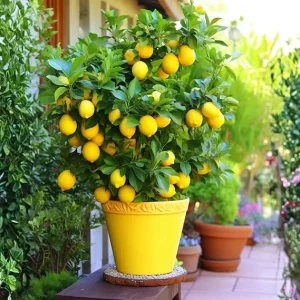
Lemon Tree Growing: Choose, Plant, and Harvest
Learn how to choose, plant, feed, and protect a lemon tree so it fits your
23
Sep
Sep
Dwarf Meyer Lemon Tree Australia: Climate Guide
Learn where dwarf Meyer lemon trees grow, how much cold they tolerate, and whether Australia,
Where to Buy a Dwarf Meyer Lemon Tree: Buyer’s Guide
Find the right dwarf Meyer lemon tree online or locally, compare starter sizes and costs,
Dwarf Meyer Lemon Tree for Sale: Buying Guide
Compare Meyer lemon tree sizes, prices, shipping limits, indoor growing and California options before you
Dwarf Meyer Lemon Tree Guide: Size, Care and Fruit
META: Learn how large a dwarf Meyer lemon tree grows, where it thrives, and how
How to Prune a Dwarf Meyer Lemon Tree
Learn when and how to prune a dwarf Meyer lemon tree, including tools, shaping cuts,
Can You Grow a Dwarf Meyer Lemon Tree in a Pot?
META: Learn how to grow a dwarf Meyer lemon tree in a pot, including container
When Do Dwarf Meyer Lemon Trees Bloom and Fruit?
META: Dwarf Meyer lemon trees usually bloom from winter through spring and may flower again