Zebra Spider Plant Live Plant – Variegated Chlorophytum laxum Houseplant – Air Purifying
-50%
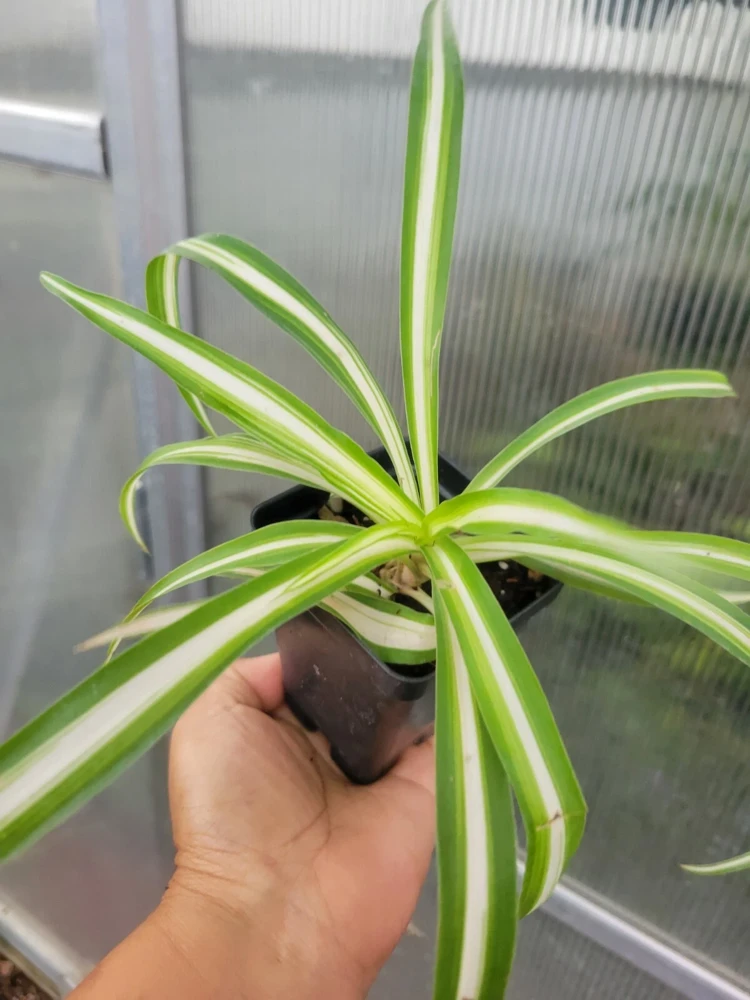
Zebra Spider Plant Live Plant – Variegated Chlorophytum laxum Houseplant – Air Purifying
Bring vibrant greenery into your space with the stunning Zebra Spider Plant. This variegated Chlorophytum laxum is a popular, low-maintenance houseplant known for its attractive striped foliage and air-purifying qualities. Ideal for beginners and seasoned plant enthusiasts alike, it thrives indoors and adds a touch of natural beauty to any room.
Original price was: $28.00.$14.00Current price is: $14.00.

With our Alive & Thrive Guarantee, we’ve got your back for the first 30 days! If you have any concerns about your plants, just reach out to us. Our team is here to help answer your questions and guide you in selecting the best plants for your garden, climate, and unique preferences. We're excited to help you create the garden of your dreams!
Estimated arrival
Oct 08
Oct 13 - Oct 15
Oct 18 - Oct 22

Product Details
-
USDA Hardiness Zone
USDA zones 9-11 (outdoors); year-round indoors -
Soil type
Well-draining potting mix -
Sunlight Exposure
Bright indirect light -
Expected Planting Period
Year-round indoors
Overview
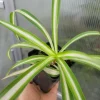
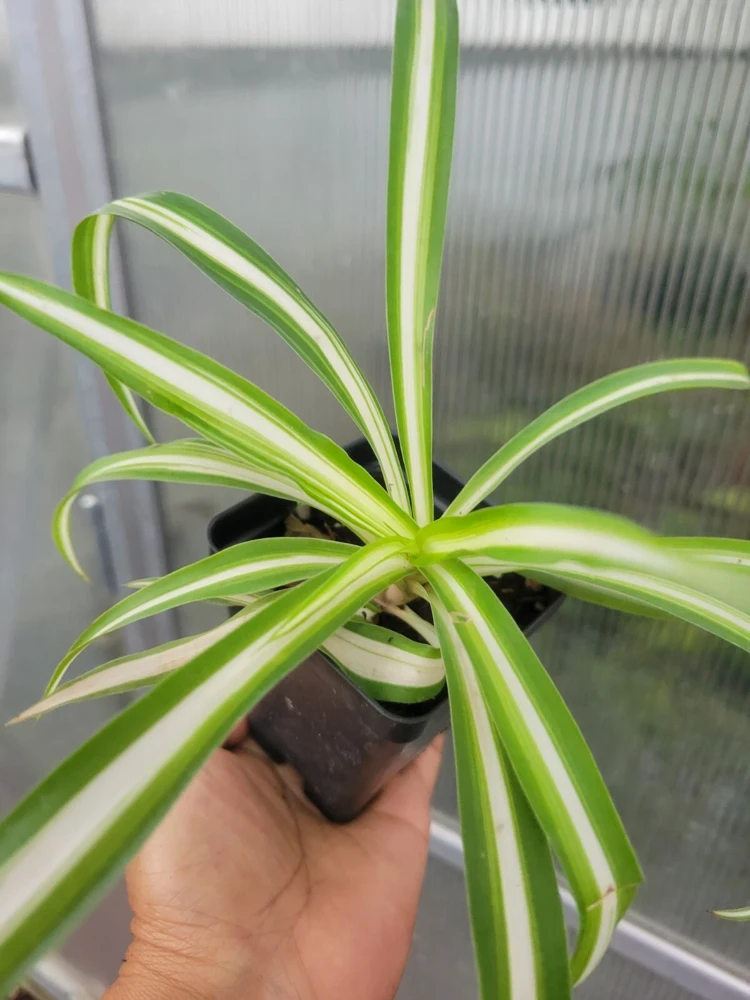
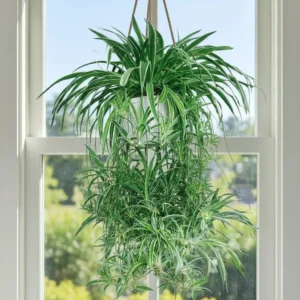
Transform your living space with the vibrant and resilient zebra spider plant, scientifically known as Chlorophytum laxum ‘Zebra’. This particular variety of spider plant stands out with its striking variegated foliage, featuring bright green leaves edged with creamy white stripes, creating a captivating display. As a beloved houseplant, the zebra spider plant is not only aesthetically pleasing but also celebrated for its exceptional air-purifying capabilities, effectively removing common toxins from indoor environments. Whether you’re a seasoned plant parent or just beginning your green journey, this easy-to-grow plant is an excellent choice, offering both beauty and health benefits with minimal fuss. Its graceful arching leaves and propensity to produce ‘plantlets’ make it a dynamic and rewarding addition to any indoor setting, from hanging baskets to desktop decor.
The Chlorophytum laxum ‘Zebra’ is a cultivar of the widely recognized spider plant family, known for its adaptability and hardiness. Its common name, zebra spider plant, perfectly describes its distinctive striped appearance, reminiscent of a zebra’s markings. This plant is a fantastic way to introduce natural elements into your home or office, creating a more serene and healthy atmosphere. Its versatility allows it to thrive in various light conditions and it’s generally forgiving of occasional neglect, making it one of the most reliable and enduring choices for indoor gardening.
Key Benefits
The zebra spider plant offers numerous advantages beyond its charming appearance, making it a highly desirable addition to any plant collection. Its combination of aesthetic appeal and practical benefits contributes to a healthier and more enjoyable living environment.
- Exceptional Air Purification: The zebra spider plant is renowned for its ability to filter indoor air, removing harmful toxins such as formaldehyde, xylene, and carbon monoxide. This makes it an excellent choice for improving air quality in homes and offices, contributing to better health and well-being.
- Low Maintenance & Easy Care: Perfect for beginners, this variegated spider plant is incredibly forgiving. It tolerates a range of conditions and doesn’t demand constant attention, making it one of the easiest easy care houseplants to grow successfully.
- Striking Variegated Foliage: The bright green leaves with creamy white edges create a beautiful contrast, adding a lively and elegant touch to any decor. Its arching form and vibrant colors ensure it stands out as a decorative focal point.
- Pet-Friendly Plant: Unlike many common houseplants, the chlorophytum laxum is non-toxic to cats and dogs, providing peace of mind for pet owners who want to introduce more greenery into their homes.
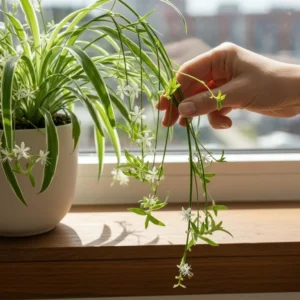
- Easy Propagation: The plant produces ‘spiderettes’ or plantlets on long stems, which can be easily detached and rooted to create new plants. This makes it simple to expand your collection or share with friends without extra cost.
- Versatile Placement: Suitable for a variety of settings, the zebra spider plant looks fantastic in hanging baskets, on shelves, or as a vibrant desk plant. It adapts well to different light levels, making it flexible for various room placements.
- Boosts Mood and Productivity: Studies suggest that having plants like the air purifying plants in your environment can reduce stress, improve concentration, and enhance overall mood, fostering a more positive atmosphere.
Plant Care & Growing Tips
Caring for your zebra spider plant is straightforward, making it an ideal choice for both novice and experienced plant enthusiasts. Providing the right conditions will ensure your variegated spider plant thrives and produces abundant plantlets.
Sunlight Requirements: The Chlorophytum laxum prefers bright, indirect light. Direct sunlight can scorch its leaves, causing them to turn brown, especially the variegated parts. An east- or north-facing window is often ideal. If you don’t have enough natural light, it can also do well under fluorescent lights. While it can tolerate lower light conditions, its variegation may become less pronounced, and growth might slow. Aim for a spot where it receives several hours of diffused light each day.
Watering Schedule: Water thoroughly when the top inch of soil feels dry to the touch. It’s better to underwater slightly than to overwater, as spider plants are susceptible to root rot. Ensure proper drainage in the pot to prevent waterlogging. During the growing season (spring and summer), it will need more frequent watering. Reduce watering in the dormant winter months. If your tap water contains fluoride or chlorine, consider using filtered water or leaving tap water out overnight to allow chemicals to dissipate, as these can cause brown tips on the leaves.
Soil Type and Drainage: A well-draining potting mix is crucial for the health of your zebra spider plant. A standard all-purpose potting mix amended with perlite or coarse sand will provide the aeration and drainage it needs. Good drainage prevents water from sitting around the roots, which is vital for preventing root rot. Repotting every 1-2 years into a slightly larger pot with fresh soil will also benefit its growth.
Temperature and Humidity: Spider plants thrive in average room temperatures, ideally between 65-75°F (18-24°C). They can tolerate slightly cooler temperatures but should be protected from drafts and temperatures below 50°F (10°C). While they appreciate moderate to high humidity, they are quite adaptable to average household humidity levels. If your home is particularly dry, especially in winter, occasional misting or placing the plant near a humidifier can be beneficial. The USDA hardiness zone for outdoor planting is typically 9-11, but as an indoor plant, consistent indoor temperatures are key.
Fertilization: Feed your easy care houseplants every 2-4 weeks during the active growing season (spring and summer) with a balanced liquid fertilizer diluted to half strength. Avoid fertilizing in fall and winter when the plant’s growth slows down. Over-fertilization can lead to salt buildup in the soil, which can also cause leaf tip burn.
Common Problems: Brown leaf tips are a common issue, often due to fluoride/chlorine in water, low humidity, or inconsistent watering. Address these factors to mitigate the problem. Pests are rare but keep an eye out for spider mites or mealybugs, especially in dry conditions. Treat promptly with insecticidal soap if detected.
Size & Details
This zebra spider plant is typically shipped as a bare root specimen, ensuring a healthy and robust start in your home. Bare root plants are carefully prepared for shipping to minimize stress and encourage rapid establishment once planted. Upon arrival, you will need to pot it in a suitable container with well-draining soil. These plants are known for their moderate to fast growth rate, quickly developing into a lush, full specimen.
Mature chlorophytum laxum plants can reach a spread of 12-24 inches (30-60 cm) and produce numerous ‘spiderettes’ that cascade attractively. The individual leaves usually grow 6-18 inches long, displaying their characteristic green and white variegation. With proper care, your plant will begin to produce these charming plantlets within its first year, offering endless opportunities for propagation. The zebra spider plant makes a wonderful statement piece or an elegant addition to a plant collection, bringing vibrant life and cleaner air to your indoor environment.
Frequently Asked Questions
- Q: How big does this zebra spider plant get? A: A mature zebra spider plant typically reaches a spread of 12-24 inches (30-60 cm) with leaves growing up to 18 inches long. Its size can also be influenced by the pot size and growing conditions.
- Q: Is this an indoor or outdoor plant? A: While spider plants can be grown outdoors in warmer climates (USDA zones 9-11), the Chlorophytum laxum is primarily cultivated as an indoor plant in most regions due to its preference for consistent temperatures and protection from harsh weather.
- Q: How much sunlight does my variegated spider plant need? A: This plant thrives in bright, indirect light. Avoid direct sunlight, which can scorch the leaves and fade the variegation. A spot near an east or north-facing window is usually ideal.
- Q: Is this plant easy to care for? Is it good for beginners? A: Yes, the zebra spider plant is considered one of the easiest easy care houseplants to grow and is highly recommended for beginners due to its forgiving nature and adaptability.
- Q: What condition will the bare root zebra spider plant arrive in? A: Your plant will arrive as a healthy bare root specimen, carefully packaged to ensure its vitality during transit. It will need to be potted promptly upon arrival.
- Q: How often should I water my chlorophytum laxum? A: Water when the top inch of soil feels dry. The frequency will vary based on temperature, light, and humidity, but generally, it’s about once a week during the growing season.
- Q: Is the zebra spider plant safe for pets? A: Yes, spider plants are considered non-toxic to cats and dogs, making them a safe choice for homes with pets. This makes them great air purifying plants for pet owners.
- Q: How do I propagate my zebra spider plant? A: Spider plants are easily propagated from the ‘spiderettes’ or plantlets that grow on long stems. Simply snip them off and place them in water or directly into moist soil to root.
- Q: Why are the tips of my variegated spider plant turning brown? A: Brown tips are often caused by fluoride or chlorine in tap water, low humidity, or inconsistent watering. Using filtered water or increasing humidity can help.
- Q: What kind of soil is best for this plant? A: A well-draining potting mix is essential. A standard indoor potting mix amended with perlite for extra drainage is recommended for the Chlorophytum laxum.
Related products
-30%
Original price was: $79.98.$55.98Current price is: $55.98.
-30%
Original price was: $79.98.$55.98Current price is: $55.98.
-35%

Original price was: $72.52.$47.14Current price is: $47.14.
PLANTING & CARE
Lemon Tree Growing: Choose, Plant, and Harvest
Learn how to choose, plant, feed, and protect a lemon tree so it fits your
23
Sep
Sep
Dwarf Meyer Lemon Tree Australia: Climate Guide
Learn where dwarf Meyer lemon trees grow, how much cold they tolerate, and whether Australia,
Where to Buy a Dwarf Meyer Lemon Tree: Buyer’s Guide
Find the right dwarf Meyer lemon tree online or locally, compare starter sizes and costs,
Dwarf Meyer Lemon Tree for Sale: Buying Guide
Compare Meyer lemon tree sizes, prices, shipping limits, indoor growing and California options before you
Dwarf Meyer Lemon Tree Guide: Size, Care and Fruit
META: Learn how large a dwarf Meyer lemon tree grows, where it thrives, and how
How to Prune a Dwarf Meyer Lemon Tree
Learn when and how to prune a dwarf Meyer lemon tree, including tools, shaping cuts,
Can You Grow a Dwarf Meyer Lemon Tree in a Pot?
META: Learn how to grow a dwarf Meyer lemon tree in a pot, including container
When Do Dwarf Meyer Lemon Trees Bloom and Fruit?
META: Dwarf Meyer lemon trees usually bloom from winter through spring and may flower again