Purple Lilac Bush Live Plant – Fragrant Lavender Blooms – 4 inch Pot Outdoor
-50%
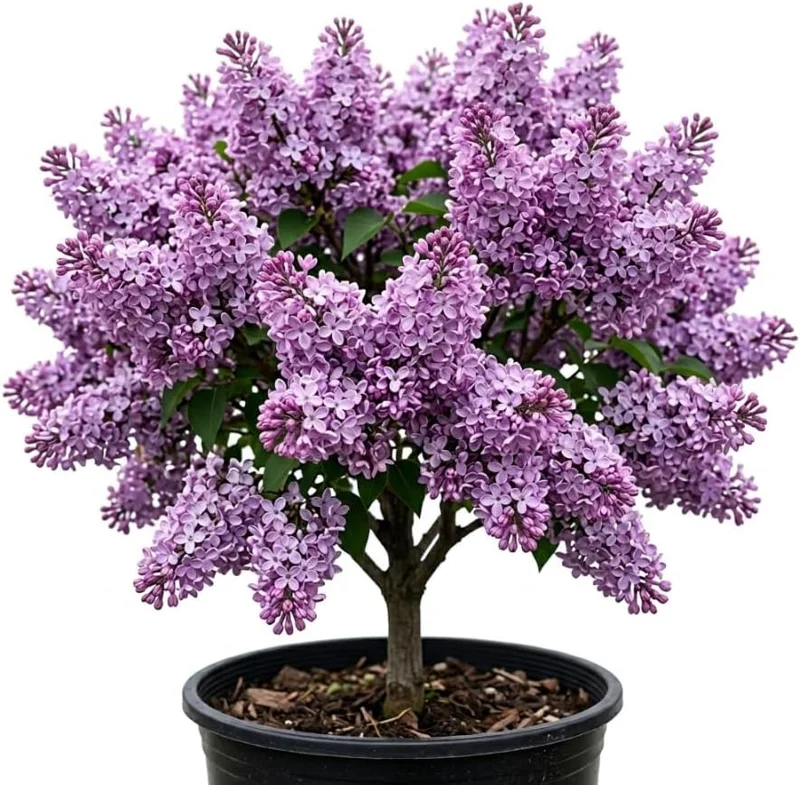
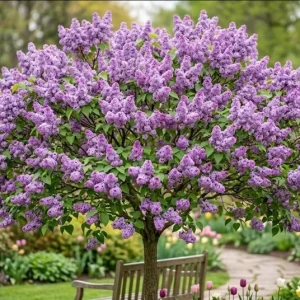
Purple Lilac Bush Live Plant – Fragrant Lavender Blooms – 4 inch Pot Outdoor
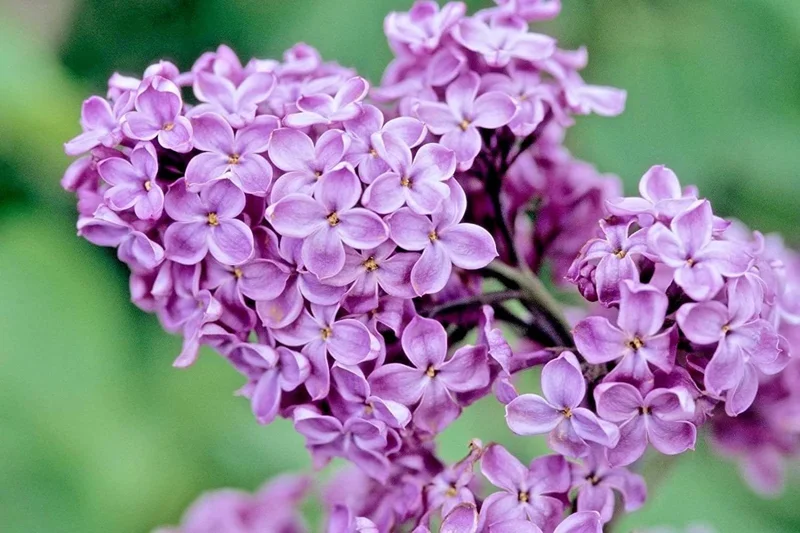
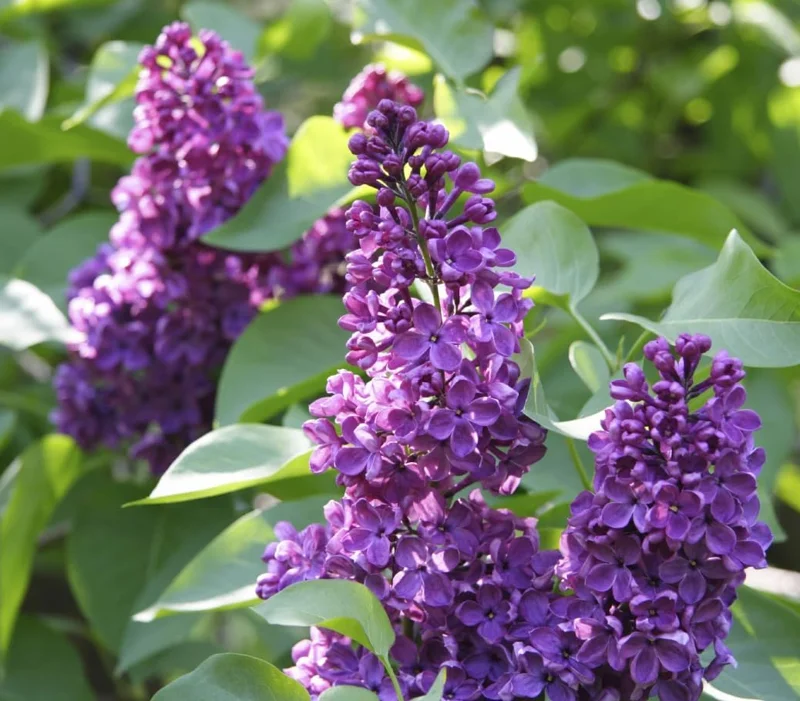
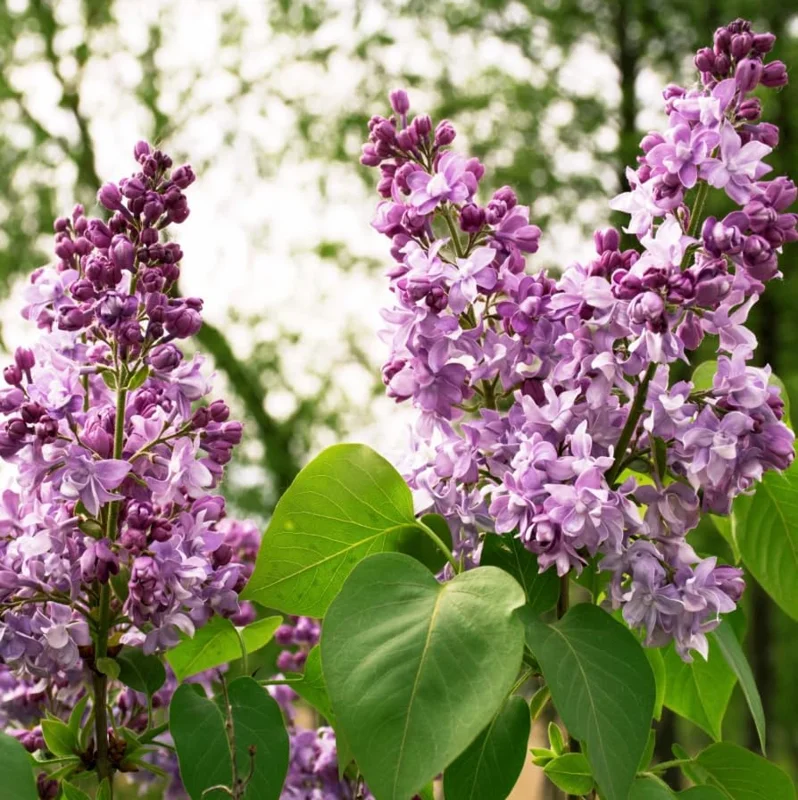
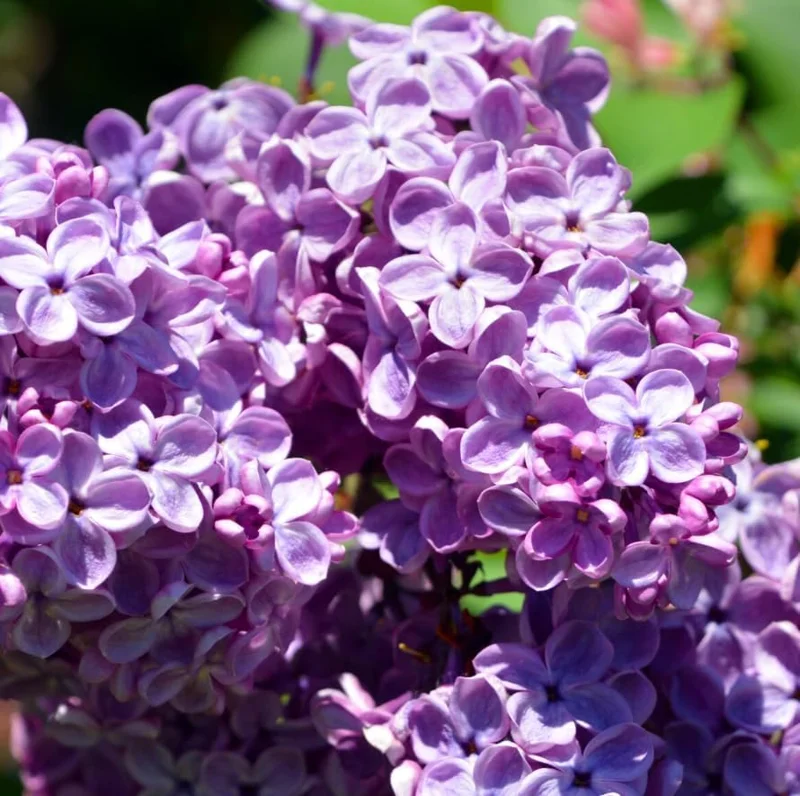
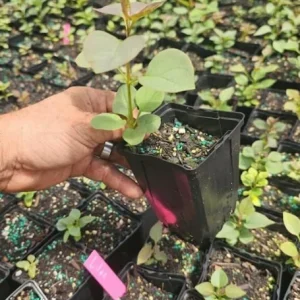
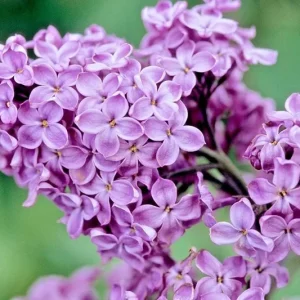
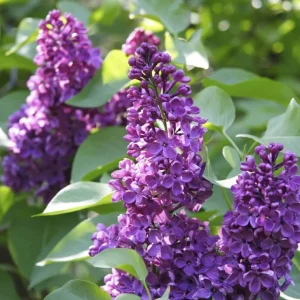
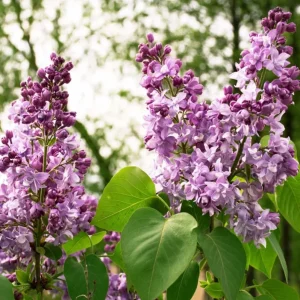
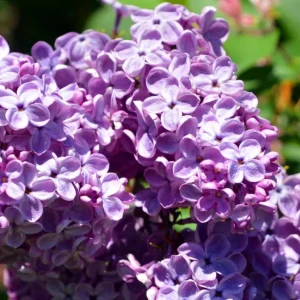
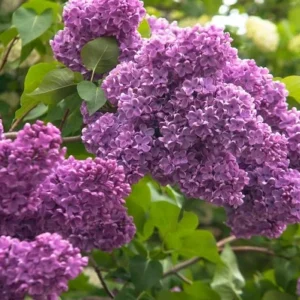
Bring timeless beauty and enchanting fragrance to your outdoor space with this purple lilac bush. This well-rooted lilac shrub arrives in a 4-inch pot, ready for planting, offering vibrant lavender-purple blossoms that attract pollinators and delight the senses. Ideal for garden beds, borders, or as a foundation planting.
Original price was: $37.98.$18.99Current price is: $18.99.

With our Alive & Thrive Guarantee, we’ve got your back for the first 30 days! If you have any concerns about your plants, just reach out to us. Our team is here to help answer your questions and guide you in selecting the best plants for your garden, climate, and unique preferences. We're excited to help you create the garden of your dreams!
Estimated arrival
Oct 21
Oct 26 - Oct 28
Oct 31 - Nov 04
Product Details
-
USDA Hardiness Zone
3-8 -
Soil type
Clay Soil (amend for well-draining) -
Sunlight Exposure
Full Sun -
Expected Planting Period
Spring to early Fall
Overview
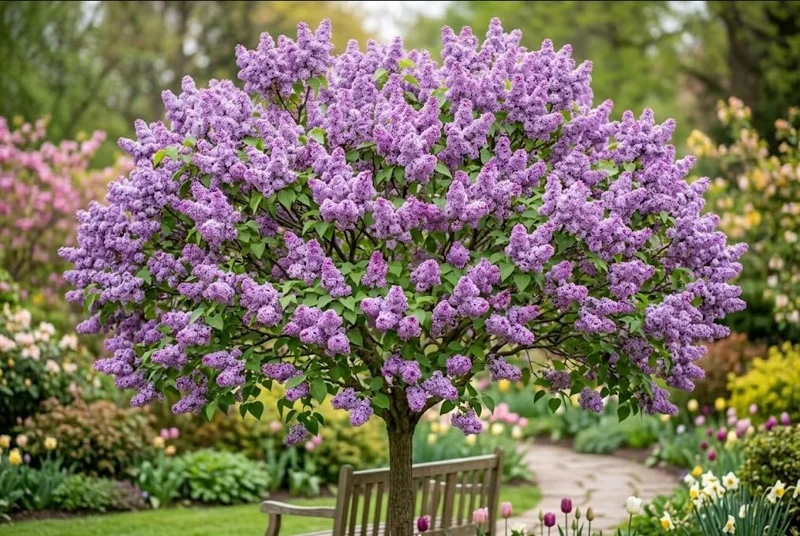
Transform your garden into a fragrant paradise with a stunning purple lilac bush. This live plant, specifically a Syringa Lilac Bush, is renowned for its breathtaking clusters of lavender-purple flowers that release an intoxicating sweet scent. Arriving as a well-rooted shrub in a 4-inch nursery pot, it’s perfectly prepared for immediate transplanting into your landscape. Ideal for zones 3-8, this ornamental tree offers a spectacular seasonal display, marking the arrival of spring with its vibrant hues and delightful aroma. The purple lilac bush is a classic choice for gardeners seeking both visual appeal and an unforgettable fragrance, making it a focal point in any outdoor setting.
Whether you’re creating a cottage garden, a privacy border, or enhancing existing shrub collections, this fragrant lilac plant promises years of beauty and enjoyment. Its adaptable nature and relatively low maintenance requirements once established make it a favorite among both novice and experienced gardeners. Get ready to experience the charm and elegance that only a lilac can provide, bringing a touch of timeless romance to your yard.
Key Benefits
Investing in a purple lilac bush offers numerous advantages, enriching your outdoor environment with its captivating presence and easy-going nature. Here are some of the standout benefits:
- Stunning Visual Appeal: Produces abundant clusters of vibrant lavender-purple blossoms that create a spectacular display, making it a focal point in any garden. The rich color adds depth and beauty to your landscape design.
- Enchanting Fragrance: Releases a delightful, sweet fragrance that can permeate your entire garden, attracting beneficial pollinators like bees and butterflies, and enhancing your outdoor living experience. This makes the fragrant lilac plant a sensory delight.
- Low Maintenance: Once established, this outdoor lilac shrub is remarkably adaptable and requires minimal care, thriving in sunny locations with well-draining soil. It’s a perfect choice for gardeners seeking beauty without constant upkeep.
- Versatile Landscaping: Suitable for a variety of garden applications, including foundation plantings, mixed shrub borders, cottage gardens, and even as an informal hedge. Its adaptability allows for creative garden design.
- Ready to Plant: Arrives as a well-rooted shrub in a 4-inch pot, ensuring a healthy start for your plant and making transplanting easy and successful. You can plant it directly into containers or garden beds.
- Hardy and Resilient: Thrives in USDA Hardiness Zones 3-8, demonstrating excellent cold tolerance and resilience, ensuring it will flourish in a wide range of climates. This ensures long-term enjoyment of your lavender lilac blossoms.
- Attracts Pollinators: The fragrant flowers are a magnet for bees, butterflies, and other beneficial insects, contributing to the biodiversity and health of your garden ecosystem.
Plant Care & Growing Tips
Caring for your purple lilac bush is straightforward, ensuring years of beautiful blooms and fragrance. Proper care begins with understanding its basic needs. Lilacs thrive in full sun, meaning they require at least 6 hours of direct sunlight per day to produce the most abundant flowers. Planting in a location that receives ample sunlight is crucial for optimal growth and bloom production. Without enough sun, your outdoor lilac shrub may become leggy and produce fewer flowers.
When it comes to soil, lilacs prefer well-draining soil. While the input mentions clay soil, it’s important to amend heavy clay soils with organic matter like compost to improve drainage and aeration. Good drainage is vital to prevent root rot. Once established, the Syringa lilac care routine is relatively low-maintenance. Water regularly during dry spells, especially in the first year after planting, to help the root system establish. However, avoid overwatering, as lilacs are somewhat drought-tolerant once mature. Fertilize in early spring with a balanced slow-release fertilizer if your soil is poor, but generally, lilacs don’t require heavy feeding.
Pruning is important for maintaining the shape and vigor of your purple lilac bush. The best time to prune is immediately after flowering in late spring or early summer. Remove spent flower clusters to encourage more blooms next year and prune out any dead, damaged, or crossing branches. You can also thin out older, thicker stems from the base to rejuvenate the plant. Lilacs are hardy in USDA Zones 3-8, making them suitable for a wide range of climates. Protecting young plants during harsh winters with mulch can be beneficial. Watch out for powdery mildew in humid conditions; good air circulation helps prevent this. Overall, with these simple steps, your fragrant lilac plant will flourish.
Size & Details
This offering is for one purple lilac bush, a live plant delivered in a 4-inch nursery pot. At maturity, this ornamental shrub is expected to reach a height of approximately 4 feet, creating a substantial presence in your garden. The plant’s growth rate is moderate, meaning it will establish and grow steadily over several seasons, eventually reaching its full potential. The 4-inch pot size ensures the plant has a healthy, developed root system, making it robust and ready for transplanting into its permanent location, whether that’s a larger container, a garden bed, or a landscape setting. The vibrant lavender lilac blossoms will typically appear in spring, providing a stunning seasonal display.
The plant is a well-rooted shrub, indicating it has been grown with care to ensure its readiness for your garden. While the initial size is compact for shipping, the plant is designed to quickly adapt and thrive once transplanted. Its mature dimensions make it an excellent choice for various garden designs, from individual specimens to part of a mixed border. With proper Syringa lilac care, you can expect this beautiful shrub to become a cherished part of your landscape for many years.
Frequently Asked Questions
- Q: How big does this purple lilac bush get? A: This purple lilac bush is expected to reach a mature height of approximately 4 feet. Its spread will be similar, creating a rounded, bushy form over time, making it a good size for most garden spaces.
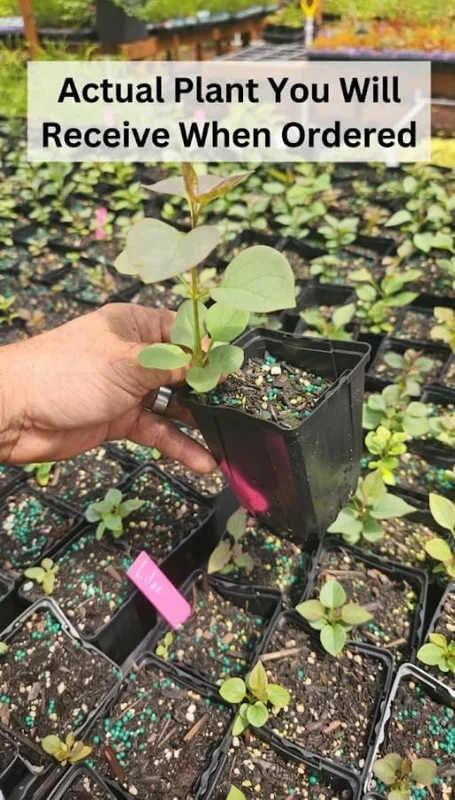
- Q: What size pot does it come in? A: The fragrant lilac plant arrives as a well-rooted shrub in a 4-inch nursery pot. This size is ideal for safe shipping and ensures the plant has a strong root system ready for transplanting.
- Q: Is this an indoor or outdoor plant? A: This is an outdoor lilac shrub. Lilacs require full sun and cold dormancy to bloom properly, making them unsuitable for indoor growing environments.
- Q: How much sunlight does it need? A: For the best blooms, your purple lilac bush needs at least 6 hours of direct sunlight per day. Full sun exposure is crucial for vigorous growth and abundant flowering.
- Q: Is this plant easy to care for? A: Yes, once established, this lilac is considered low-maintenance. It’s adaptable and hardy, making Syringa lilac care relatively easy for gardeners of all experience levels.
- Q: What condition will it arrive in? A: Your lilac will arrive as a healthy, well-rooted live plant in its 4-inch nursery pot, carefully packaged to ensure it reaches you in excellent condition, ready for planting.
- Q: How long until it blooms? A: Lilacs typically bloom in the spring. While the exact timing can vary, a healthy, established purple lilac bush should produce its beautiful lavender lilac blossoms in the spring following its first full growing season after planting.
- Q: When is the best time to plant this lilac? A: The best time to plant your lilac is in early spring or early fall. This allows the plant to establish its root system before the stress of summer heat or winter cold.
- Q: Will it survive winter in my zone? A: This lilac is hardy in USDA Hardiness Zones 3-8, meaning it is well-suited to survive winters in a wide range of temperate climates. Check your local USDA zone to confirm suitability.
- Q: What type of soil does it prefer? A: Lilacs prefer well-draining soil. While they can tolerate some clay, amending with organic matter is recommended for optimal growth and to prevent waterlogging.
Related products
-76%
Original price was: $103.96.$24.99Current price is: $24.99.
-20%
Original price was: $36.00.$28.80Current price is: $28.80.
-50%
Original price was: $49.98.$24.99Current price is: $24.99.
-50%


Original price was: $63.00.$31.50Current price is: $31.50.
-45%

Original price was: $220.00.$121.00Current price is: $121.00.
-50%


Original price was: $133.98.$66.99Current price is: $66.99.
PLANTING & CARE
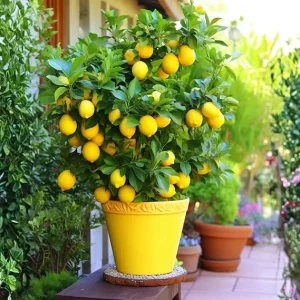
Lemon Tree Growing: Choose, Plant, and Harvest
Learn how to choose, plant, feed, and protect a lemon tree so it fits your
23
Sep
Sep
Dwarf Meyer Lemon Tree Australia: Climate Guide
Learn where dwarf Meyer lemon trees grow, how much cold they tolerate, and whether Australia,
Where to Buy a Dwarf Meyer Lemon Tree: Buyer’s Guide
Find the right dwarf Meyer lemon tree online or locally, compare starter sizes and costs,
Dwarf Meyer Lemon Tree for Sale: Buying Guide
Compare Meyer lemon tree sizes, prices, shipping limits, indoor growing and California options before you
Dwarf Meyer Lemon Tree Guide: Size, Care and Fruit
META: Learn how large a dwarf Meyer lemon tree grows, where it thrives, and how
How to Prune a Dwarf Meyer Lemon Tree
Learn when and how to prune a dwarf Meyer lemon tree, including tools, shaping cuts,
Can You Grow a Dwarf Meyer Lemon Tree in a Pot?
META: Learn how to grow a dwarf Meyer lemon tree in a pot, including container
When Do Dwarf Meyer Lemon Trees Bloom and Fruit?
META: Dwarf Meyer lemon trees usually bloom from winter through spring and may flower again