Purple Lilac Live Plant 6-12″ Tall – Old Fashioned Reblooming Bush for Outdoor
-50%
Purple Lilac Live Plant 6-12″ Tall – Old Fashioned Reblooming Bush for Outdoor
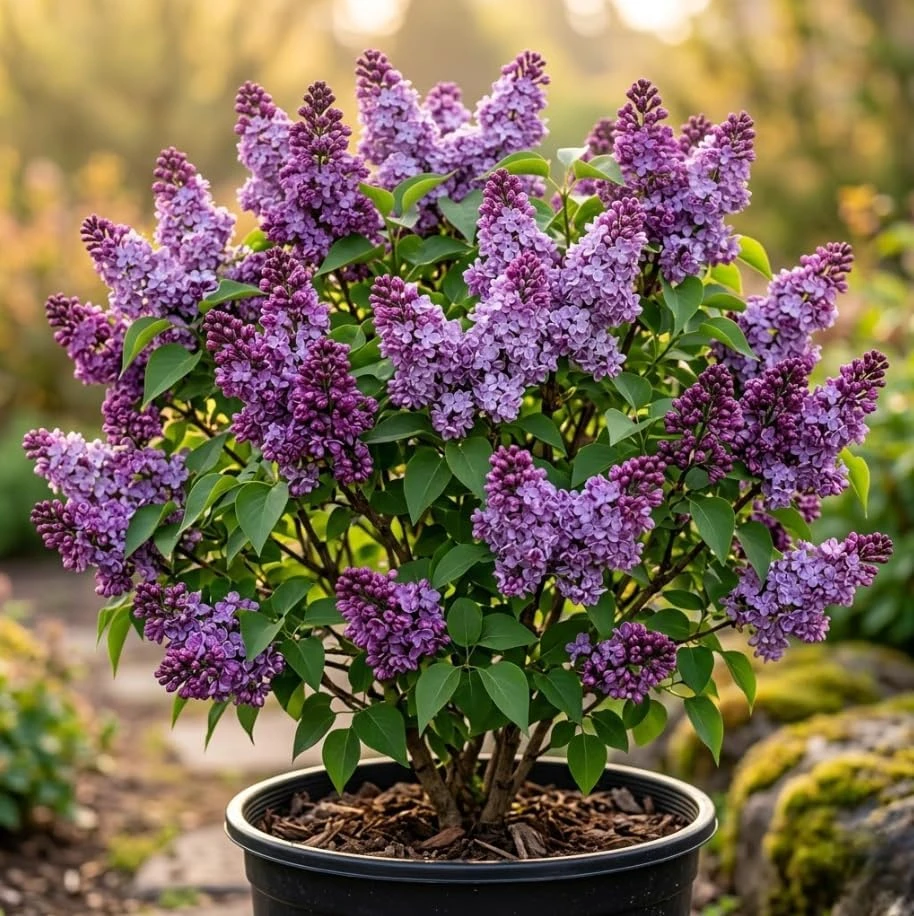
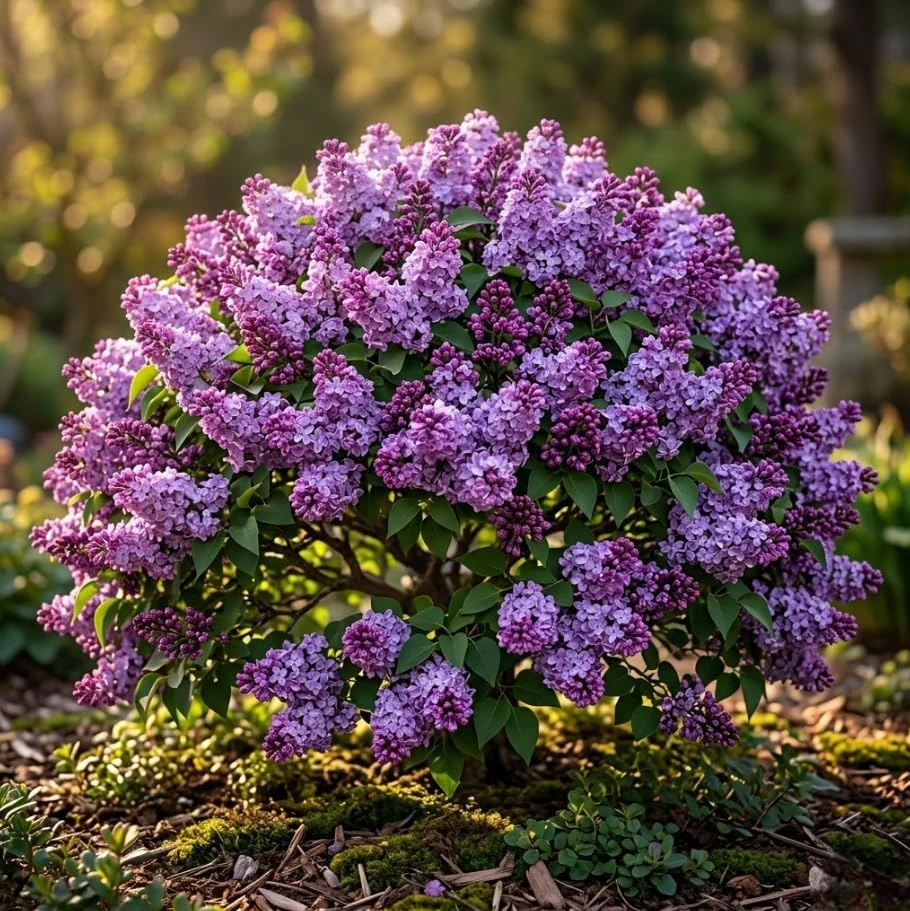
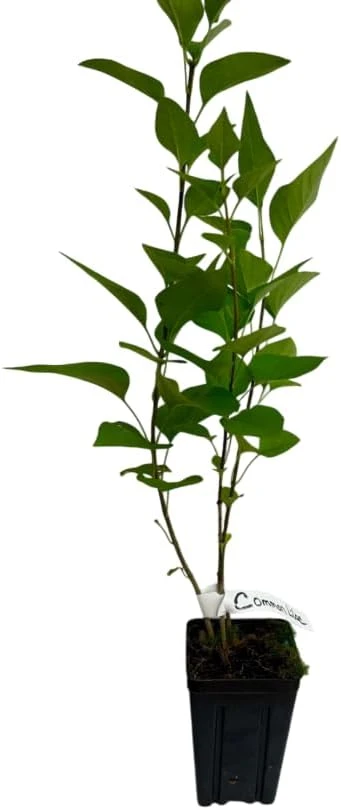
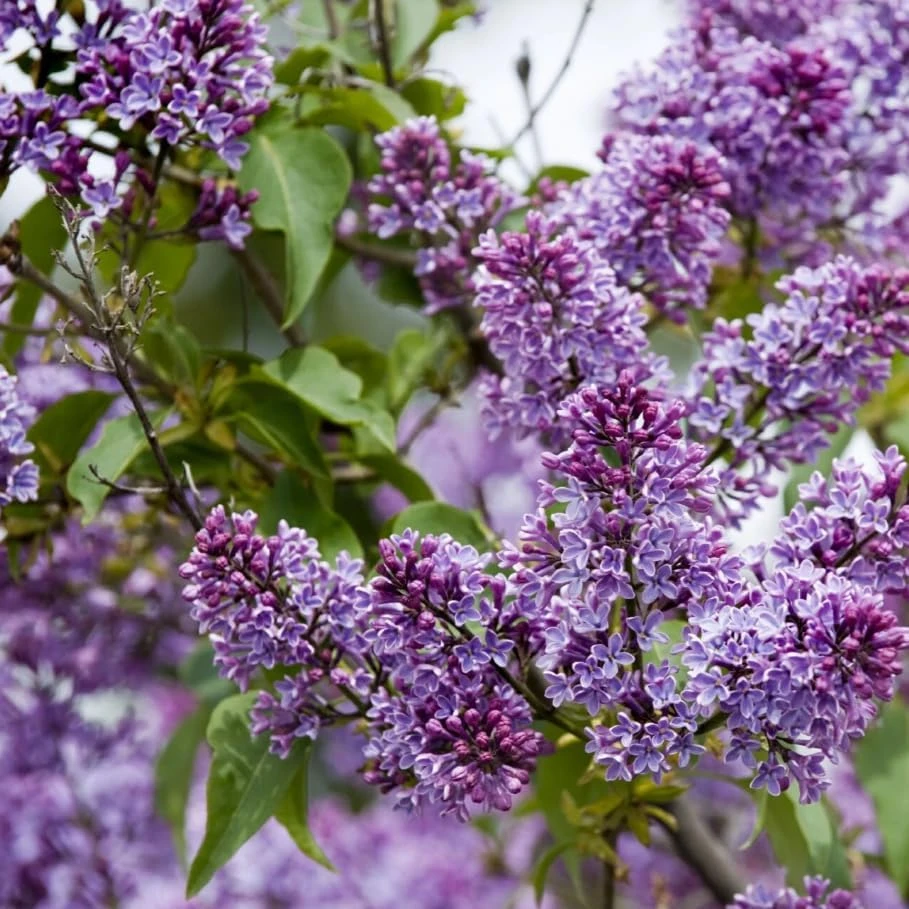
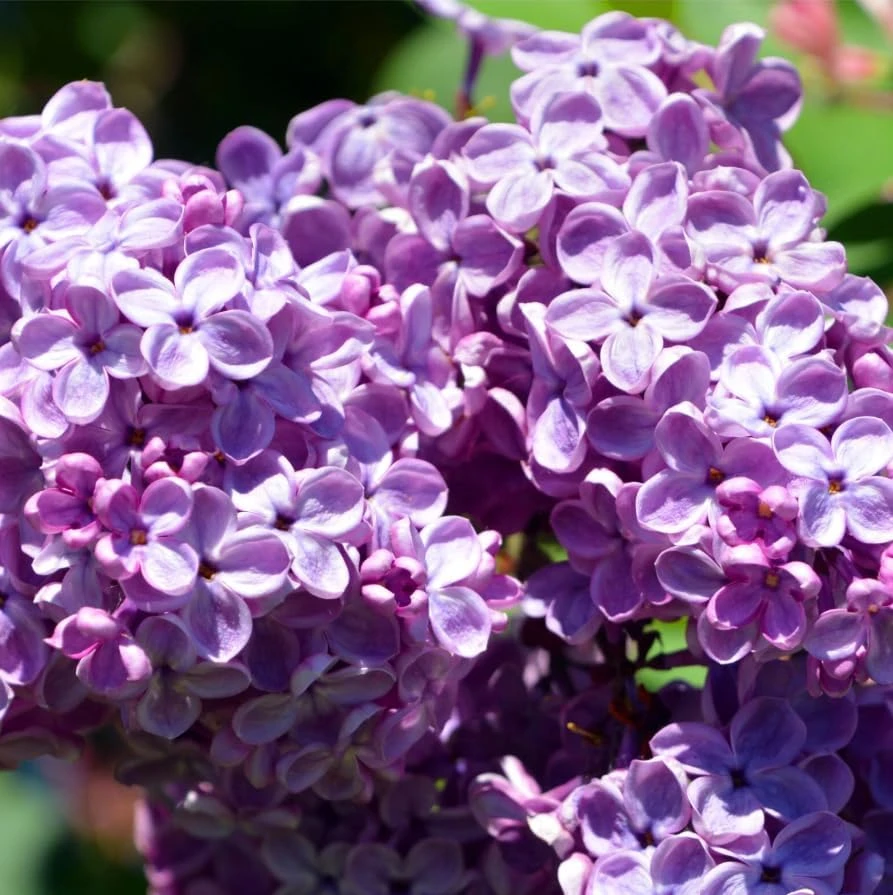
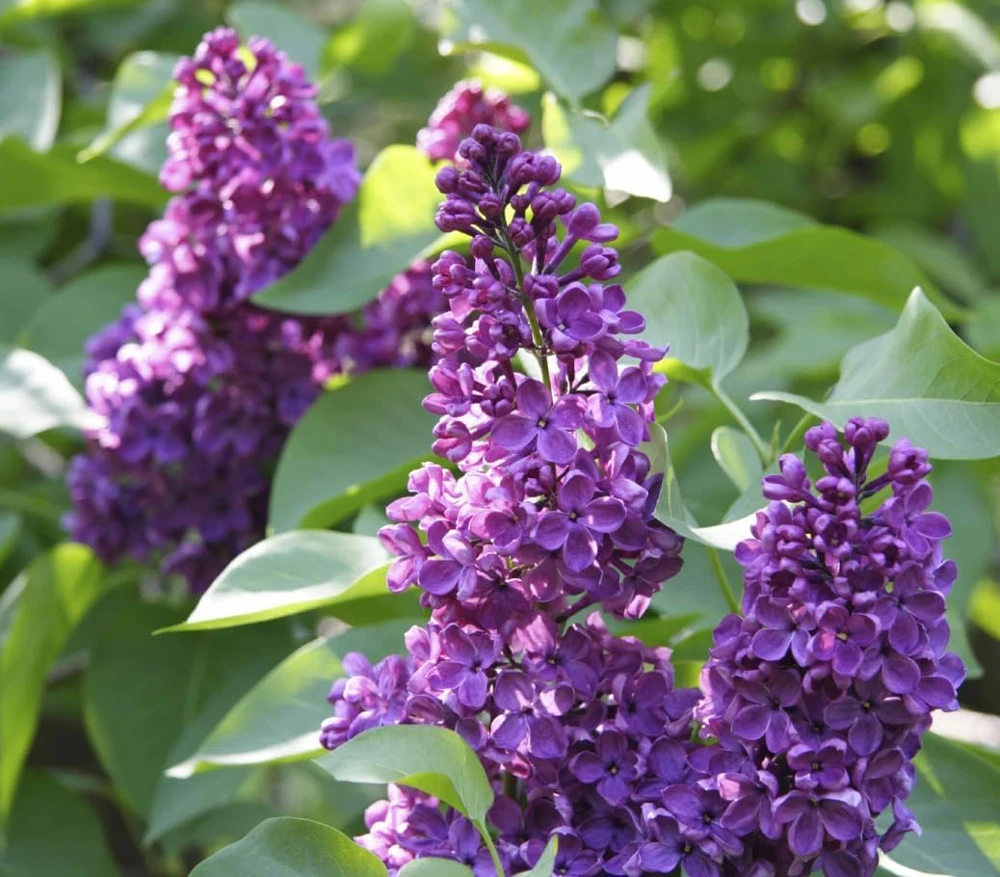
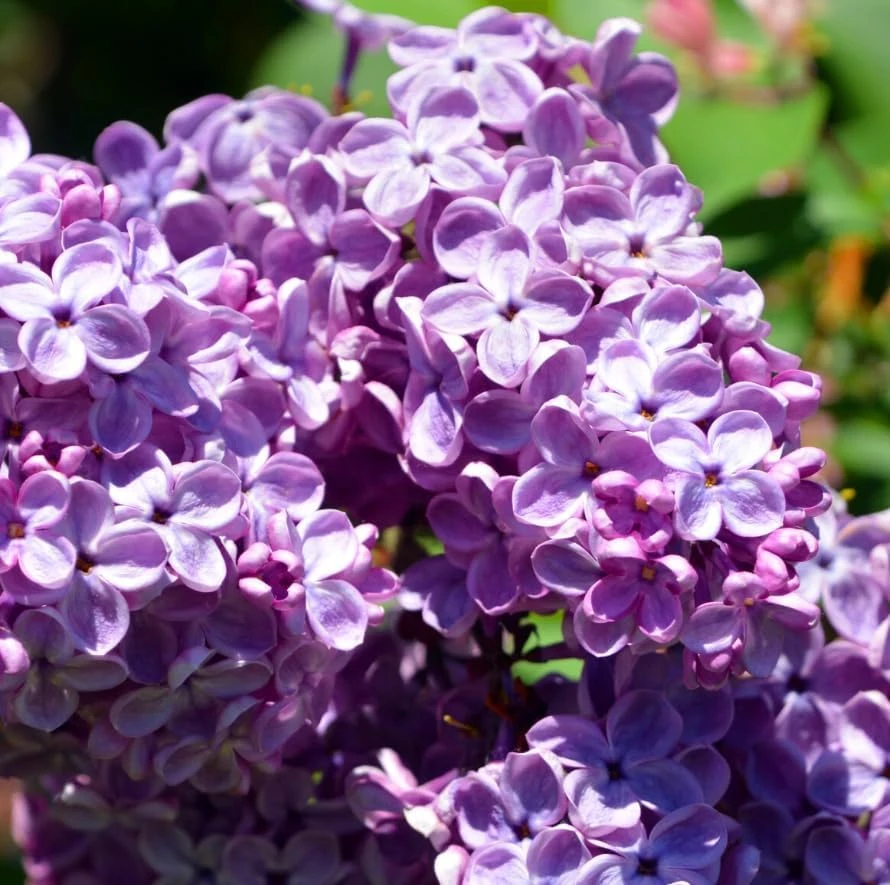
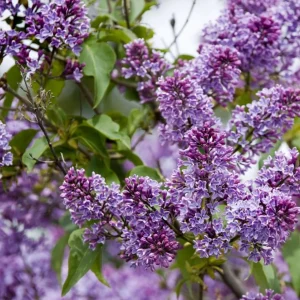
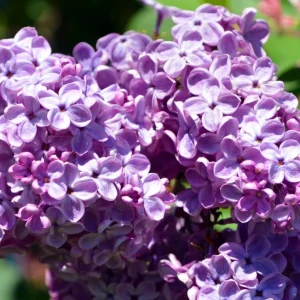
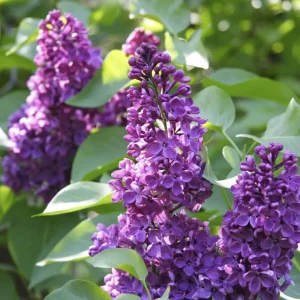
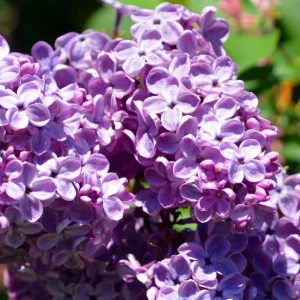
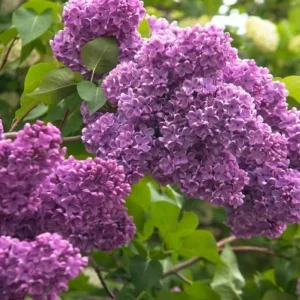
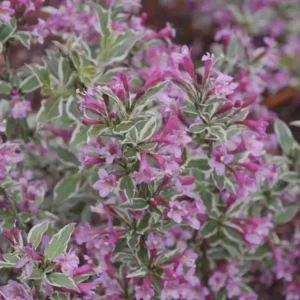
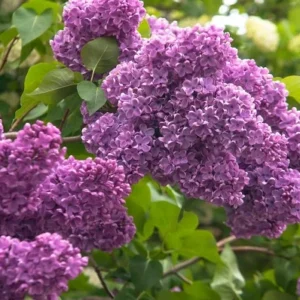
Bring classic beauty to your garden with this purple lilac live plant, standing 6-12 inches tall. This old fashion lilac bush produces fragrant clusters of rich purple blooms in spring and may rebloom later in the season, adding long-lasting color and charm to any outdoor space.
Original price was: $37.98.$18.99Current price is: $18.99.

With our Alive & Thrive Guarantee, we’ve got your back for the first 30 days! If you have any concerns about your plants, just reach out to us. Our team is here to help answer your questions and guide you in selecting the best plants for your garden, climate, and unique preferences. We're excited to help you create the garden of your dreams!
Estimated arrival
Oct 29
Nov 03 - Nov 05
Nov 08 - Nov 12


Product Details
-
USDA Hardiness Zone
USDA zones 3-7 -
Soil type
Well-draining, neutral to slightly alkaline soil -
Sunlight Exposure
Full sun -
Expected Planting Period
Early spring to fall
Overview
Discover the timeless elegance of the purple lilac live plant, a cherished addition to any garden or landscape. This particular variety, often referred to as an old fashion lilac bush, is celebrated for its breathtakingly fragrant clusters of rich purple blooms that emerge in spring. What makes this plant truly special is its potential to rebloom, extending its vibrant display and delightful aroma well beyond the initial spring flush. Known botanically as Syringa, this hardy and beautiful shrub is a staple in classic garden designs, offering both visual appeal and an intoxicating scent that can transform your outdoor living areas. Whether you’re creating a serene garden retreat or simply adding a touch of classic charm, this purple lilac live plant is an excellent choice for gardeners of all experience levels.
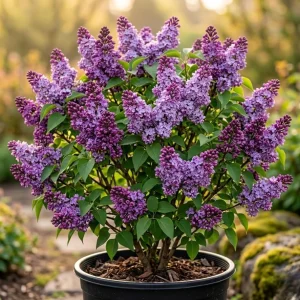
Our purple lilac live plant arrives established in a pot, ready for immediate transplanting into your garden, landscape bed, or a large decorative container. Standing between 6-12 inches tall, it provides a healthy start to growing a magnificent lilac bush. These reblooming varieties ensure that your garden will be filled with beautiful color and the iconic sweet scent for an extended period, making it a joy to behold throughout the growing season. The ease of care and adaptability of the syringa plant care makes it a popular choice for many climates across the US.
Key Benefits
Adding a purple lilac plant to your landscape offers a multitude of benefits, from its stunning visual appeal to its enchanting fragrance. This robust shrub is more than just a beautiful flower; it’s an experience for the senses and a low-maintenance solution for vibrant garden color.
- Exquisite Fragrance: The primary draw of the purple lilac live plant is its incredibly sweet and pervasive fragrance. The scent of lilac blooms fills the air, creating a truly sensory garden experience that evokes feelings of nostalgia and spring.
- Long-Lasting Blooms: Enjoy abundant clusters of rich purple flowers in spring. This reblooming variety offers the added benefit of potentially producing a second flush of blossoms later in the season, extending the period of beauty in your garden.
- Classic Garden Charm: An old fashion lilac bush brings a timeless, classic aesthetic to any landscape design. Its traditional beauty and strong visual presence make it a focal point, perfect for hedges, borders, or as a standalone specimen.
- Attracts Pollinators: The vibrant flowers and sweet nectar of the lilac are a magnet for beneficial pollinators like bees and butterflies, contributing to the health and biodiversity of your garden ecosystem.
- Low Maintenance Once Established: After its initial planting and establishment, the purple lilac live plant is remarkably low maintenance, requiring minimal intervention to thrive. This makes it an ideal choice for busy gardeners seeking high reward with less effort.
- Versatile Landscaping Use: Suitable for a variety of garden applications, from privacy screens and foundational plantings to accent shrubs in mixed borders. Its adaptability makes it a valuable asset for diverse outdoor spaces.
- Hardy and Adaptable: This lilac variety is known for its resilience and ability to thrive in a wide range of climates, making it a reliable choice for many gardeners across different USDA hardiness zones.
Plant Care & Growing Tips
Ensuring the success of your purple lilac live plant is straightforward with proper care. These resilient shrubs prefer specific conditions to produce their best blooms and maintain vigorous growth. Understanding the basics of syringa plant care will help your lilac flourish for years to come.
For optimal growth and abundant flowering, your fragrant lilac plant requires full sun exposure, meaning at least 6 hours of direct sunlight per day. While it can tolerate some partial shade, too little sun will result in fewer flowers and leggy growth. When it comes to soil, lilacs thrive in well-drained soil with a neutral to slightly alkaline pH. Avoid heavy, waterlogged soils, as this can lead to root rot. If your soil is heavy clay, amend it with organic matter like compost to improve drainage and aeration. Watering should be consistent during the first year after planting to help the plant establish a strong root system. Once established, lilacs are relatively drought-tolerant but will benefit from deep watering during prolonged dry spells, especially when blooming. Fertilize sparingly in early spring with a balanced, slow-release granular fertilizer, or one specifically formulated for flowering shrubs. Over-fertilization can reduce flowering.
Pruning is essential for maintaining the health and vigor of your old fashion lilac bush and encouraging more blooms. The best time to prune is immediately after flowering in late spring or early summer, as lilacs bloom on old wood. Remove spent flower clusters, dead or damaged branches, and any suckers that emerge from the base. For an older, overgrown shrub, a more aggressive rejuvenation pruning can be done over a few years, removing about one-third of the oldest, thickest stems each year. Lilacs are generally hardy in USDA zones 3-7, though some varieties can extend to zone 8. They require a period of cold dormancy to set flower buds. Common problems include powdery mildew, which can be managed with good air circulation and appropriate fungicides if severe. Watch out for borers, which can be a problem in stressed plants. Overall, consistent attention to sunlight, soil, and proper pruning will ensure your reblooming lilac tree thrives and delivers beautiful, fragrant flowers year after year.
Size & Details
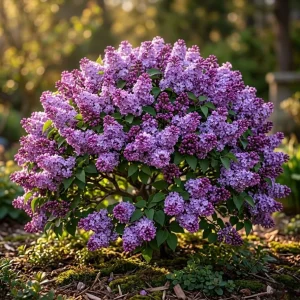
This offering includes 1 purple lilac live plant, carefully cultivated and established in a pot, ready for transplanting. The plant measures approximately 6-12 inches tall from the top of the soil, providing a healthy young specimen that will quickly settle into its new environment. Lilac bushes are known for their moderate to fast growth rate, and with proper care, this plant will rapidly mature into a substantial shrub, typically reaching a mature height of 8-15 feet and a similar spread, depending on the variety and growing conditions. Expect your fragrant lilac plant to begin producing its iconic blooms within 1-3 years after planting, with full bloom production increasing as the plant ages.
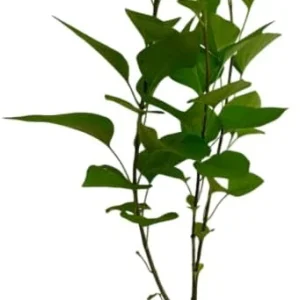
The plant is shipped in its nursery pot with soil, ensuring minimal transplant shock and providing the best possible start for your new garden addition. Lilacs naturally enter dormancy during the cooler winter months, and during this period, your plant may arrive without leaves, appearing dormant. This is a normal and healthy stage of its life cycle, indicating it is conserving energy for vigorous spring growth. Once established, this reblooming lilac tree will provide many years of beauty and fragrance, becoming a cherished part of your garden landscape. Its robust nature and classic appeal make it a perfect choice for adding structure and seasonal interest.
Frequently Asked Questions
- Q: How big does this purple lilac live plant get? A: This purple lilac live plant typically grows into a substantial shrub, reaching a mature height of 8-15 feet and a similar spread. Its ultimate size can vary based on growing conditions, climate, and pruning practices.
- Q: What size pot does it come in? A: The fragrant lilac plant is shipped established in a nursery pot, ready for transplanting. The specific pot size can vary but is generally appropriate for a 6-12 inch tall plant, providing ample room for its root system.
- Q: Is this an indoor or outdoor plant? A: This is primarily an outdoor plant. Lilacs require a period of cold dormancy to set flower buds and thrive. While it can be started indoors in a greenhouse, it should be moved outside to a permanent location.
- Q: How much sunlight does this old fashion lilac bush need? A: For the best flowering performance, your old fashion lilac bush needs full sun exposure, which means at least 6 hours of direct sunlight per day. It can tolerate partial shade, but blooming will be reduced.
- Q: Is this plant easy to care for? Is it good for beginners? A: Yes, once established, the purple lilac live plant is considered low maintenance and is an excellent choice for beginner gardeners. Its resilience and straightforward care requirements make it very forgiving.
- Q: What condition will the reblooming lilac tree arrive in? A: Your reblooming lilac tree will arrive as a live, potted plant. During winter months, it may arrive dormant and leafless, which is completely normal and healthy for lilacs. It will leaf out and grow vigorously in spring.
- Q: Is it shipped in soil? A: Yes, the plant is shipped in its nursery pot with soil, ensuring its roots are protected and hydrated during transit, minimizing stress upon arrival.
- Q: How long until it blooms? When is the best time to plant? A: Your purple lilac live plant may start to bloom within 1-3 years of planting, with more abundant blooms as it matures. The best time to plant is in early spring or fall, allowing the roots to establish before extreme temperatures.
- Q: Will this syringa plant care survive winter in my zone? A: Lilacs are very hardy and generally thrive in USDA Zones 3-7, with some varieties tolerating Zone 8. They require a cold winter dormancy to produce flowers. Please check your specific USDA zone for compatibility.
- Q: What’s the minimum temperature this fragrant lilac plant can tolerate? A: Most lilac varieties are hardy down to -20°F to -30°F (USDA Zone 3). They are well-adapted to cold climates and require winter chill to bloom properly.
Related products
-60%
Original price was: $53.99.$21.59Current price is: $21.59.
-20%
Original price was: $20.00.$16.00Current price is: $16.00.
-20%
Original price was: $76.00.$60.80Current price is: $60.80.

-20%
Original price was: $66.00.$52.80Current price is: $52.80.
-60%
Original price was: $53.99.$21.59Current price is: $21.59.
PLANTING & CARE
Lemon Tree Growing: Choose, Plant, and Harvest
Learn how to choose, plant, feed, and protect a lemon tree so it fits your
23
Sep
Sep
Dwarf Meyer Lemon Tree Australia: Climate Guide
Learn where dwarf Meyer lemon trees grow, how much cold they tolerate, and whether Australia,
Where to Buy a Dwarf Meyer Lemon Tree: Buyer’s Guide
Find the right dwarf Meyer lemon tree online or locally, compare starter sizes and costs,
Dwarf Meyer Lemon Tree for Sale: Buying Guide
Compare Meyer lemon tree sizes, prices, shipping limits, indoor growing and California options before you
Dwarf Meyer Lemon Tree Guide: Size, Care and Fruit
META: Learn how large a dwarf Meyer lemon tree grows, where it thrives, and how
How to Prune a Dwarf Meyer Lemon Tree
Learn when and how to prune a dwarf Meyer lemon tree, including tools, shaping cuts,
Can You Grow a Dwarf Meyer Lemon Tree in a Pot?
META: Learn how to grow a dwarf Meyer lemon tree in a pot, including container
When Do Dwarf Meyer Lemon Trees Bloom and Fruit?
META: Dwarf Meyer lemon trees usually bloom from winter through spring and may flower again