Red Chokeberry Live Plants – Pack of 2 Starter Bushes, 8-12 Inch Tall in 4 Inch Pots, Outdoor
-50%
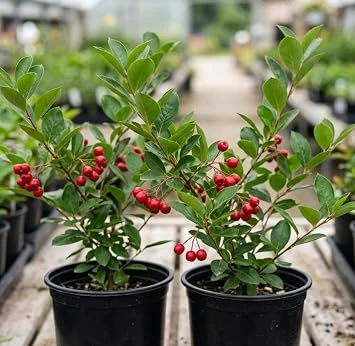
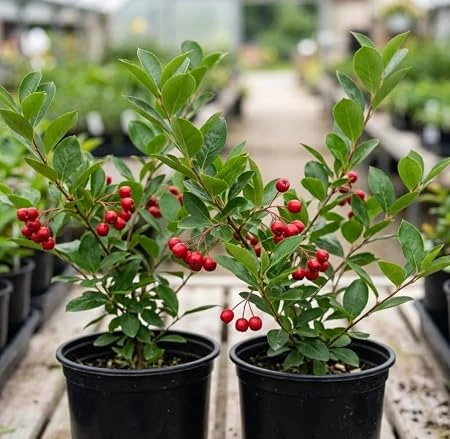
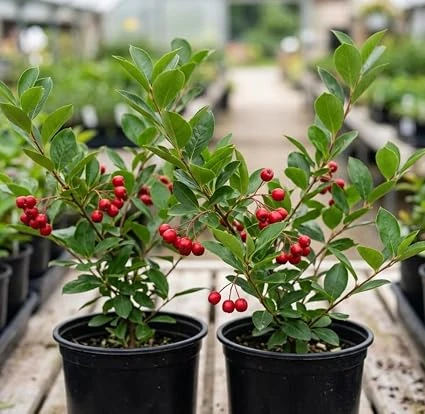
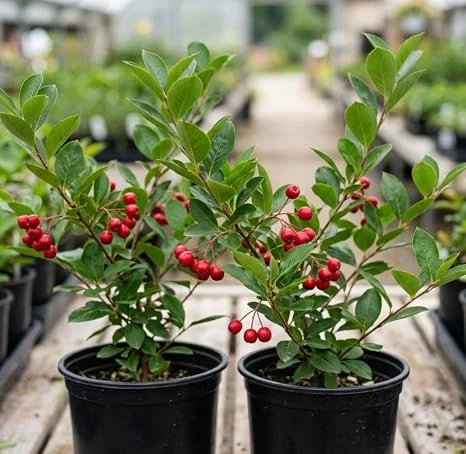
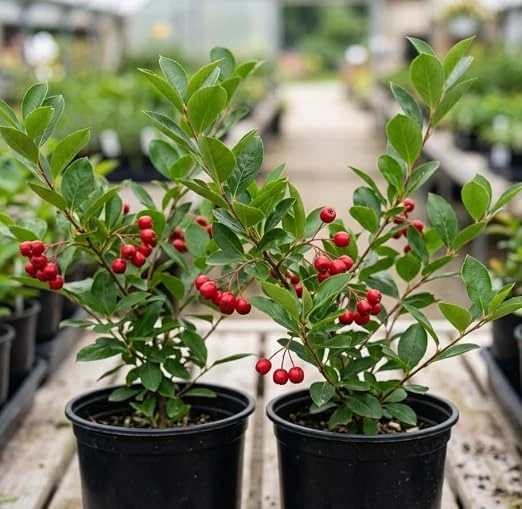
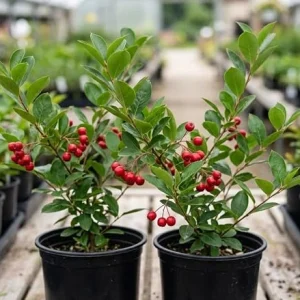
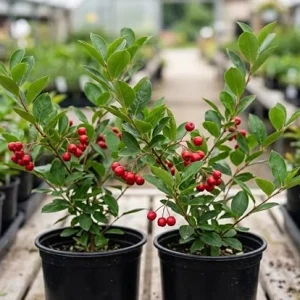
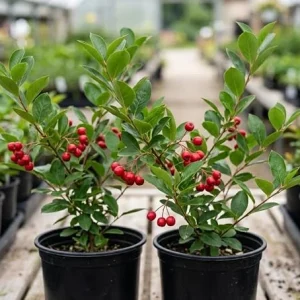
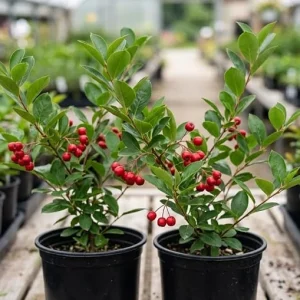
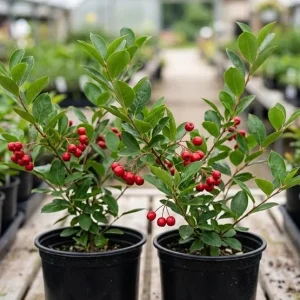
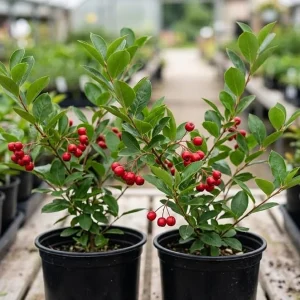
Red Chokeberry Live Plants – Pack of 2 Starter Bushes, 8-12 Inch Tall in 4 Inch Pots, Outdoor
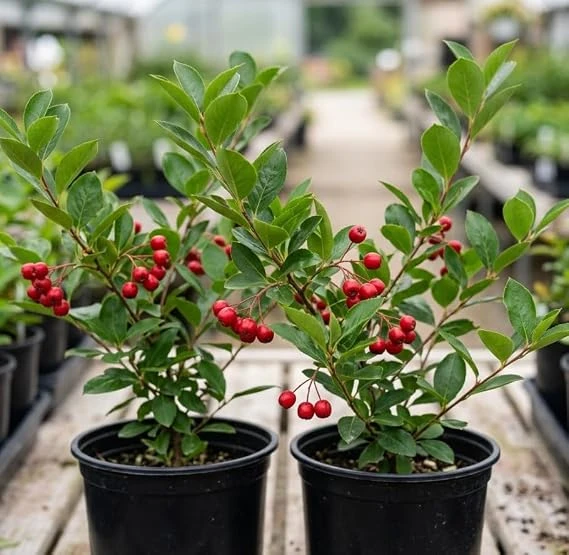
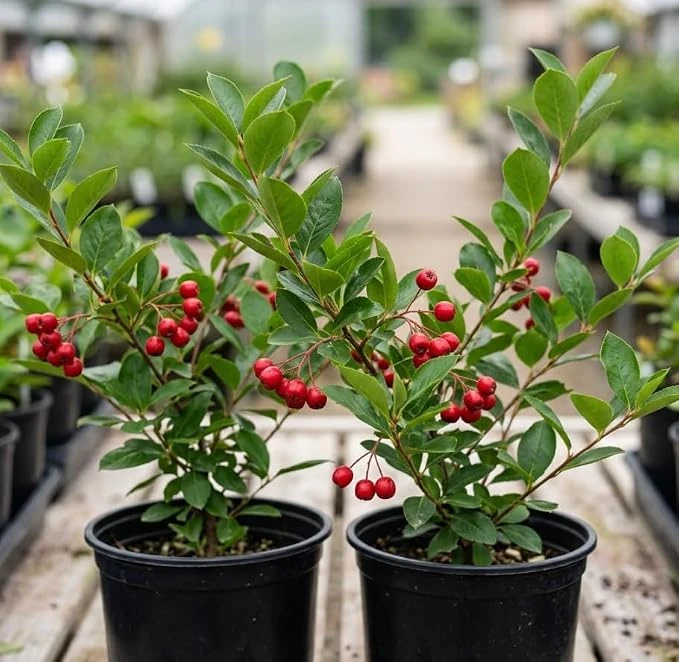
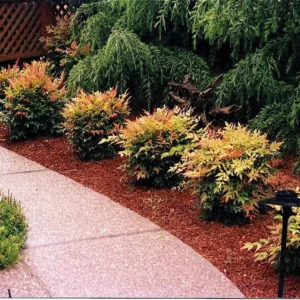
Introduce vibrant color to your garden with this pack of two red chokeberry live plant starter bushes. Each plant arrives 8-12 inches tall in a 4-inch pot, ready for transplanting. Known for their brilliant red fruits and adaptability, these chokeberry bush plants are a fantastic, low-maintenance addition to any landscape.
Original price was: $69.98.$34.99Current price is: $34.99.

With our Alive & Thrive Guarantee, we’ve got your back for the first 30 days! If you have any concerns about your plants, just reach out to us. Our team is here to help answer your questions and guide you in selecting the best plants for your garden, climate, and unique preferences. We're excited to help you create the garden of your dreams!
Estimated arrival
Oct 30
Nov 04 - Nov 06
Nov 09 - Nov 13
Product Details
-
USDA Hardiness Zone
USDA Zones 4-9 -
Soil type
Well-draining soil, adaptable to various types -
Sunlight Exposure
Full sun to partial shade -
Expected Planting Period
Spring to fall
Overview
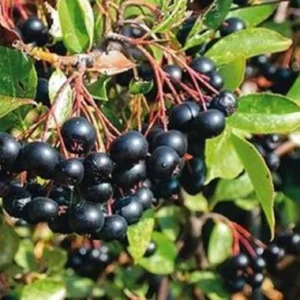
Transform your garden with this exceptional pack of two red chokeberry live plant starter bushes. These robust and visually appealing plants, scientifically known as Aronia arbutifolia, are renowned for their stunning display of brilliant red fruits that persist well into winter, providing year-round interest. Ideal for adding a splash of vibrant color and natural beauty to your landscape, the red chokeberry live plant is a versatile and hardy shrub that thrives in a variety of conditions. Whether you’re a seasoned gardener or just starting out, these young plants are ready to establish and flourish, bringing a touch of nature’s splendor to your outdoor space. They are shipped as healthy, young starter plants, prepared to grow into mature, fruit-bearing bushes with proper care.
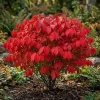
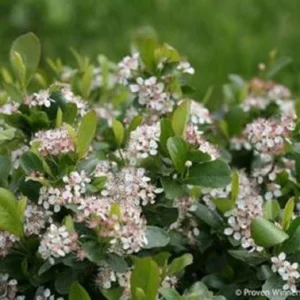
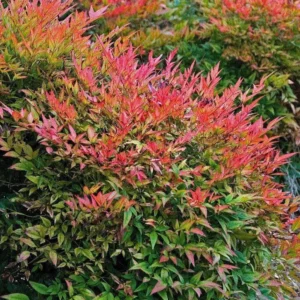
The chokeberry bush is celebrated not only for its ornamental value but also for its resilience. This deciduous shrub offers beautiful white to pinkish flowers in spring, followed by glossy green leaves in summer that turn spectacular shades of red and purple in the fall. The namesake brilliant red chokeberries provide a striking contrast against the changing foliage and serve as a valuable food source for birds, enhancing local wildlife. Choosing this red chokeberry live plant means investing in a dynamic and rewarding addition to your garden that will evolve with the seasons.
Key Benefits
Adding a red chokeberry live plant to your garden offers a multitude of advantages, enhancing both aesthetic appeal and ecological value. These plants are a superb choice for gardeners seeking beauty coupled with ease of care.
- Stunning Seasonal Color: Enjoy a dynamic display of color throughout the year, from delicate spring flowers and lush green summer foliage to fiery red autumn leaves and vibrant, persistent brilliant red chokeberries in winter.
- Wildlife Attraction: The bright berries provide an essential food source for birds, helping to support local ecosystems and bringing lively activity to your garden.
- Low Maintenance: Known for being a very hardy and adaptable shrub, the chokeberry bush requires minimal care once established, making it perfect for busy gardeners.
- Drought and Soil Tolerant: This resilient plant can adapt to a wide range of soil types and moisture levels, including wet soils and periods of drought, ensuring its success in various garden settings.
- Erosion Control: Its fibrous root system makes it an excellent choice for planting on slopes or in areas prone to erosion, helping to stabilize the soil.
- Landscape Versatility: Ideal for hedges, mass plantings, naturalized areas, or as a specimen plant, providing structure and beauty to any garden design.
- Disease and Pest Resistant: The aronia arbutifolia is generally resistant to most common plant diseases and pests, ensuring a healthier, more robust plant with less intervention.
Plant Care & Growing Tips
Caring for your red chokeberry live plant is straightforward, as these shrubs are known for their hardiness and adaptability. For optimal growth and fruit production, understanding their basic requirements is key. Red chokeberry live plant thrives in full sun to partial shade. For the most abundant fruit set and vibrant fall foliage, aim for at least 6 hours of direct sunlight per day. While it can tolerate some shade, too much shade may result in fewer berries and less intense fall color. This plant is incredibly versatile regarding soil, adapting well to a wide range of conditions from wet to dry, and acidic to slightly alkaline. However, it prefers well-draining soil with a good amount of organic matter. If your soil is heavy clay, amending it with compost can improve drainage and aeration. Once established, the chokeberry bush is quite drought-tolerant, but consistent moisture during its first year of growth will help it establish a strong root system. Water deeply once or twice a week, especially during dry spells.
The aronia arbutifolia is cold-hardy and thrives in USDA zones 4-9. It can withstand temperatures ranging from hot summers to cold winters. Fertilization is not strictly necessary for this low-maintenance berry plant, especially in fertile soils. If your soil is poor, a balanced, slow-release granular fertilizer applied in early spring can encourage growth. Pruning can be done in late winter or early spring to remove dead or damaged branches, maintain shape, or rejuvenate older plants by removing a few of the oldest stems at the base. Pests and diseases are rarely an issue for the red chokeberry live plant, making it a reliable and easy-care choice for almost any garden. Watch for occasional leaf spot, but usually, these are not severe enough to warrant treatment. Proper air circulation can help prevent fungal issues.
Size & Details
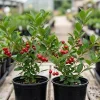
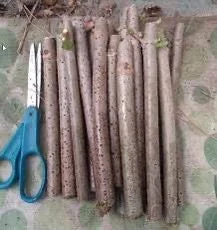
This offering includes a pack of two healthy red chokeberry live plant starter bushes. Each plant measures approximately 8-12 inches tall from the top of the soil to the tip of the highest leaf, and they are individually potted in 4-inch nursery pots. These young plants are well-rooted and ready for immediate transplanting into your garden or larger containers. The chokeberry bush is a moderate to fast-growing shrub, typically reaching a mature height of 5-8 feet and a spread of 3-5 feet, though some varieties may grow taller. Expect your plants to begin producing brilliant red chokeberries within 1-2 years after planting, with fruit production increasing as the plant matures. They are shipped in their pots with soil, ensuring minimal shock upon arrival. The exact growth rate will depend on local growing conditions, soil quality, and care provided, but these are known as a hardy and resilient species.
Frequently Asked Questions
- Q: How big does this plant get? A: A: The red chokeberry live plant typically grows to a mature height of 5-8 feet tall with a spread of 3-5 feet. Its ultimate size can be influenced by growing conditions and pruning.
- Q: What size pot does it come in? A: Each red chokeberry live plant starter bush arrives in a 4-inch nursery pot, ready for transplanting into your garden or a larger container.
- Q: Is this an indoor or outdoor plant? A: The red chokeberry live plant is primarily an outdoor plant, well-suited for landscaping, hedges, and naturalized areas in garden settings. It is a hardy deciduous shrub.
- Q: How much sunlight does it need? A: For best results, your chokeberry bush should receive full sun to partial shade, ideally at least 6 hours of direct sunlight per day to encourage robust growth and abundant fruit.
- Q: Is this plant easy to care for? A: Yes, the red chokeberry live plant is considered a very low-maintenance berry plant. It’s hardy, adaptable, and generally resistant to pests and diseases, making it suitable for beginners.
- Q: What condition will it arrive in? A: Your red chokeberry live plant will arrive as a healthy, well-established young starter plant, actively growing in its 4-inch pot with soil. It is shipped without flowers or berries, which will develop as it matures.
- Q: When is the best time to plant? A: The best time to plant your red chokeberry live plant is in the spring or fall when temperatures are moderate. This allows the plant to establish its root system before extreme weather.
- Q: Will it survive winter in my zone? A: The aronia arbutifolia is highly cold-hardy, thriving in USDA Zones 4-9. It is well-adapted to survive cold winters in these regions, naturally entering dormancy in colder months.
- Q: Are the berries edible? A: While the brilliant red chokeberries are technically edible, they are quite tart when raw. They are more commonly used in jams, jellies, juices, or left for wildlife.
- Q: Is it good for beginners? A: Absolutely! The red chokeberry live plant is an excellent choice for beginner gardeners due to its hardiness, adaptability, and minimal care requirements.
Related products
-50%
Original price was: $49.98.$24.99Current price is: $24.99.
-50%
Original price was: $59.98.$29.99Current price is: $29.99.
-30%
Original price was: $73.98.$51.78Current price is: $51.78.
-43%
Original price was: $89.99.$50.99Current price is: $50.99.
-45%
Original price was: $220.00.$121.00Current price is: $121.00.

PLANTING & CARE
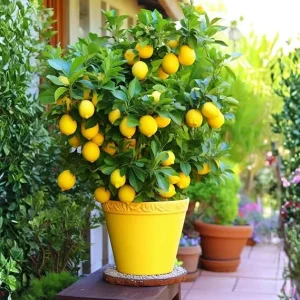
Lemon Tree Growing: Choose, Plant, and Harvest
Learn how to choose, plant, feed, and protect a lemon tree so it fits your
23
Sep
Sep
Dwarf Meyer Lemon Tree Australia: Climate Guide
Learn where dwarf Meyer lemon trees grow, how much cold they tolerate, and whether Australia,
Where to Buy a Dwarf Meyer Lemon Tree: Buyer’s Guide
Find the right dwarf Meyer lemon tree online or locally, compare starter sizes and costs,
Dwarf Meyer Lemon Tree for Sale: Buying Guide
Compare Meyer lemon tree sizes, prices, shipping limits, indoor growing and California options before you
Dwarf Meyer Lemon Tree Guide: Size, Care and Fruit
META: Learn how large a dwarf Meyer lemon tree grows, where it thrives, and how
How to Prune a Dwarf Meyer Lemon Tree
Learn when and how to prune a dwarf Meyer lemon tree, including tools, shaping cuts,
Can You Grow a Dwarf Meyer Lemon Tree in a Pot?
META: Learn how to grow a dwarf Meyer lemon tree in a pot, including container
When Do Dwarf Meyer Lemon Trees Bloom and Fruit?
META: Dwarf Meyer lemon trees usually bloom from winter through spring and may flower again