White Ball Viburnum Shrub Live Plant – Old Fashion Snowball Fragrant Tree 6-12″ Tall 4″ Pot Outdoor
-50%
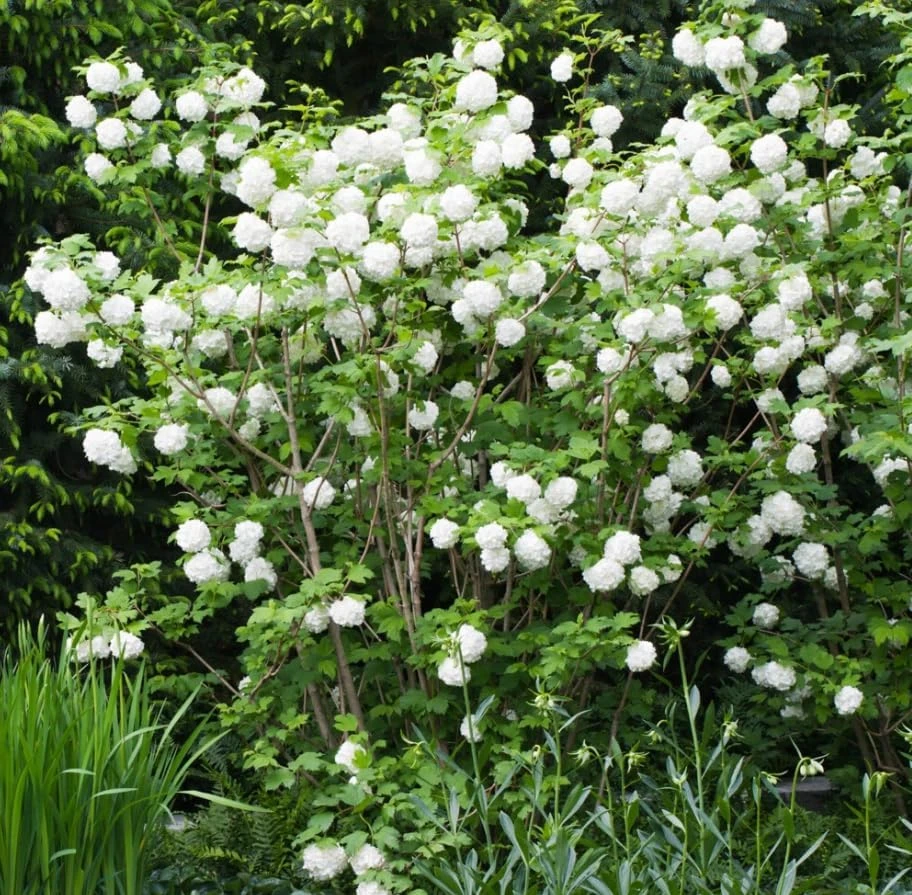
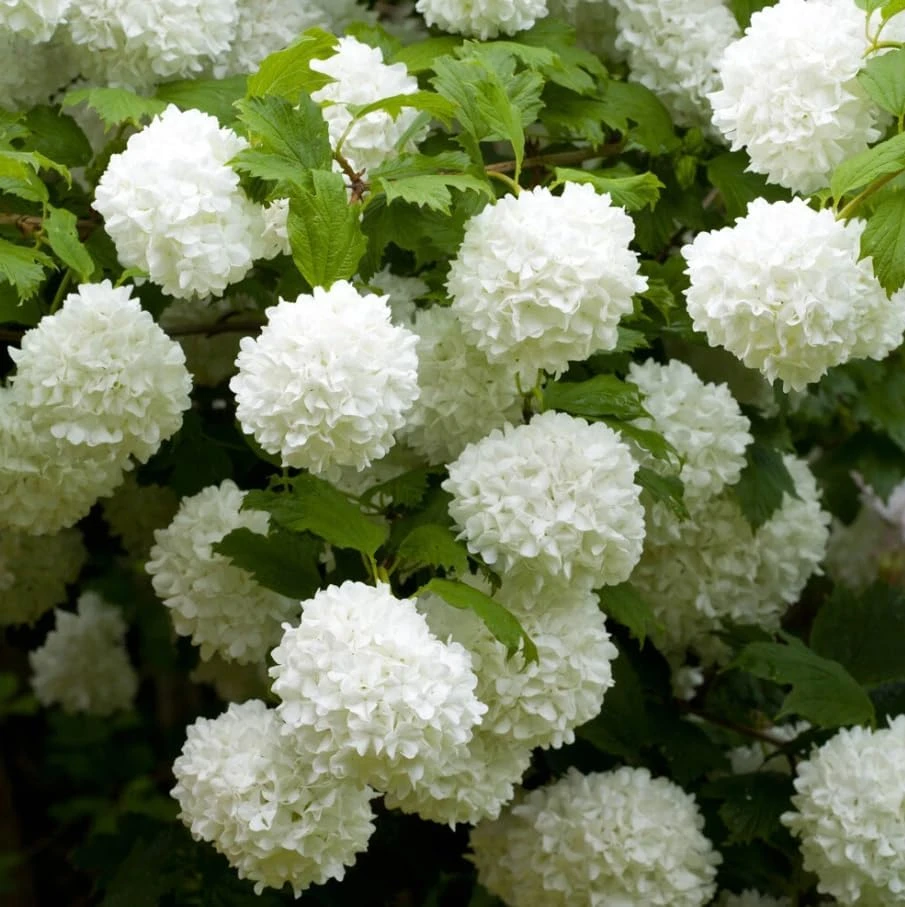
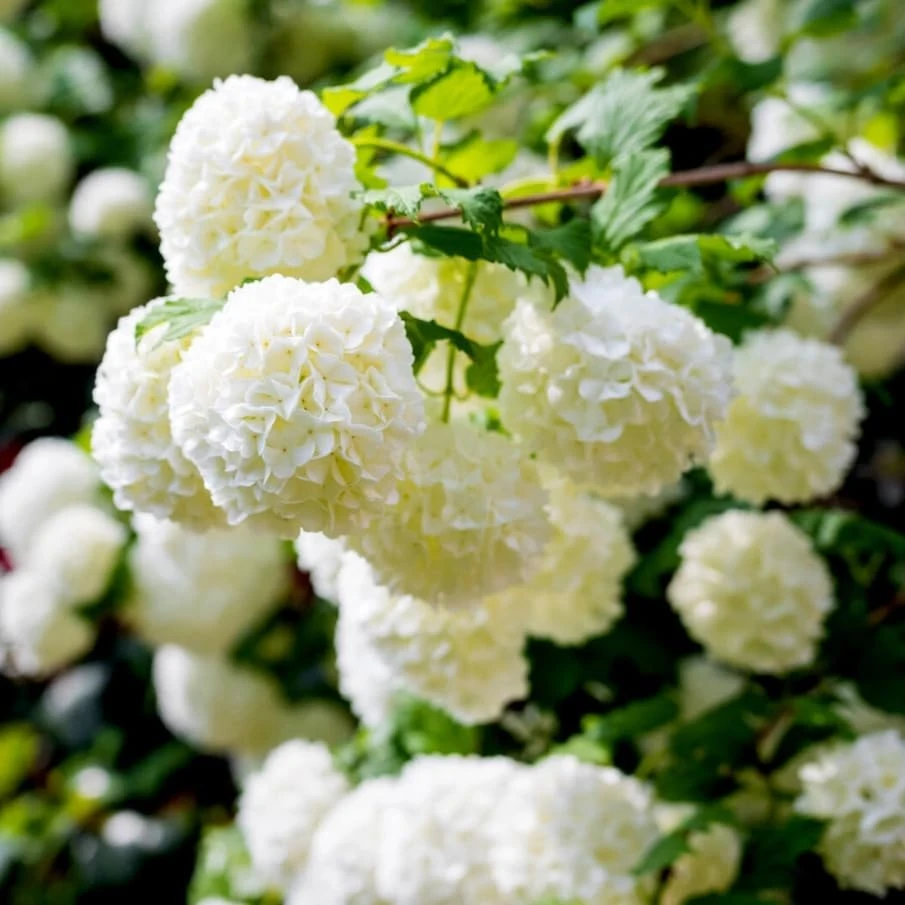
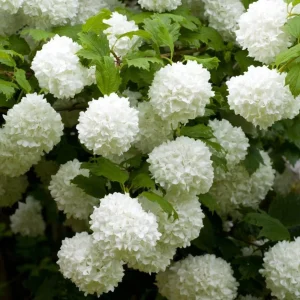
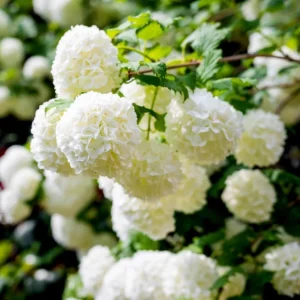
White Ball Viburnum Shrub Live Plant – Old Fashion Snowball Fragrant Tree 6-12″ Tall 4″ Pot Outdoor
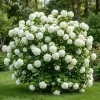
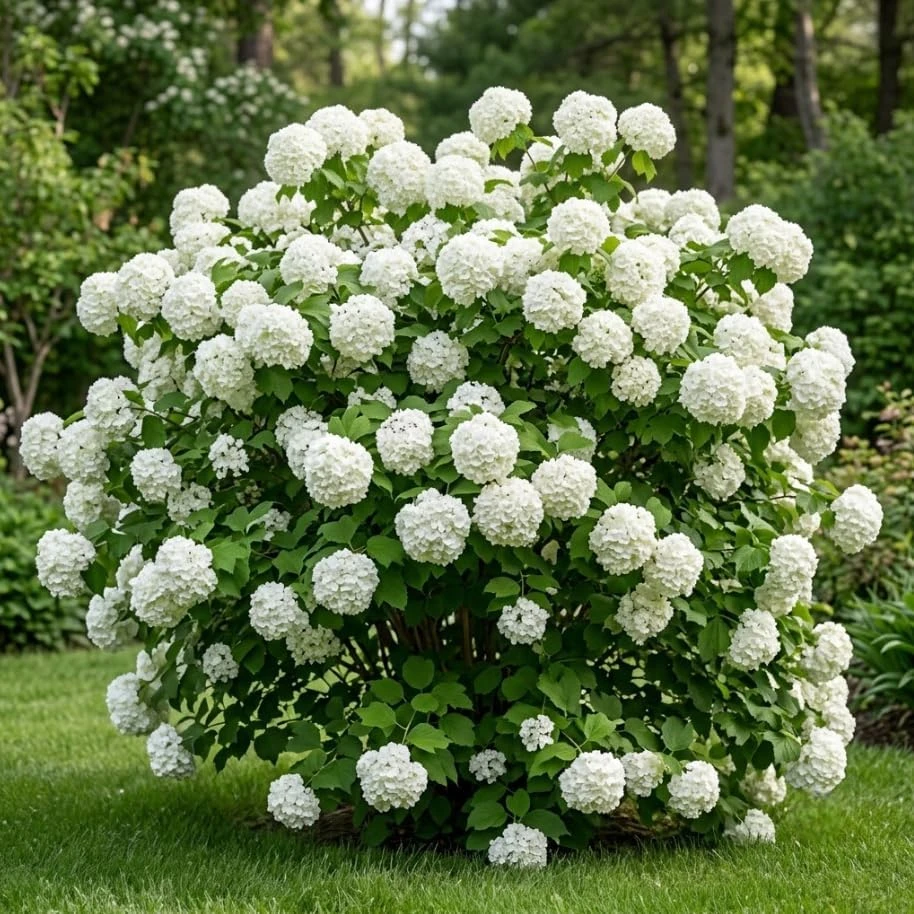
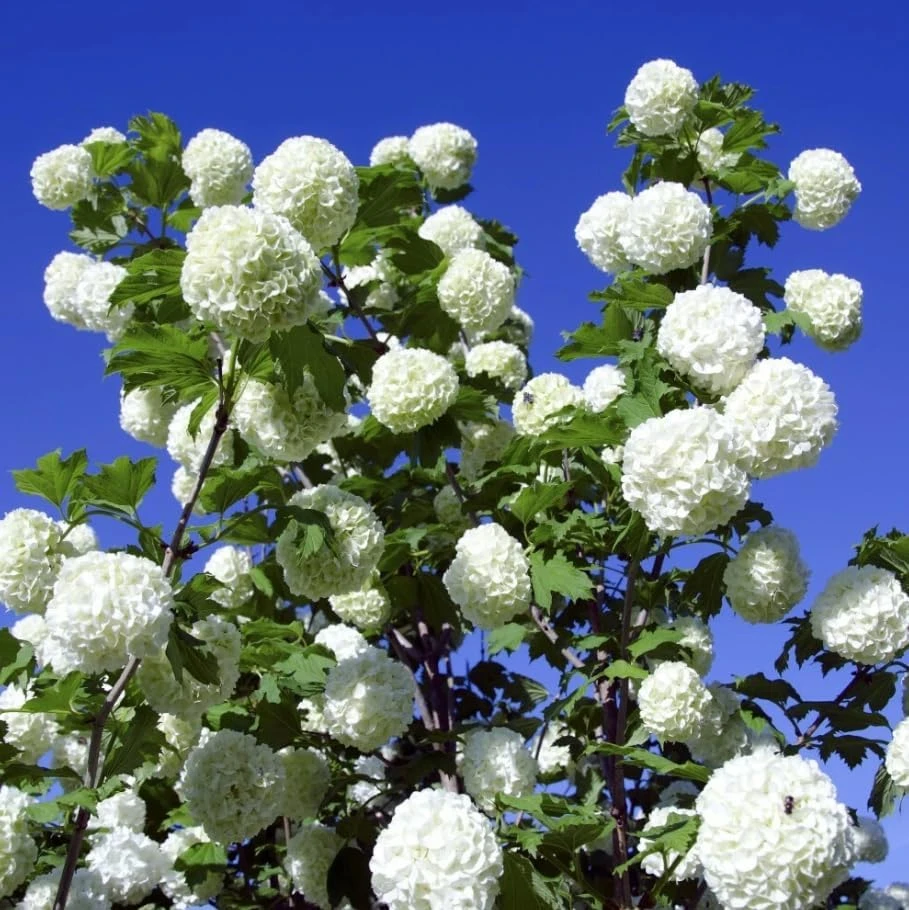
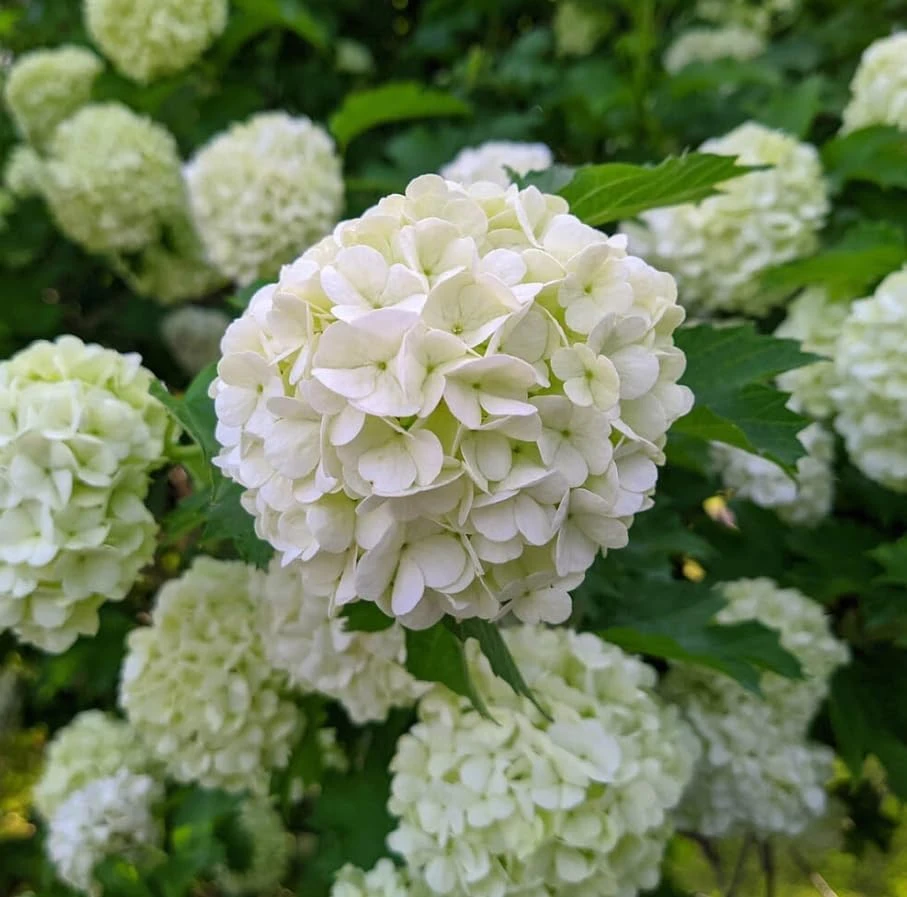
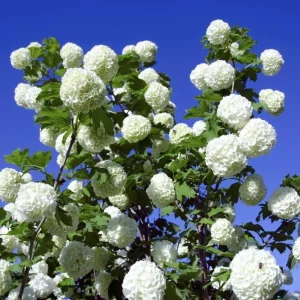
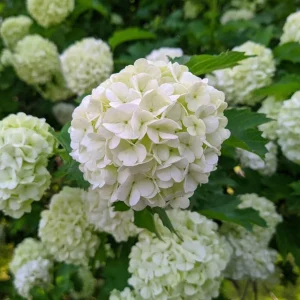
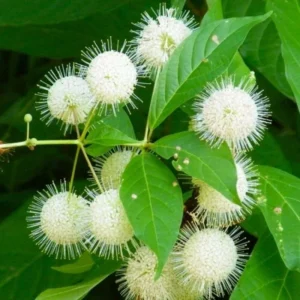
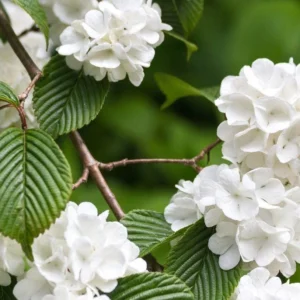
Introduce the stunning white ball viburnum shrub to your landscape. This old fashion snowball viburnum produces massive, spherical clusters of fragrant white flowers in late spring, maturing from apple-green. Ideal for borders or woodland gardens, it thrives in USDA Zones 4-9.
Original price was: $36.98.$18.49Current price is: $18.49.

With our Alive & Thrive Guarantee, we’ve got your back for the first 30 days! If you have any concerns about your plants, just reach out to us. Our team is here to help answer your questions and guide you in selecting the best plants for your garden, climate, and unique preferences. We're excited to help you create the garden of your dreams!
Estimated arrival
Oct 30
Nov 04 - Nov 06
Nov 09 - Nov 13
Product Details
-
USDA Hardiness Zone
4-9 -
Soil type
Well-draining, adaptable to various types -
Sunlight Exposure
Full sun to partial shade -
Expected Planting Period
Spring to early summer or early fall
Overview
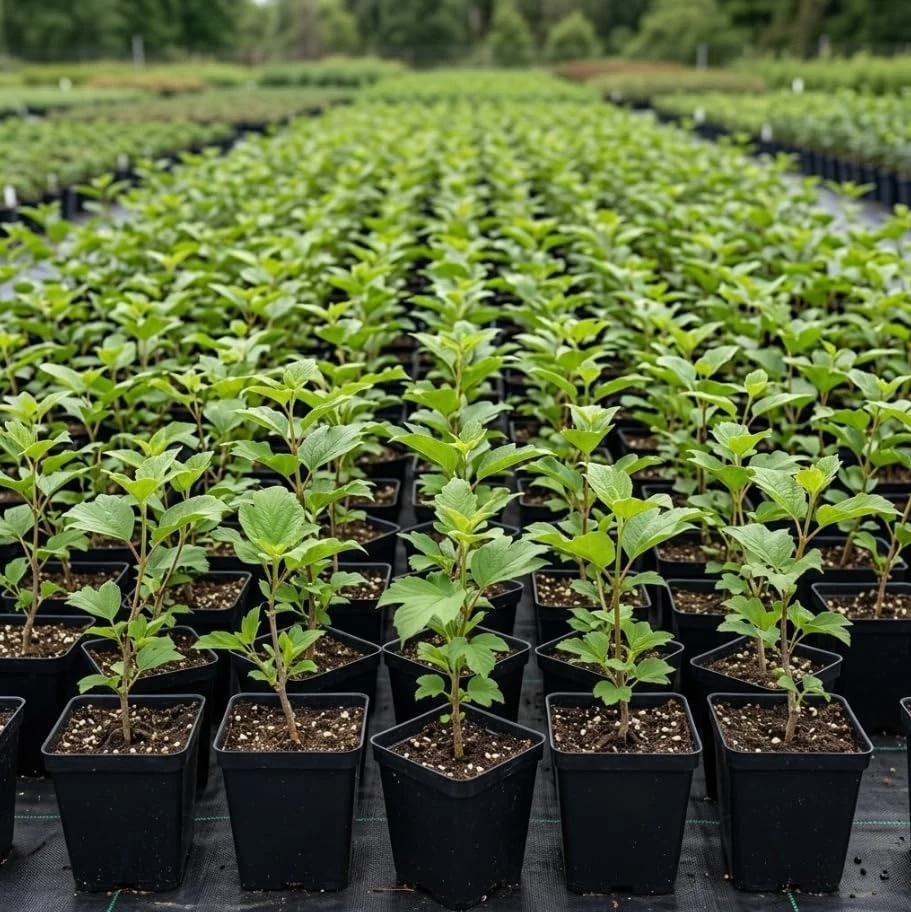
Transform your garden into a springtime wonderland with the magnificent white ball viburnum shrub. This deciduous flowering shrub, often known as old fashion snowball viburnum or fragrant snowball viburnum, is celebrated for its spectacular floral display. Each live plant arrives in a 4-inch pot, standing between 6 to 12 inches tall, ready to be transplanted into your outdoor space. The ‘White Ball’ variety is a classic choice for gardeners seeking a robust and visually striking addition, offering large, spherical flower clusters that evoke a sense of timeless elegance. Perfect for creating a focal point or adding texture to mixed borders, this viburnum plant is a true garden gem.
The botanical name for this variety is Viburnum opulus ‘Roseum’, commonly referred to as the European Snowball or Guelder Rose. Its common name, cranberrybush tree, sometimes refers to other Viburnum species, but this particular cultivar is prized for its showy, sterile flowers rather than fruit. It’s a hardy and adaptable plant that promises years of beauty and enjoyment, making it a popular choice for both novice and experienced gardeners.
Key Benefits
The white ball viburnum shrub offers numerous advantages, enhancing the aesthetic and ecological value of any garden. Its impressive features make it a must-have for those seeking beauty and ease of care.
- Spectacular Spring Blooms: Enjoy massive, 4-inch spherical clusters of pure white flowers that bloom profusely in late spring. These blooms emerge apple-green, mature to a pristine white, and can sometimes fade to a soft pink or rose, providing a dynamic color display.
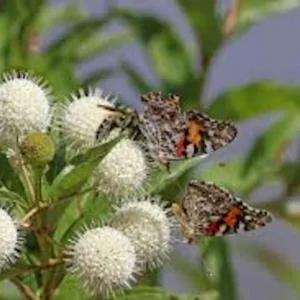
- Delightful Fragrance: The flowers of this fragrant snowball viburnum release a pleasant, subtle scent that enhances your garden’s ambiance, attracting pollinators and delighting human visitors alike.
- Hardy and Adaptable: This deciduous shrub is remarkably hardy, thriving in USDA Zones 4-9. It adapts well to a variety of soil types and can tolerate conditions from partial shade to full sun, making it versatile for different garden settings.
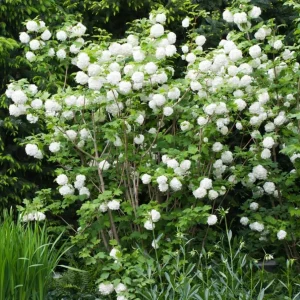
- Versatile Landscape Use: Ideal as a border shrub, a woodland garden accent, or a standalone specimen plant. Its mature size, typically 8 to 12 feet tall and wide, makes it suitable for creating privacy screens or adding architectural interest.
- Low Maintenance: Once established, the white ball viburnum shrub requires minimal care, making it an excellent choice for gardeners who desire high impact with less effort. Regular watering during dry spells and occasional pruning are usually sufficient.
- Attractive Foliage: Beyond its stunning flowers, the deep green, lobed leaves provide an attractive backdrop throughout the growing season, often developing appealing autumn colors before dropping.
Plant Care & Growing Tips
Caring for your white ball viburnum shrub is straightforward, ensuring it thrives and delivers its spectacular display year after year. This old fashion snowball viburnum is known for its resilience and adaptability, making it a rewarding addition to most gardens. Proper care will help maintain its vigor and maximize its blooming potential.
Sunlight Requirements: The white ball viburnum shrub performs best in full sun to partial shade. For optimal flowering, aim for at least 6 hours of direct sunlight per day. In hotter climates, some afternoon shade can protect the foliage from scorching. If grown in too much shade, flowering may be reduced.
Watering Schedule & Soil Moisture: Keep the soil consistently moist, especially during its first growing season after planting and during dry spells. Once established, this fragrant snowball viburnum is moderately drought-tolerant but will appreciate regular watering during prolonged dry periods. Avoid overwatering, as soggy soil can lead to root rot. Good drainage is crucial.
Soil Type & Drainage: This viburnum adapts well to various soil types, including clay, loam, and sand, provided they are well-draining. It prefers rich, slightly acidic to neutral soil (pH 5.5-7.0). Amending heavy clay soils with organic matter like compost can improve drainage and fertility, creating an ideal environment for your viburnum plant care.
Temperature Range & USDA Hardiness Zone: The white ball viburnum shrub is hardy in USDA Zones 4 through 9, tolerating a wide range of temperatures. It is a deciduous shrub, meaning it will lose its leaves in winter and enter a dormant state, ready to re-emerge in spring.
Fertilization: Fertilize in early spring with a balanced, slow-release granular fertilizer formulated for trees and shrubs. Follow package instructions for application rates. Avoid over-fertilizing, which can promote leafy growth at the expense of flowers.
Pruning: Prune your white ball viburnum shrub immediately after it finishes flowering in late spring or early summer. This allows the plant to set buds for the following year’s blooms on old wood. Remove any dead, damaged, or crossing branches, and thin out overcrowded areas to improve air circulation and shape. Regular pruning helps maintain a desirable size and promotes a healthy, vigorous plant.
Common Problems: While generally robust, viburnums can occasionally encounter issues like powdery mildew or aphid infestations. Ensure good air circulation to prevent fungal diseases and treat pests with insecticidal soap if necessary. Proper cultural practices, including correct watering and sunlight, are the best defense against most problems for your cranberrybush tree.
Size & Details
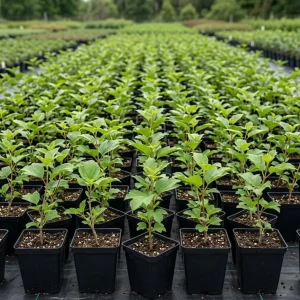
This offering includes one live white ball viburnum shrub, carefully nurtured and ready for planting. Each plant arrives in a sturdy 4-inch nursery pot, ensuring its roots are well-protected and established for a smooth transition to your garden. The plants typically stand between 6 to 12 inches tall upon arrival, representing a healthy, young specimen poised for vigorous growth.
Once planted, this old fashion snowball viburnum is a moderate to fast grower, quickly establishing itself in the landscape. It will mature into a substantial shrub, reaching an impressive height of 8 to 12 feet and spreading equally wide. Its expansive size makes it an excellent choice for creating natural screens, hedges, or as a prominent feature in a large garden bed. Expect the first significant blooms in late spring, generally within the first few years of planting, as the plant establishes its root system and begins to set flower buds on old wood. The plant’s robust nature ensures it will develop into a magnificent, long-lived garden asset, offering seasonal interest for many years to come.
Frequently Asked Questions
- Q: How big does this plant get? A: The white ball viburnum shrub typically grows to a mature height of 8 to 12 feet and can spread equally wide, forming a large, rounded shrub.
- Q: What size pot does it come in? A: Each live white ball viburnum shrub plant is shipped in a 4-inch nursery pot, with the plant standing between 6 to 12 inches tall.
- Q: Is this an indoor or outdoor plant? A: This is an outdoor plant, best suited for garden landscapes. It is hardy in USDA Zones 4-9.
- Q: How much sunlight does it need? A: The old fashion snowball viburnum thrives in full sun to partial shade. For the best flowering display, aim for at least 6 hours of direct sunlight daily.
- Q: Is this plant easy to care for? A: Yes, the white ball viburnum shrub is considered low-maintenance once established. It’s adaptable to various conditions, making viburnum plant care relatively easy for gardeners of all skill levels.
- Q: What condition will it arrive in? A: Your fragrant snowball viburnum will arrive healthy, well-rooted in its 4-inch pot, and ready to be transplanted into your garden or landscape.
- Q: When is the best time to plant? A: The best time to plant is in spring or early fall, allowing the plant sufficient time to establish its root system before extreme weather.
- Q: Will it survive winter in my zone? A: Yes, if you are in USDA Zones 4-9, this hardy shrub is well-equipped to survive winter, going dormant and returning with new growth in spring.
- Q: Does this viburnum produce berries like a cranberrybush tree? A: While some viburnums produce berries, the ‘White Ball’ cultivar (Viburnum opulus ‘Roseum’) is known for its sterile, showy flowers and typically does not produce fruit.
- Q: How long until it blooms? A: Your white ball viburnum shrub may produce its first blooms in the spring following planting, with more abundant flowering as it matures over the next few years.
Related products
-20%
Original price was: $36.00.$28.80Current price is: $28.80.
-50%
Original price was: $55.98.$27.99Current price is: $27.99.
-76%
Original price was: $103.96.$24.99Current price is: $24.99.
-50%


Original price was: $63.00.$31.50Current price is: $31.50.
-45%

Original price was: $220.00.$121.00Current price is: $121.00.
-20%
Original price was: $66.00.$52.80Current price is: $52.80.
PLANTING & CARE
Lemon Tree Growing: Choose, Plant, and Harvest
Learn how to choose, plant, feed, and protect a lemon tree so it fits your
23
Sep
Sep
Dwarf Meyer Lemon Tree Australia: Climate Guide
Learn where dwarf Meyer lemon trees grow, how much cold they tolerate, and whether Australia,
Where to Buy a Dwarf Meyer Lemon Tree: Buyer’s Guide
Find the right dwarf Meyer lemon tree online or locally, compare starter sizes and costs,
Dwarf Meyer Lemon Tree for Sale: Buying Guide
Compare Meyer lemon tree sizes, prices, shipping limits, indoor growing and California options before you
Dwarf Meyer Lemon Tree Guide: Size, Care and Fruit
META: Learn how large a dwarf Meyer lemon tree grows, where it thrives, and how
How to Prune a Dwarf Meyer Lemon Tree
Learn when and how to prune a dwarf Meyer lemon tree, including tools, shaping cuts,
Can You Grow a Dwarf Meyer Lemon Tree in a Pot?
META: Learn how to grow a dwarf Meyer lemon tree in a pot, including container
When Do Dwarf Meyer Lemon Trees Bloom and Fruit?
META: Dwarf Meyer lemon trees usually bloom from winter through spring and may flower again