Red Mulberry Tree Live Plant, 4-7 Inch Starter Fruit Shrub, Outdoor
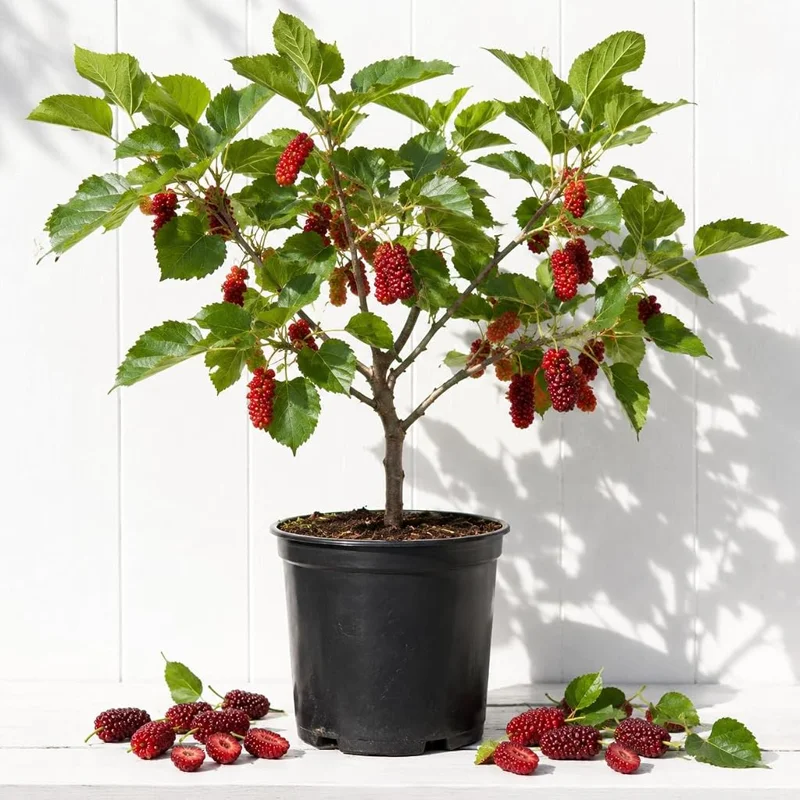
Red Mulberry Tree Live Plant, 4-7 Inch Starter Fruit Shrub, Outdoor
Embark on a rewarding gardening journey with this red mulberry tree live plant. This vibrant 4-7 inch starter plant offers the exciting prospect of growing your own delicious, sweet berries. Perfect for outdoor gardens and patio containers, it’s a versatile fruit tree for garden enthusiasts.
$24.99

With our Alive & Thrive Guarantee, we’ve got your back for the first 30 days! If you have any concerns about your plants, just reach out to us. Our team is here to help answer your questions and guide you in selecting the best plants for your garden, climate, and unique preferences. We're excited to help you create the garden of your dreams!
Estimated arrival
Oct 21
Oct 26 - Oct 28
Oct 31 - Nov 04
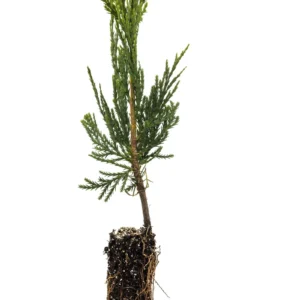
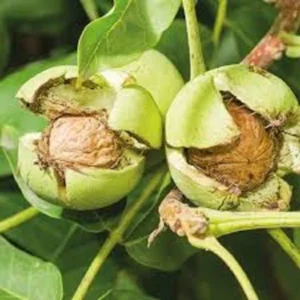
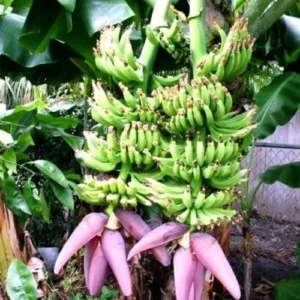
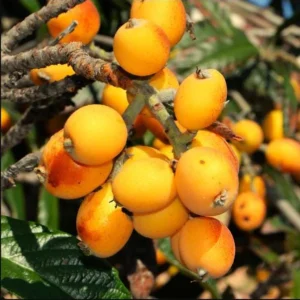
Product Details
-
USDA Hardiness Zone
USDA Zones 4-9 -
Soil type
Well-draining, fertile loam -
Sunlight Exposure
Full sun to partial shade -
Expected Planting Period
Spring or early fall
Overview
Embark on a rewarding gardening journey with the red mulberry tree live plant. This vibrant starter plant, typically measuring 4-7 inches tall, offers the exciting prospect of growing your own delicious fruit. Known for its sweet, juicy berries, the Red Mulberry (Morus rubra) is a native North American species cherished for its robust growth and ornamental appeal. This young specimen is perfect for both novice and experienced gardeners looking to add a productive and beautiful fruit tree to their outdoor space. Whether you envision it as a focal point in your garden or a charming addition to a patio container, this red mulberry tree live plant promises to bring natural beauty and a bounty of fruit for years to come. Growing mulberry trees can be a delightful experience, yielding fresh, seasonal treats.
Key Benefits
Adding a Red Mulberry Tree to your landscape offers numerous advantages, from fresh fruit to ecological benefits. This versatile plant is a wonderful choice for enhancing your garden’s appeal and productivity.
- Homegrown Fruit Production: Enjoy the satisfaction of harvesting your own sweet, dark red berries directly from your red mulberry tree live plant. These delicious fruits typically ripen from late spring to early summer, perfect for fresh eating, jams, pies, or desserts.
- Versatile Landscaping Addition: Suitable for a variety of settings, this mulberry starter plant can thrive in garden beds, large patio containers, or as part of a naturalized area. Its adaptability makes it a great choice for diverse outdoor growing conditions, making it an excellent fruit tree for garden spaces.
- Supports Local Wildlife: Mulberry trees are excellent for attracting birds and other small wildlife, providing a valuable food source and contributing to local biodiversity in your garden.
- Attractive Foliage and Form: Beyond its fruit, the Red Mulberry offers attractive green foliage and a graceful growth habit, maturing into a small to medium-sized tree that adds visual interest to any outdoor space.
- Adaptable to Various Climates: Thrives in USDA Zones 4-9, making it a robust and resilient choice for many regions across the United States. This broad hardiness range ensures that many gardeners can successfully cultivate this red mulberry tree live plant.
- Relatively Low Maintenance: Once established, the Red Mulberry Tree is known for its hardiness and requires relatively little ongoing care, making it an excellent choice for gardeners seeking a productive yet easy-to-manage fruit tree.
- Long-Term Investment: A well-cared-for morus rubra plant can live for many decades, providing a continuous supply of fruit and enjoyment for generations.
Plant Care & Growing Tips
To ensure your red mulberry tree live plant flourishes, providing you with abundant fruit, understanding its specific care requirements is essential. This hardy fruit tree is relatively forgiving, but optimal conditions will lead to the best growth and berry production. For sunlight, the Red Mulberry thrives best in full sun to partial shade. This means it requires at least 6 hours of direct sunlight per day for optimal fruit production, though it can tolerate some afternoon shade in hotter climates. When planting, choose a location that receives ample light to encourage robust growth and a plentiful harvest.
Watering should be consistent, especially during the first year of establishment. Keep the soil consistently moist but not waterlogged. Once mature, Red Mulberry trees are quite drought-tolerant, but supplemental watering during prolonged dry spells will benefit fruit development. The ideal soil for a red mulberry tree live plant is well-draining, fertile loam with a slightly acidic to neutral pH (6.0-7.0). Good drainage is crucial to prevent root rot. Incorporating organic matter like compost into the planting hole will improve soil structure and fertility. This tree is suitable for USDA Zones 4-9, demonstrating its wide adaptability to various climates. It can withstand cold winters and hot summers within this range. Fertilization is generally not heavily required for established trees, especially in fertile soil. However, a balanced, slow-release fertilizer can be applied in early spring for young trees or those in less fertile ground. Pruning can be done in late winter to remove dead or diseased branches, improve air circulation, and shape the tree. Common problems are few, but watch for birds, who are also fond of the berries, and occasional insect pests like Japanese beetles; however, these rarely cause significant damage to a healthy morus rubra plant. Proper care will ensure you have a thriving fruit tree for garden enjoyment, making growing mulberry trees a rewarding experience.
Size & Details
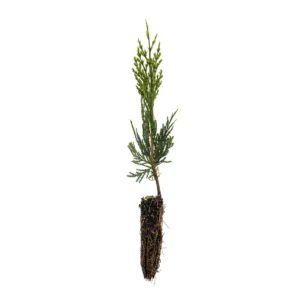
This offering is for a red mulberry tree live plant, typically shipped as a starter plant approximately 4-7 inches tall. This young plant is ideal for transplanting into your garden or a larger container upon arrival. While starting small, the Red Mulberry is a vigorous grower and can mature into a small to medium-sized tree, reaching heights of about 20-50 feet under suitable growing conditions. Its spread can be considerable, so allow adequate space for its mature size. The growth rate is moderate to fast, meaning you can expect to see significant development in just a few years. It’s often shipped as a potted seedling, ensuring a healthy root system for successful establishment. Expect berries to begin appearing within a few years of planting, with production increasing as the tree matures, typically ripening from late spring to early summer. This mulberry starter plant is a long-term investment in your landscape.
Frequently Asked Questions
- Q: How big does this plant get? A: This red mulberry tree live plant is a 4-7 inch starter. When mature, it can grow into a small to medium tree, typically reaching 20-50 feet tall, depending on growing conditions and location.
- Q: Is this an indoor or outdoor plant? A: The Red Mulberry Tree is primarily an outdoor plant. It is suitable for garden beds, patio containers, and general outdoor landscaping, thriving in USDA Zones 4-9.
- Q: How much sunlight does it need? A: This mulberry starter plant prefers full sun to partial shade, meaning it requires at least 6 hours of direct sunlight daily for best fruit production.
- Q: Is this plant easy to care for? A: Yes, once established, the Red Mulberry Tree is relatively low-maintenance and quite hardy, making it a good choice for gardeners of varying experience levels. Growing mulberry trees is a straightforward process.
- Q: What condition will it arrive in? A: Your red mulberry tree live plant will arrive as a healthy, young starter plant, typically potted, with its root system carefully protected to ensure a smooth transition to your garden.
- Q: When is the best time to plant a Red Mulberry Tree? A: The best time to plant a Red Mulberry Tree is typically in spring or early fall, allowing the plant sufficient time to establish its root system before extreme temperatures.
- Q: Will it survive winter in my zone? A: The Red Mulberry Tree is hardy in USDA Zones 4-9. If you are within these zones, your tree should successfully overwinter with proper care. This makes it a resilient fruit tree for garden applications.
- Q: How long until it produces fruit? A: A young fruit tree for garden like this Red Mulberry starter may begin producing berries within 2-5 years after planting, with production increasing as the tree matures.
- Q: Can I grow this in a container? A: Yes, you can grow this morus rubra plant in a large container, especially when it is young. Ensure the container is big enough to accommodate root growth and has excellent drainage.
- Q: What kind of soil is best for growing mulberry trees? A: Red Mulberry Trees prefer well-draining, fertile soil with a slightly acidic to neutral pH. Good drainage is key to preventing root issues.
Related products

-42%
Original price was: $56.99.$33.29Current price is: $33.29.
PLANTING & CARE
Lemon Tree Growing: Choose, Plant, and Harvest
Learn how to choose, plant, feed, and protect a lemon tree so it fits your
23
Sep
Sep
Dwarf Meyer Lemon Tree Australia: Climate Guide
Learn where dwarf Meyer lemon trees grow, how much cold they tolerate, and whether Australia,
Where to Buy a Dwarf Meyer Lemon Tree: Buyer’s Guide
Find the right dwarf Meyer lemon tree online or locally, compare starter sizes and costs,
Dwarf Meyer Lemon Tree for Sale: Buying Guide
Compare Meyer lemon tree sizes, prices, shipping limits, indoor growing and California options before you
Dwarf Meyer Lemon Tree Guide: Size, Care and Fruit
META: Learn how large a dwarf Meyer lemon tree grows, where it thrives, and how
How to Prune a Dwarf Meyer Lemon Tree
Learn when and how to prune a dwarf Meyer lemon tree, including tools, shaping cuts,
Can You Grow a Dwarf Meyer Lemon Tree in a Pot?
META: Learn how to grow a dwarf Meyer lemon tree in a pot, including container
When Do Dwarf Meyer Lemon Trees Bloom and Fruit?
META: Dwarf Meyer lemon trees usually bloom from winter through spring and may flower again