Sabará Jaboticaba Live Plant – 10-12 Inches Tall Brazilian Grape Tree in 1 Gallon Pot
Sabará Jaboticaba Live Plant – 10-12 Inches Tall Brazilian Grape Tree in 1 Gallon Pot
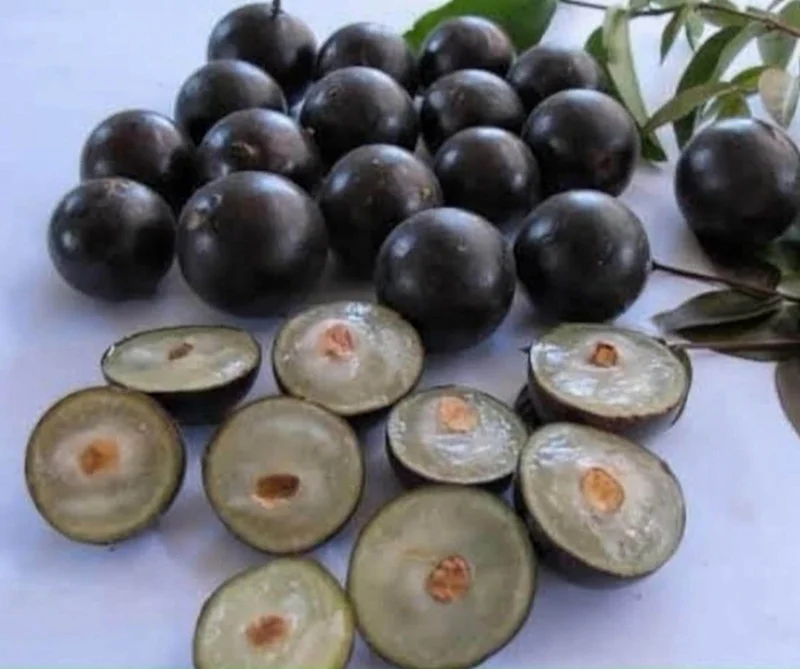
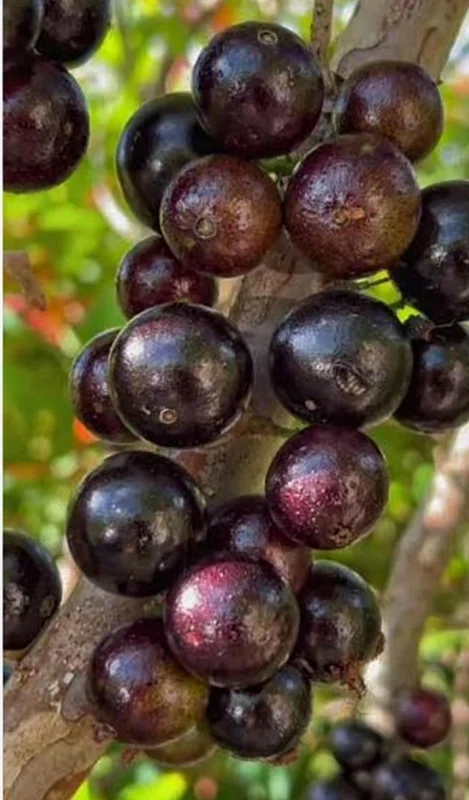
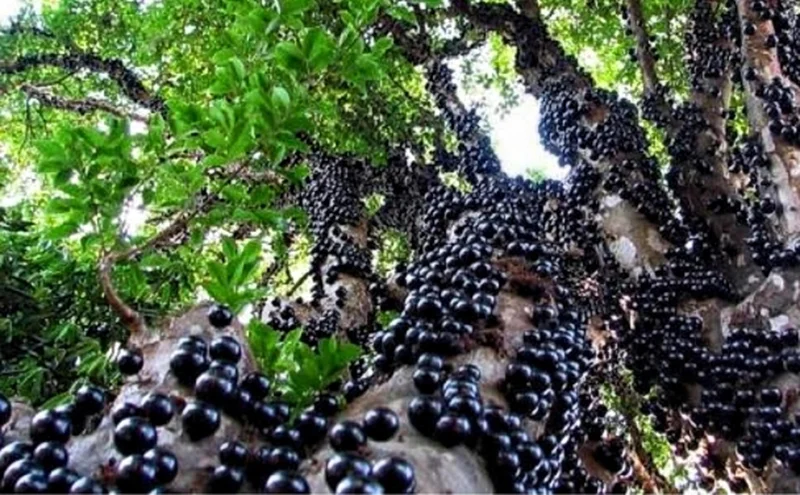
Bring the tropics to your home with a sabará jaboticaba live plant. This unique brazilian grape tree, or plinia jaboticaba plant, is known for its delicious fruits that grow directly on the trunk. Standing 10-12 inches tall and shipped in a 1-gallon pot, it’s ready to thrive in your garden or as a patio focal point. Enjoy fresh, exotic fruit from your very own tree!
$87.96

With our Alive & Thrive Guarantee, we’ve got your back for the first 30 days! If you have any concerns about your plants, just reach out to us. Our team is here to help answer your questions and guide you in selecting the best plants for your garden, climate, and unique preferences. We're excited to help you create the garden of your dreams!
Estimated arrival
Oct 21
Oct 26 - Oct 28
Oct 31 - Nov 04

Product Details
-
USDA Hardiness Zone
USDA zones 9–11 -
Soil type
Well-draining, slightly acidic to neutral soil -
Sunlight Exposure
Full sun to partial shade -
Expected Planting Period
Year-round indoors; Spring to early summer outdoors in suitable climates
Overview
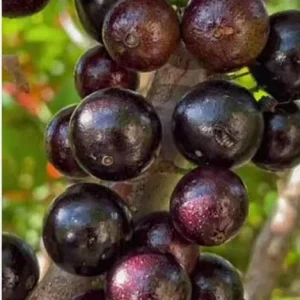
Embark on a unique gardening adventure with the exquisite sabará jaboticaba live plant. Also widely known as the brazilian grape tree or plinia jaboticaba plant, this tropical marvel is celebrated for its distinctive fruiting habit, where sweet, dark purple berries emerge directly from the trunk and branches. Originating from Brazil, this slow-growing, evergreen tree offers both ornamental beauty and delicious, nutrient-rich fruit. Perfect for tropical and subtropical climates, it can also be grown in containers in cooler regions, allowing you to bring a touch of the exotic to your patio or garden. Each plant is carefully cultivated to ensure a healthy start, promising a rewarding experience for any plant enthusiast.
The Sabará variety is particularly prized for its early and abundant fruiting, making it a popular choice among jaboticaba cultivars. Its glossy, dark green leaves provide a lush backdrop, while the unusual cauliflorous fruiting habit creates a captivating display. Whether you’re a seasoned gardener looking for an unusual specimen or a fruit lover eager to grow your own exotic produce, the sabará jaboticaba live plant is an exceptional addition to any collection. Experience the joy of harvesting fresh, sweet fruit right from your own tree.
Key Benefits
The sabará jaboticaba live plant offers a wealth of benefits, combining aesthetic appeal with practical rewards. Its unique characteristics make it a standout choice for gardeners seeking something truly special.
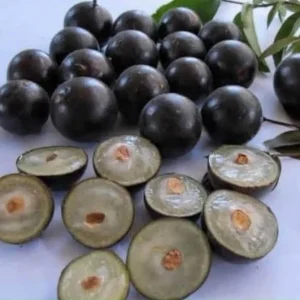
- Exotic Fruit Production: Enjoy a continuous supply of fresh, delicious, grape-like fruits that grow directly on the trunk and branches. These unique berries are perfect for eating fresh, making jams, or crafting exotic beverages.
- Ornamental Value: With its attractive, dense foliage and fascinating fruiting habit, the brazilian grape tree serves as a stunning focal point in any garden or landscape. The sight of fruit-laden trunks is truly captivating.
- Container Friendly: This plant adapts well to container living, making it suitable for patios, balconies, or indoor growing in colder climates. This allows you to protect it from frost and enjoy its beauty year-round.
- Low Maintenance: Once established, jaboticaba trees are relatively low-maintenance, requiring consistent watering and occasional fertilization to thrive. They are generally resistant to many common pests and diseases.
- Long Lifespan: Jaboticaba trees are known for their longevity, often living for decades and providing years of enjoyment and fruit production. It’s an investment that keeps giving back.
- Unique Culinary Ingredient: The sweet and slightly acidic flavor of jaboticaba fruit makes it a versatile ingredient for various culinary creations, from desserts to savory dishes.
- Air Purification: Like many live plants, the plinia jaboticaba plant contributes to a healthier environment by producing oxygen and filtering airborne toxins, improving air quality around your home.
Plant Care & Growing Tips
Caring for your sabará jaboticaba live plant involves understanding its specific needs for sunlight, water, and soil. These trees prefer a warm, humid environment, mimicking their native Brazilian habitat. For optimal growth and fruiting, ensure your plant receives at least 6-8 hours of full sun daily. While it can tolerate some partial shade, more sun generally leads to better fruit production. If growing indoors, place it near a bright, south-facing window or supplement with grow lights. Protect young plants from harsh afternoon sun in extremely hot climates.
Consistent watering is crucial for the brazilian grape tree, especially during dry periods and when the plant is actively fruiting. The soil should be kept consistently moist but never waterlogged. Allow the top inch or two of soil to dry out slightly between waterings. Good drainage is paramount to prevent root rot. Jaboticaba trees prefer slightly acidic to neutral soils (pH 5.5-6.5) that are rich in organic matter. A well-draining potting mix for container plants or fertile, loamy soil for in-ground planting is ideal. Incorporate compost or aged manure to improve soil structure and fertility.
The plinia jaboticaba plant is relatively cold-sensitive, thriving in USDA hardiness zones 9-11. In zones below 9, it’s best grown in a container and moved indoors during colder months. Protect young plants from frost, as temperatures below 28°F (-2°C) can cause damage. Fertilize regularly during the growing season (spring through fall) with a balanced, slow-release fertilizer formulated for fruiting plants. Reduce fertilization during winter dormancy. Pruning is generally minimal, focused on removing dead or diseased branches and shaping the tree for aesthetic purposes. Watch out for common pests like aphids or scale, and treat with organic insecticidal soap if necessary.
Size & Details
This offering is for a healthy sabará jaboticaba live plant, typically standing 10-12 inches tall from the base of the soil to the top of the foliage. Each plant is carefully cultivated and shipped in a 1-gallon nursery pot, ensuring its roots are well-established and ready for transplanting into a larger container or directly into your garden. The Sabará variety is known for its moderate growth rate, eventually reaching heights of 10-20 feet when mature in ideal conditions, though it can be kept smaller with pruning or when grown in a container. Expect the first fruits to appear within 3-5 years under optimal care, with mature trees capable of fruiting multiple times a year, often after rain events. This brazilian grape tree is a long-term investment, offering decades of beauty and delicious harvests.
Frequently Asked Questions
- Q: How big does this plant get? A: This sabará jaboticaba live plant is currently 10-12 inches tall. When mature, it can reach 10-20 feet tall, but its size can be managed with pruning or by growing it in a container.
- Q: What size pot does it come in? A: Your plinia jaboticaba plant will be shipped in a 1-gallon nursery pot, providing ample space for its initial growth and root development.
- Q: Is this an indoor or outdoor plant? A: The brazilian grape tree can be grown both indoors and outdoors. It thrives outdoors in USDA zones 9-11 and can be grown as a patio plant in colder regions, brought indoors during winter.
- Q: How much sunlight does it need? A: Jaboticaba plants require at least 6-8 hours of full sun daily for best growth and fruit production. Partial shade is tolerated, but fruiting may be reduced.
- Q: Is this plant easy to care for? A: While it has specific requirements for warmth and consistent moisture, the jaboticaba is considered moderately easy to care for once established, making jaboticaba tree care manageable for many gardeners.
- Q: What condition will it arrive in? A: Your sabará jaboticaba live plant will arrive carefully packaged, healthy, and ready for planting, with its roots securely in the 1-gallon pot.
- Q: How long until it blooms and fruits? A: Sabará jaboticaba plants typically begin to fruit within 3-5 years from planting, especially with good care. They can fruit multiple times a year once mature.
- Q: What is the best soil type for this tree? A: This tree prefers well-draining, slightly acidic to neutral soil (pH 5.5-6.5) rich in organic matter. A good quality potting mix with added compost works well for container growing.
- Q: Will it survive winter in my zone? A: If you are in USDA zones 9-11, it can survive outdoors year-round. In colder zones, it must be protected from frost and brought indoors when temperatures drop below freezing.
- Q: Can I use the fruit for cooking? A: Absolutely! The sweet and tangy fruit of the brazilian grape tree is excellent for eating fresh, making jellies, jams, wines, and refreshing juices.
Related products
PLANTING & CARE
Lemon Tree Growing: Choose, Plant, and Harvest
Learn how to choose, plant, feed, and protect a lemon tree so it fits your
23
Sep
Sep
Dwarf Meyer Lemon Tree Australia: Climate Guide
Learn where dwarf Meyer lemon trees grow, how much cold they tolerate, and whether Australia,
Where to Buy a Dwarf Meyer Lemon Tree: Buyer’s Guide
Find the right dwarf Meyer lemon tree online or locally, compare starter sizes and costs,
Dwarf Meyer Lemon Tree for Sale: Buying Guide
Compare Meyer lemon tree sizes, prices, shipping limits, indoor growing and California options before you
Dwarf Meyer Lemon Tree Guide: Size, Care and Fruit
META: Learn how large a dwarf Meyer lemon tree grows, where it thrives, and how
How to Prune a Dwarf Meyer Lemon Tree
Learn when and how to prune a dwarf Meyer lemon tree, including tools, shaping cuts,
Can You Grow a Dwarf Meyer Lemon Tree in a Pot?
META: Learn how to grow a dwarf Meyer lemon tree in a pot, including container
When Do Dwarf Meyer Lemon Trees Bloom and Fruit?
META: Dwarf Meyer lemon trees usually bloom from winter through spring and may flower again