Sassafras Tree Live Plant 1-2 ft Tall – Native, Aromatic, Fall Foliage
-30%
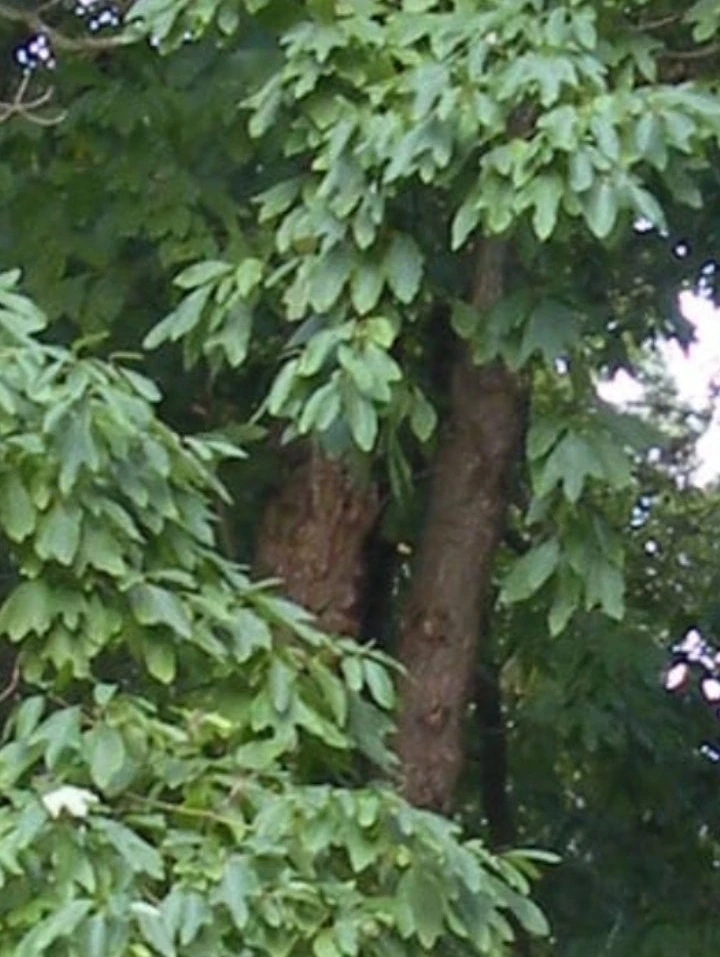
Sassafras Tree Live Plant 1-2 ft Tall – Native, Aromatic, Fall Foliage
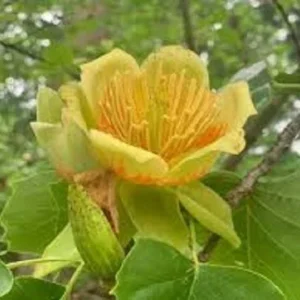
Bring home a beautiful sassafras tree live plant, measuring 1-2 ft tall. This native tree, known scientifically as sassafras albidum, offers stunning autumn foliage and a distinct aromatic scent. Perfect as an ornamental or shade tree for your garden, thriving in zones 4-9.
Original price was: $70.00.$49.00Current price is: $49.00.

With our Alive & Thrive Guarantee, we’ve got your back for the first 30 days! If you have any concerns about your plants, just reach out to us. Our team is here to help answer your questions and guide you in selecting the best plants for your garden, climate, and unique preferences. We're excited to help you create the garden of your dreams!
Estimated arrival
Oct 14
Oct 19 - Oct 21
Oct 24 - Oct 28
Product Details
-
USDA Hardiness Zone
4-9 -
Soil type
Acidic, moist, well-drained soil -
Sunlight Exposure
Full sun to partial shade -
Expected Planting Period
Early spring or early fall
Overview
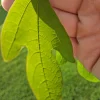
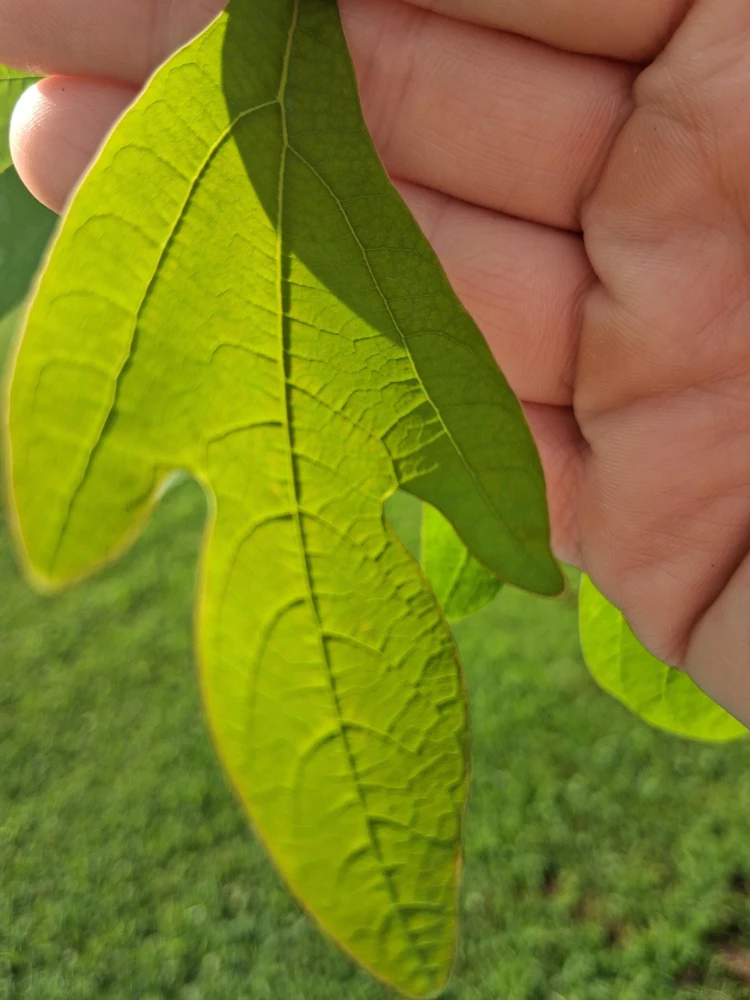
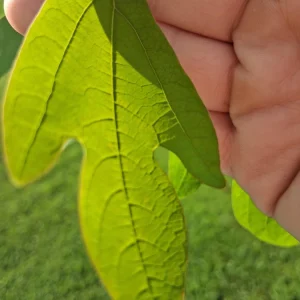
Introduce a touch of native American beauty to your landscape with this vibrant sassafras tree live plant. Known for its distinct aromatic scent and spectacular autumn foliage, the Sassafras Albidum is a versatile tree that adds character to any garden. This particular specimen stands 1-2 ft tall, offering a healthy start for your outdoor space. The sassafras albidum is cherished for its unique leaf shapes, which can include oval, mitten-shaped, and three-lobed variations, all often appearing on the same branch. As a native species, it is well-adapted to various conditions and plays an important role in local ecosystems, supporting wildlife with its berries and providing shelter.
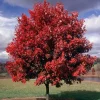
The sassafras tree live plant is a wonderful choice for those seeking a tree with multi-seasonal interest. Its fresh green leaves in spring and summer transform into brilliant shades of yellow, orange, and red in the fall, creating a breathtaking display. Beyond its visual appeal, the aromatic qualities of the sassafras are renowned, with its bark, leaves, and roots emitting a pleasant, spicy fragrance, especially when bruised or cut. This makes it a delightful addition near patios or walkways where its scent can be appreciated.
Key Benefits
The sassafras tree live plant offers a multitude of benefits for both your garden and the environment. Its unique characteristics make it a standout choice for various landscaping needs.
- Stunning Autumn Foliage: Experience a vibrant display of yellow, orange, and red leaves each fall, adding dramatic color to your landscape. This tree is a true autumnal showstopper.
- Distinct Aromatic Scent: Enjoy the unique, spicy fragrance emitted by the leaves, bark, and roots, particularly noticeable when brushed or in the breeze. It adds a sensory dimension to your garden.
- Native Habitat Support: As a native sassafras tree, it supports local biodiversity, providing food and shelter for various bird species and other wildlife with its berries.
- Versatile Landscaping Tree: Functions beautifully as both an ornamental tree, thanks to its unique form and leaf variations, and a functional shade tree, offering relief from the summer sun.
- Adaptable & Resilient: This tree is known for its ability to thrive in a range of soil types and light conditions, making it relatively easy to establish and maintain in its preferred zones.
- Medium to Fast Growth Rate: Enjoy a relatively quick establishment and growth, allowing you to see the benefits of your new tree sooner rather than later.
- Low Maintenance Once Established: After its initial planting and establishment period, the sassafras tree live plant requires minimal ongoing care, making it a great choice for busy gardeners.
Plant Care & Growing Tips
Caring for your sassafras tree live plant is straightforward, especially since it is a native species adapted to many regional conditions. To ensure healthy growth and vibrant foliage, consider the following guidelines. This tree thrives in USDA hardiness zones 4-9, making it suitable for a wide range of climates across the United States. For optimal growth, plant your sassafras tree in a location that receives full sun to partial shade. Full sun (at least 6 hours of direct sunlight per day) will generally result in the most brilliant fall colors, while partial shade (2-4 hours of direct sun, or dappled light all day) is also well-tolerated.
Regarding soil, the sassafras albidum prefers acidic, moist, and well-drained soils. While it can tolerate some wet conditions, consistently waterlogged soil should be avoided to prevent root rot. When planting, amend heavy clay soils with organic matter to improve drainage, or sandy soils to enhance moisture retention. Water regularly during the first growing season to help establish a strong root system. Once established, the tree is moderately drought-tolerant but will benefit from supplemental watering during prolonged dry spells. Fertilization is generally not necessary for established trees in good soil, but young trees may benefit from a balanced, slow-release fertilizer in spring, following product instructions. Pruning should be done in late winter or early spring to remove dead, damaged, or crossing branches, and to shape the tree as desired. Watching for pests and diseases is part of good sassafras tree care, though they are generally quite resilient.
Size & Details
This offering is for a healthy sassafras tree live plant, standing approximately 1-2 ft tall from the base of the root ball to the top of the plant. It is typically shipped in a trade gallon container, ensuring the root system is well-established and ready for transplanting into your garden. The mature height of a sassafras tree can reach 30-60 ft tall with a spread of 25-40 ft, developing a rounded or oval canopy. This medium to fast-growing tree will begin to establish quickly in your landscape. You can expect to see its characteristic three-lobed, mitten-shaped, and oval leaves, along with its unique aromatic properties, as it grows. With proper sassafras tree care, this plant will become a prominent feature in your outdoor space, providing beauty and ecological benefits for years to come.
Frequently Asked Questions
- Q: How big does this plant get? A: This particular sassafras tree live plant is 1-2 ft tall upon arrival. Mature sassafras trees can reach an impressive height of 30-60 feet with a spread of 25-40 feet, developing into a stately shade tree.
- Q: Is this an indoor or outdoor plant? A: The sassafras tree live plant is an outdoor tree, best suited for planting in your garden or landscape. It thrives in its natural outdoor environment and is not suitable for long-term indoor cultivation.
- Q: How much sunlight does it need? A: This tree prefers full sun to partial shade. For the most vibrant fall colors and robust growth, aim for a location that receives at least 6 hours of direct sunlight daily. Partial shade is also tolerated.
- Q: Is this plant easy to care for? A: Yes, once established, the native sassafras tree is relatively low-maintenance. It adapts well to various conditions within its hardiness zones and is generally resilient to common issues.
- Q: What condition will it arrive in? A: Your sassafras tree live plant will arrive as a healthy, actively growing plant, typically in a trade gallon container, with its root ball intact and protected to ensure a smooth transition to your garden.
- Q: When is the best time to plant a sassafras tree? A: The best time to plant a sassafras tree is in early spring or early fall. This allows the tree to establish its root system before the stress of extreme summer heat or winter cold.
- Q: Will it survive winter in my zone? A: The sassafras albidum is hardy in USDA zones 4-9. If your location falls within these zones, your tree should successfully survive the winter months once it is established.
- Q: Does this tree have a strong aroma? A: Yes, the sassafras tree is well-known for its distinct aromatic scent, particularly from its bark, leaves, and roots. It has a spicy, pleasant fragrance that can be quite noticeable.
- Q: What type of soil does a sassafras tree prefer? A: A sassafras tree live plant thrives in acidic, moist, and well-drained soils. It can tolerate a range of soil types but good drainage is key for optimal health.
- Q: Can I use parts of the sassafras tree for anything? A: Historically, sassafras was used for various purposes, including making tea from its roots. However, due to health concerns regarding safrole, it’s generally advised not to consume parts of the tree without expert guidance. Its primary modern use is ornamental and for wildlife support.
Related products
-36%
Original price was: $279.98.$179.98Current price is: $179.98.
-20%
Original price was: $90.00.$72.00Current price is: $72.00.
-50%
Original price was: $73.98.$36.99Current price is: $36.99.
-50%
Original price was: $180.99.$89.89Current price is: $89.89.
PLANTING & CARE
Lemon Tree Growing: Choose, Plant, and Harvest
Learn how to choose, plant, feed, and protect a lemon tree so it fits your
23
Sep
Sep
Dwarf Meyer Lemon Tree Australia: Climate Guide
Learn where dwarf Meyer lemon trees grow, how much cold they tolerate, and whether Australia,
Where to Buy a Dwarf Meyer Lemon Tree: Buyer’s Guide
Find the right dwarf Meyer lemon tree online or locally, compare starter sizes and costs,
Dwarf Meyer Lemon Tree for Sale: Buying Guide
Compare Meyer lemon tree sizes, prices, shipping limits, indoor growing and California options before you
Dwarf Meyer Lemon Tree Guide: Size, Care and Fruit
META: Learn how large a dwarf Meyer lemon tree grows, where it thrives, and how
How to Prune a Dwarf Meyer Lemon Tree
Learn when and how to prune a dwarf Meyer lemon tree, including tools, shaping cuts,
Can You Grow a Dwarf Meyer Lemon Tree in a Pot?
META: Learn how to grow a dwarf Meyer lemon tree in a pot, including container
When Do Dwarf Meyer Lemon Trees Bloom and Fruit?
META: Dwarf Meyer lemon trees usually bloom from winter through spring and may flower again