Sweetbay Magnolia Tree Live Plant – 18-24″ Tall, 2.5″ Pot, Magnolia Virginiana
-10%
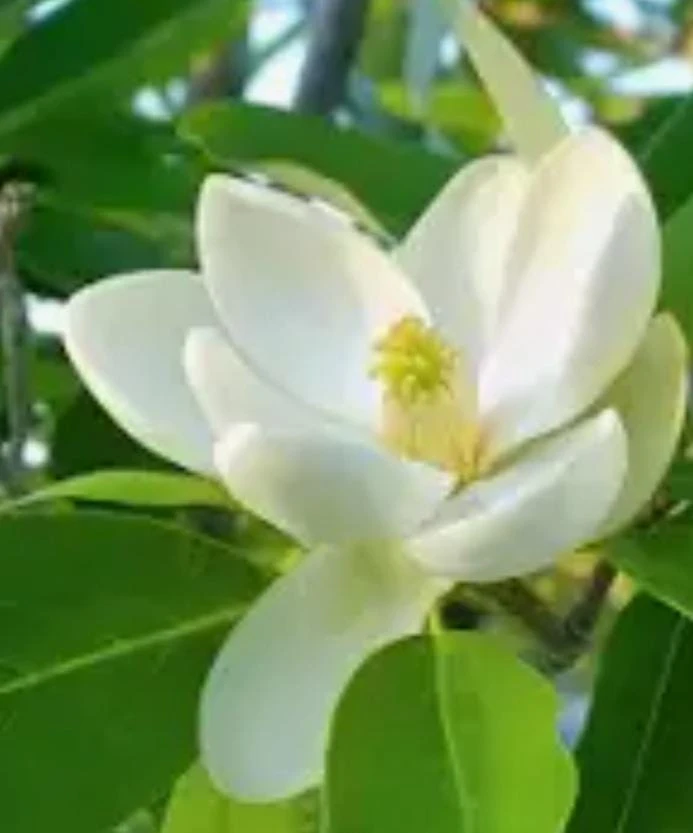
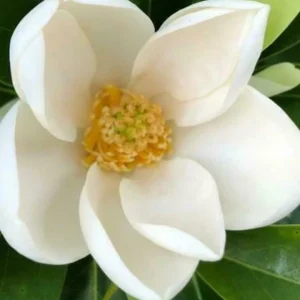
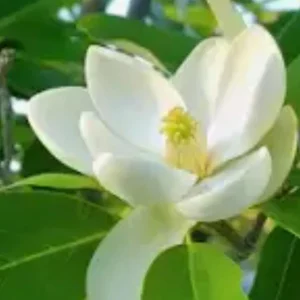
Sweetbay Magnolia Tree Live Plant – 18-24″ Tall, 2.5″ Pot, Magnolia Virginiana
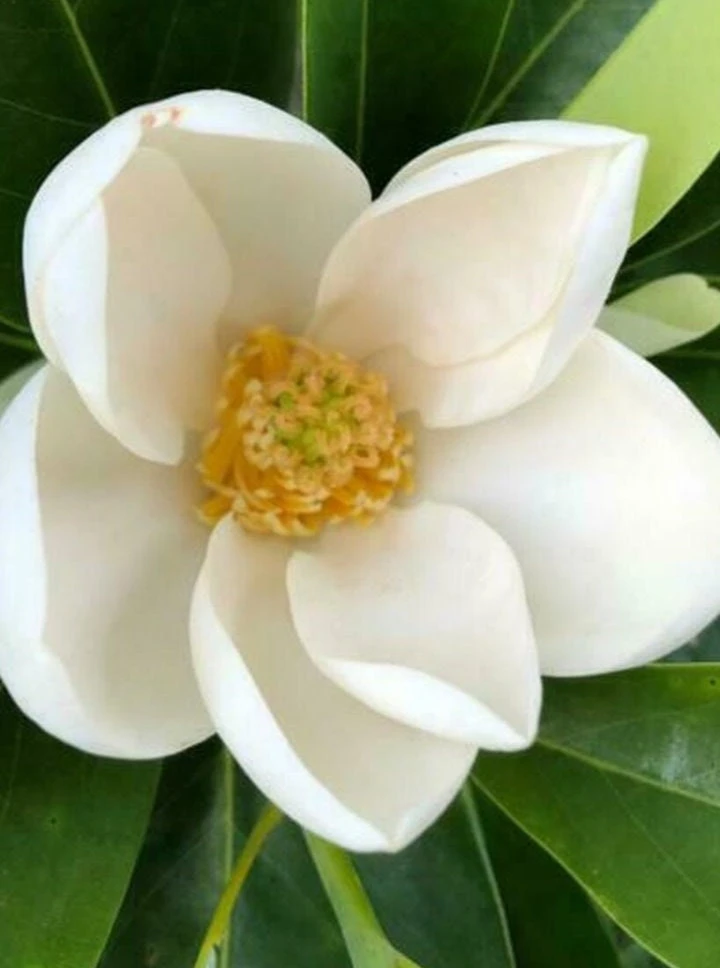
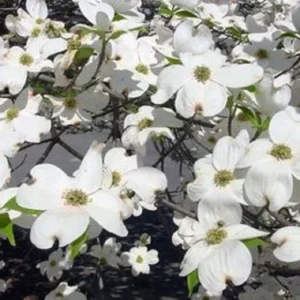
Bring elegance to your landscape with the Sweetbay Magnolia tree (Magnolia virginiana). This beautiful semi-evergreen magnolia offers creamy white flowers and a delightful fragrance, attracting various bird species. Perfect for moist soils and adaptable to full sun or part shade.
Original price was: $28.00.$25.20Current price is: $25.20.

With our Alive & Thrive Guarantee, we’ve got your back for the first 30 days! If you have any concerns about your plants, just reach out to us. Our team is here to help answer your questions and guide you in selecting the best plants for your garden, climate, and unique preferences. We're excited to help you create the garden of your dreams!
Estimated arrival
Oct 14
Oct 19 - Oct 21
Oct 24 - Oct 28
Product Details
-
USDA Hardiness Zone
5-9 -
Soil type
Moist, acidic, well-draining soil -
Sunlight Exposure
Full sun to part shade -
Expected Planting Period
Spring or early fall
Overview
Discover the serene beauty of the Sweetbay Magnolia tree, also known by its botanical name, Magnolia virginiana plant. This captivating live plant is a magnificent addition to any garden, known for its striking appearance and delightful fragrance. The Sweetbay Magnolia is a semi-evergreen variety, meaning it retains its lush green foliage for most of the year, only shedding leaves briefly during the colder winter months. This resilience makes it a popular choice for gardeners seeking year-round visual interest. Growing to a mature height of 10-20 feet, this tree provides a substantial presence without overpowering smaller garden spaces. Its elegant form and creamy white blossoms create a tranquil ambiance, making it a focal point in any landscape design. The Sweetbay Magnolia is particularly well-suited for areas with moist soil, often thriving in conditions that other trees might find challenging.
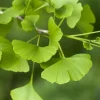
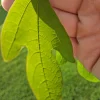
Originating from the southeastern United States, the Magnolia virginiana plant is celebrated for its adaptability and charm. Its glossy, dark green leaves have a silvery underside, adding a subtle shimmer to the tree’s appearance. Beyond its aesthetic appeal, this tree plays a vital role in supporting local wildlife. The fragrant flowers attract pollinators, and as the tree matures, its seeds become a food source for various bird species, including woodpeckers, tanagers, grosbeaks, cardinals, and finches. Choosing a Sweetbay Magnolia for your garden means investing in a plant that offers both visual delight and ecological benefits, enriching your outdoor space in multiple ways. Its relatively fast growth rate ensures that you won’t have to wait long to enjoy its full splendor.
Key Benefits
The Sweetbay Magnolia tree offers a multitude of benefits for any home garden, enhancing both its aesthetic appeal and ecological value. Its unique characteristics make it a standout choice for discerning gardeners.
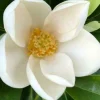
- Beautiful Fragrant Blooms: Enjoy the delightful scent of creamy white flowers that emerge throughout the warmer months. These fragrant blossoms not only add beauty but also create a pleasant sensory experience in your garden, a hallmark of the Magnolia virginiana plant.
- Attracts Wildlife: Once mature, the tree’s blooms and seeds become a magnet for a variety of birds, including woodpeckers, tanagers, grosbeaks, cardinals, and finches, transforming your garden into a lively sanctuary. This makes it an excellent choice for wildlife enthusiasts.
- Semi-Evergreen Foliage: Unlike many deciduous trees, the Sweetbay Magnolia retains its glossy green leaves for most of the year, providing continuous visual interest and structure, even in winter. This semi-evergreen magnolia offers year-round beauty.
- Adaptable to Moist Conditions: This tree thrives in moist to wet soils, making it an ideal choice for areas near ponds, streams, or in rain gardens where other trees might struggle. It’s often classified as a wetland plant magnolia, showcasing its unique resilience.
- Moderate to Fast Growth Rate: With a growth rate of 12-24 inches per year, you won’t have to wait long to see this tree establish and flourish, quickly adding an established feel to your landscape.
- Low Maintenance: Once established, the Sweetbay Magnolia is relatively easy to care for, requiring minimal intervention to maintain its health and beauty. Its robust nature contributes to its appeal.
- Versatile Landscaping Use: Perfect as a specimen tree, in groupings, or along property lines, its adaptable nature allows for diverse placement options in various garden designs. The Sweetbay Magnolia tree is truly versatile.
Plant Care & Growing Tips
Caring for your Sweetbay Magnolia tree is straightforward, especially when you understand its specific needs. This native tree thrives with the right conditions, ensuring it grows into a magnificent specimen. For optimal growth, provide your Magnolia virginiana plant with full sun to part shade exposure. Full sun encourages more abundant flowering, while part shade can be beneficial in hotter climates to prevent leaf scorch. Aim for at least 6 hours of direct sunlight daily for the best results. The Sweetbay Magnolia is unique in its preference for moist soil; it will not tolerate dry conditions. Consistent moisture is key, especially during its establishment phase and during dry spells. Mulching around the base of the tree can help retain soil moisture and regulate soil temperature, providing an ideal environment for this wetland plant magnolia.
Regarding soil, the Sweetbay Magnolia prefers acidic, rich, and well-draining soil, though its tolerance for moist conditions sets it apart. While it can adapt to various soil types, ensuring good organic content will promote healthier growth. When planting, dig a hole twice as wide as the root ball and just as deep, ensuring the top of the root ball is level with the ground. Water thoroughly after planting. Fertilization is generally not required for established trees in good soil, but if growth seems slow or leaves appear pale, a balanced slow-release fertilizer formulated for acid-loving plants can be applied in early spring. This semi-evergreen magnolia is generally hardy in USDA zones 5-9. In colder zones, ensure adequate winter protection, especially for young plants. Pruning is usually minimal, focused on removing dead, damaged, or crossing branches to maintain a healthy structure and appealing shape. While generally pest and disease resistant, monitor for common issues like leaf spot or scale and address them promptly with appropriate organic or chemical treatments.
Size & Details
This offering is for a vibrant Sweetbay Magnolia tree, measuring approximately 18-24 inches tall. It comes planted in a 2.5-inch nursery pot, providing a healthy root system ready for transplanting into your garden or a larger container. The Magnolia virginiana plant exhibits a medium to fast growth rate, typically adding 12-24 inches of height per year under ideal conditions. At maturity, this elegant tree will reach a height of 10-20 feet, creating a significant presence in your landscape. It is a semi-evergreen magnolia, retaining its foliage for most of the year, offering continuous beauty. This specific variety is best suited for USDA hardiness zones 5-9, where it can thrive outdoors. The tree will ship as a live, potted plant, ensuring it arrives healthy and ready for its new home.
Frequently Asked Questions
- Q: How big does this Sweetbay Magnolia tree get? A: The Sweetbay Magnolia tree typically grows to a mature height of 10-20 feet tall, making it a medium-sized tree perfect for various garden settings. Its spread will be proportional to its height, creating a lovely, rounded canopy.
- Q: What size pot does the Sweetbay Magnolia plant come in? A: This Magnolia virginiana plant is currently rooted in a 2.5-inch nursery pot. This size is ideal for a young plant, providing ample space for root development before transplanting.
- Q: Is this an indoor or outdoor plant? A: The Sweetbay Magnolia is primarily an outdoor plant, hardy in USDA zones 5-9. While young plants can be temporarily kept indoors in very bright conditions, it thrives best when planted in the garden.
- Q: How much sunlight does the semi-evergreen magnolia need? A: This semi-evergreen magnolia prefers full sun to part shade. It will perform best with at least 6 hours of direct sunlight daily, though it can tolerate some afternoon shade, especially in hotter climates.
- Q: Is this plant easy to care for? A: Yes, once established, the Sweetbay Magnolia is considered relatively easy to care for. Its primary requirement is consistently moist soil, making it a good choice for gardeners comfortable with regular watering.
- Q: What condition will the wetland plant magnolia arrive in? A: Your wetland plant magnolia will arrive as a healthy, live potted plant, carefully packaged to ensure its safety during transit. It will be ready for immediate planting or acclimation.
- Q: How long until the Sweetbay Magnolia blooms? A: Sweetbay Magnolias can begin to bloom within a few years of planting, typically once they are well-established. The creamy white, fragrant flowers usually appear from late spring through summer.
- Q: When is the best time to plant a Sweetbay Magnolia tree? A: The best time to plant a Sweetbay Magnolia tree is in the spring or early fall, allowing the plant sufficient time to establish its root system before extreme weather conditions.
- Q: Will the Magnolia virginiana plant survive winter in my zone? A: The Magnolia virginiana plant is hardy in USDA zones 5-9. If you are within these zones, it should survive winter outdoors. In colder zones (5-6), some winter protection for young plants can be beneficial.
- Q: What type of soil does the Sweetbay Magnolia prefer? A: The Sweetbay Magnolia thrives in moist, acidic, and well-draining soils. It is particularly well-suited for areas with consistently wet soil, distinguishing it from many other trees.
Related products
-50%
Original price was: $73.98.$36.99Current price is: $36.99.

-42%
Original price was: $56.99.$33.29Current price is: $33.29.

-20%
Original price was: $90.00.$72.00Current price is: $72.00.
PLANTING & CARE
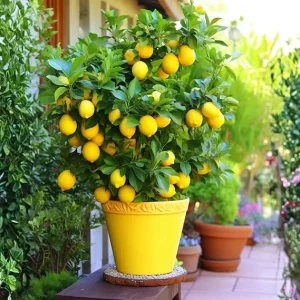
Lemon Tree Growing: Choose, Plant, and Harvest
Learn how to choose, plant, feed, and protect a lemon tree so it fits your
23
Sep
Sep
Dwarf Meyer Lemon Tree Australia: Climate Guide
Learn where dwarf Meyer lemon trees grow, how much cold they tolerate, and whether Australia,
Where to Buy a Dwarf Meyer Lemon Tree: Buyer’s Guide
Find the right dwarf Meyer lemon tree online or locally, compare starter sizes and costs,
Dwarf Meyer Lemon Tree for Sale: Buying Guide
Compare Meyer lemon tree sizes, prices, shipping limits, indoor growing and California options before you
Dwarf Meyer Lemon Tree Guide: Size, Care and Fruit
META: Learn how large a dwarf Meyer lemon tree grows, where it thrives, and how
How to Prune a Dwarf Meyer Lemon Tree
Learn when and how to prune a dwarf Meyer lemon tree, including tools, shaping cuts,
Can You Grow a Dwarf Meyer Lemon Tree in a Pot?
META: Learn how to grow a dwarf Meyer lemon tree in a pot, including container
When Do Dwarf Meyer Lemon Trees Bloom and Fruit?
META: Dwarf Meyer lemon trees usually bloom from winter through spring and may flower again