Saucer Magnolia Tree Live Plant – Pink & White Flowers Shrub 6-12″ Tall in 2.5″ Pot
-50%
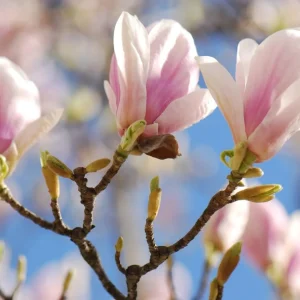
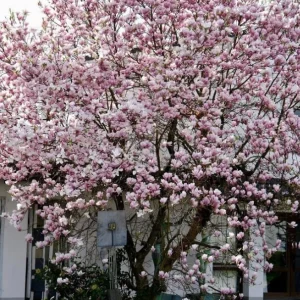
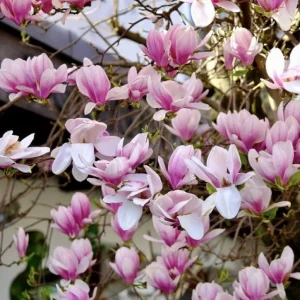
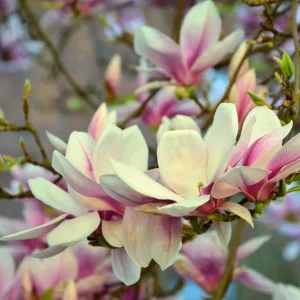
Saucer Magnolia Tree Live Plant – Pink & White Flowers Shrub 6-12″ Tall in 2.5″ Pot
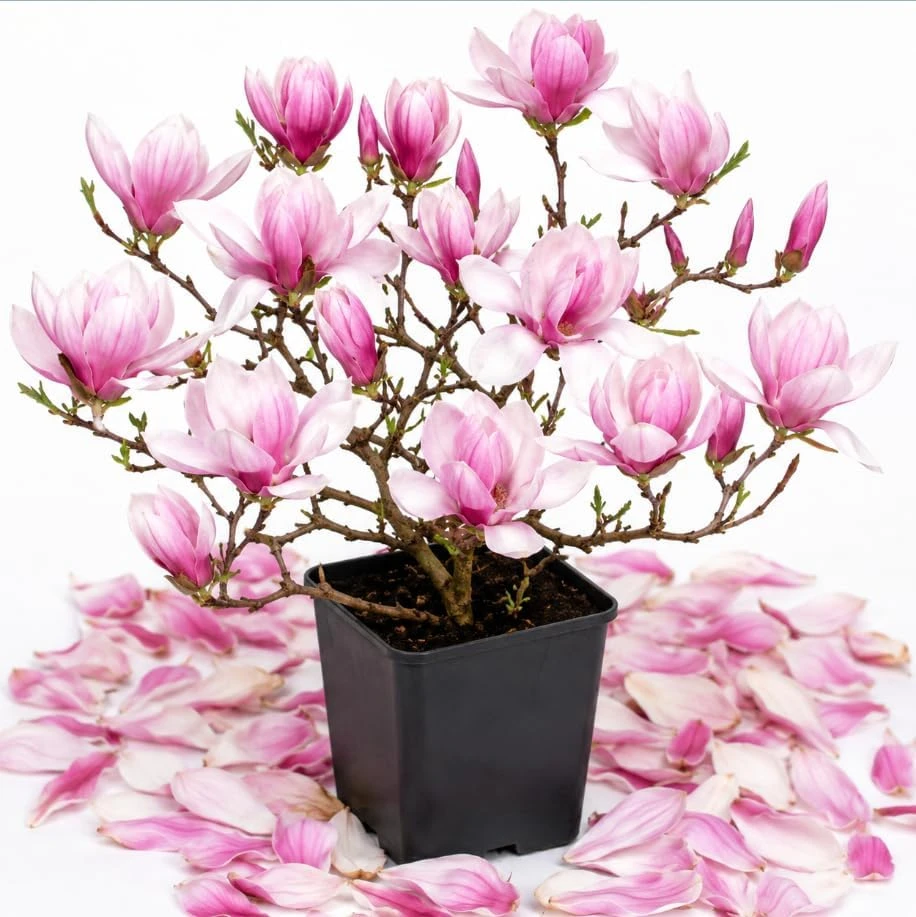
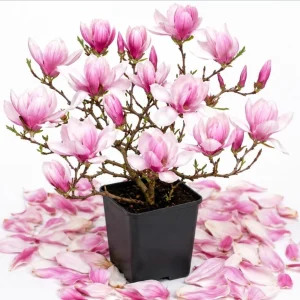
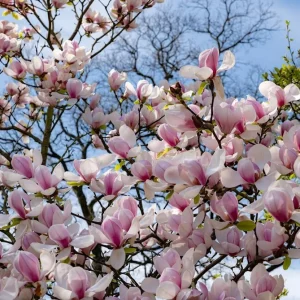
Bring elegant beauty to your landscape with a saucer magnolia tree. This live plant, arriving 6-12 inches tall in a 2.5-inch pot, is ready to grow into a spectacular feature, boasting large, fragrant pink and white blooms. Ideal as a shrub or trained into a tree, it offers flexible planting options for stunning outdoor appeal.
Original price was: $31.98.$15.99Current price is: $15.99.

With our Alive & Thrive Guarantee, we’ve got your back for the first 30 days! If you have any concerns about your plants, just reach out to us. Our team is here to help answer your questions and guide you in selecting the best plants for your garden, climate, and unique preferences. We're excited to help you create the garden of your dreams!
Estimated arrival
Nov 03
Nov 08 - Nov 10
Nov 13 - Nov 17

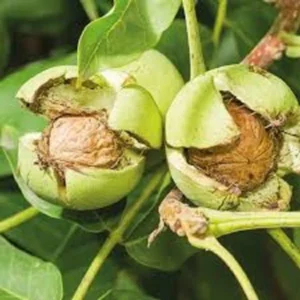
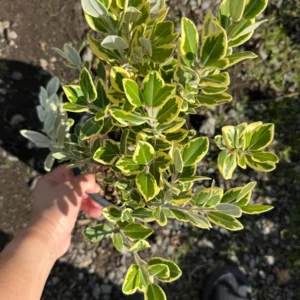
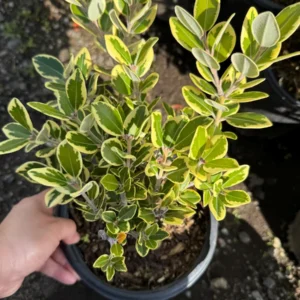
Product Details
-
USDA Hardiness Zone
USDA zones 4-9 -
Soil type
Well-draining, fertile, slightly acidic to neutral soil -
Sunlight Exposure
Full sun to partial shade -
Expected Planting Period
Early spring to early fall
Overview
Transform your outdoor space with the timeless elegance of a saucer magnolia tree. Celebrated for its breathtaking pink and white blooms, this exquisite live plant arrives ready to thrive, standing 6-12 inches tall in a 2.5-inch pot. The saucer magnolia tree (Magnolia x soulangiana) is a beloved deciduous ornamental, known for its early spring display of large, cup-shaped flowers before its leaves emerge. It’s a versatile choice for gardeners looking to add a touch of sophistication and vibrant color to their landscape. Whether you envision it as a stately specimen tree or a graceful, multi-stemmed shrub, this sweet magnolia promises to be a showstopping focal point, captivating onlookers with its fragrant blossoms and classic charm.
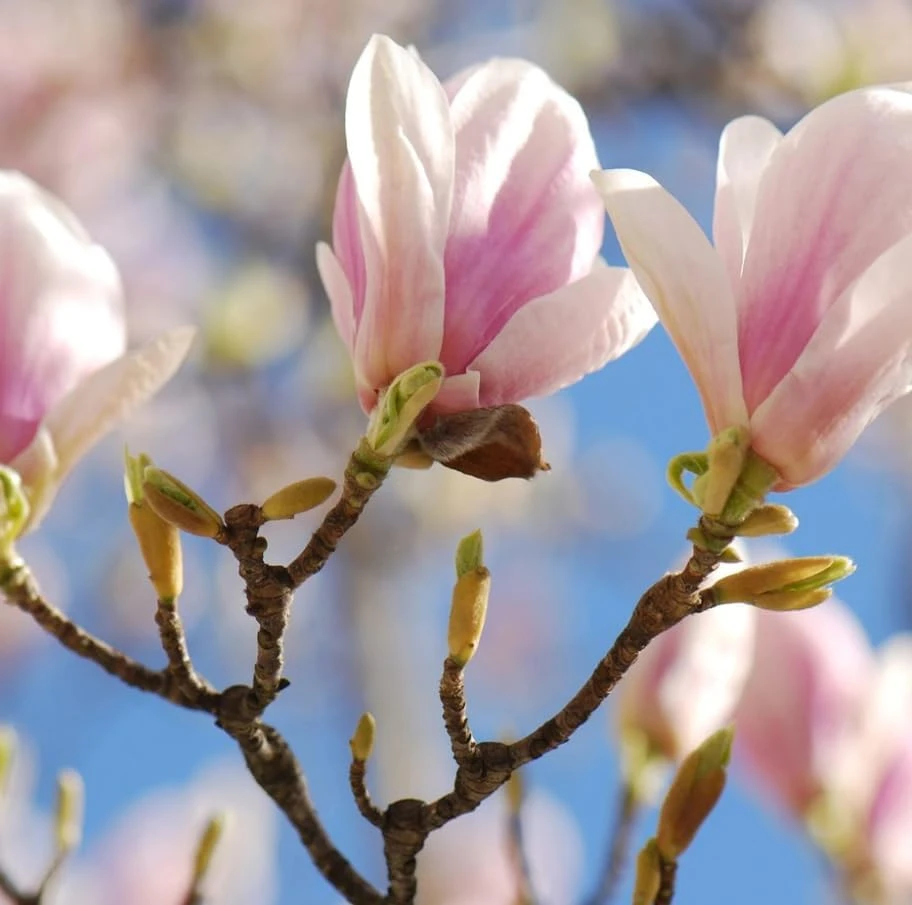
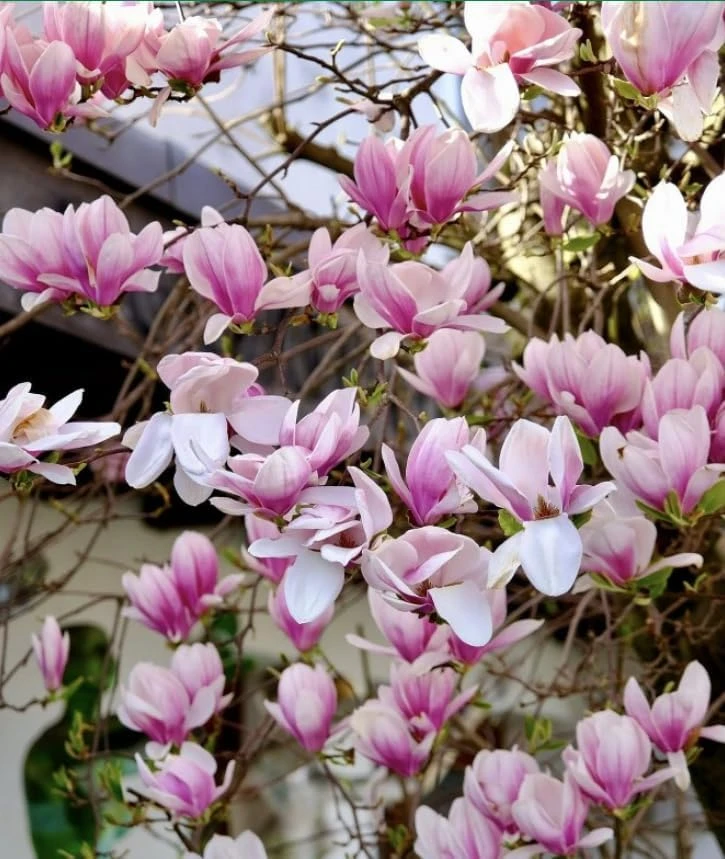
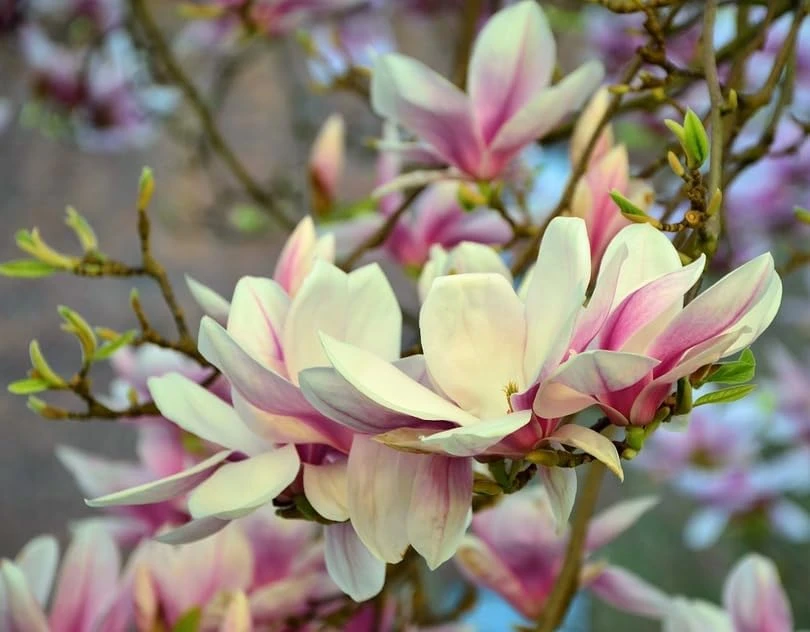
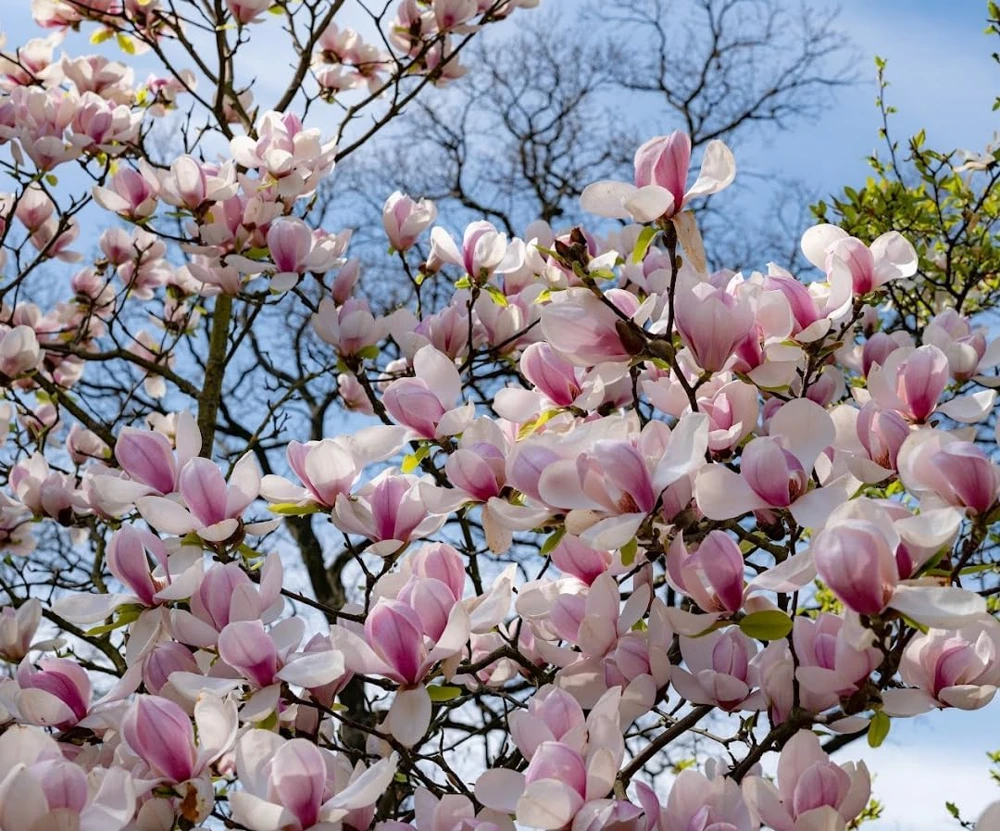
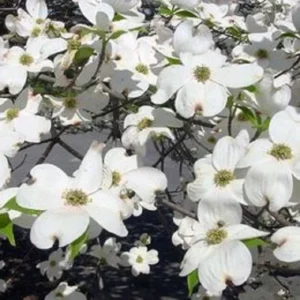
The allure of the saucer magnolia tree lies in its dramatic floral presentation. Its petals, often white on the inside and deep pink to purple on the outside, create a stunning contrast that lights up the garden. This resilient and adaptable plant is a fantastic investment for long-term beauty, offering a spectacular visual feast year after year. As a young starter plant, it will establish itself with proper care, eventually rewarding you with an abundance of its iconic, fragrant flowers, making it a truly rewarding addition to any garden or yard.
Key Benefits
The saucer magnolia tree offers numerous advantages, making it a popular choice for enhancing garden aesthetics and providing long-lasting enjoyment. Its unique characteristics contribute significantly to its appeal as a prized ornamental plant.
- Stunning Ornamental Appeal: The primary benefit is its spectacular display of large, fragrant pink and white flowers in early spring, often before other plants begin to leaf out. These iconic blooms create an unforgettable visual impact, making it a focal point in any garden or landscape.
- Versatile Growth Habit: This plant can be cultivated as a multi-stemmed shrub or trained into a single-trunk tree, offering flexibility in garden design. This adaptability allows it to fit various spaces and aesthetic preferences, from formal gardens to more naturalistic settings.
- Fragrant Blooms: The beautiful flowers of the saucer magnolia tree are not only visually appealing but also emit a delightful, sweet fragrance that can gently perfume the air, enhancing the sensory experience of your garden.
- Early Spring Color: As one of the first plants to bloom in spring, it provides much-needed color and cheer after the long winter months. Its vibrant display signals the arrival of warmer weather and the awakening of the garden.
- Low Maintenance Once Established: While requiring initial care, once established, the sweet magnolias shrub is relatively low maintenance. It’s generally resilient to pests and diseases, making it a rewarding choice for both novice and experienced gardeners.
- Long-Lived Beauty: With proper care, a pink magnolia plant can live for many decades, growing into a magnificent specimen that provides continuous beauty and value to your property for generations.
- Attracts Pollinators: The early blooms provide a valuable nectar source for early emerging pollinators, contributing to local biodiversity and supporting the health of your garden ecosystem.
Plant Care & Growing Tips
Caring for your saucer magnolia tree is relatively straightforward, ensuring it flourishes and delivers its spectacular spring display. This deciduous tree or large shrub thrives in conditions that mimic its natural habitat, requiring attention to light, water, and soil.
Sunlight Requirements: For optimal flowering, your saucer magnolia tree needs at least 6 hours of direct sunlight per day, ideally full sun. While it can tolerate partial shade, too much shade will result in fewer blooms and a more open growth habit. Choose a location that receives ample morning sun, as this can help dry morning dew and reduce the risk of fungal diseases. Ensure it’s not planted in an area where it will be completely overshadowed by larger trees or structures once mature.
Watering Schedule and Soil Moisture: During its first few growing seasons, consistent watering is crucial for establishing a strong root system. Water deeply 2-3 times a week, especially during dry spells, ensuring the soil remains consistently moist but not waterlogged. Once established, the pink magnolia plant is moderately drought-tolerant but will benefit from supplemental watering during prolonged dry periods. Always check the top 2-3 inches of soil; if it feels dry, it’s time to water. Good drainage is paramount to prevent root rot.
Soil Type and Drainage: The saucer magnolia tree prefers well-draining, fertile, slightly acidic to neutral soil (pH 5.5-6.5). Amend heavy clay soils with organic matter like compost or aged manure to improve drainage and aeration. Sandy soils may benefit from similar amendments to increase water retention. Ensure the planting site allows for water to drain away freely, as magnolias do not tolerate wet feet. A proper soil environment is key for a healthy outdoor flowering tree.
Temperature Range and USDA Hardiness Zone: This beautiful magnolia is hardy in USDA Zones 4-9. It requires a period of winter chill to set flower buds but can be susceptible to late spring frosts that can damage early blooms. Protect young plants from harsh winter winds. In warmer zones, ensure it receives adequate moisture during hot summers. The sweet magnolias shrub is quite robust within its specified hardiness range.
Fertilization Schedule: Fertilize your saucer magnolia tree in early spring before new growth begins. Use a balanced, slow-release granular fertilizer formulated for trees and shrubs, or one slightly higher in phosphorus to encourage blooming. Follow the manufacturer’s instructions for application rates. Avoid fertilizing late in the season, as this can stimulate new growth that is vulnerable to winter damage. Established plants may only need fertilization every few years if the soil is rich.
Common Problems and Solutions: Magnolias are generally pest and disease resistant. However, watch for scale insects, which can be treated with horticultural oil. Fungal issues like leaf spot can occur in overly wet or humid conditions; ensure good air circulation and avoid overhead watering. Late spring frosts can damage flower buds, turning them brown; this is usually cosmetic and the plant will recover. Proper siting and care are the best preventative measures for a thriving magnolia tree care routine.
Size & Details
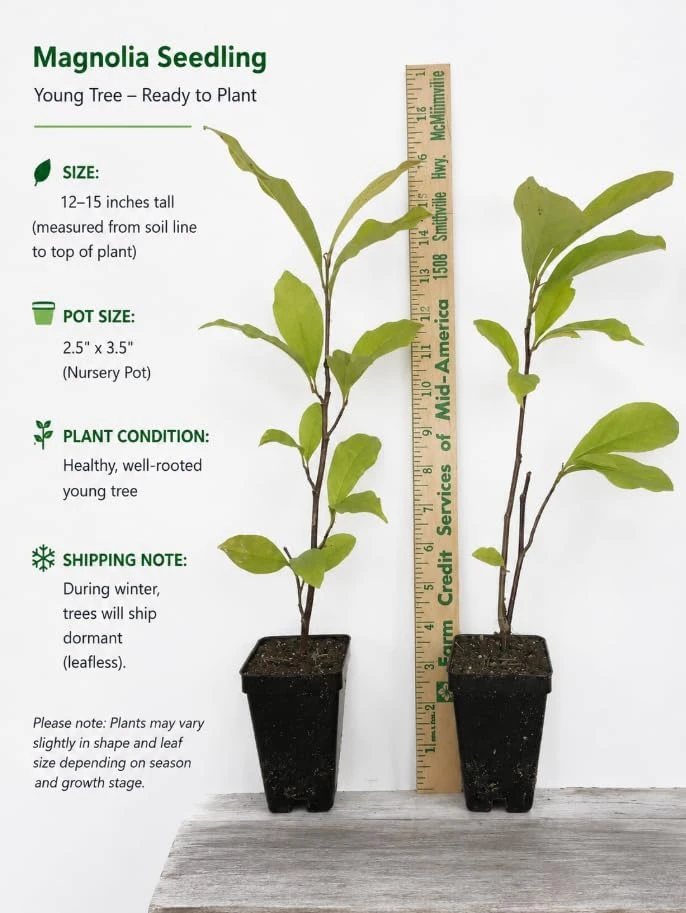
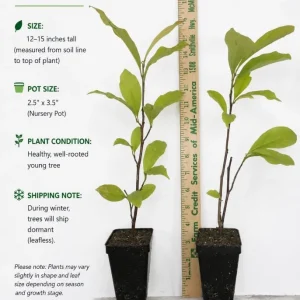
This offering is for a young saucer magnolia tree live plant, typically arriving 6-12 inches tall. Each plant is carefully nurtured and shipped in a 2.5-inch nursery pot, providing a healthy root system ready for transplanting. While exact growth rates vary based on climate and care, these vigorous plants are known for their relatively fast growth, establishing themselves quickly in their new environment.
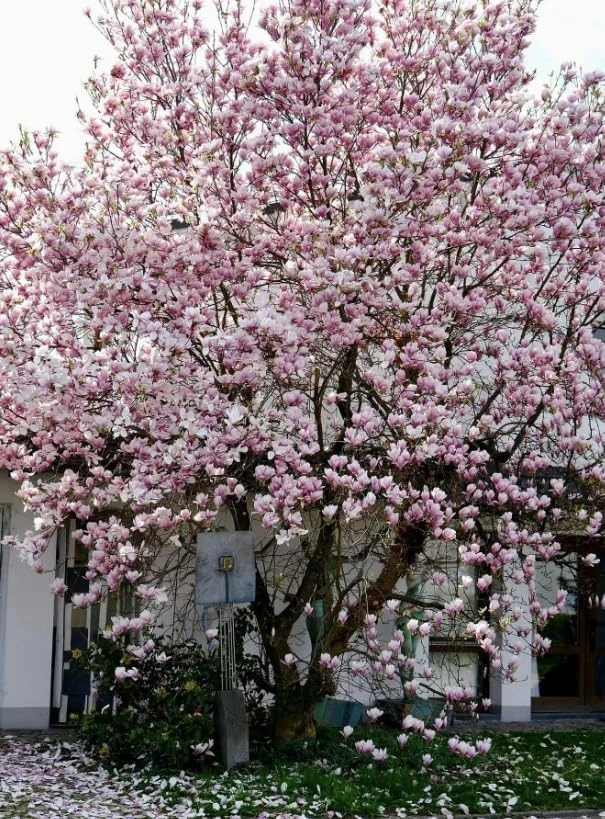
Upon arrival, your pink magnolia plant will be a young starter plant, without blooms, focusing its energy on root development. With proper care and during its appropriate growing season, it will begin to produce its characteristic large, fragrant flowers. The ultimate size of a mature sweet magnolias shrub or tree can range from 15 to 25 feet tall and wide, depending on whether it’s allowed to grow as a multi-stemmed shrub or trained into a single-trunk tree. This flexibility makes it an excellent choice for various garden designs, providing a substantial and long-lasting ornamental presence.
Frequently Asked Questions
- Q: How big does this plant get? A: This saucer magnolia tree arrives 6-12 inches tall. When mature, it can grow to be 15-25 feet tall and wide, depending on whether it’s grown as a shrub or trained into a tree. Its final size also depends on growing conditions and pruning.
- Q: What size pot does it come in? A: Each saucer magnolia tree is shipped in a 2.5-inch nursery pot, ensuring its roots are protected and ready for successful transplanting into your garden or a larger container.
- Q: Is this an indoor or outdoor plant? A: The saucer magnolia tree is an outdoor plant, best suited for garden beds and landscapes. It requires a period of winter dormancy and specific light conditions that are difficult to replicate indoors.
- Q: How much sunlight does it need? A: This pink magnolia plant thrives in full sun, requiring at least 6 hours of direct sunlight daily for the best flowering performance. It can tolerate partial shade, but blooming may be reduced.
- Q: Is this plant easy to care for? A: Yes, once established, the saucer magnolia tree is relatively easy to care for. It requires consistent watering during establishment but becomes more drought-tolerant. Regular fertilization and proper pruning will ensure its health and abundant blooms. This makes magnolia tree care manageable for most gardeners.
- Q: What condition will it arrive in? A: Your sweet magnolias shrub will arrive as a healthy, young starter plant, carefully packaged in its 2.5-inch pot. It will be shipped without blooms, as it is a young plant focusing on root development.
- Q: How long until it blooms? A: As a young starter plant, the saucer magnolia tree will typically begin to flower after becoming established, usually within 2-3 years, with proper care and during the appropriate spring growing season.
- Q: When is the best time to plant? A: The best time to plant your outdoor flowering tree is in early spring or early fall, allowing the plant sufficient time to establish its root system before extreme temperatures set in.
- Q: Will it survive winter in my zone? A: The saucer magnolia tree is hardy in USDA Zones 4-9, meaning it can withstand winter temperatures in these regions. Protection from harsh winter winds is beneficial for young plants.
- Q: What’s the minimum temperature it can tolerate? A: This magnolia can generally tolerate winter temperatures down to approximately -20°F (-29°C) within its hardiness zones. However, flower buds can be susceptible to damage from late spring frosts.
Related products
-50%
Original price was: $73.98.$36.99Current price is: $36.99.

PLANTING & CARE
Lemon Tree Growing: Choose, Plant, and Harvest
Learn how to choose, plant, feed, and protect a lemon tree so it fits your
23
Sep
Sep
Dwarf Meyer Lemon Tree Australia: Climate Guide
Learn where dwarf Meyer lemon trees grow, how much cold they tolerate, and whether Australia,
Where to Buy a Dwarf Meyer Lemon Tree: Buyer’s Guide
Find the right dwarf Meyer lemon tree online or locally, compare starter sizes and costs,
Dwarf Meyer Lemon Tree for Sale: Buying Guide
Compare Meyer lemon tree sizes, prices, shipping limits, indoor growing and California options before you
Dwarf Meyer Lemon Tree Guide: Size, Care and Fruit
META: Learn how large a dwarf Meyer lemon tree grows, where it thrives, and how
How to Prune a Dwarf Meyer Lemon Tree
Learn when and how to prune a dwarf Meyer lemon tree, including tools, shaping cuts,
Can You Grow a Dwarf Meyer Lemon Tree in a Pot?
META: Learn how to grow a dwarf Meyer lemon tree in a pot, including container
When Do Dwarf Meyer Lemon Trees Bloom and Fruit?
META: Dwarf Meyer lemon trees usually bloom from winter through spring and may flower again