Set of 2 Mixed Lavender Live Plants, 4-8 Inch Tall, Purple Flowering Herb for Garden & Patio, Outdoor
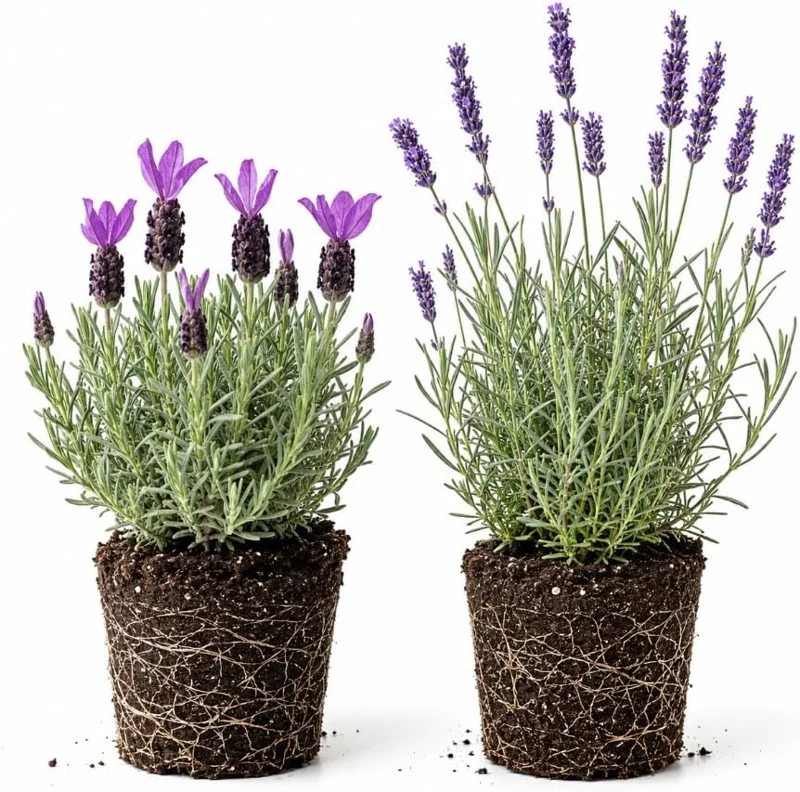
Set of 2 Mixed Lavender Live Plants, 4-8 Inch Tall, Purple Flowering Herb for Garden & Patio, Outdoor
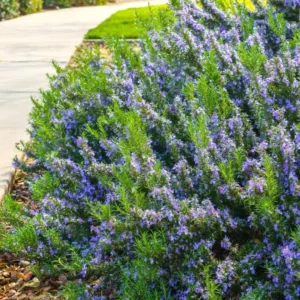
Bring beauty and aroma to your outdoor space with this set of 2 mixed lavender live plants. Each plant measures 4-8 inches tall, ready for planting in your garden, patio, or containers. These fragrant lavender plants are known for their stunning purple blooms, attracting beneficial pollinators, and offering a calming presence. Enjoy a versatile purple flowering herb that is low-maintenance and drought-tolerant, perfect for creating a serene and productive garden.
$21.99

With our Alive & Thrive Guarantee, we’ve got your back for the first 30 days! If you have any concerns about your plants, just reach out to us. Our team is here to help answer your questions and guide you in selecting the best plants for your garden, climate, and unique preferences. We're excited to help you create the garden of your dreams!
Estimated arrival
Oct 21
Oct 26 - Oct 28
Oct 31 - Nov 04
Product Details
-
USDA Hardiness Zone
USDA Zones 5-9 -
Soil type
Well-draining, sandy or gravelly soil -
Sunlight Exposure
Full sun (6-8 hours daily) -
Expected Planting Period
Spring to early summer
Overview
Transform your outdoor living areas with this exquisite set of 2 mixed lavender live plants. Each plant measures 4-8 inches tall, offering a fantastic start to creating a fragrant and visually appealing garden. These beautiful fragrant lavender plants, from the Lavandula genus, are renowned for their soothing aroma and stunning purple blossoms that attract beneficial pollinators like bees and butterflies. Perfect for both novice and experienced gardeners, these plants are shipped without a pot, ready for immediate planting in your preferred location. Whether you’re looking to create a classic herb garden, add a border to a pathway, or simply enjoy the calming presence of lavender on your patio, these mixed varieties provide a versatile and charming solution. Discover the joy of growing your own fragrant herbs with these robust and healthy lavandula plants.
Key Benefits
Investing in these mixed lavender live plants offers a multitude of benefits, enhancing both the aesthetic and sensory experience of your garden space. Their delightful characteristics make them a popular choice for various landscaping and culinary uses:
- Aromatic Fragrance: Enjoy the classic, calming scent of lavender, known for its stress-reducing properties. These fragrant lavender plants release their aroma when brushed, making them perfect for pathways or near seating areas.
- Vibrant Purple Blooms: The beautiful purple flowers add a splash of color to any garden design, creating a picturesque and inviting atmosphere. Their long-lasting blooms provide visual interest throughout the growing season.
- Pollinator Attraction: Lavender is a magnet for bees, butterflies, and other beneficial insects, helping to support local ecosystems and improve pollination in your garden.
- Versatile Landscaping: Ideal for garden beds, borders, rock gardens, and containers, these plants adapt well to various settings. They are excellent for creating a Mediterranean-style garden or a classic cottage garden feel.
- Drought Tolerant: Once established, lavender is remarkably drought-tolerant, requiring less water than many other flowering plants, making it an eco-friendly choice for sustainable gardening.
- Culinary and Medicinal Uses: Beyond their beauty, lavender flowers and leaves can be used in cooking, teas, and homemade remedies, adding a unique flavor and therapeutic benefits. This makes it a truly versatile purple flowering herb.
- Low Maintenance: These hardy perennials are relatively easy to care for, thriving with minimal intervention once established. They are a great choice for gardeners seeking beautiful results without extensive effort.
Plant Care & Growing Tips
Caring for your mixed lavender live plants is straightforward, ensuring they thrive and provide abundant blooms and fragrance. These plants are relatively low-maintenance, but understanding their specific needs will help them flourish. The most crucial factor for healthy growth is ample sunlight. Lavender requires plenty of direct sunlight, ideally 6-8 hours per day. Position them in a south-facing location or an area of your garden that receives full, unobstructed sun exposure. Inadequate light can lead to leggy growth and fewer flowers. These plants are suited for USDA Zones 5-9, meaning they can withstand a range of temperatures from mild winters to hot summers, provided they have proper drainage.
When it comes to watering, less is often more for lavandula plants. Lavender prefers sandy soil that drains very well, as it is susceptible to root rot in waterlogged conditions. Water newly planted lavender regularly until established, typically for the first few weeks. After establishment, water sparingly, allowing the soil to dry out completely between waterings. Sandy or gravelly soil is ideal, mimicking their native Mediterranean habitat. If your soil is heavy clay, consider amending it with sand, grit, or compost to improve drainage before planting. Fertilization is usually not necessary for lavender, as it thrives in lean soil. If your soil is particularly poor, a light application of a balanced, slow-release fertilizer in spring can be beneficial, but avoid over-fertilizing, which can reduce flowering. Pruning is essential for maintaining shape and promoting new growth; prune after the first flush of flowers to encourage a second bloom and keep the plant compact. For an abundant supply of purple flowering herb, ensuring these care tips are followed will yield great results, making it an excellent addition to your garden.
Size & Details
This offering includes a set of 2 mixed lavender live plants, each measuring approximately 4-8 inches tall at the time of shipment. These plants are provided without a pot, allowing you the flexibility to plant them directly into your garden beds, larger containers, or patio planters upon arrival. The mixed varieties ensure a diverse and interesting display of lavender characteristics, contributing to a rich tapestry of color and scent in your outdoor space. While initial growth is focused on establishment, these perennial herbs are known for their moderate growth rate, typically reaching a mature height of 1-3 feet and a similar spread, depending on the specific variety and growing conditions. Expect these plants to establish well within their first growing season, producing their characteristic fragrant purple blooms from late spring through summer. They are a long-term addition to your garden, returning year after year with proper care. These fragrant lavender plants are a wonderful choice for any gardener.
Frequently Asked Questions
- Q: How big do these mixed lavender live plants get? A: At maturity, these lavender plants typically grow to a height of 1-3 feet and spread similarly, depending on the specific variety and growing conditions. They arrive 4-8 inches tall, ready for planting.
- Q: Is this an indoor or outdoor plant? A: These lavender for garden plants are primarily outdoor plants, thriving in full sun. While they can be brought indoors temporarily in bright, sunny windows during winter in colder zones, they generally perform best outdoors.
- Q: How much sunlight does it need? A: Lavender requires at least 6-8 hours of direct sunlight per day to flourish and produce abundant flowers. Plant them in the sunniest spot in your garden or on your patio to ensure they thrive.
- Q: Is this plant easy to care for? A: Yes, lavender is considered relatively easy to care for once established. It’s drought-tolerant and prefers lean, well-draining soil, making it a low-maintenance option for many gardeners.
- Q: What condition will the plants arrive in? A: Your set of 2 mixed lavender live plants will arrive healthy and ready for planting. They are shipped without a pot to minimize shipping stress and are carefully packaged to ensure their safe arrival.
- Q: How long until it blooms? A: These young lavandula plants may produce some blooms in their first year, especially if planted in spring. Full blooming potential is typically reached in the second year and beyond, offering a beautiful purple flowering herb display.
- Q: Will it survive winter in my zone? A: These plants are suited for USDA Hardiness Zones 5-9. If you are within these zones, they should survive winter outdoors and return in spring. In colder zones, they may require winter protection or be treated as annuals.
- Q: Can I use this purple flowering herb in cooking? A: Yes, lavender flowers and leaves can be used in various culinary applications, such as teas, baked goods, and savory dishes. Ensure the plants have not been treated with harmful pesticides if intended for consumption.
- Q: What type of soil is best for lavender? A: Lavender prefers well-draining, sandy, or gravelly soil with a neutral to slightly alkaline pH. Avoid heavy clay soils that retain too much moisture, as this can lead to root rot.
- Q: Do these plants attract pollinators? A: Absolutely! Lavender is well-known for attracting a variety of pollinators, including bees, butterflies, and other beneficial insects, making it a great addition to a pollinator-friendly garden.
Related products
-20%
Original price was: $35.00.$28.00Current price is: $28.00.
-50%
Original price was: $53.98.$26.99Current price is: $26.99.
-50%
Original price was: $27.96.$13.98Current price is: $13.98.
-67%
Original price was: $75.72.$25.24Current price is: $25.24.
-30%
Original price was: $99.98.$69.98Current price is: $69.98.
-67%
Original price was: $39.72.$13.24Current price is: $13.24.
-49%
Original price was: $60.99.$30.99Current price is: $30.99.
-67%
Original price was: $39.72.$13.24Current price is: $13.24.
PLANTING & CARE
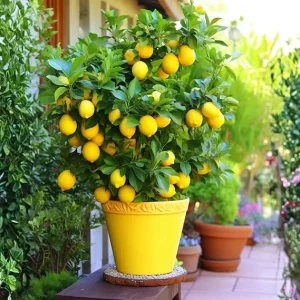
Lemon Tree Growing: Choose, Plant, and Harvest
Learn how to choose, plant, feed, and protect a lemon tree so it fits your
23
Sep
Sep
Dwarf Meyer Lemon Tree Australia: Climate Guide
Learn where dwarf Meyer lemon trees grow, how much cold they tolerate, and whether Australia,
Where to Buy a Dwarf Meyer Lemon Tree: Buyer’s Guide
Find the right dwarf Meyer lemon tree online or locally, compare starter sizes and costs,
Dwarf Meyer Lemon Tree for Sale: Buying Guide
Compare Meyer lemon tree sizes, prices, shipping limits, indoor growing and California options before you
Dwarf Meyer Lemon Tree Guide: Size, Care and Fruit
META: Learn how large a dwarf Meyer lemon tree grows, where it thrives, and how
How to Prune a Dwarf Meyer Lemon Tree
Learn when and how to prune a dwarf Meyer lemon tree, including tools, shaping cuts,
Can You Grow a Dwarf Meyer Lemon Tree in a Pot?
META: Learn how to grow a dwarf Meyer lemon tree in a pot, including container
When Do Dwarf Meyer Lemon Trees Bloom and Fruit?
META: Dwarf Meyer lemon trees usually bloom from winter through spring and may flower again