Sweet Bay Magnolia Shrub Tree 10-16″ Tall – Fragrant White Flowers, Outdoor Live Plant
-50%
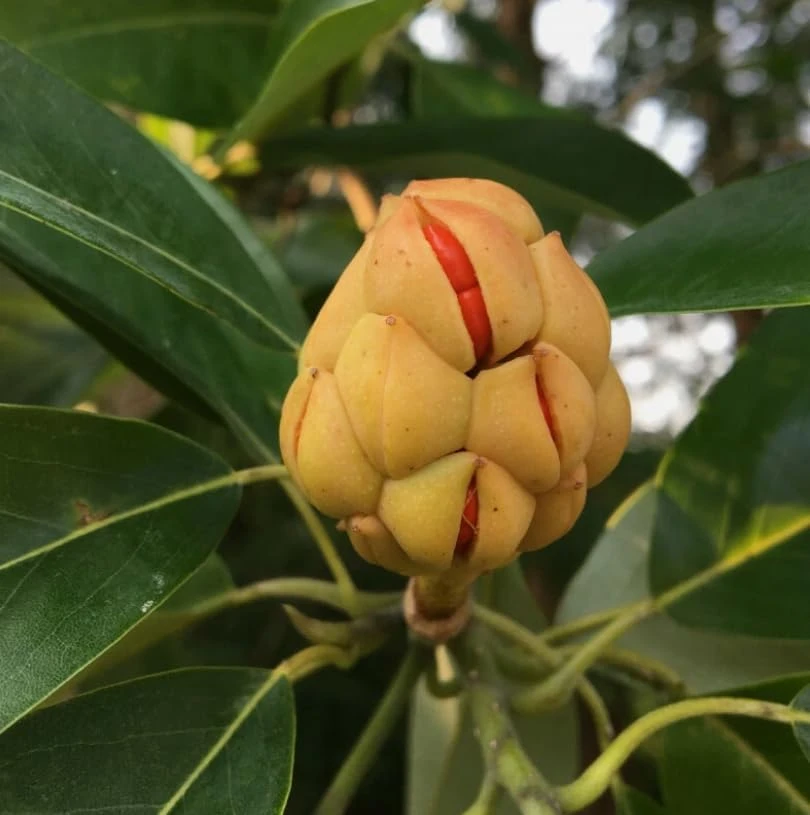
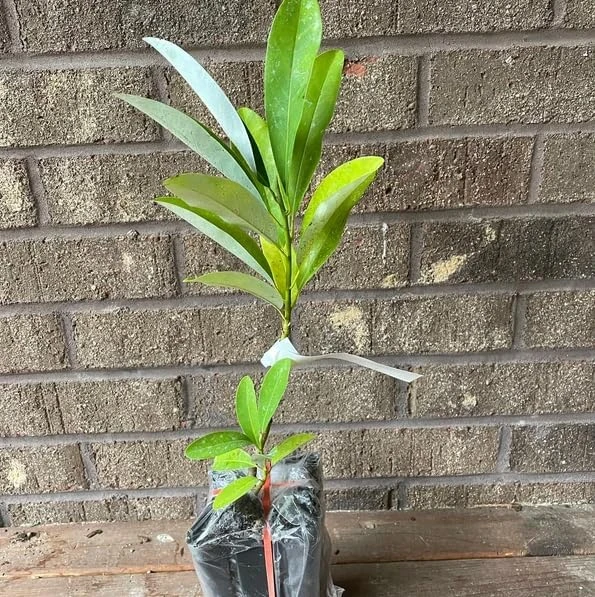
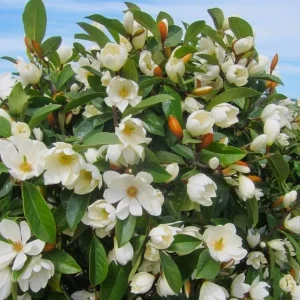
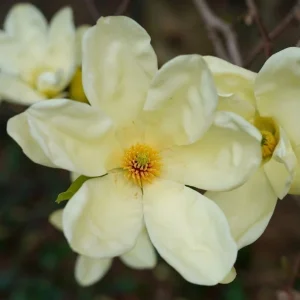
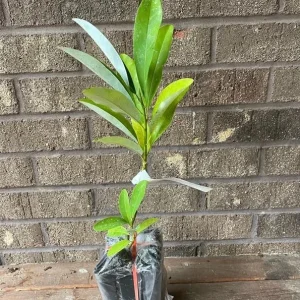
Sweet Bay Magnolia Shrub Tree 10-16″ Tall – Fragrant White Flowers, Outdoor Live Plant
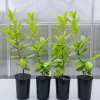
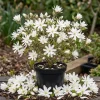
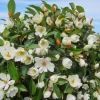
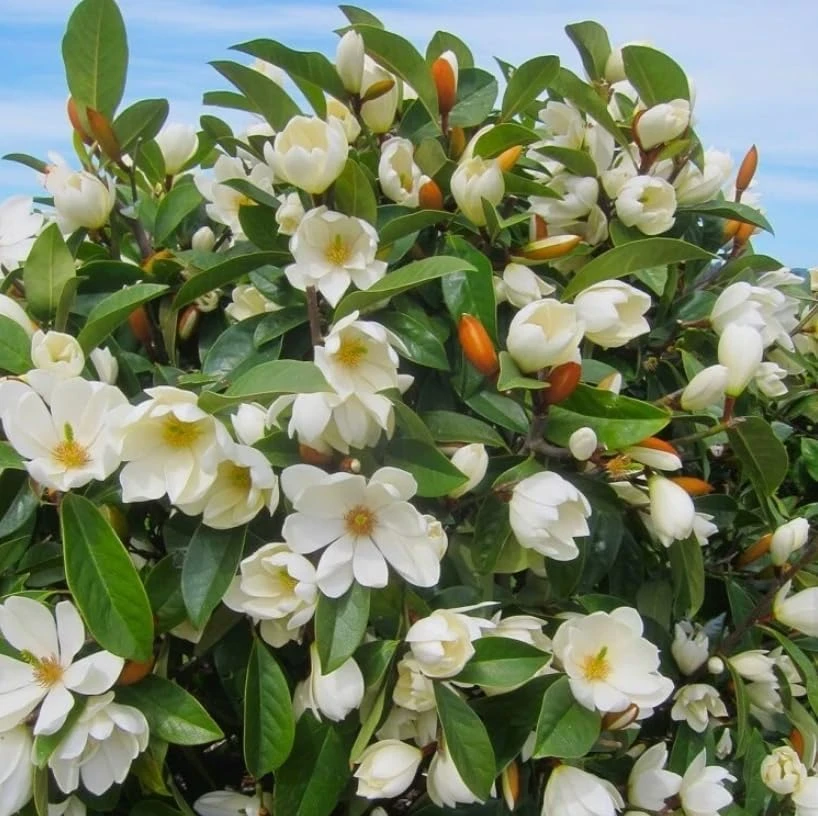
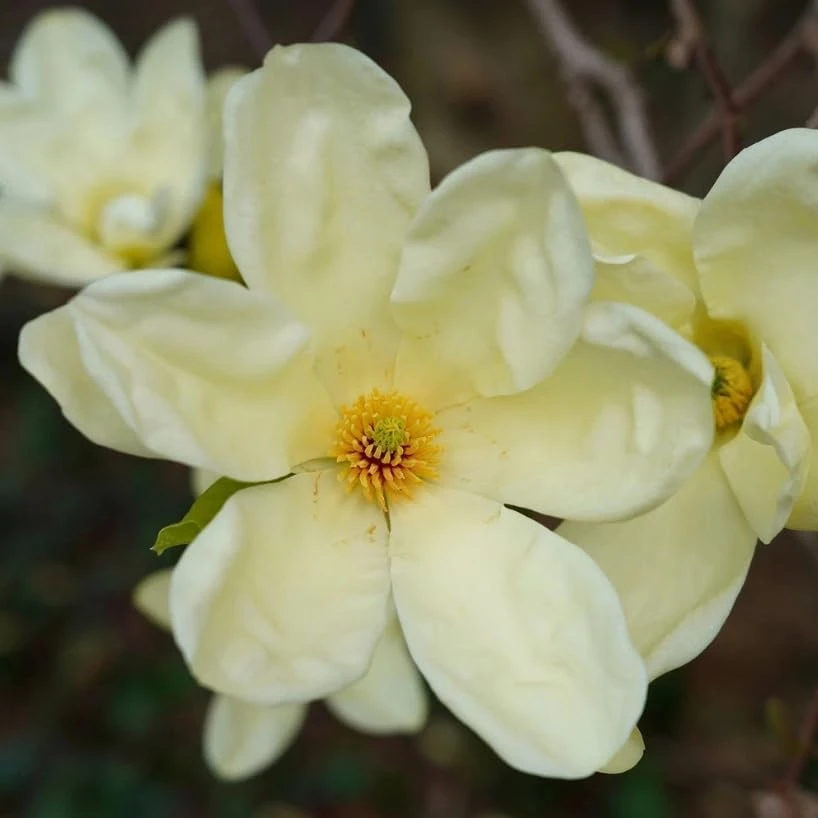
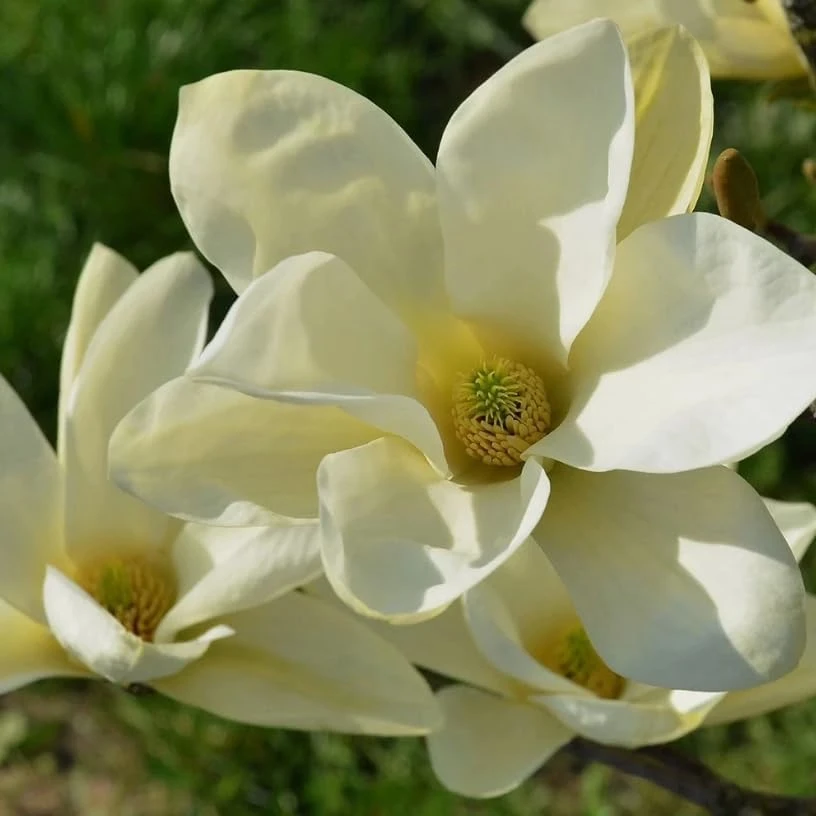
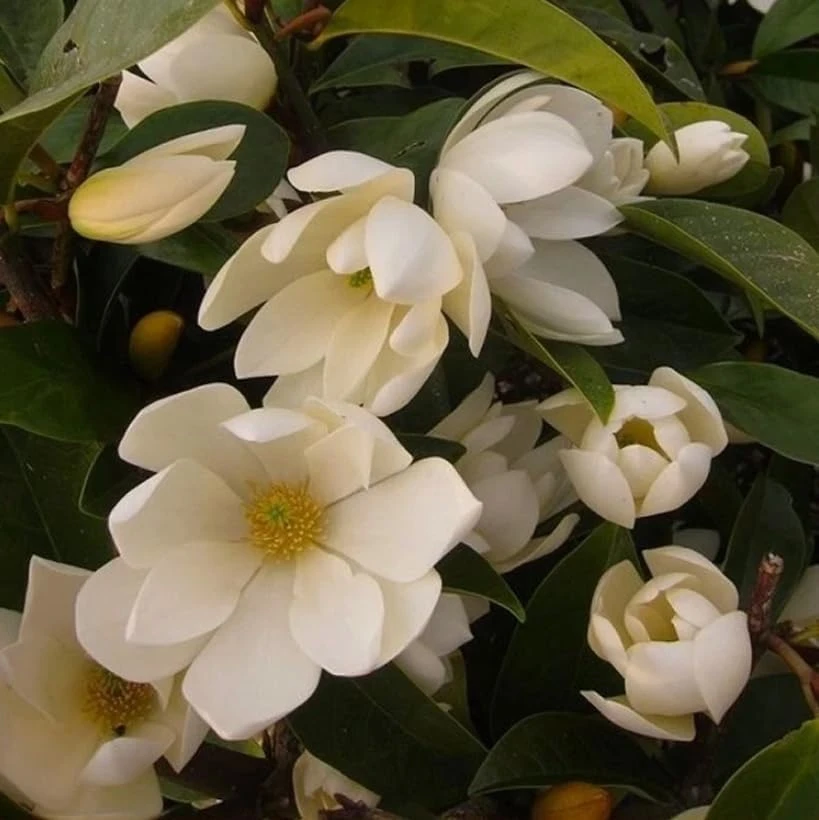
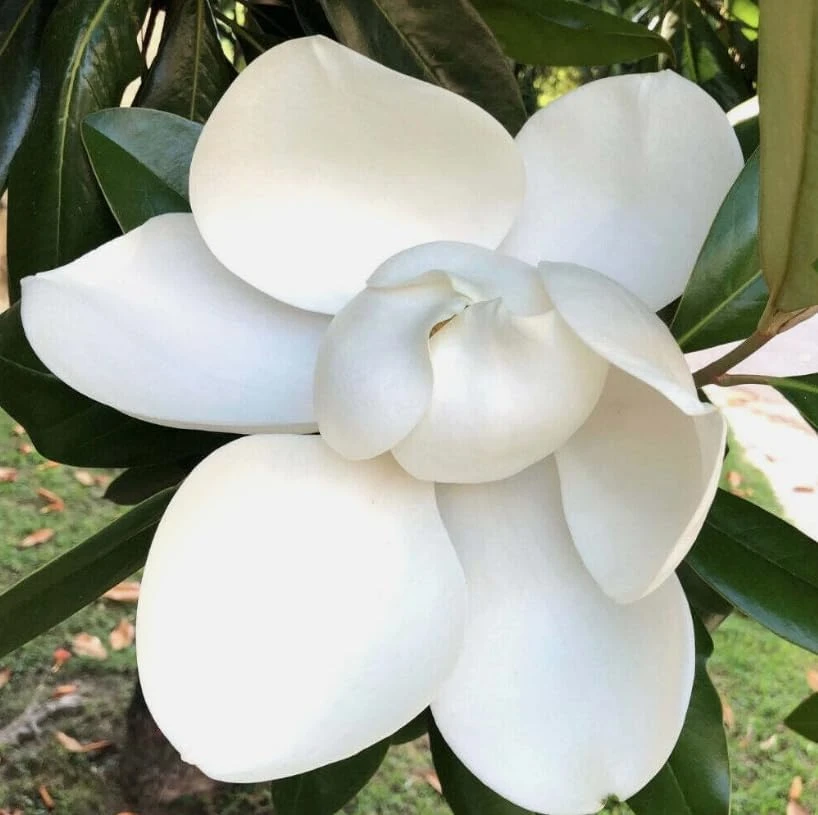
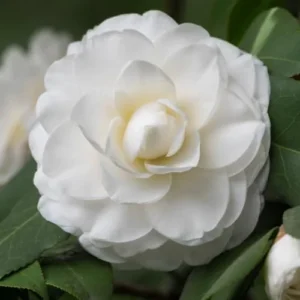
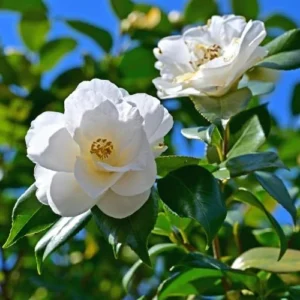
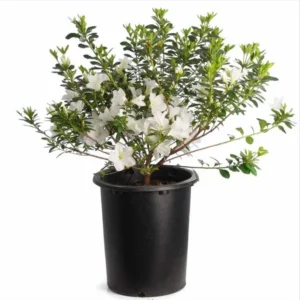
Enhance your garden with a beautiful sweet bay magnolia shrub. This deciduous plant features fragrant white lily-like flowers and can be grown as a multi-stemmed shrub or small tree. Each fragrant magnolia plant arrives 9-18 inches tall, ready to thrive in your outdoor space.
Original price was: $43.98.$21.99Current price is: $21.99.

With our Alive & Thrive Guarantee, we’ve got your back for the first 30 days! If you have any concerns about your plants, just reach out to us. Our team is here to help answer your questions and guide you in selecting the best plants for your garden, climate, and unique preferences. We're excited to help you create the garden of your dreams!
Estimated arrival
Oct 29
Nov 03 - Nov 05
Nov 08 - Nov 12


Product Details
-
USDA Hardiness Zone
USDA Zones 5-9 -
Soil type
Moist, acidic, well-draining soil -
Sunlight Exposure
Full sun to partial shade -
Expected Planting Period
Spring to early summer
Overview
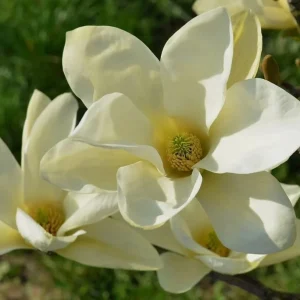
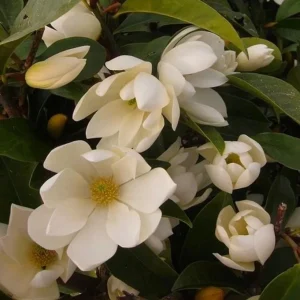
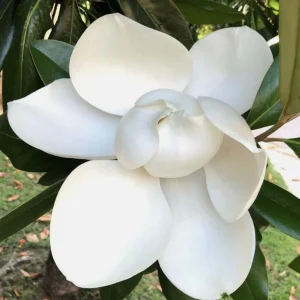
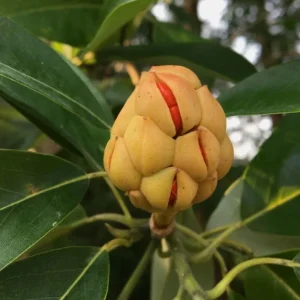
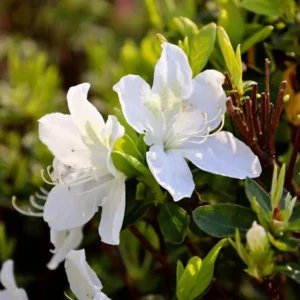
Introduce timeless elegance to your garden with the exquisite sweet bay magnolia shrub. This versatile and captivating live plant is renowned for its stunning, creamy white, lily-like flowers that emit a delightful, sweet fragrance, particularly in the evening. Often referred to as a sweetbay magnolia tree, this species (Magnolia virginiana) is native to the southeastern United States and is a beloved choice for its ornamental beauty and adaptability. It can be cultivated as a stately multi-stemmed shrub or expertly trained into a charming small tree, making it a flexible addition to various landscape designs. Whether you’re aiming for a classic Southern garden aesthetic or simply wish to enjoy its fragrant blooms, the Sweet Bay Magnolia offers year-round interest with its semi-evergreen to deciduous foliage, depending on your climate zone. This plant provides both visual appeal and an intoxicating aroma, transforming any outdoor area into a serene retreat.
Each fragrant magnolia plant is carefully nurtured to ensure a healthy start in your garden. Known for its robust nature, the Sweet Bay Magnolia thrives in a range of conditions, making it an excellent choice for both experienced gardeners and enthusiastic beginners. Its ability to flourish in various soil types and light exposures further solidifies its reputation as a resilient and rewarding plant. The pure white flowers are a beacon of beauty, appearing from late spring through summer, offering a continuous display of natural splendor. This species brings a touch of refined beauty and a sensory experience to any landscape, inviting you to enjoy its charm from season to season.
Key Benefits
The Sweet Bay Magnolia offers a wealth of benefits beyond its stunning appearance, making it a highly desirable addition to any garden or landscape. Its unique characteristics contribute to both aesthetic pleasure and environmental enrichment.
- Stunning Fragrant Blooms: Enjoy a prolonged display of creamy white, lily-like flowers from late spring to summer. These highly aromatic blossoms fill the air with a sweet, delicate perfume, especially enchanting in the evenings, creating a truly sensory garden experience. The fragrance is a defining feature of the sweet bay magnolia shrub.
- Versatile Growth Habit: This plant can be grown as a multi-stemmed shrub or trained into an elegant small tree, offering flexibility for various garden designs. It’s perfect as a specimen plant, part of a mixed border, or even as a privacy screen.
- Adaptable to Various Conditions: Thrives in a wide range of light conditions, from full sun to partial shade, and adapts well to different soil types, including moist areas, making it a hardy and forgiving choice for many environments.
- Attracts Pollinators: The beautiful flowers are a magnet for beneficial pollinators, including bees and butterflies, contributing to the biodiversity and health of your garden ecosystem.
- Year-Round Interest: Depending on the climate, the foliage can be semi-evergreen, providing lush green leaves through mild winters, or deciduous, offering a seasonal change with attractive bark in colder months. This ensures your outdoor magnolia tree remains a focal point.
- Low Maintenance: Once established, the Sweet Bay Magnolia is relatively low-maintenance, requiring minimal care to flourish, making it ideal for gardeners seeking beauty without excessive effort.
- Native Beauty: As a native plant, it is well-suited to local ecosystems, supporting native wildlife and requiring less intervention to thrive in its natural range.
Plant Care & Growing Tips
Caring for your sweet bay magnolia shrub is straightforward, ensuring it will thrive and reward you with its beautiful blooms and fragrant presence. The first step is selecting the right location. Sweet Bay Magnolias are quite adaptable, flourishing in both full sun and partial shade. In hotter climates, some afternoon shade can be beneficial to protect the foliage from intense sun. They prefer moist, acidic, well-draining soil, but are tolerant of a variety of soil types, including clay. If your soil is heavy, amending it with organic matter like compost can improve drainage and fertility. This resilience makes the sweetbay magnolia tree a robust choice for many gardeners.
Watering is crucial, especially during the first year after planting to help establish a strong root system. Keep the soil consistently moist but not waterlogged. Once established, the Sweet Bay Magnolia is relatively drought-tolerant, but will perform best with regular watering during dry spells. Fertilize in early spring with a balanced, slow-release granular fertilizer formulated for acid-loving plants. Follow the product instructions for application rates. Pruning is generally not required, but you can shape the plant to maintain its desired size and form, or to remove any dead or crossing branches. The best time to prune is after flowering. This plant is hardy and generally pest-resistant, making magnolia care tips easy to follow. Monitor for common garden pests and diseases, addressing any issues promptly with appropriate organic or chemical treatments.
Size & Details
This offering includes a vibrant sweet bay magnolia shrub, typically arriving as a live plant between 9 to 18 inches tall. These young plants are carefully nurtured in a quart-sized container, providing a well-established root system ready for transplanting into your garden or landscape. The initial height of 10-16 inches allows for easy handling and planting, giving you a head start on cultivating this magnificent species. The Sweet Bay Magnolia exhibits a moderate growth rate, typically adding 1 to 2 feet per year, eventually reaching a mature height of 10-20 feet and a spread of 10-15 feet when grown as a multi-stemmed shrub, or up to 30 feet as a tree. Its ultimate size and form can be influenced by environmental conditions and pruning practices. The plant will produce its signature fragrant white blooms from late spring through summer, with the first significant flowering often occurring within a few years of planting. Expect a robust and healthy plant, eager to establish itself as a prominent feature in your outdoor space.
Frequently Asked Questions
- Q: How big does this plant get? A: The sweet bay magnolia shrub typically grows to a mature height of 10-20 feet as a multi-stemmed shrub and can reach up to 30 feet if trained as a single-trunk tree. Its spread is generally 10-15 feet.
- Q: What size pot does it come in? A: Each live plant arrives in a quart-sized container, standing approximately 9 to 18 inches tall, providing a healthy root ball for successful transplanting.
- Q: Is this an indoor or outdoor plant? A: The Sweet Bay Magnolia is primarily an outdoor magnolia tree, thriving in garden landscapes. While young plants can be temporarily kept indoors in very bright conditions, they are best suited for outdoor planting.
- Q: How much sunlight does it need? A: This adaptable plant prefers full sun to partial shade. In regions with intense summer heat, providing some afternoon shade can help protect its foliage.
- Q: Is this plant easy to care for? A: Yes, the Sweet Bay Magnolia is considered relatively easy to care for once established. It’s tolerant of various soil conditions and doesn’t require extensive pruning, making magnolia care tips straightforward.
- Q: What condition will it arrive in? A: Your fragrant magnolia plant will arrive as a healthy, live plant in a quart pot, carefully packaged to ensure its safe journey and ready for immediate planting.
- Q: How long until it blooms? A: Sweet Bay Magnolias typically start producing their fragrant white blooms within a few years of planting, with flowering occurring from late spring through summer.
- Q: Will it survive winter in my zone? A: The Sweet Bay Magnolia is hardy in USDA Zones 5-9. In colder zones, it will be deciduous, losing its leaves in winter, while in warmer zones, it may be semi-evergreen.
- Q: What type of soil does it prefer? A: It prefers moist, acidic, well-draining soil but is tolerant of a wide range of soil types, including heavier clay soils, as long as drainage is adequate.
- Q: Can I use this plant for privacy? A: Yes, when planted in a row, the sweet bay magnolia shrub can form an effective and fragrant privacy screen, especially when allowed to grow as a multi-stemmed shrub.
Related products
-76%
Original price was: $103.96.$24.99Current price is: $24.99.
-50%
Original price was: $55.98.$27.99Current price is: $27.99.
-50%

Original price was: $63.00.$31.50Current price is: $31.50.
-20%

Original price was: $20.00.$16.00Current price is: $16.00.
-60%
Original price was: $53.99.$21.59Current price is: $21.59.
-50%


Original price was: $63.00.$31.50Current price is: $31.50.
PLANTING & CARE
Lemon Tree Growing: Choose, Plant, and Harvest
Learn how to choose, plant, feed, and protect a lemon tree so it fits your
23
Sep
Sep
Dwarf Meyer Lemon Tree Australia: Climate Guide
Learn where dwarf Meyer lemon trees grow, how much cold they tolerate, and whether Australia,
Where to Buy a Dwarf Meyer Lemon Tree: Buyer’s Guide
Find the right dwarf Meyer lemon tree online or locally, compare starter sizes and costs,
Dwarf Meyer Lemon Tree for Sale: Buying Guide
Compare Meyer lemon tree sizes, prices, shipping limits, indoor growing and California options before you
Dwarf Meyer Lemon Tree Guide: Size, Care and Fruit
META: Learn how large a dwarf Meyer lemon tree grows, where it thrives, and how
How to Prune a Dwarf Meyer Lemon Tree
Learn when and how to prune a dwarf Meyer lemon tree, including tools, shaping cuts,
Can You Grow a Dwarf Meyer Lemon Tree in a Pot?
META: Learn how to grow a dwarf Meyer lemon tree in a pot, including container
When Do Dwarf Meyer Lemon Trees Bloom and Fruit?
META: Dwarf Meyer lemon trees usually bloom from winter through spring and may flower again