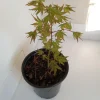
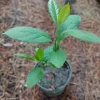
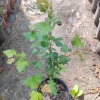
Washington Hawthorn Tree Live Plant – 1 Gallon Pot – Outdoor – 18 in Tall
-23%
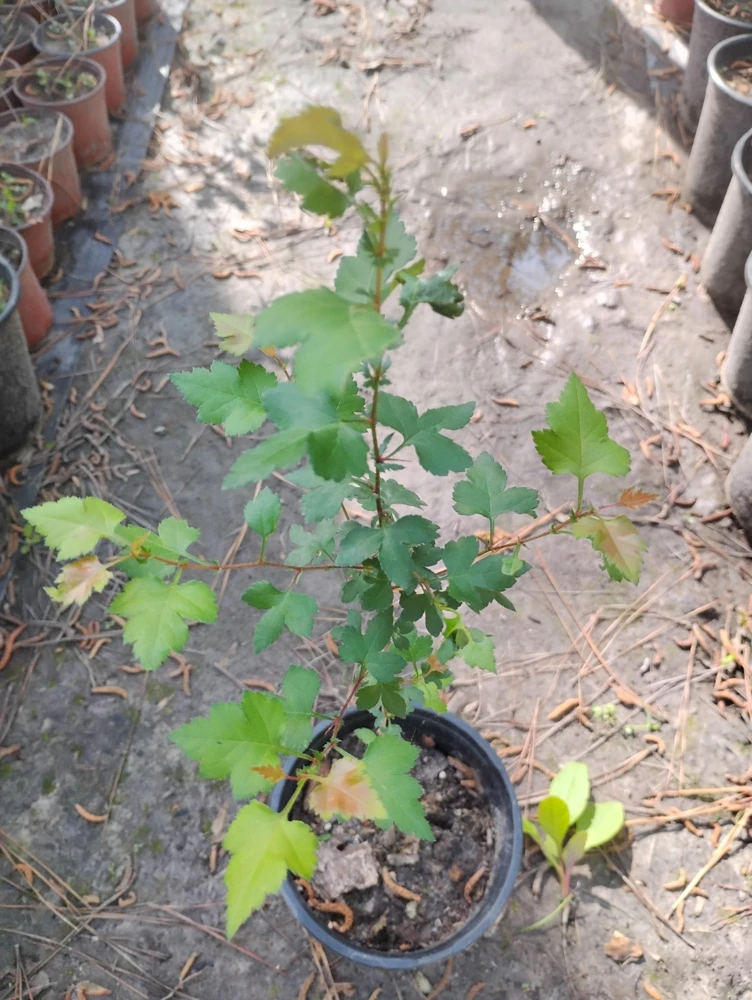
Washington Hawthorn Tree Live Plant – 1 Gallon Pot – Outdoor – 18 in Tall
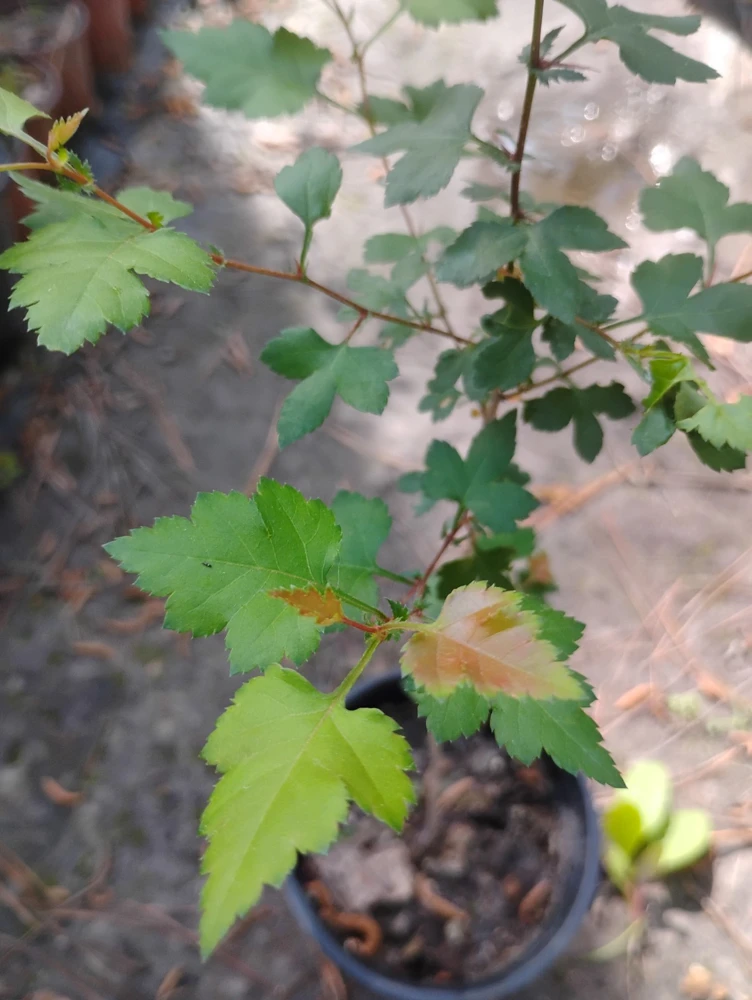
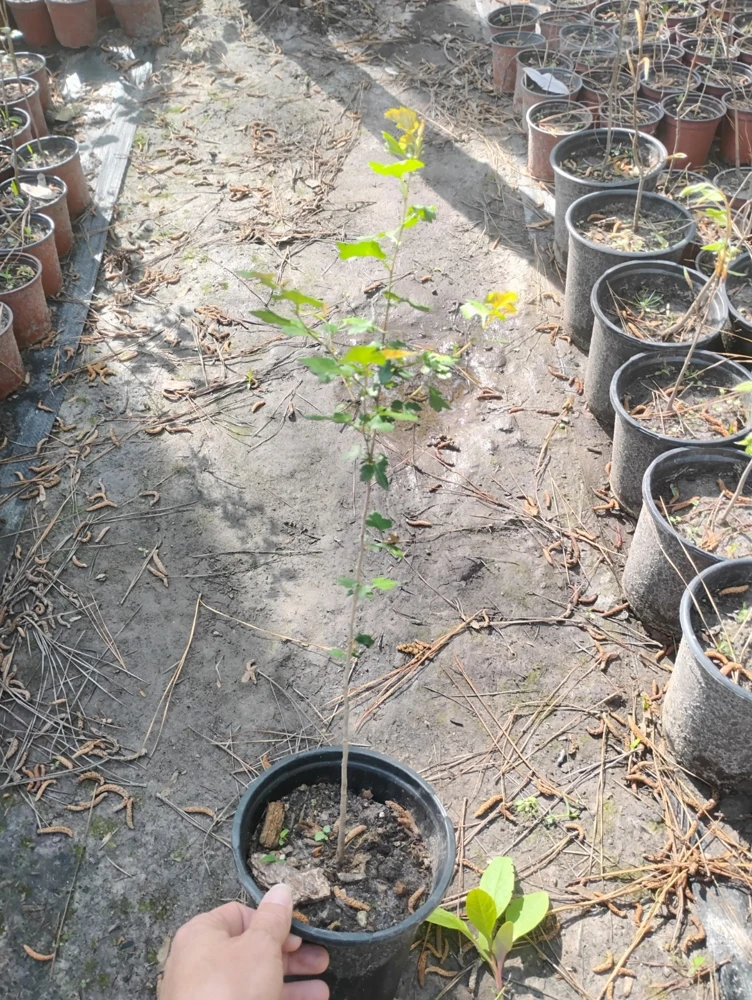
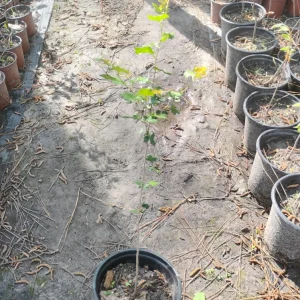
Bring classic beauty to your garden with a Washington Hawthorn Tree. This 1 gallon potted live plant (approx. 18 inches tall) is perfect for adding seasonal interest, featuring white spring flowers, bright red fall berries, and striking autumn foliage. Ideal for outdoor landscapes, it attracts birds and provides year-round appeal.
Original price was: $43.98.$33.98Current price is: $33.98.

With our Alive & Thrive Guarantee, we’ve got your back for the first 30 days! If you have any concerns about your plants, just reach out to us. Our team is here to help answer your questions and guide you in selecting the best plants for your garden, climate, and unique preferences. We're excited to help you create the garden of your dreams!
Estimated arrival
Oct 14
Oct 19 - Oct 21
Oct 24 - Oct 28

Product Details
-
USDA Hardiness Zone
USDA zones 4-8 -
Soil type
Clay, Loam, Peat, Sand (well-draining) -
Sunlight Exposure
Full Sun -
Expected Planting Period
Spring, Fall
Overview
Introduce a touch of enduring beauty and ecological value to your landscape with the magnificent Washington Hawthorn Tree (Crataegus phaenopyrum). This robust, 1 gallon potted live plant is a true four-season performer, offering a spectacular display from spring through winter. Known for its adaptability and hardiness, the Washington Hawthorn Tree is a popular choice for gardeners seeking a plant that provides both aesthetic appeal and environmental benefits. In spring, it bursts forth with a profusion of delicate white flowers, creating a stunning visual contrast against its glossy green leaves. As summer progresses, these blooms give way to clusters of bright red berries that persist well into winter, providing a vital food source for local wildlife, especially birds. Come autumn, the foliage transforms into brilliant shades of orange, red, and purple, ensuring your garden remains vibrant long after other plants have faded.
The Washington Hawthorn Tree is a deciduous species that thrives in a variety of conditions, making it an excellent addition to diverse garden designs. Its upright, branching habit provides a graceful silhouette, whether planted as a specimen tree, part of a mixed border, or as a natural hedge. This particular offering is a young, vigorous tree, standing approximately 18 inches tall in its 1 gallon container, ready to establish itself and grow into a mature, landscape-defining feature. With its combination of ornamental beauty, wildlife support, and easy care, the Washington Hawthorn Tree is an investment that will enrich your outdoor space for many years to come.
Key Benefits
The Washington Hawthorn Tree offers a multitude of advantages for any gardener looking to enhance their outdoor environment. Its multifaceted appeal ensures continuous interest throughout the year, making it a valuable addition to both small and large landscapes. Choosing this tree means enjoying a dynamic and beneficial presence in your garden.
- Stunning Seasonal Display: Enjoy a captivating show of white flowers in spring, followed by glossy green leaves in summer, vibrant red berries in fall and winter, and brilliant autumn foliage. This continuous display ensures your garden always has something beautiful to offer.
- Wildlife Attraction: The abundant red berries are a favorite food source for various bird species, especially during the colder months, making your garden a haven for local fauna. The dense branching also provides excellent nesting and shelter opportunities.
- Durable and Adaptable: This hardy tree tolerates a wide range of soil types, including clay, loam, peat, and sand, and is relatively drought-tolerant once established. It thrives in full sun and various climates, making it a robust choice for many regions.
- Attractive Form and Texture: With its branching growth habit and somewhat thorny branches, the Crataegus phaenopyrum plant provides interesting architectural structure and texture to the landscape, even in winter.
- Low Maintenance: Once established, the Washington Hawthorn Tree requires minimal care, making it an excellent option for gardeners seeking a beautiful yet easy-to-manage tree. Its fast growth rate means you won’t wait long to see its full splendor.
- Excellent for Landscape Design: Perfect as a specimen tree, in groupings, or as a natural barrier, its moderate size and attractive features make it versatile for various landscape applications. It can even be used as a thorny security hedge.
Plant Care & Growing Tips
Caring for your Washington Hawthorn Tree is straightforward, ensuring it thrives and provides years of beauty. This hardy tree is quite forgiving, but providing optimal conditions will lead to the best performance, most abundant blooms, and richest berry production. Begin by selecting an appropriate planting site. The Washington Hawthorn Tree prefers a location that receives full sun, meaning at least 6 hours of direct sunlight per day. While it can tolerate some partial shade, full sun promotes the best flowering and fruiting. Ensure the planting site has good air circulation to minimize potential disease issues.
When it comes to soil, this tree is highly adaptable, thriving in clay, loam, peat, and sand. The most crucial factor is good drainage; hawthorns do not like consistently wet feet. If you have heavy clay soil, amend it with organic matter to improve drainage and aeration. For watering, a medium watering schedule is generally sufficient. Water regularly during the first growing season to help establish a strong root system. Once established, it is quite drought-tolerant, but supplemental watering during prolonged dry spells will be beneficial. The Crataegus phaenopyrum plant is tolerant of various pH levels but prefers slightly acidic soil. Fertilization is typically not heavily required; a balanced, slow-release fertilizer in early spring can encourage vigorous growth, but avoid over-fertilizing.
The Washington Hawthorn Tree is remarkably cold hardy, thriving in USDA zones typically from 4 to 8. It can withstand a range of temperatures and climates, from humid continental to temperate and sub-tropical zones. Pruning is best done in late winter or early spring while the tree is dormant. Remove any dead, damaged, or crossing branches to maintain a healthy structure and good air circulation. You can also prune to shape the tree or manage its size. Be mindful of its thorns when handling. Keep an eye out for common hawthorn issues like leaf spot or rust, which can usually be managed with good cultural practices and, if necessary, appropriate fungicides. Providing good care ensures your outdoor hawthorn tree remains a vibrant and healthy focal point in your garden.
Size & Details
This offering is for one vigorous Washington Hawthorn Tree, supplied in a 1 gallon nursery pot. At the time of shipping, the young tree typically stands approximately 18 inches tall from the base of the pot, with a width of around 6 inches. Its compact size at this stage makes it easy to handle and plant, while also ensuring it establishes quickly in your garden. The tree is in a young growth stage, featuring a well-developed root system within its container, ready for transplanting. It is shipped as a potted tree, ensuring minimal transplant shock and a smooth transition to its new home.
The Washington Hawthorn Tree exhibits a fast growth rate, meaning you can expect it to establish and mature relatively quickly, providing ornamental benefits within a few years. Mature specimens typically reach heights of 15-25 feet with a similar spread, forming an attractive, rounded canopy. The plant comes with healthy green foliage, and you can anticipate its beautiful white flowers in spring, followed by bright red berries in late summer through winter. The vibrant fall foliage will add spectacular color to your autumn landscape. This particular tree is sourced from the United States, ensuring it is well-suited for North American climates.
Frequently Asked Questions
- Q: How big does this Washington Hawthorn Tree get? A: This young tree is currently about 18 inches tall in a 1 gallon pot. Mature Washington Hawthorn Trees typically reach a height of 15 to 25 feet with a similar spread, forming a rounded crown. It has a fast growth rate, so it will reach its mature size relatively quickly.
- Q: Is this an indoor or outdoor plant? A: The Washington Hawthorn Tree is an outdoor plant. It is a deciduous tree that requires a period of dormancy and is best suited for planting in gardens, landscapes, or as part of a natural hedge where it can receive full sun exposure.
- Q: How much sunlight does it need? A: This tree thrives in full sun, meaning it requires at least 6 hours of direct sunlight per day to produce the best flowering, fruiting, and overall growth. It can tolerate some partial shade, but performance may be reduced.
- Q: Is this plant easy to care for? A: Yes, the Washington Hawthorn Tree is considered relatively easy to care for. It is adaptable to various soil types and climates, and once established, it is quite drought-tolerant and requires minimal maintenance beyond occasional pruning.
- Q: What condition will the Crataegus phaenopyrum plant arrive in? A: Your tree will arrive as a healthy, potted young plant in a 1 gallon container, approximately 18 inches tall. It will have a well-established root system and be ready for transplanting into your garden.
- Q: When is the best time to plant a Washington Hawthorn Tree? A: The best time to plant is typically in the spring or early fall when temperatures are moderate. This allows the tree to establish its root system before the stress of extreme summer heat or winter cold.
- Q: Will it survive winter in my zone? A: The Washington Hawthorn Tree is very cold hardy and is generally suitable for USDA Hardiness Zones 4 through 8, making it resilient in many temperate climates. Always check your specific USDA zone to confirm suitability.
- Q: What kind of soil does this outdoor hawthorn tree prefer? A: It is quite adaptable and can grow in various soil types including clay, loam, peat, and sand. The most important factor is that the soil is well-draining, as it does not tolerate waterlogged conditions. It prefers slightly acidic soil.
- Q: Does this tree have thorns? A: Yes, the Washington Hawthorn Tree is known for having thorns, which can be a safety feature for deterring unwanted traffic if used as a hedge, but also something to be mindful of during handling and pruning.
- Q: What are the benefits of planting a best hawthorn for birds? A: This tree is excellent for wildlife. Its dense branching provides shelter and nesting sites, and its abundant bright red berries are a crucial food source for many bird species, especially during fall and winter when other food sources are scarce.
Related products
-50%
Original price was: $180.99.$89.89Current price is: $89.89.

-50%
Original price was: $73.98.$36.99Current price is: $36.99.
PLANTING & CARE
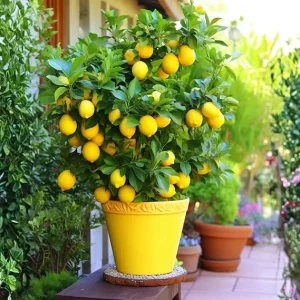
Lemon Tree Growing: Choose, Plant, and Harvest
Learn how to choose, plant, feed, and protect a lemon tree so it fits your
23
Sep
Sep
Dwarf Meyer Lemon Tree Australia: Climate Guide
Learn where dwarf Meyer lemon trees grow, how much cold they tolerate, and whether Australia,
Where to Buy a Dwarf Meyer Lemon Tree: Buyer’s Guide
Find the right dwarf Meyer lemon tree online or locally, compare starter sizes and costs,
Dwarf Meyer Lemon Tree for Sale: Buying Guide
Compare Meyer lemon tree sizes, prices, shipping limits, indoor growing and California options before you
Dwarf Meyer Lemon Tree Guide: Size, Care and Fruit
META: Learn how large a dwarf Meyer lemon tree grows, where it thrives, and how
How to Prune a Dwarf Meyer Lemon Tree
Learn when and how to prune a dwarf Meyer lemon tree, including tools, shaping cuts,
Can You Grow a Dwarf Meyer Lemon Tree in a Pot?
META: Learn how to grow a dwarf Meyer lemon tree in a pot, including container
When Do Dwarf Meyer Lemon Trees Bloom and Fruit?
META: Dwarf Meyer lemon trees usually bloom from winter through spring and may flower again