American Persimmon Tree Live Plant – Hardy Winter Plum, 7-14″ Tall in Qt Pot, Outdoor
-50%
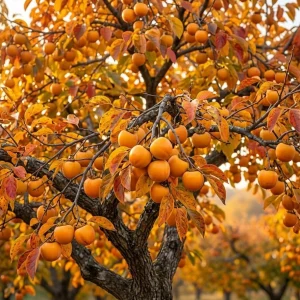
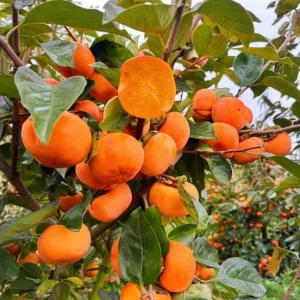
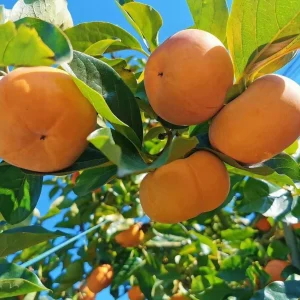
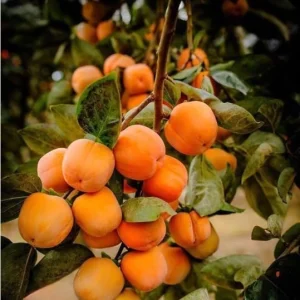
American Persimmon Tree Live Plant – Hardy Winter Plum, 7-14″ Tall in Qt Pot, Outdoor
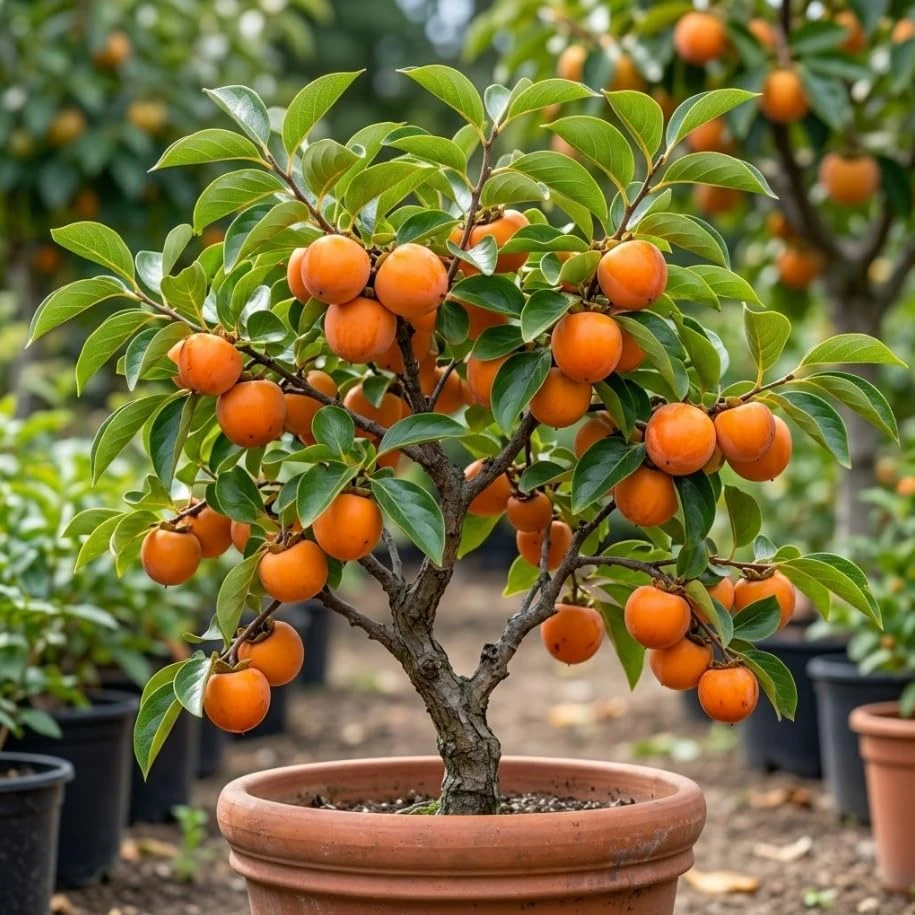
Cultivate your own delicious fruit with this american persimmon tree live plant. A hardy, deciduous tree, it ships approximately 7-14 inches tall in a quart pot, ready for planting outdoors. Known for its sweet fruit and adaptability, this hardy persimmon plant is easy to grow and thrives in various climates.
Original price was: $41.98.$20.99Current price is: $20.99.

With our Alive & Thrive Guarantee, we’ve got your back for the first 30 days! If you have any concerns about your plants, just reach out to us. Our team is here to help answer your questions and guide you in selecting the best plants for your garden, climate, and unique preferences. We're excited to help you create the garden of your dreams!
Estimated arrival
Nov 03
Nov 08 - Nov 10
Nov 13 - Nov 17
Product Details
-
USDA Hardiness Zone
USDA Zones 4-9 -
Soil type
Well-draining soil, adaptable to various types -
Sunlight Exposure
Full sun to partial shade -
Expected Planting Period
Spring to early fall
Overview
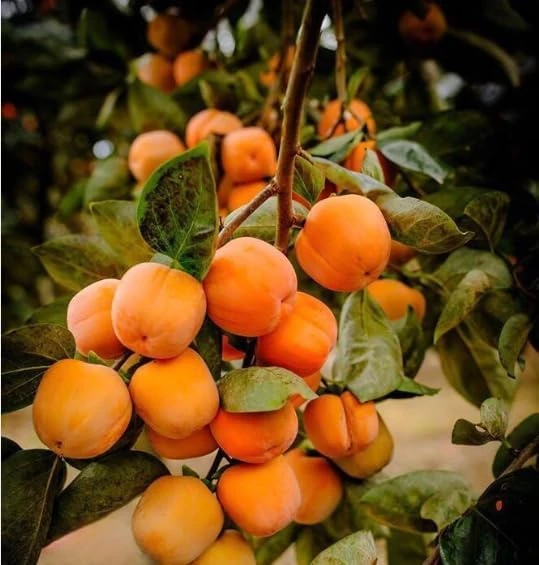
Bring the joy of homegrown fruit to your garden with an american persimmon tree live plant. This robust and adaptable deciduous tree, scientifically known as Diospyros virginiana, is a fantastic addition for any gardener looking for a low-maintenance, fruit-bearing specimen. Often referred to as a winter plum tree, the American Persimmon is prized for its sweet, flavorful fruit that ripens in the fall, often after the first frost. This particular offering provides you with a healthy, well-rooted starter plant, typically measuring 7-14 inches tall and arriving in a convenient quart (Qt) pot, ensuring it’s ready for immediate transplanting into your garden or a larger container. Its hardiness and ability to thrive in a wide range of climates make it an excellent choice for many regions across the United States. Whether you’re an experienced horticulturist or a budding enthusiast, this american persimmon tree live plant promises to be a rewarding addition to your landscape.
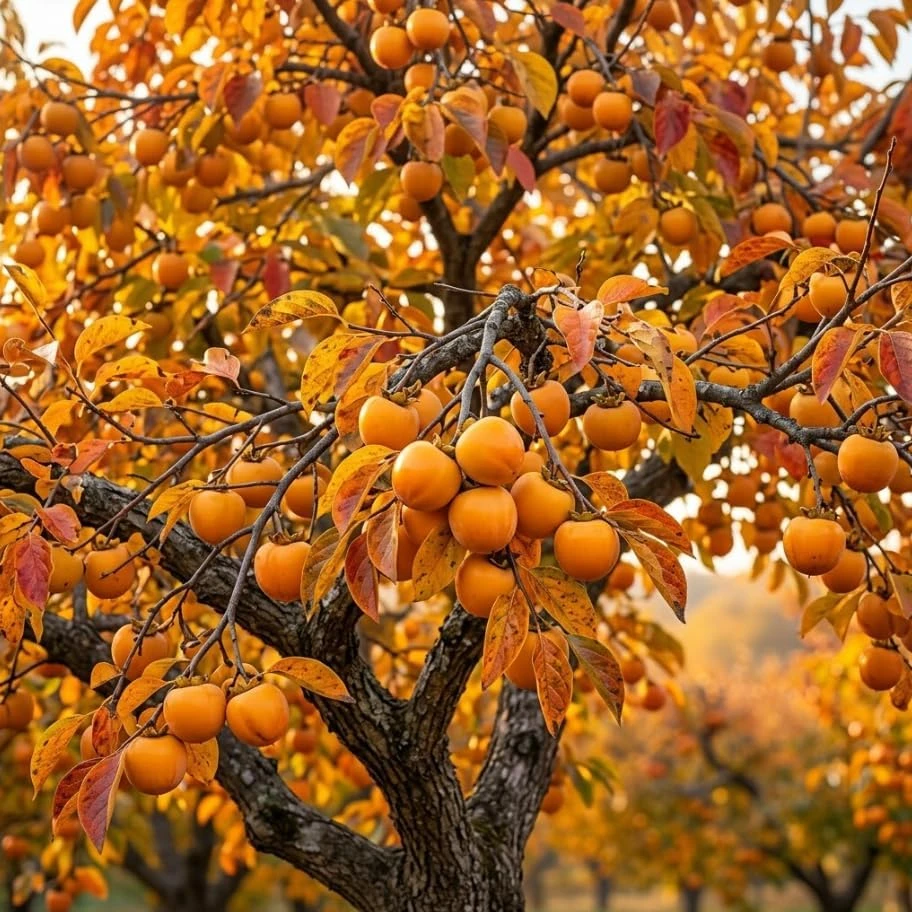
The american persimmon tree live plant is not just a fruit producer; it’s also an attractive ornamental tree. Its broad leaves turn a lovely yellow-orange in autumn, adding seasonal interest to your yard. As a native species, it contributes to local biodiversity and provides food for wildlife. When you grow persimmon tree, you’re investing in a long-term asset that will provide beauty and sustenance for years to come. This particular variety is specifically chosen for its resilience and ease of care, making it suitable for a wide range of gardeners.
Key Benefits
Adding an american persimmon tree live plant to your landscape offers a multitude of benefits, from delicious fruit to ecological advantages. This versatile tree is a true garden asset.
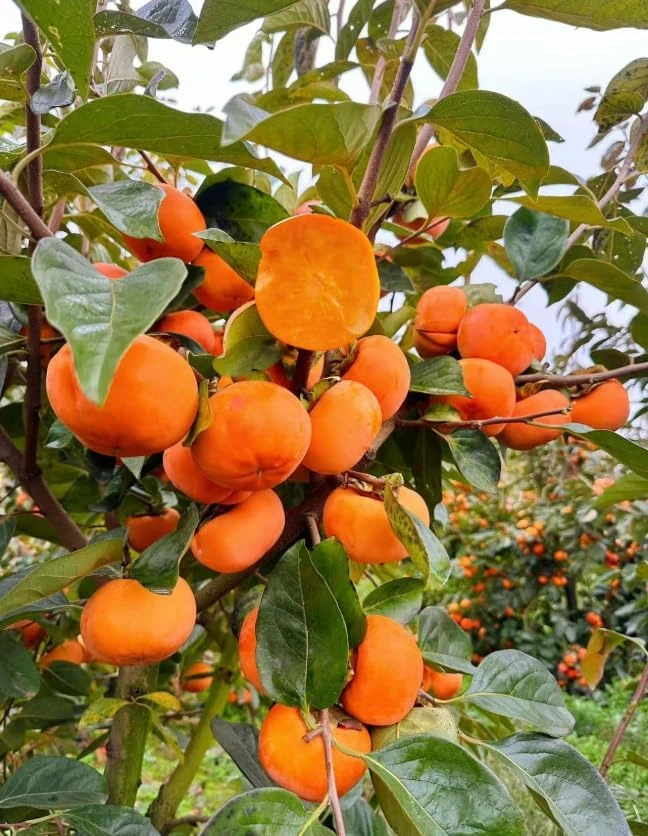
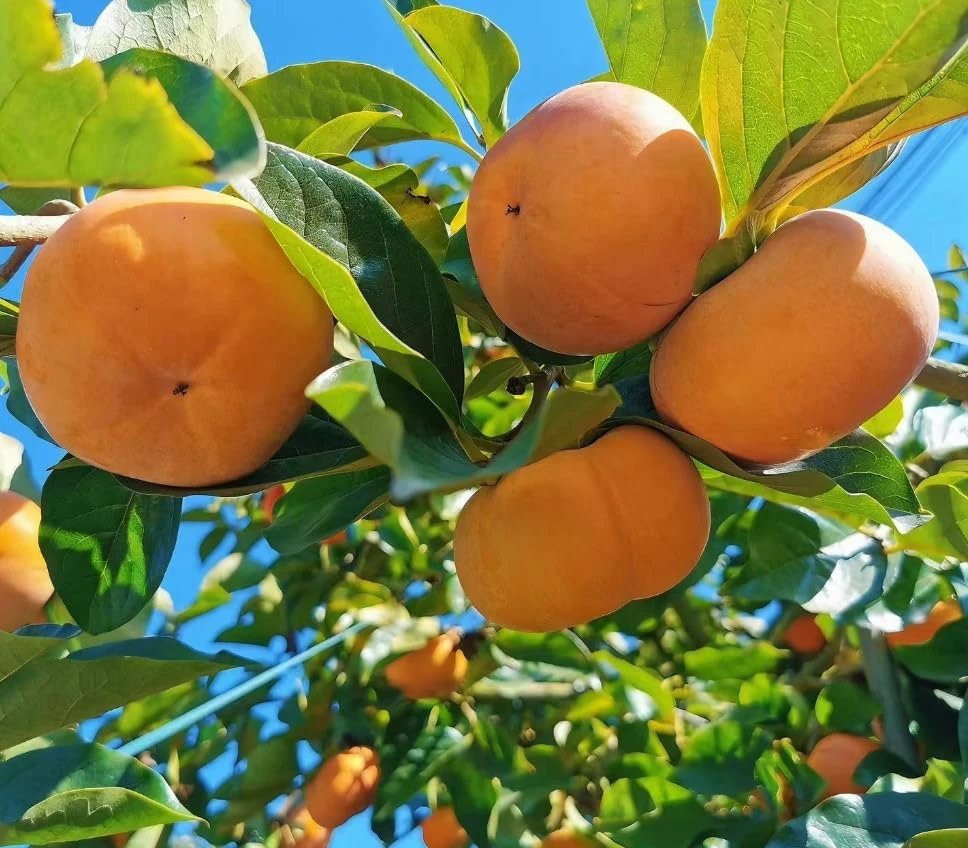
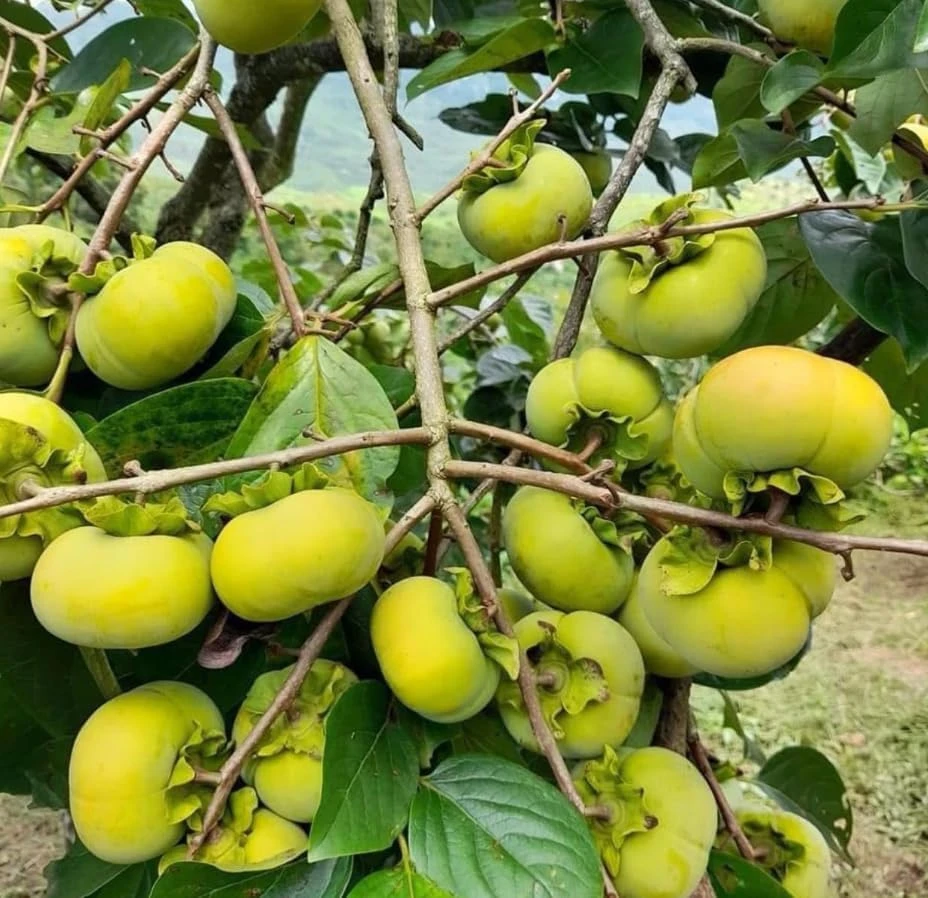
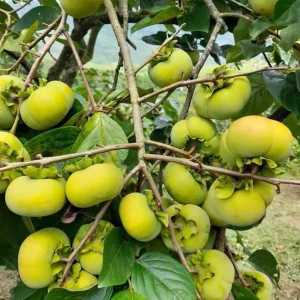
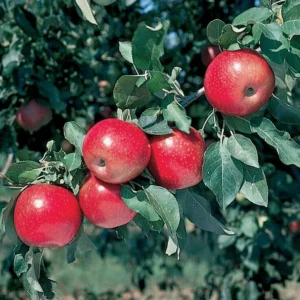
- Delicious Edible Fruit: Enjoy sweet, unique-tasting persimmons directly from your own garden. The fruit of the american persimmon tree live plant ripens in the fall, often after a light frost, developing a rich, custard-like texture and flavor that is perfect for fresh eating, baking, or preserves.
- Exceptional Hardiness: This hardy persimmon plant is remarkably resilient, adapting well to a broad spectrum of climates and soil conditions. It can withstand cold winters and hot summers, making it suitable for many USDA hardiness zones.
- Low Maintenance: Once established, the winter plum tree requires minimal care. It is relatively drought-tolerant and disease-resistant, reducing the need for constant attention or chemical treatments.
- Wildlife Attractor: The sweet fruit is a favorite of various wildlife, including birds, deer, and other small mammals, making it a wonderful addition for those who wish to support local ecosystems and observe nature in their backyard.
- Ornamental Value: Beyond its fruit, the American Persimmon offers attractive foliage that turns vibrant shades of yellow and orange in autumn, providing seasonal beauty to your landscape.
- Native Species: As a native North American tree, diospyros virginiana is well-suited to local environments and contributes positively to regional biodiversity, requiring less intervention than non-native species.
- Easy to Grow: Shipped as a well-rooted starter plant, this american persimmon tree live plant is designed for easy transplanting and establishment, making the process of starting your own fruit tree straightforward and enjoyable.
Plant Care & Growing Tips
Caring for your american persimmon tree live plant is straightforward, especially once it’s established. This hardy persimmon plant thrives with basic attention to its environmental needs. For sunlight, the American Persimmon prefers full sun to partial shade. Full sun (at least 6-8 hours of direct sunlight per day) will generally lead to better fruit production. If you are in a very hot climate, partial afternoon shade can be beneficial to protect it from intense heat. Ensure the planting location allows for adequate air circulation around the tree.
When it comes to watering, young diospyros virginiana trees require consistent moisture to establish a strong root system. Water deeply 1-2 times per week during dry periods for the first year. Once established, this winter plum tree is quite drought-tolerant and will only need supplemental watering during extended dry spells. The key is well-draining soil; persimmons do not tolerate soggy roots. A wide range of soil types are acceptable, from sandy to heavy clay, as long as drainage is good. Amending heavy clay soils with organic matter can improve drainage and aeration. Regarding temperature, the American Persimmon is very cold hardy, typically thriving in USDA Zones 4-9.
Fertilization for your american persimmon tree live plant is generally not heavily required, especially in fertile soils. If your soil is poor, a balanced slow-release fertilizer can be applied in early spring. Avoid over-fertilizing, as this can lead to excessive foliage growth at the expense of fruit production. Pruning should be done in late winter or early spring while the tree is dormant. Focus on removing dead, damaged, or crossing branches, and shaping the tree for good structure and air flow. Common problems are few, but watch for leaf spot or powdery mildew in humid conditions. Good air circulation and proper pruning can help prevent these. By following these simple guidelines, you can successfully grow persimmon tree and enjoy its delicious fruits for many years.
Size & Details
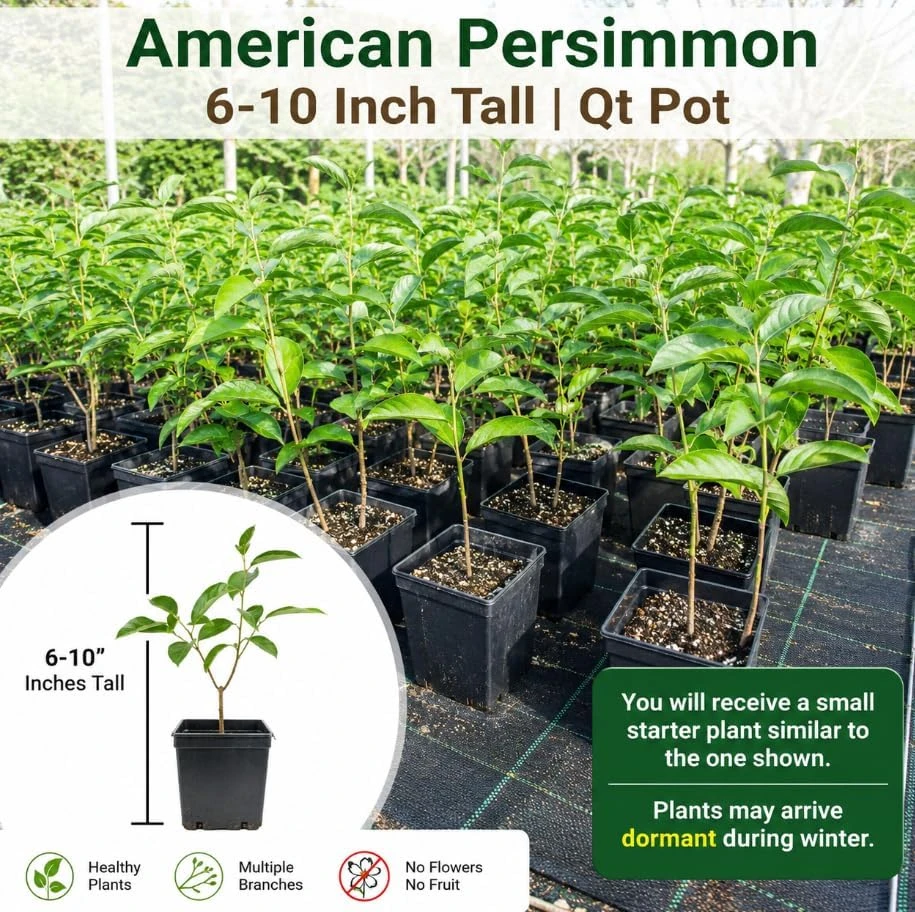
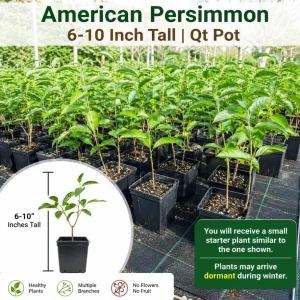
This offering is for one healthy american persimmon tree live plant, which arrives approximately 7-14 inches tall. Each tree is carefully grown and shipped in a quart (Qt) pot, ensuring its root system is well-established and ready for transplanting. The height measurement is taken from the top of the soil to the tip of the plant. As a deciduous tree, it may arrive dormant with no leaves if shipped during the cooler months, which is completely normal and healthy for the plant.
The hardy persimmon plant has a moderate growth rate, typically adding 1-2 feet per year once established. Mature trees can reach heights of 30-60 feet with a spread of 20-35 feet, forming an attractive rounded canopy. Fruit production usually begins within 3-5 years of planting, with peak production occurring after 7-10 years. This diospyros virginiana starter plant provides an excellent foundation for growing your own fruit-bearing tree, offering a robust root system for successful establishment in your garden. It is an outdoor plant, best suited for inground planting to reach its full potential.
Frequently Asked Questions
- Q: How big does this plant get? A: This american persimmon tree live plant is shipped approximately 7-14 inches tall in a quart pot. Once mature and planted in the ground, an American Persimmon tree can reach heights of 30-60 feet with a spread of 20-35 feet, depending on growing conditions.
- Q: Is this an indoor or outdoor plant? A: This is an outdoor deciduous tree. While it can be kept in a larger container for a period, it is best suited for planting directly into the ground in your garden to allow it to reach its full size and fruit-bearing potential as a winter plum tree.
- Q: How much sunlight does it need? A: To successfully grow persimmon tree, it requires full sun to partial shade. For optimal fruit production, aim for at least 6-8 hours of direct sunlight per day. It’s quite adaptable, but more sun generally means more fruit.
- Q: Is this plant easy to care for? A: Yes, the American Persimmon is known for being relatively low-maintenance once established. It’s a hardy persimmon plant that tolerates a range of soil types and is quite drought-resistant, making it a good choice for gardeners of all experience levels.
- Q: What condition will it arrive in? A: Your american persimmon tree live plant will arrive as a live, well-rooted starter tree in a quart pot. If ordered during cooler months, it may be dormant with no leaves, which is normal for deciduous trees and indicates a healthy plant ready for spring growth.
- Q: How long until it produces fruit? A: Typically, the diospyros virginiana will begin producing fruit within 3-5 years after planting. Peak fruit production usually occurs after 7-10 years, providing a bountiful harvest.
- Q: Will it survive winter in my zone? A: The American Persimmon is very cold hardy and thrives in USDA Hardiness Zones 4-9. If you are within these zones, your tree should successfully survive winter and return in the spring.
- Q: What is the best time to plant this tree? A: The best time to plant your american persimmon tree live plant is in the spring or early fall when the weather is mild. This allows the tree to establish its root system before extreme summer heat or winter cold.
- Q: What kind of soil does it prefer? A: This hardy persimmon plant is quite tolerant of various soil types, but it absolutely requires well-draining soil. It can adapt to sandy, loamy, or clay soils as long as they don’t remain waterlogged.
- Q: Is this a self-pollinating tree? A: While some American Persimmon trees are self-pollinating (monoecious), many are dioecious, meaning male and female flowers are on separate trees. For guaranteed fruit production, it’s often recommended to plant at least two trees to ensure cross-pollination.
Related products
-20%
Original price was: $36.00.$28.80Current price is: $28.80.
-36%
Original price was: $279.98.$179.98Current price is: $179.98.
PLANTING & CARE
Lemon Tree Growing: Choose, Plant, and Harvest
Learn how to choose, plant, feed, and protect a lemon tree so it fits your
23
Sep
Sep
Dwarf Meyer Lemon Tree Australia: Climate Guide
Learn where dwarf Meyer lemon trees grow, how much cold they tolerate, and whether Australia,
Where to Buy a Dwarf Meyer Lemon Tree: Buyer’s Guide
Find the right dwarf Meyer lemon tree online or locally, compare starter sizes and costs,
Dwarf Meyer Lemon Tree for Sale: Buying Guide
Compare Meyer lemon tree sizes, prices, shipping limits, indoor growing and California options before you
Dwarf Meyer Lemon Tree Guide: Size, Care and Fruit
META: Learn how large a dwarf Meyer lemon tree grows, where it thrives, and how
How to Prune a Dwarf Meyer Lemon Tree
Learn when and how to prune a dwarf Meyer lemon tree, including tools, shaping cuts,
Can You Grow a Dwarf Meyer Lemon Tree in a Pot?
META: Learn how to grow a dwarf Meyer lemon tree in a pot, including container
When Do Dwarf Meyer Lemon Trees Bloom and Fruit?
META: Dwarf Meyer lemon trees usually bloom from winter through spring and may flower again