Barbados Cherry Tree Acerola Live Plant 4-6 inches – Vitamin C Rich Fruit Tree
Barbados Cherry Tree Acerola Live Plant 4-6 inches – Vitamin C Rich Fruit Tree
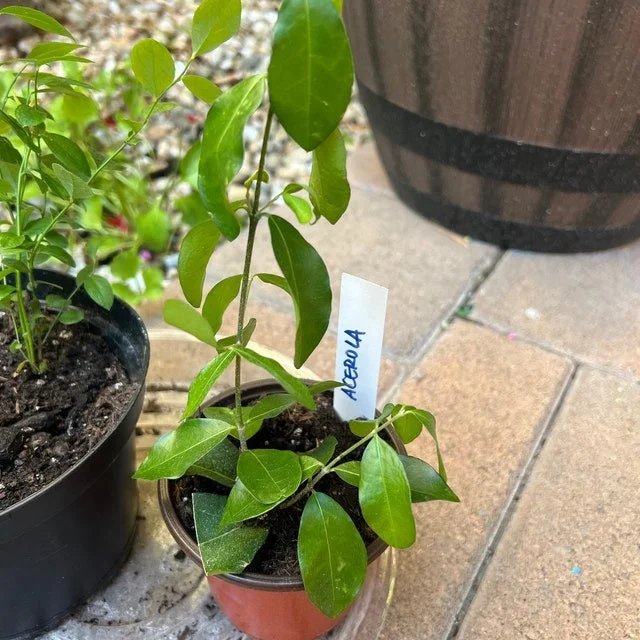
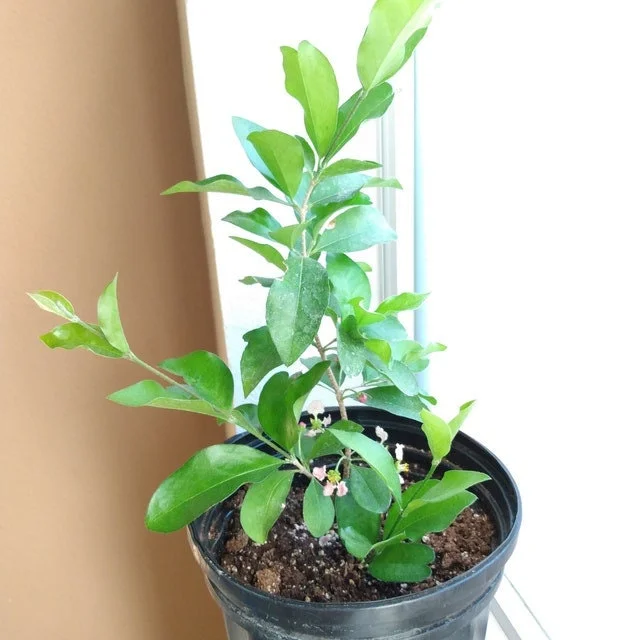
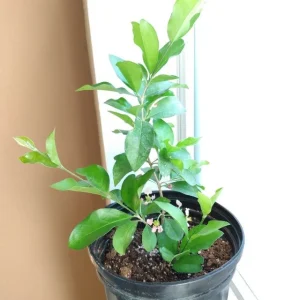
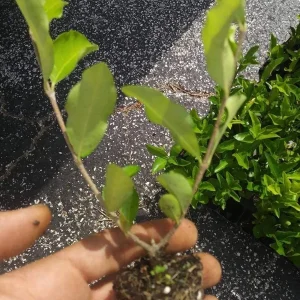
Cultivate your own healthy Barbados Cherry Tree Acerola live plant, arriving 4-6 inches tall in a 4-inch pot. This self-fertile fruit tree yields tart to sweet, vitamin C-packed cherries, perfect for containers or garden landscapes in suitable climates.
$31.98

With our Alive & Thrive Guarantee, we’ve got your back for the first 30 days! If you have any concerns about your plants, just reach out to us. Our team is here to help answer your questions and guide you in selecting the best plants for your garden, climate, and unique preferences. We're excited to help you create the garden of your dreams!
Estimated arrival
Oct 14
Oct 19 - Oct 21
Oct 24 - Oct 28
Product Details
-
USDA Hardiness Zone
4-11 patio / 9-11 outdoors -
Soil type
Well-draining, slightly acidic to neutral loamy soil -
Sunlight Exposure
Full sun -
Expected Planting Period
Spring to Fall, year-round indoors
Overview
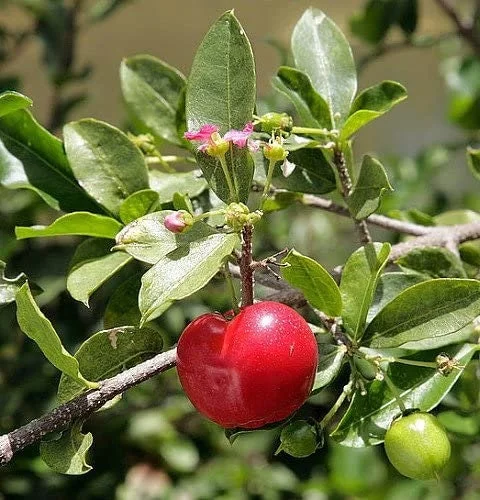
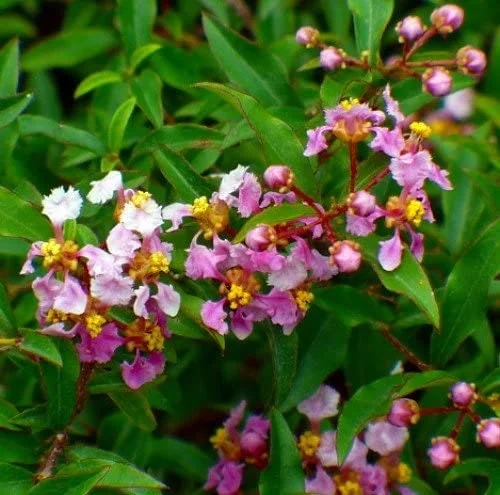
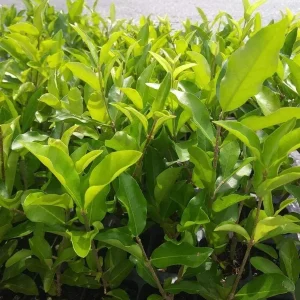
Bring the tropics to your home with the Barbados Cherry Tree Acerola live plant. Also known simply as Acerola Cherry, this remarkable fruit tree (Malpighia emarginata or Malpighia glabra) is celebrated for its abundant, bright red, and incredibly vitamin C-rich fruits. This healthy Acerola cherry fruit tree is a fantastic addition for both seasoned gardeners and those new to growing fruit. It can be grown as a densely branched shrub or pruned into a small, attractive tree, offering both ornamental beauty and delicious, healthy produce. Its evergreen leaves and charming pink flowers add year-round appeal before the prolific fruiting begins.
Key Benefits
The Barbados Cherry Tree Acerola live plant offers a wealth of advantages for any home gardener:
- Exceptional Vitamin C Content: The primary benefit of the Barbados Cherry Tree Acerola live plant is its fruit’s extraordinary vitamin C levels, often far exceeding those found in oranges. A single fruit can provide the daily adult requirement, making it a powerful natural immune booster.
- Prolific & Long-Lasting Fruiting: Enjoy multiple harvests throughout the year, with the shrub producing 3 to 5 crops from May to November, and often almost continuously in frost-free regions. This ensures a steady supply of fresh, tart to sub-acid cherries.
- Versatile Growing Options: Whether you want to grow Barbados cherry in a container on a patio or plant it directly in the ground, this adaptable tree thrives in various settings, making it suitable for a wide range of gardening spaces.
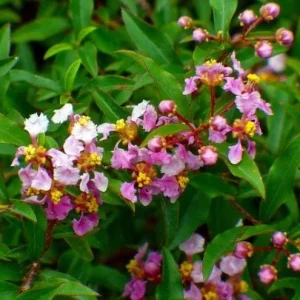
- Attractive Ornamental Features: With its shiny evergreen leaves, small pale pink to rose flowers blooming from spring through fall, and bright red fruit, this plant is not just productive but also highly decorative, enhancing any garden or patio.
- Self-Fertile & Easy to Grow: The Acerola Cherry is self-fertile, meaning you only need one plant to get fruit. However, planting an additional one can significantly boost your yield, making it an ideal patio fruit tree for small spaces.
- Resilient & Adaptable: Known for its hardiness, the Barbados Cherry is relatively easy to care for and can adapt to various soil conditions, provided they are well-draining.
- Culinary & Health Uses: The juicy fruits are perfect for eating fresh, making jams, jellies, juices, or adding a tart, healthy kick to smoothies and desserts.
Plant Care & Growing Tips
To successfully grow Barbados cherry, provide it with optimal conditions. This plant thrives in bright, sunny locations, needing at least 6-8 hours of direct sunlight per day to produce abundant fruit. For those in cooler climates, consider it a patio fruit tree that can be brought indoors during winter or grown in a greenhouse. Consistency in watering is key, especially during flowering and fruiting periods; keep the soil consistently moist but not waterlogged. Allow the top inch or two of soil to dry out slightly between waterings.
The Barbados Cherry Tree Acerola live plant prefers well-draining soil. A rich, loamy soil with a slightly acidic to neutral pH is ideal. Fertilize regularly during the growing season (spring through fall) with a balanced fertilizer to support vigorous growth and fruit production. Pruning helps maintain its shape and can encourage a more tree-like form if desired. Protect from frost in colder zones; while it can tolerate brief dips, prolonged cold will damage the plant. Growing zones for this plant are 4-11 patio / 9-11 outdoors, showcasing its versatility.
Size & Details
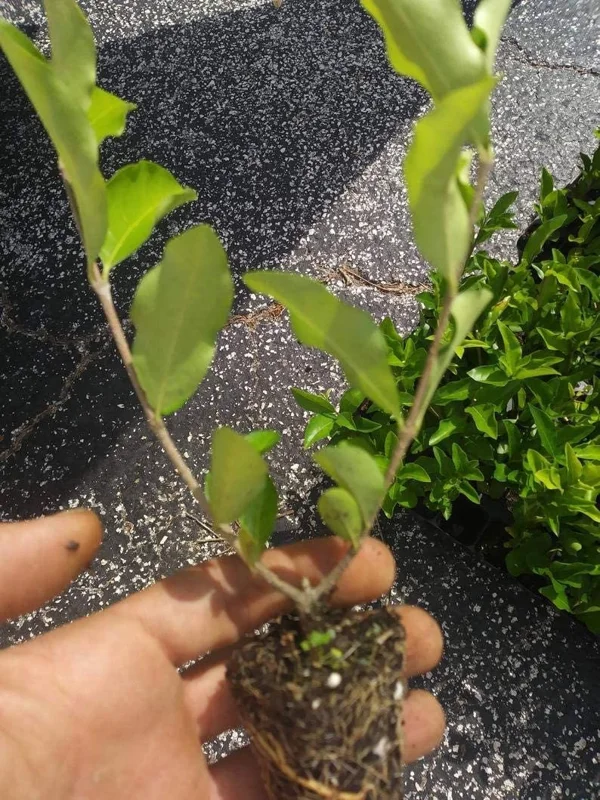
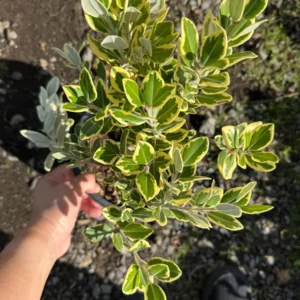
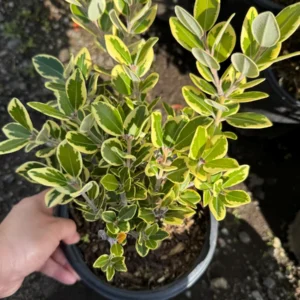
You will receive a healthy Barbados Cherry Tree Acerola live plant, typically 4-6 inches tall, though some may be up to 1 foot tall, and potted in a 4-inch nursery pot. This size ensures a well-established root system ready for transplanting. When mature, this Acerola cherry fruit tree can reach a height of 10-12 feet and a width of 10-15 feet, forming a substantial shrub or small tree. It has a moderate to fast growth rate and can begin producing fruit within 1-2 years under ideal conditions. The shrub may have 3 to 5 crops per year, from May to November, with the largest crops appearing during the summer. In frost-free areas it is almost everbearing. The fruit averages about an inch in diameter.
Frequently Asked Questions
- Q: How big does this plant get? A: The Barbados Cherry Tree Acerola live plant can reach a mature height of 10-12 feet and a width of 10-15 feet, depending on growing conditions and pruning. It can be kept smaller with regular trimming if grown as a patio fruit tree.
- Q: Is this an indoor or outdoor plant? A: It can be both. It thrives outdoors in USDA Zones 9-11. In Zones 4-8, it should be grown as a patio plant and brought indoors during colder months.
- Q: How much sunlight does it need? A: The Barbados Cherry needs full sun, meaning at least 6-8 hours of direct sunlight daily, to ensure optimal fruit production.
- Q: Is this plant easy to care for? A: Yes, the Barbados Cherry is considered relatively easy to care for, especially in suitable climates. It’s self-fertile and quite resilient, making it a good choice for beginners looking to grow Barbados cherry.
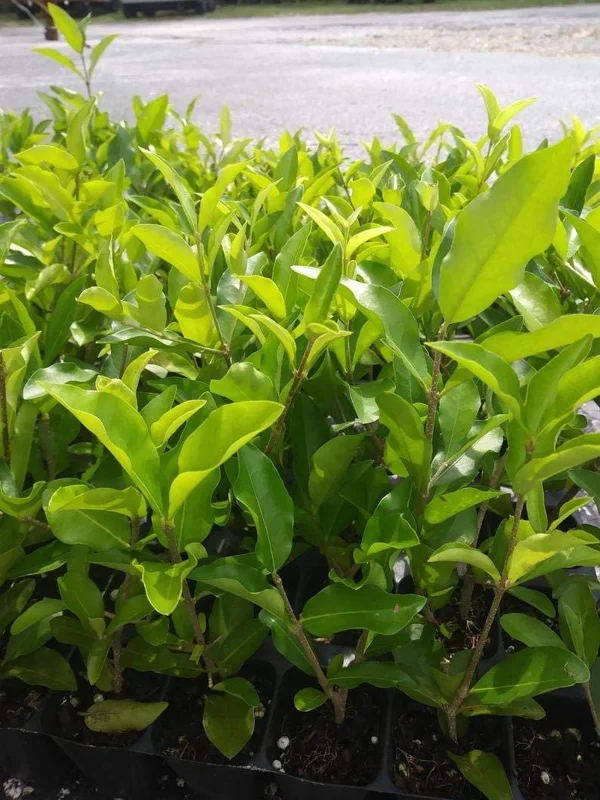
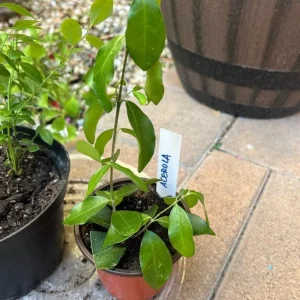
- Q: What condition will it arrive in? A: Your Acerola cherry fruit tree will arrive as a healthy, live plant, approximately 4-6 inches tall (sometimes up to 1 foot), securely established in a 4-inch nursery pot, ready for planting or repotting.
- Q: How long until it blooms and produces fruit? A: Under good growing conditions, your Barbados Cherry can start blooming and producing fruit within 1-2 years of planting. It’s known for multiple harvests per year.
- Q: Will it survive winter in my zone? A: If you are in USDA Zones 9-11, it can typically survive winter outdoors. In colder zones (4-8), it must be protected from frost and brought indoors when temperatures drop.
- Q: Do I need more than one plant for fruit? A: No, the Barbados Cherry Tree Acerola live plant is self-fertile, meaning a single plant will produce fruit. However, planting an additional one can significantly increase your overall crop size.
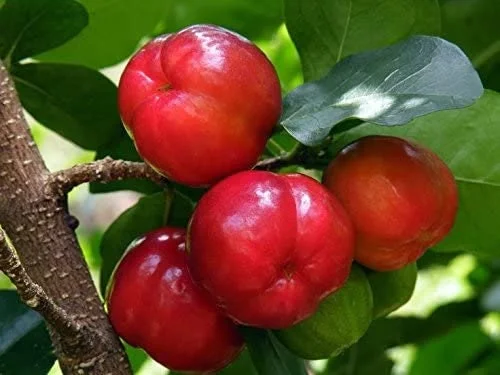
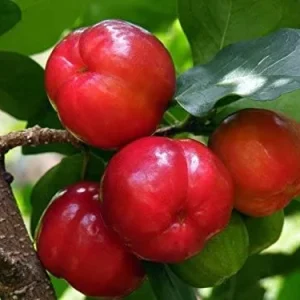
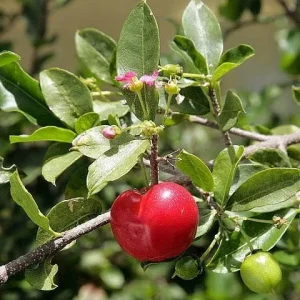
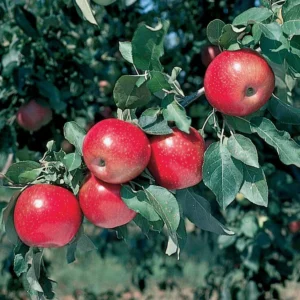
- Q: What are the fruits like? A: The fruits are soft, juicy, thin-skinned, and range from light red to deep crimson when mature, averaging about an inch in diameter. They are tart but can be sub-acid to almost sweet, and are exceptionally high in Vitamin C.
- Q: What is the best way to get a good harvest? A: Provide plenty of sunlight, consistent watering, well-draining soil, and regular fertilization. Protecting it from harsh frosts will also ensure a continuous and abundant yield from your vitamin C fruit tree.
Related products
-20%
Original price was: $36.00.$28.80Current price is: $28.80.
PLANTING & CARE
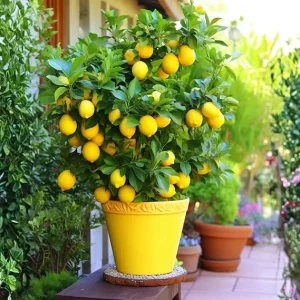
Lemon Tree Growing: Choose, Plant, and Harvest
Learn how to choose, plant, feed, and protect a lemon tree so it fits your
23
Sep
Sep
Dwarf Meyer Lemon Tree Australia: Climate Guide
Learn where dwarf Meyer lemon trees grow, how much cold they tolerate, and whether Australia,
Where to Buy a Dwarf Meyer Lemon Tree: Buyer’s Guide
Find the right dwarf Meyer lemon tree online or locally, compare starter sizes and costs,
Dwarf Meyer Lemon Tree for Sale: Buying Guide
Compare Meyer lemon tree sizes, prices, shipping limits, indoor growing and California options before you
Dwarf Meyer Lemon Tree Guide: Size, Care and Fruit
META: Learn how large a dwarf Meyer lemon tree grows, where it thrives, and how
How to Prune a Dwarf Meyer Lemon Tree
Learn when and how to prune a dwarf Meyer lemon tree, including tools, shaping cuts,
Can You Grow a Dwarf Meyer Lemon Tree in a Pot?
META: Learn how to grow a dwarf Meyer lemon tree in a pot, including container
When Do Dwarf Meyer Lemon Trees Bloom and Fruit?
META: Dwarf Meyer lemon trees usually bloom from winter through spring and may flower again