Salavatski Pomegranate Tree – Cold Hardy Fruit Live Plant – Punica Granatum
Salavatski Pomegranate Tree – Cold Hardy Fruit Live Plant – Punica Granatum
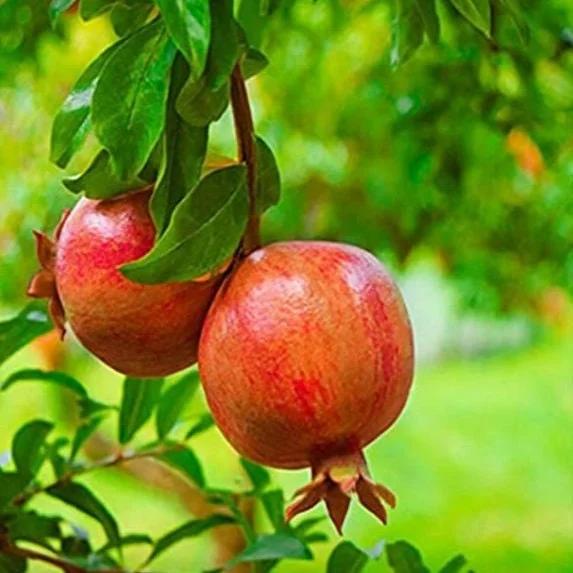
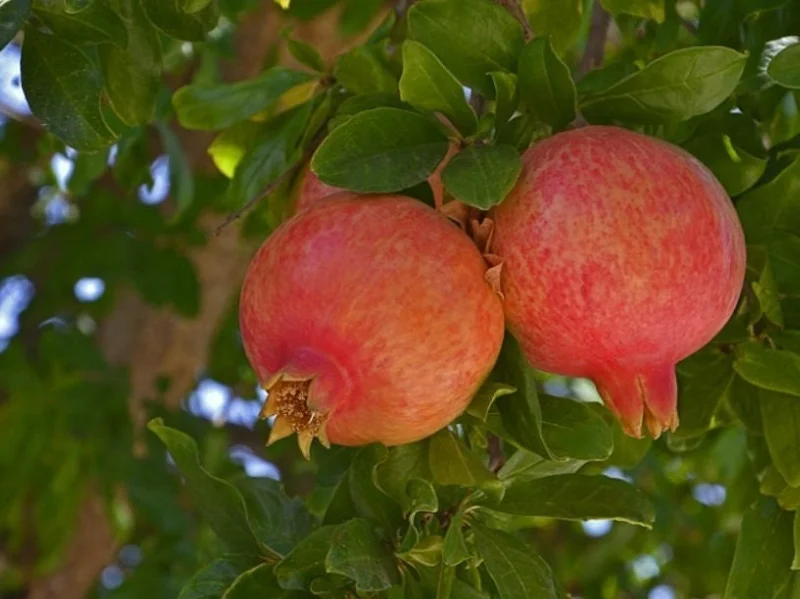
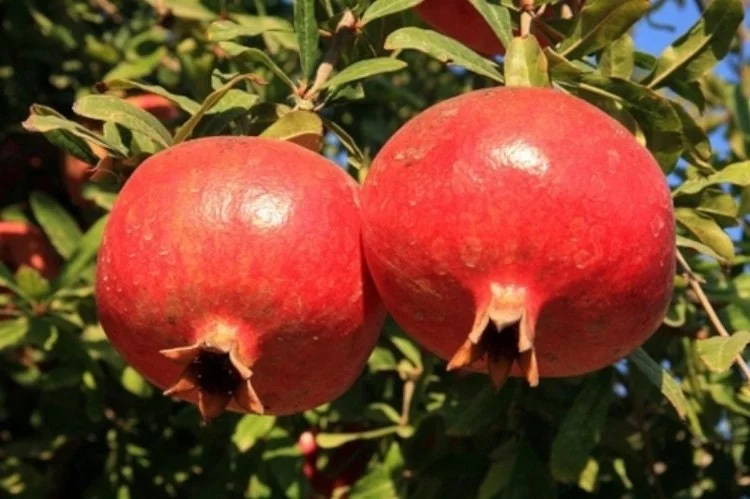
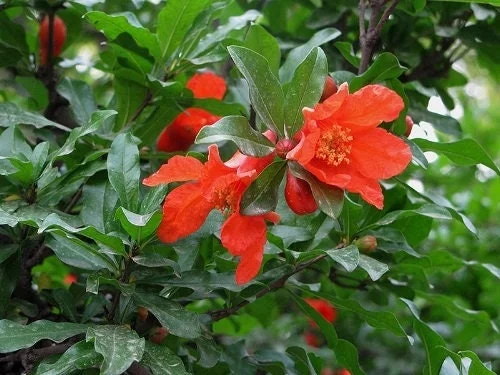
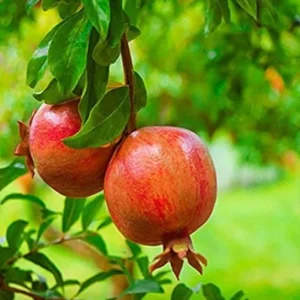
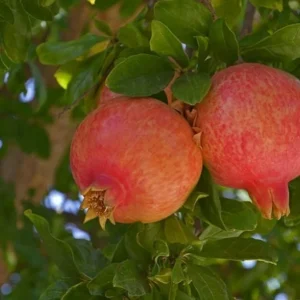
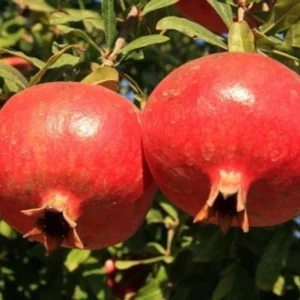
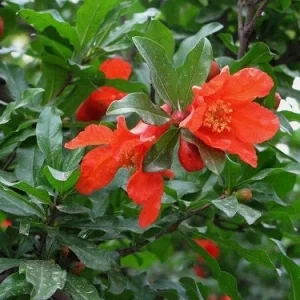
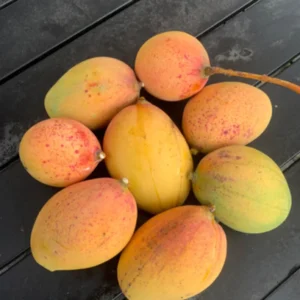
Bring home a Salavatski Pomegranate Tree, a highly sought-after variety known for its very large, pale red fruit with sweet-tart arils. This Punica Granatum live plant is exceptionally cold hardy, tolerating temperatures down to 5 degrees F in USDA Zones 6-9, and produces an abundance of beautiful orange flowers and fruit at a young age.
$29.98

With our Alive & Thrive Guarantee, we’ve got your back for the first 30 days! If you have any concerns about your plants, just reach out to us. Our team is here to help answer your questions and guide you in selecting the best plants for your garden, climate, and unique preferences. We're excited to help you create the garden of your dreams!
Estimated arrival
Oct 14
Oct 19 - Oct 21
Oct 24 - Oct 28
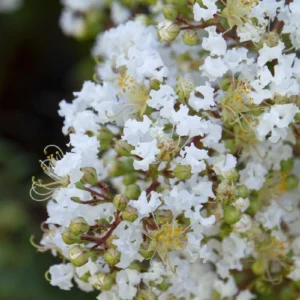
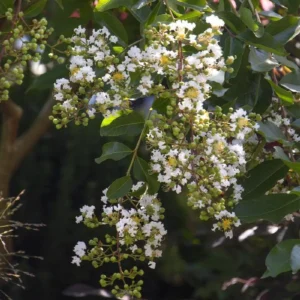
Product Details
-
USDA Hardiness Zone
USDA Zones 6-9 -
Soil type
Well-draining soil -
Sunlight Exposure
Full Sun -
Expected Planting Period
Spring to early summer
Overview
Experience the joy of growing your own delicious fruit with the Salavatski Pomegranate Tree. This highly acclaimed variety of Punica Granatum live plant is renowned for its exceptional cold hardiness and prolific production of large, flavorful pomegranates. Originating from Russia, the Russian pomegranate plant, specifically the Salavatski, is a favorite among gardeners seeking a resilient and rewarding fruit tree. It’s not just about the fruit; these trees also boast a stunning display of bright orange flowers throughout the spring, adding ornamental value to your garden. Whether you’re an experienced horticulturist or just starting your fruit tree journey, the Salavatski offers a robust and productive option for temperate climates.
Known for its adaptability and vigorous growth, the Salavatski Pomegranate Tree thrives in full sun and well-drained soil, making it a relatively low-maintenance addition to your landscape. Its ability to produce fruit at a young age means you won’t have to wait long to enjoy its bounty. This starter tree is ready to establish itself in your garden, promising years of beautiful blooms and delectable fruit.
Key Benefits
The Salavatski Pomegranate Tree offers numerous advantages for the home gardener, blending ornamental beauty with practical fruit production. Here are some of its key benefits:
- Exceptional Cold Hardiness: This variety is remarkably cold tolerant, surviving temperatures as low as 5 degrees Fahrenheit, making it suitable for a wider range of climates (USDA Zones 6-9) where other pomegranates might not thrive. It’s a true cold hardy pomegranate.
- Abundant Fruit Production: Enjoy a generous harvest of very large, pale red pomegranates with juicy, sweet-tart arils, perfect for fresh eating, juices, or culinary creations. This makes it one of the best fruit trees for sale.
- Early Fruiting: Unlike many fruit trees, the Salavatski often produces fruit at a very young age, sometimes within just two years of planting, providing quicker gratification for your gardening efforts.
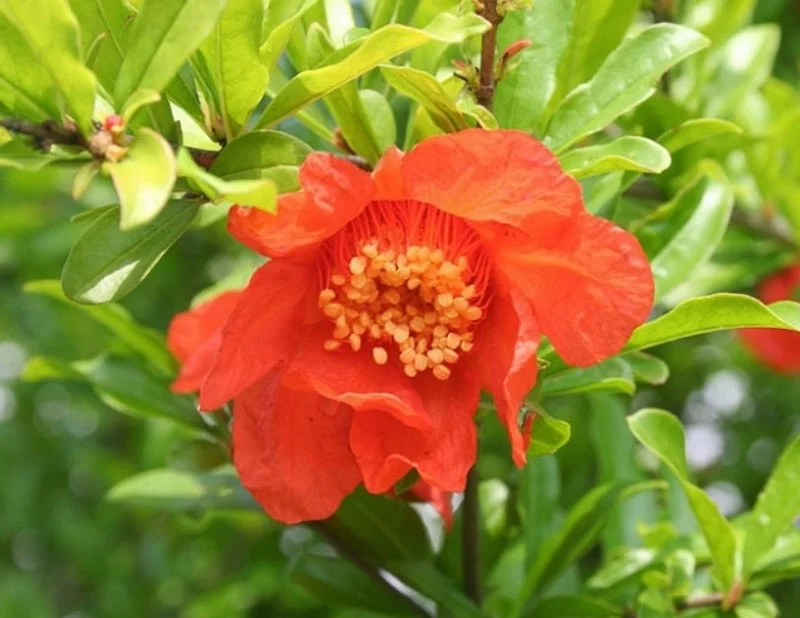
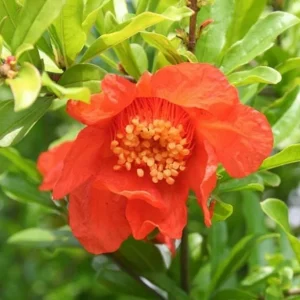
- Beautiful Ornamental Blooms: Beyond its fruit, the tree provides a stunning display of bright orange flowers over an extended period in spring, enhancing the aesthetic appeal of your garden.
- Drought Tolerance: Once established, the Salavatski Pomegranate Tree is quite drought tolerant, reducing the need for constant watering during drier periods.
- Heat Tolerant: Exceptionally tolerant of heat, this tree performs well in warmer climates, maintaining vigor and productivity even in intense summer conditions.
- Adaptable to Various Soils: While preferring well-drained conditions, this pomegranate can adapt to almost any soil type, offering flexibility in planting locations.
Plant Care & Growing Tips
Caring for your Salavatski Pomegranate Tree is straightforward, ensuring a healthy plant and abundant fruit. For optimal fruit production, full sun is essential; aim for at least 6-8 hours of direct sunlight per day. While it can tolerate some light shade, reduced sunlight may lead to fewer flowers and smaller fruit. These trees are well-suited for outdoor planting in USDA Zones 6-9, where they can withstand winter temperatures down to 5 degrees Fahrenheit. If you’re looking for a robust fruit trees for sale that can handle a range of conditions, the Salavatski is an excellent choice.
When it comes to watering, establish a regular schedule during the first year to help the tree get established. Once mature, the Salavatski Pomegranate Tree is quite drought tolerant, though consistent moisture during fruiting periods will enhance fruit size and quality. Ensure your soil is well-drained, as pomegranates do not like wet feet. While adaptable to various soil types, a loamy, slightly acidic to neutral soil (pH 5.5-7.0) is ideal. Fertilize in early spring with a balanced fertilizer, and prune in late winter or early spring to remove dead or crossing branches and to shape the tree. This proactive care will help your Russian pomegranate plant thrive.
Protect young trees from extreme cold snaps in the lower end of their hardiness range. Mulching around the base can help insulate the roots. Common pests are generally not a major issue, but monitor for aphids or whiteflies and treat with horticultural oil or insecticidal soap if necessary. By following these care guidelines, your Salavatski Pomegranate Tree will provide years of beautiful blooms and delicious fruit.
Size & Details
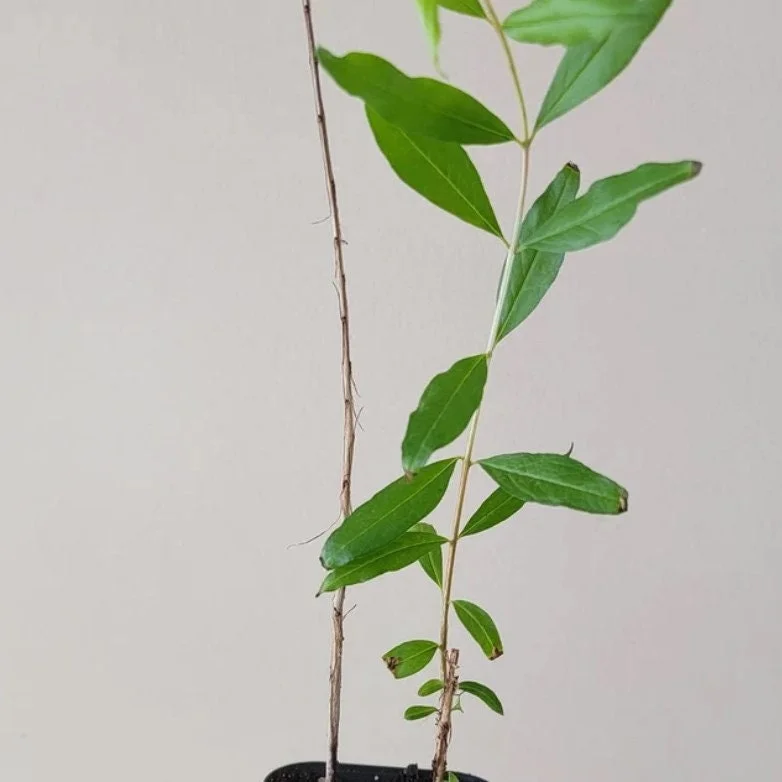
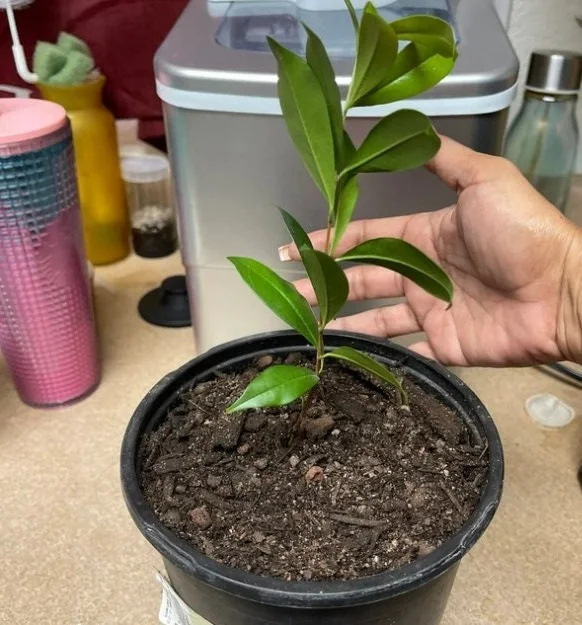
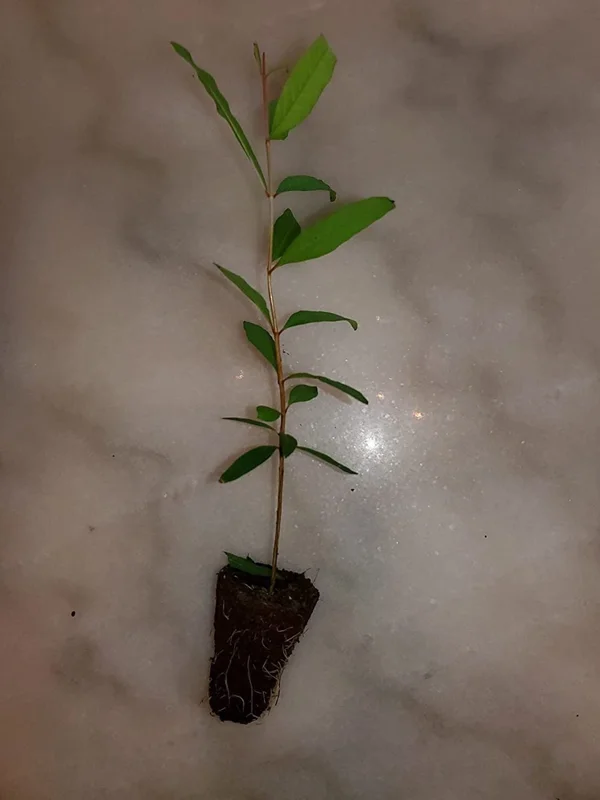
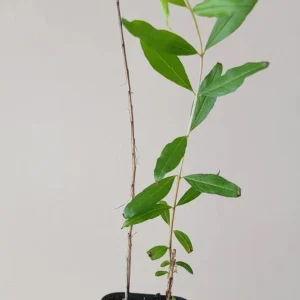
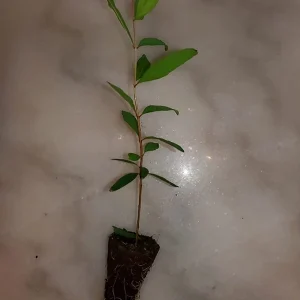
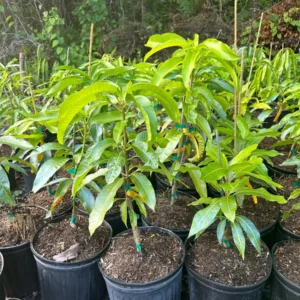
This offering is for a healthy Salavatski Pomegranate Tree live starter plant, ready for transplanting into your garden or a larger pot. At maturity, these vigorous trees typically reach a height of 8-12 feet with an equal spread of 6-8 feet, forming an attractive, multi-stemmed shrub or small tree. They exhibit a fast growth rate, allowing them to establish quickly in your landscape. Fruit harvest typically occurs in September, offering a late-season bounty. The young plants are known to produce fruit within their first few years, making them a rewarding addition to any fruit orchard or home garden. This specific Punica Granatum live plant is designed for successful establishment and growth.
Frequently Asked Questions
- Q: How big does this plant get? A: The Salavatski Pomegranate Tree typically matures to a height of 8-12 feet with a spread of 6-8 feet, making it a substantial shrub or small tree in your garden.
- Q: Is this an indoor or outdoor plant? A: This cold hardy pomegranate is best suited for outdoor planting in USDA Zones 6-9, where it can withstand cold temperatures. It can be grown in a large container and brought indoors in colder climates, but it thrives outdoors.
- Q: How much sunlight does it need? A: For optimal fruit production and growth, the Salavatski Pomegranate Tree requires full sun, meaning at least 6-8 hours of direct sunlight per day.
- Q: Is this plant easy to care for? A: Yes, the Salavatski is considered relatively easy to care for, especially once established. It’s drought-tolerant and adaptable to various soils, making it a good choice among fruit trees for sale for many gardeners.
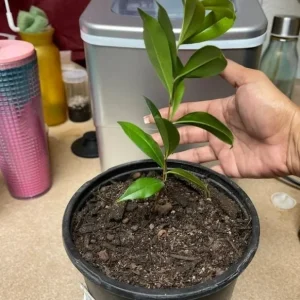
- Q: What condition will it arrive in? A: You will receive a healthy Salavatski Pomegranate Tree live starter plant, carefully packaged to ensure its safe arrival and readiness for transplanting.
- Q: How long until it blooms and fruits? A: This variety is known for early fruiting, often producing both beautiful orange flowers and fruit within 2-3 years of planting.
- Q: Will it survive winter in my zone? A: The Russian pomegranate plant is exceptionally cold hardy and can survive temperatures down to 5 degrees Fahrenheit, making it suitable for USDA Zones 6-9.
- Q: What type of fruit does it produce? A: It produces very large, pale red pomegranates with juicy, sweet-tart arils, highly prized for fresh consumption and juice.
- Q: What’s the best soil for a Salavatski Pomegranate Tree? A: While adaptable, this Punica Granatum live plant prefers well-drained soil. It can tolerate a range of soil types, but good drainage is key.
- Q: Can I grow this plant in a container? A: Yes, a Salavatski Pomegranate Tree can be grown successfully in a large container, especially if you are in a colder zone and wish to move it indoors during winter.
Related products
-42%
Original price was: $56.99.$33.29Current price is: $33.29.
-20%
Original price was: $36.00.$28.80Current price is: $28.80.
-50%
Original price was: $180.99.$89.89Current price is: $89.89.
PLANTING & CARE
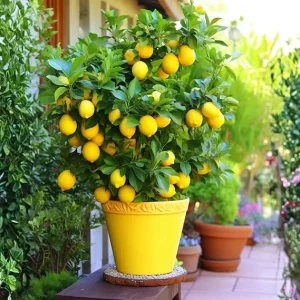
Lemon Tree Growing: Choose, Plant, and Harvest
Learn how to choose, plant, feed, and protect a lemon tree so it fits your
23
Sep
Sep
Dwarf Meyer Lemon Tree Australia: Climate Guide
Learn where dwarf Meyer lemon trees grow, how much cold they tolerate, and whether Australia,
Where to Buy a Dwarf Meyer Lemon Tree: Buyer’s Guide
Find the right dwarf Meyer lemon tree online or locally, compare starter sizes and costs,
Dwarf Meyer Lemon Tree for Sale: Buying Guide
Compare Meyer lemon tree sizes, prices, shipping limits, indoor growing and California options before you
Dwarf Meyer Lemon Tree Guide: Size, Care and Fruit
META: Learn how large a dwarf Meyer lemon tree grows, where it thrives, and how
How to Prune a Dwarf Meyer Lemon Tree
Learn when and how to prune a dwarf Meyer lemon tree, including tools, shaping cuts,
Can You Grow a Dwarf Meyer Lemon Tree in a Pot?
META: Learn how to grow a dwarf Meyer lemon tree in a pot, including container
When Do Dwarf Meyer Lemon Trees Bloom and Fruit?
META: Dwarf Meyer lemon trees usually bloom from winter through spring and may flower again