Brown Turkey Fig Tree Live Plant – Fruiting Ficus Carica – Outdoor Edible
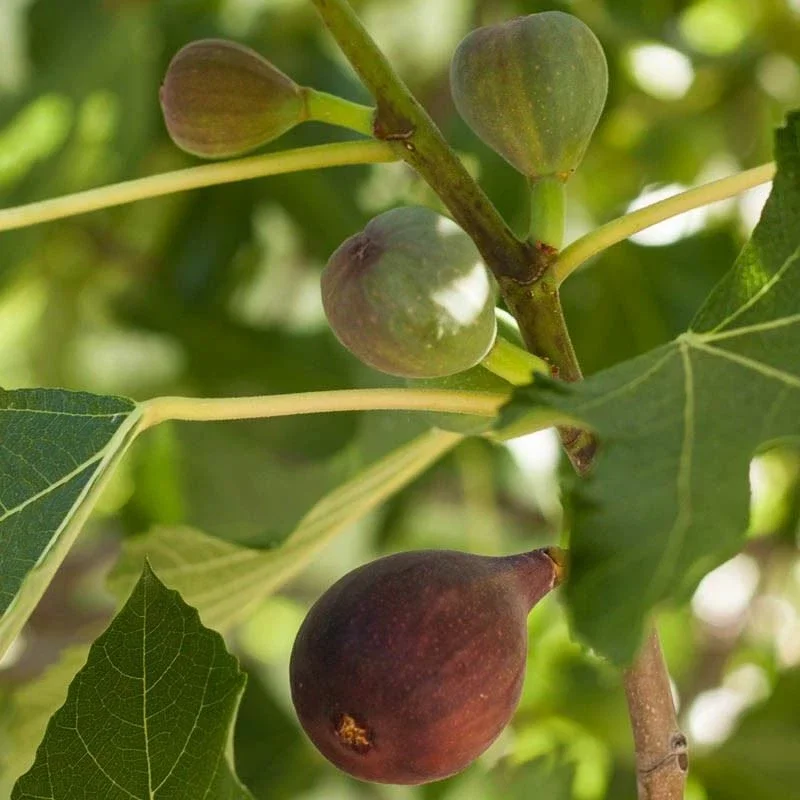
Brown Turkey Fig Tree Live Plant – Fruiting Ficus Carica – Outdoor Edible
Cultivate your own sweet and juicy figs with this brown turkey fig tree. An easy-to-grow fruiting fig tree, this Ficus carica live plant is ideal for outdoor planting and yields abundant, delicious fruit. Enjoy fresh, homegrown figs directly from your garden.
$15.73

With our Alive & Thrive Guarantee, we’ve got your back for the first 30 days! If you have any concerns about your plants, just reach out to us. Our team is here to help answer your questions and guide you in selecting the best plants for your garden, climate, and unique preferences. We're excited to help you create the garden of your dreams!
Estimated arrival
Oct 21
Oct 26 - Oct 28
Oct 31 - Nov 04


Product Details
-
USDA Hardiness Zone
USDA zones 7-10 -
Soil type
Well-draining, loamy soil -
Sunlight Exposure
Full Sun -
Expected Planting Period
Spring to early summer
Overview
Discover the joy of growing your own produce with the remarkable brown turkey fig tree. This deciduous fruit tree, scientifically known as Ficus carica live plant, is renowned for its delicious, sweet, and abundant fruit production. The ‘Brown Turkey’ variety is particularly popular among home gardeners for its reliability, hardiness, and relatively low maintenance. Originating in the Mediterranean, figs have been cultivated for centuries and are cherished for their unique flavor and nutritional benefits. This live plant offers a fantastic opportunity to add a productive and ornamental element to your garden, providing fresh, edible figs for many years to come. Whether you’re an experienced gardener or just starting, this fruiting fig tree is a rewarding choice that thrives in various climates.
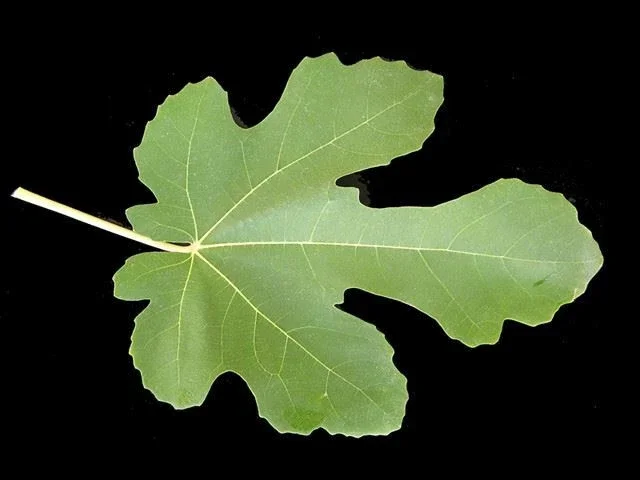
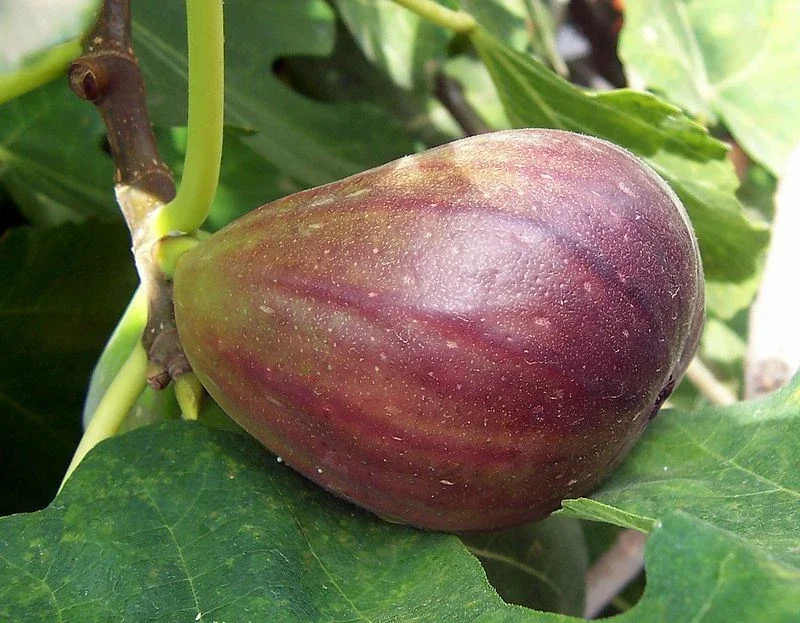
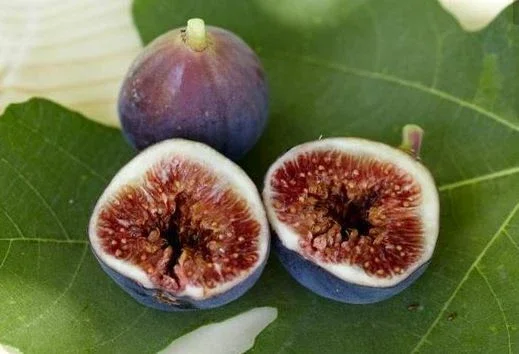
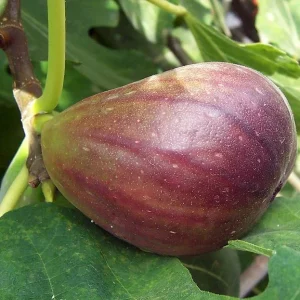
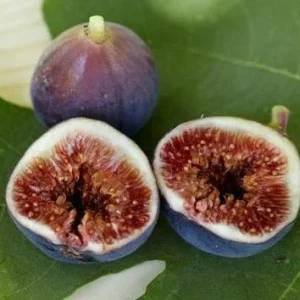
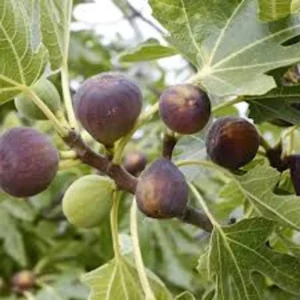
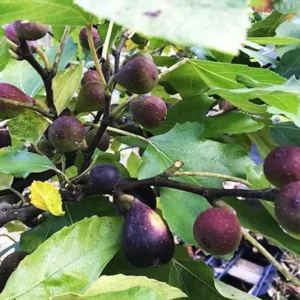
The ‘Brown Turkey’ fig is characterized by its medium-sized, pear-shaped fruit with brownish-purple skin and sweet, reddish-pink flesh. These figs are excellent for fresh eating, drying, or making jams and preserves. Beyond its fruit, the brown turkey fig tree also boasts attractive palmate foliage, adding a touch of Mediterranean charm to any landscape. It’s a robust and adaptable plant, making it a favorite for those seeking an easy-to-grow fruit-bearing tree.
Key Benefits
Adding a brown turkey fig tree to your garden offers a multitude of advantages, from its delicious fruit to its aesthetic appeal and ease of care. This versatile tree is a true asset for any outdoor space.
- Abundant Edible Fruit: Enjoy a generous harvest of sweet, flavorful figs, perfect for fresh consumption, baking, or preserving. This edible fig plant provides a consistent yield once established.
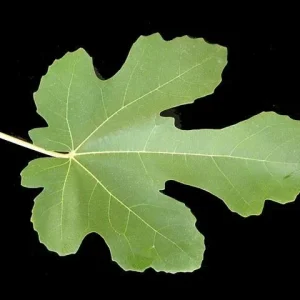
- Attractive Foliage: The large, deeply lobed, palmate leaves create a lush, tropical look, enhancing the beauty of your garden throughout the growing season.
- Easy to Grow: Known for its resilience and adaptability, the ‘Brown Turkey’ fig is a low-maintenance choice, making it suitable for gardeners of all experience levels.
- Drought Tolerant: Once established, this fruiting fig tree exhibits good drought tolerance, reducing the need for frequent watering.
- Versatile Planting Options: Can be grown as a standalone tree, a shrub, or even in a large container, offering flexibility for various garden designs.
- Pest and Disease Resistant: Generally robust against common pests and diseases, ensuring a healthier plant with less intervention.
- Child and Pet Safe: The ‘Brown Turkey’ fig is considered safe for both children and pets, providing peace of mind for families.
Plant Care & Growing Tips
Caring for your brown turkey fig tree is relatively straightforward, ensuring a healthy plant and a bountiful harvest. These trees are quite forgiving and adapt well to various conditions, but providing optimal care will maximize fruit production and overall vigor. For best results, plant your fig tree in a location that receives ample sunlight. Figs thrive in full sun, meaning at least 6-8 hours of direct sunlight per day. While they can tolerate partial sun, fruit production may be reduced.
When it comes to watering, young fig trees require consistent moisture to establish a strong root system. Water deeply 2-3 times a week during dry periods. Once mature, the outdoor fruit tree becomes more drought tolerant, but regular watering during fruit development will ensure larger, juicier figs. The ideal soil type for figs is well-draining, loamy soil with a neutral pH (around 6.0-7.0). They can tolerate a range of soil types including clay, peat, and sand, as long as drainage is adequate. Good drainage is crucial to prevent root rot. Figs are best suited for USDA hardiness zones where winter temperatures do not drop below 10°F. In colder climates, they can be grown in containers and brought indoors during winter or protected with heavy mulching.
Fertilize your fig tree in early spring before new growth begins, and again in mid-summer. Use a balanced fertilizer or one higher in potassium for better fruit development. Avoid excessive nitrogen, which can promote leafy growth at the expense of fruit. Pruning is essential for maintaining the tree’s shape, size, and encouraging fruit production. Prune in late winter or early spring while the tree is dormant, removing dead, damaged, or crossing branches. You can also prune to open up the canopy for better air circulation and sunlight penetration. Common problems are few, but watch for fig rust or scale insects; proper air circulation and occasional organic treatments can help. The ficus carica live plant is generally quite resilient.
Size & Details
This brown turkey fig tree is typically shipped as a seedling, ready for planting upon arrival. While the exact initial size may vary, most seedlings are approximately 5 inches in length, providing a strong start for your garden. Figs are fast-growing trees and will quickly establish themselves. They are deciduous, meaning they will lose their leaves in the fall and regrow them in the spring. This characteristic is normal and part of their natural growth cycle. The plant form is tissue culture, ensuring a healthy and robust start.
Once mature, a ‘Brown Turkey’ fig tree can reach a height of 10-25 feet and a similar spread if left unpruned. However, they can be easily maintained at a smaller size through regular pruning, making them suitable for smaller gardens or even large pots. The tree develops a clumping growth habit. Expect your edible fig plant to begin producing fruit within 1-2 years of planting, with increasing yields as it matures. The fruit ripens over the summer and fall, providing an extended harvest season.
Frequently Asked Questions
- Q: How big does this brown turkey fig tree get? A: A mature ‘Brown Turkey’ fig tree can reach 10-25 feet tall and wide, but its size can be easily managed with regular pruning to fit your garden space or for container growing.
- Q: Is this an indoor or outdoor plant? A: The brown turkey fig tree is primarily an outdoor plant, thriving in full sun and warm climates. In colder regions, it can be grown in large containers and moved indoors during winter.
- Q: How much sunlight does the fruiting fig tree need? A: This tree requires at least 6-8 hours of direct sunlight daily for optimal growth and fruit production. More sun generally leads to a better harvest.
- Q: Is this plant easy to care for? A: Yes, the ‘Brown Turkey’ fig is considered a relatively easy-to-care-for fruit tree, known for its resilience and adaptability to various soil types and conditions. It’s a great outdoor fruit tree for beginners.
- Q: Can I use the figs for cooking? A: Absolutely! The figs from a brown turkey fig tree are versatile and delicious, perfect for eating fresh, drying, making jams, baking, or adding to savory dishes.
- Q: How long until it produces fruit? A: You can typically expect your ‘Brown Turkey’ fig tree to start producing fruit within 1-2 years after planting, with yields increasing as the tree matures.
- Q: Will the edible fig plant survive winter in my zone? A: The ‘Brown Turkey’ fig is hardy in USDA zones 7-10. In colder zones, it will require winter protection or container growing to prevent damage from frost.
- Q: What condition will the ficus carica live plant arrive in? A: The plant will arrive as a healthy seedling, typically around 5 inches in length, ready for immediate planting. It will be well-packed to ensure safe transit.
- Q: What type of soil is best for this fig tree? A: Well-draining, loamy soil with a neutral pH is ideal for a ‘Brown Turkey’ fig tree. It can tolerate various soil types as long as drainage is good.
- Q: Is this fig tree pet-safe? A: Yes, the ‘Brown Turkey’ fig tree is generally considered non-toxic and safe for both children and pets to be around.
Related products
-20%
Original price was: $90.00.$72.00Current price is: $72.00.
PLANTING & CARE
Lemon Tree Growing: Choose, Plant, and Harvest
Learn how to choose, plant, feed, and protect a lemon tree so it fits your
23
Sep
Sep
Dwarf Meyer Lemon Tree Australia: Climate Guide
Learn where dwarf Meyer lemon trees grow, how much cold they tolerate, and whether Australia,
Where to Buy a Dwarf Meyer Lemon Tree: Buyer’s Guide
Find the right dwarf Meyer lemon tree online or locally, compare starter sizes and costs,
Dwarf Meyer Lemon Tree for Sale: Buying Guide
Compare Meyer lemon tree sizes, prices, shipping limits, indoor growing and California options before you
Dwarf Meyer Lemon Tree Guide: Size, Care and Fruit
META: Learn how large a dwarf Meyer lemon tree grows, where it thrives, and how
How to Prune a Dwarf Meyer Lemon Tree
Learn when and how to prune a dwarf Meyer lemon tree, including tools, shaping cuts,
Can You Grow a Dwarf Meyer Lemon Tree in a Pot?
META: Learn how to grow a dwarf Meyer lemon tree in a pot, including container
When Do Dwarf Meyer Lemon Trees Bloom and Fruit?
META: Dwarf Meyer lemon trees usually bloom from winter through spring and may flower again