Melia Azedarach Tree – Chinaberry Rosary Tree – Lilac Tree
-50%
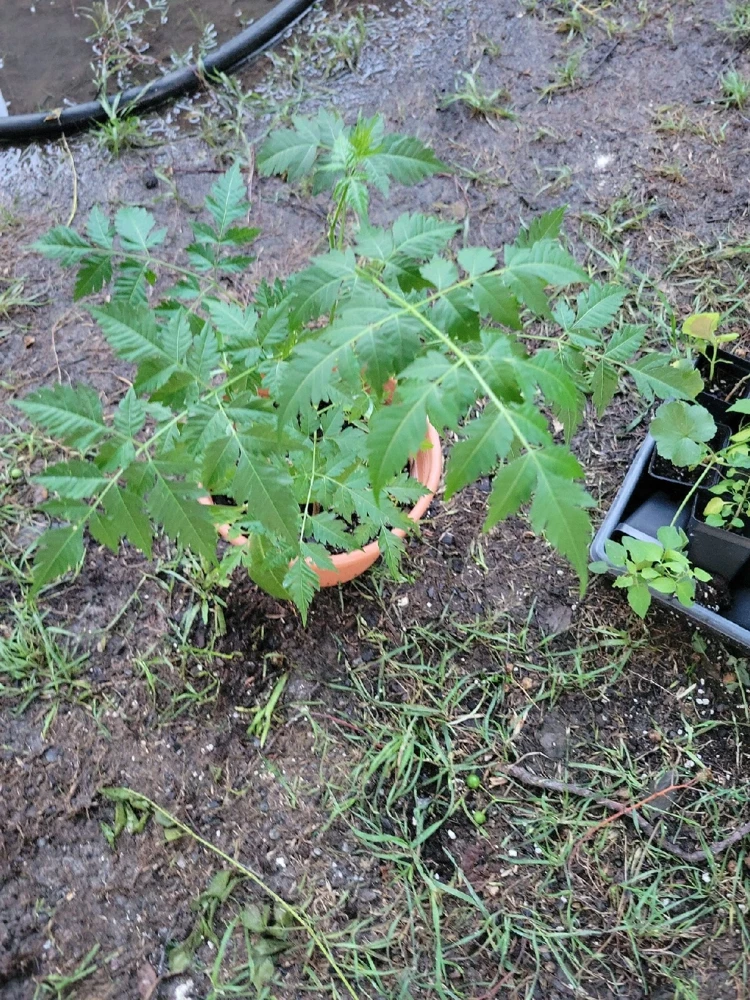
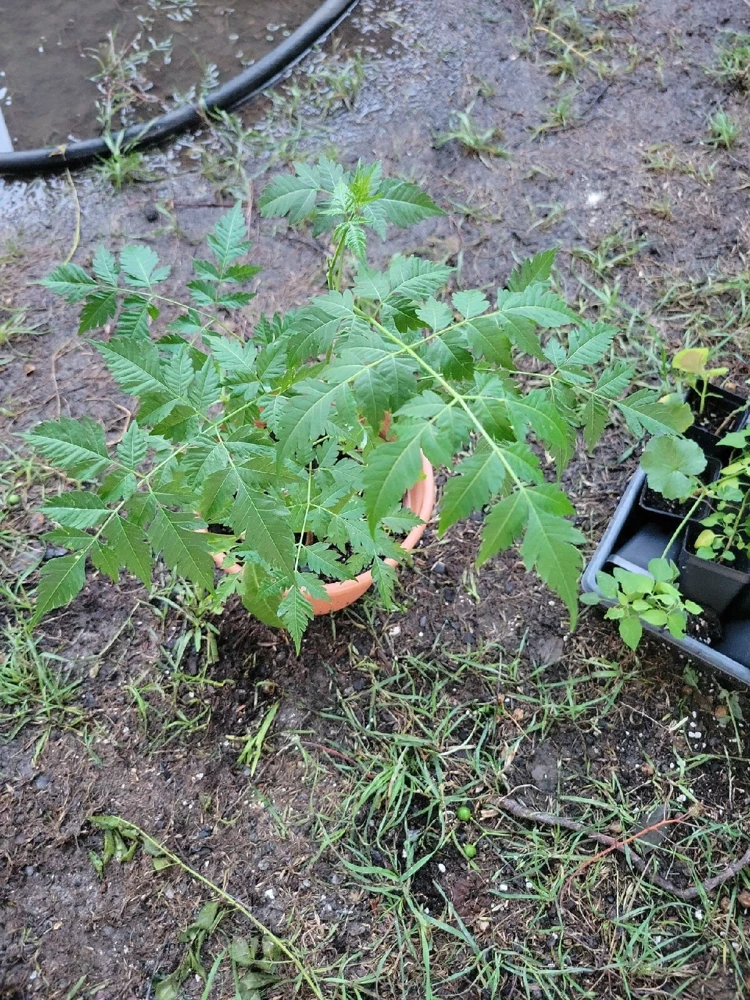
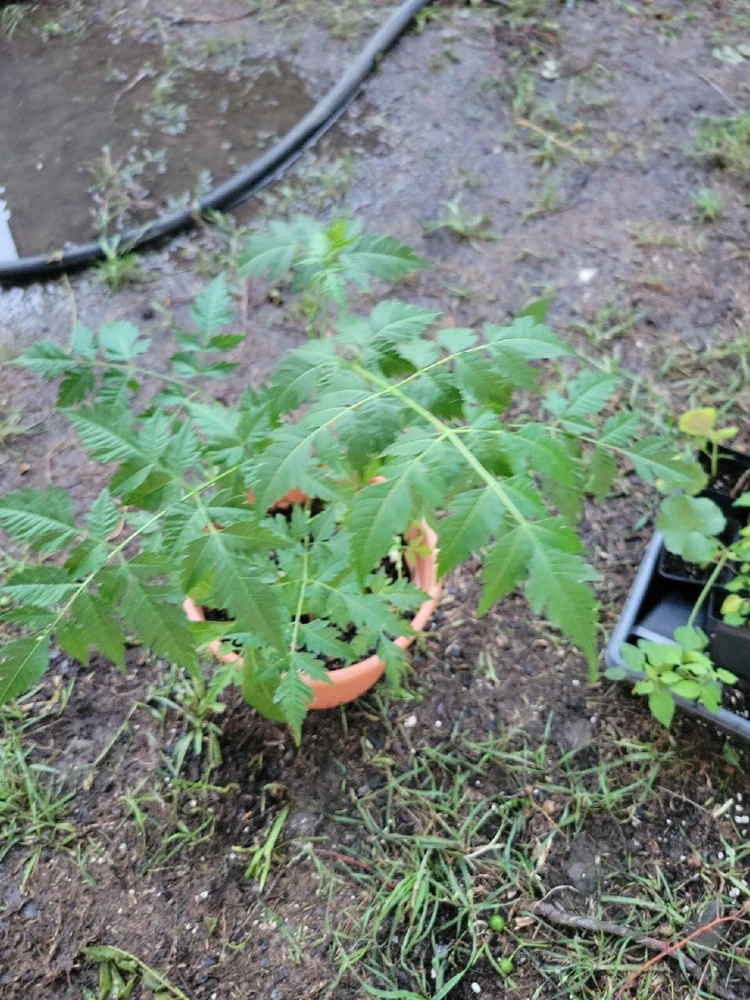


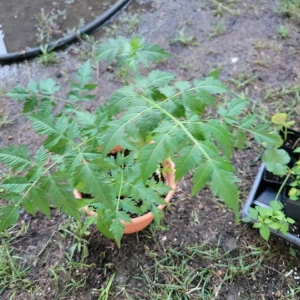
Melia Azedarach Tree – Chinaberry Rosary Tree – Lilac Tree
Bring elegance to your garden with a Melia Azedarach tree. Also known as the Chinaberry tree or Rosary tree, this fast-growing ornamental offers fragrant, lilac-colored flowers and attractive foliage. Perfect for adding shade and beauty to your landscape, it’s a resilient choice for various climates.
Original price was: $100.00.$50.00Current price is: $50.00.

With our Alive & Thrive Guarantee, we’ve got your back for the first 30 days! If you have any concerns about your plants, just reach out to us. Our team is here to help answer your questions and guide you in selecting the best plants for your garden, climate, and unique preferences. We're excited to help you create the garden of your dreams!
Estimated arrival
Oct 14
Oct 19 - Oct 21
Oct 24 - Oct 28








Product Details
-
USDA Hardiness Zone
USDA zones 7-10 -
Soil type
Well-draining soil (loamy, sandy, or clay) -
Sunlight Exposure
Full sun (6-8+ hours direct sunlight) -
Expected Planting Period
Spring or Fall
Overview
Introduce a touch of exotic beauty to your landscape with the magnificent Melia Azedarach tree. Often recognized by its common names such as Chinaberry Tree, Rosary Tree, or even Persian Lilac, this deciduous tree is celebrated for its rapid growth and stunning ornamental features. The Melia Azedarach tree is native to Asia and Australia but has adapted well to many climates around the world, making it a popular choice for gardeners seeking a distinctive and resilient specimen. Its elegant canopy provides excellent shade, while its fragrant, purple-pink flowers, reminiscent of lilacs, create a captivating display in spring. Following the bloom, the tree produces attractive, bead-like yellow fruits that persist through winter, adding visual interest to the colder months.
The Chinaberry tree is not just a pretty face; it’s also known for its hardiness and ability to thrive in challenging conditions, including poor soils and drought. This makes it an ideal candidate for various garden settings, from large estates to urban parks. Its fast growth rate allows for quick establishment and provides shade benefits relatively quickly. Beyond its aesthetic appeal, the wood of the Rosary tree has been historically used for various purposes, including furniture and rosary beads, hence one of its common names. While beautiful, it’s important to note that the berries are toxic if ingested by humans or pets, a common characteristic among many ornamental plants.
Key Benefits
The Melia Azedarach tree offers a multitude of benefits that make it a cherished addition to any garden or landscape. Its unique characteristics contribute both aesthetic appeal and practical advantages.
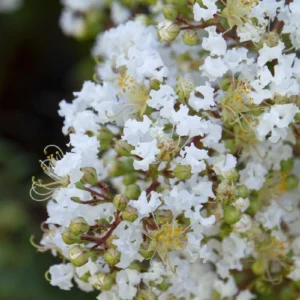
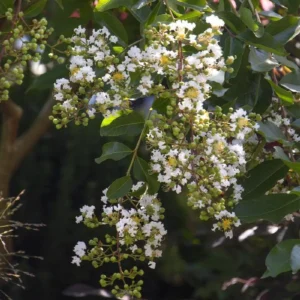
- Stunning Ornamental Value: The Melia Azedarach tree is highly prized for its beautiful, fragrant, five-petaled, lilac-colored flowers that bloom profusely in spring, creating a breathtaking visual and aromatic experience. Its attractive foliage and persistent yellow berries add year-round interest.
- Fast Growing Shade Tree: This tree is known for its rapid growth, quickly establishing a broad, spreading canopy that provides excellent shade during hot summer months, reducing cooling costs and creating comfortable outdoor living spaces.
- Drought and Soil Tolerant: The Chinaberry tree is remarkably resilient, tolerating a wide range of soil types, including poor and compacted soils, and is highly drought-tolerant once established, making it a low-maintenance choice for various environments.
- Unique Winter Interest: Even after its leaves fall, the Rosary tree continues to offer visual appeal with its clusters of bright yellow, marble-sized fruits that cling to the branches through the winter, providing a splash of color against a stark landscape.
- Attracts Wildlife: While the berries are toxic to humans and some animals, they are a food source for certain bird species, adding biodiversity to your garden and offering opportunities for bird watching.
Plant Care & Growing Tips
Caring for your Melia Azedarach tree is relatively straightforward due to its robust nature. It thrives in conditions that might challenge other ornamental trees, making it a rewarding choice for both novice and experienced gardeners. For optimal growth and flowering, select a location that receives full sun, meaning at least 6-8 hours of direct sunlight per day. While it can tolerate partial shade, abundant sunlight encourages the most prolific blooms and dense foliage. This tree is incredibly adaptable to various soil types, but it prefers well-draining soil. It can handle sandy, loamy, or clay soils, but avoid areas where water tends to sit for extended periods, as this can lead to root rot. Good drainage is key to a healthy Chinaberry tree.
Once established, the Rosary tree is remarkably drought-tolerant, requiring minimal supplemental watering. During its first year, water regularly to help it establish a strong root system. After that, water deeply during prolonged dry spells, especially in very hot climates. Overwatering should be avoided. The Melia Azedarach tree is quite hardy and can tolerate a wide range of temperatures, typically thriving in USDA Hardiness Zones 7-10. It can withstand occasional frosts but may require protection in exceptionally cold winters when young. Fertilization is not strictly necessary for mature trees, especially if planted in reasonably fertile soil. However, if growth appears sluggish, a balanced, slow-release fertilizer applied in early spring can provide a boost. Pruning should be done in late winter or early spring to remove dead, damaged, or crossing branches and to shape the tree. This helps maintain its aesthetic form and promotes healthy growth. Watch out for common pests like scale insects or spider mites, though serious infestations are rare. Proper air circulation and occasional inspection can help prevent most issues.
Size & Details
The Melia Azedarach tree is a fast-growing ornamental tree, typically reaching heights of 30-50 feet with a similar spread at maturity, forming a beautiful, rounded to vase-shaped canopy. Its growth rate is considered rapid, often adding several feet in height per year under ideal conditions. The tree is generally sold as a young sapling, often bare-root or in a small nursery pot (e.g., 1-3 gallon size), ready for planting. Its mature size makes it suitable for larger landscapes where it can be appreciated as a specimen tree or for providing significant shade. The deciduous foliage emerges in spring, and the fragrant, lilac-like flowers appear in clusters, typically in late spring to early summer. The distinctive yellow berries ripen in autumn and persist well into winter, providing continuous seasonal interest. This resilience and beauty make the Lilac tree an excellent choice for a variety of garden designs.
Frequently Asked Questions
- Q: How big does the Melia Azedarach tree get? A: The Melia Azedarach tree typically grows to a height of 30-50 feet with an equivalent spread, creating a substantial and elegant shade tree. Its rapid growth rate means it can achieve significant size within a few years of planting.
- Q: Is this an indoor or outdoor plant? A: The Chinaberry tree is an outdoor tree, best suited for planting in gardens, parks, and large landscapes where it has ample space to grow and mature. It is not suitable for indoor cultivation.
- Q: How much sunlight does the Rosary tree need? A: The Rosary tree thrives in full sun, requiring at least 6-8 hours of direct sunlight per day for optimal growth and the most abundant flowering. It can tolerate partial shade, but performance may be reduced.
- Q: Is the Chinaberry tree easy to care for? A: Yes, the Chinaberry tree is considered very easy to care for. It is tolerant of various soil conditions, drought-resistant once established, and generally resilient to pests and diseases, making it a low-maintenance choice.
- Q: What condition will the Melia Azedarach tree arrive in? A: The tree will typically arrive as a healthy young sapling, either bare-root during dormant seasons or in a nursery pot with some soil, ready for planting to ensure successful establishment in your garden.
- Q: How long until the Lilac tree blooms? A: Young Lilac trees can begin to bloom within 2-3 years of planting, with more prolific flowering occurring as the tree matures. Blooms typically appear in late spring to early summer.
- Q: What USDA zones is the Melia Azedarach tree suitable for? A: The Melia Azedarach tree is well-suited for USDA Hardiness Zones 7 through 10, meaning it can tolerate a range of temperatures from mild winters to hot summers.
Related products
-50%


Original price was: $73.98.$36.99Current price is: $36.99.
-51%


Original price was: $43.99.$21.59Current price is: $21.59.
-36%


Original price was: $279.98.$179.98Current price is: $179.98.

PLANTING & CARE
Lemon Tree Growing: Choose, Plant, and Harvest
Learn how to choose, plant, feed, and protect a lemon tree so it fits your
23
Sep
Sep
Dwarf Meyer Lemon Tree Australia: Climate Guide
Learn where dwarf Meyer lemon trees grow, how much cold they tolerate, and whether Australia,
Where to Buy a Dwarf Meyer Lemon Tree: Buyer’s Guide
Find the right dwarf Meyer lemon tree online or locally, compare starter sizes and costs,
Dwarf Meyer Lemon Tree for Sale: Buying Guide
Compare Meyer lemon tree sizes, prices, shipping limits, indoor growing and California options before you
Dwarf Meyer Lemon Tree Guide: Size, Care and Fruit
META: Learn how large a dwarf Meyer lemon tree grows, where it thrives, and how
How to Prune a Dwarf Meyer Lemon Tree
Learn when and how to prune a dwarf Meyer lemon tree, including tools, shaping cuts,
Can You Grow a Dwarf Meyer Lemon Tree in a Pot?
META: Learn how to grow a dwarf Meyer lemon tree in a pot, including container
When Do Dwarf Meyer Lemon Trees Bloom and Fruit?
META: Dwarf Meyer lemon trees usually bloom from winter through spring and may flower again