Syringa ‘Adelaide Dunbar’ Lilac Live Plant – Starter 6-10 Inch Tall
-40%
Syringa ‘Adelaide Dunbar’ Lilac Live Plant – Starter 6-10 Inch Tall
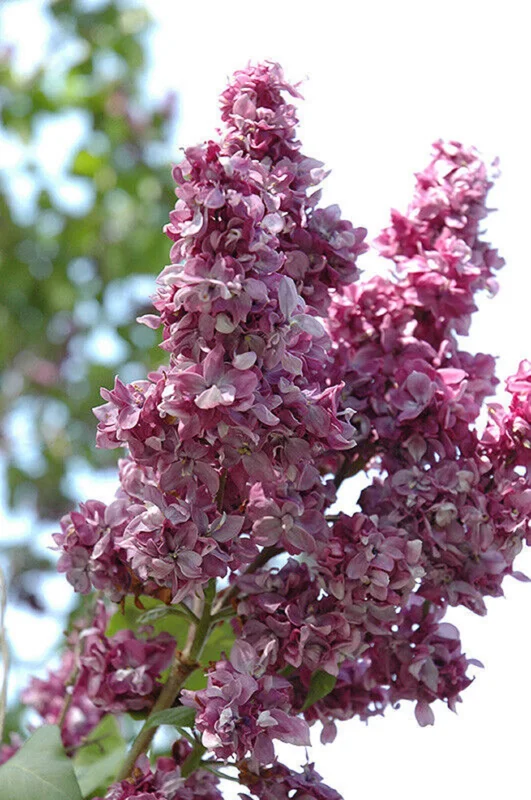
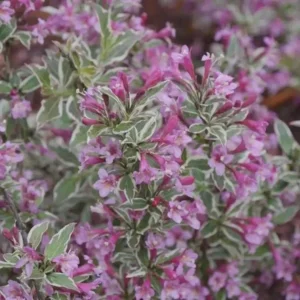
Cultivate the stunning Syringa ‘Adelaide Dunbar’ live plant, a beautiful and fragrant deciduous shrub perfect for your garden. This winter-hardy lilac features vibrant fuchsia/lavender blooms in spring, growing 6-10 inches tall as a starter plant. Ideal for full sun and well-drained soil, it offers an enchanting addition to any landscape.
Original price was: $37.90.$22.90Current price is: $22.90.

With our Alive & Thrive Guarantee, we’ve got your back for the first 30 days! If you have any concerns about your plants, just reach out to us. Our team is here to help answer your questions and guide you in selecting the best plants for your garden, climate, and unique preferences. We're excited to help you create the garden of your dreams!
Estimated arrival
Oct 21
Oct 26 - Oct 28
Oct 31 - Nov 04




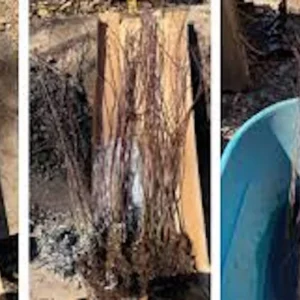
Product Details
-
USDA Hardiness Zone
3-7 -
Soil type
Well-draining soil -
Sunlight Exposure
Full sun -
Expected Planting Period
Spring to early summer
Overview
Introduce a touch of elegance and intoxicating fragrance to your garden with the Syringa ‘Adelaide Dunbar’ live plant. This exquisite variety of lilac, known scientifically as Syringa vulgaris ‘Adelaide Dunbar’, is a robust and highly ornamental deciduous shrub. It is celebrated for its spectacular spring display of dense, double blooms that unfurl in a captivating blend of fuchsia and lavender hues. As a starter plant, it measures approximately 6-10 inches, providing a perfect foundation for a future garden centerpiece. The ‘Adelaide Dunbar’ lilac shrub is a winter-hardy specimen, thriving in a wide range of climates and bringing consistent beauty year after year.
Originating from the renowned lilac breeding programs, ‘Adelaide Dunbar’ is a classic choice for gardeners seeking both visual appeal and a rich, sweet perfume. This particular variety is cherished for its vigorous growth and ability to form a substantial, attractive shrub that can reach impressive heights. Its upright habit and lush foliage provide an excellent backdrop for its showy flowers, making it a standout feature in borders, hedges, or as a specimen plant. This live plant is carefully cultivated to ensure a strong start in your garden.
Key Benefits
The Syringa ‘Adelaide Dunbar’ live plant offers a multitude of benefits that make it a highly desirable addition to any garden. Its captivating attributes extend beyond mere aesthetics, providing a rewarding experience for gardeners of all levels.
- Stunning Floral Display: Enjoy an abundant showcase of double, fuchsia and lavender-colored blooms every spring. These vibrant flowers create a striking visual impact and are a true harbinger of warmer weather.
- Intoxicating Fragrance: Fill your garden with the classic, sweet fragrance of lilac. The perfume of the ‘Adelaide Dunbar’ lilac shrub is particularly potent, making it ideal for planting near patios, windows, or walkways where its scent can be fully appreciated.
- Exceptional Winter Hardiness: This deciduous shrub is remarkably resilient, thriving in USDA Zones 3-7. It can withstand cold winter temperatures, ensuring its return year after year with minimal protection, making it a truly hardy deciduous shrub.
- Attracts Pollinators: The nectar-rich flowers are a magnet for bees, butterflies, and other beneficial pollinators, contributing to the biodiversity and health of your garden ecosystem.
- Excellent Cut Flowers: The long-lasting blooms make superb cut flowers, allowing you to bring the beauty and fragrance of your garden indoors to adorn your living spaces.
- Low Maintenance: Once established, the Syringa ‘Adelaide Dunbar’ live plant requires relatively little care, making it a great choice for both experienced and novice gardeners.
- Versatile Landscape Use: Perfect for use as a specimen plant, in mixed borders, as a fragrant hedge, or as part of a cottage garden design. Its upright growth habit provides structure and beauty.
Plant Care & Growing Tips
Caring for your Syringa ‘Adelaide Dunbar’ live plant is straightforward, and with the right conditions, it will flourish and provide years of beautiful blooms. This shrub prefers a location with full sun exposure, meaning it should receive at least 6 hours of direct sunlight per day. Adequate sunlight is crucial for maximizing bloom production and ensuring robust, healthy growth. While it can tolerate some partial shade, too little sun will result in fewer flowers and a leggy appearance. Ensure good air circulation around the plant to prevent fungal issues.
When it comes to soil, the ‘Adelaide Dunbar’ lilac thrives in well-drained soil. It tolerates various soil types, including clay, loam, and sand, but good drainage is paramount to prevent root rot. Amend heavy clay soils with organic matter to improve drainage and aeration. Maintain a slightly acidic to neutral soil pH (6.5-7.0) for optimal health. Water regularly after planting to help establish the root system. Once established, this fragrant lilac plant is relatively drought-tolerant but will benefit from deep watering during prolonged dry spells, especially during the blooming season. Fertilize in early spring with a balanced, slow-release fertilizer before new growth begins, avoiding excessive nitrogen which can promote foliage at the expense of flowers.
Pruning is best done immediately after flowering to shape the plant and remove spent blooms, which can encourage more vigorous growth for the following year. Remove any dead, damaged, or crossing branches. You can also perform a rejuvenation prune on older, overgrown specimens by cutting back a third of the oldest stems to the ground over three years. This Syringa care regimen will ensure a healthy and prolific blooming shrub. Watch out for common pests like lilac borers or powdery mildew, and address them promptly with appropriate organic or chemical treatments.
Size & Details
This offering is for a Syringa ‘Adelaide Dunbar’ live plant supplied as a starter plant, typically measuring approximately 6-10 inches in height. It arrives as a well-rooted plant, ready to be transplanted into your garden or a larger pot. The starter size allows for easier establishment and adaptation to its new environment, growing quickly into a substantial shrub. Mature plants can reach heights of 8 feet or more with a similar spread, forming a dense, upright habit. The growth rate is moderate, allowing you to enjoy its development over time.
The plant is shipped in a 2 1/2 x 3 1/2 inch pot, providing a secure and nourishing environment for its journey. Once planted in the ground, expect it to develop a strong root system and begin its journey towards maturity. Blooming typically occurs in late spring to early summer, depending on your specific climate zone. Its vibrant fuchsia/lavender flowers are a highlight of the season. This hardy deciduous shrub is a long-lived plant, providing many years of enjoyment with proper care and placement.
Frequently Asked Questions
- Q: How big does this plant get? A: The Syringa ‘Adelaide Dunbar’ live plant is a starter plant, typically 6-10 inches tall upon arrival. When mature, it can grow to be 8 feet or more in height and spread, forming a substantial and beautiful shrub in your landscape.
- Q: Is this an indoor or outdoor plant? A: This is an outdoor plant, a hardy deciduous shrub that thrives in garden settings. It requires full sun and is best suited for climates within USDA Zones 3-7 to ensure optimal growth and flowering.
- Q: How much sunlight does it need? A: The ‘Adelaide Dunbar’ lilac requires full sun, meaning it needs at least 6 hours of direct sunlight per day to produce the most abundant and vibrant fuchsia/lavender blooms.
- Q: What condition will it arrive in? A: Your Syringa ‘Adelaide Dunbar’ live plant will arrive as a well-rooted starter plant in a 2 1/2 x 3 1/2 inch pot, carefully packaged to ensure its health during transit. It will be ready for immediate planting.
- Q: Is this plant easy to care for? A: Yes, once established, the fragrant lilac plant is relatively low maintenance. It requires well-drained soil, full sun, and occasional watering during dry periods. Pruning after flowering helps maintain its shape and encourages new blooms.
- Q: How long until it blooms? A: While this is a starter plant, established ‘Adelaide Dunbar’ lilacs typically bloom in late spring to early summer. You may see some blooms in its first year, but a more significant display will likely occur in subsequent years as the plant matures.
- Q: Will it survive winter in my zone? A: Yes, this ‘Adelaide Dunbar’ lilac shrub is winter hardy in USDA Zones 3-7. It is a deciduous plant, meaning it will lose its leaves in winter and go dormant, returning with new growth and blooms in spring.
Related products
-20%
Original price was: $36.00.$28.80Current price is: $28.80.
-50%


Original price was: $63.00.$31.50Current price is: $31.50.

-60%
Original price was: $53.99.$21.59Current price is: $21.59.
PLANTING & CARE
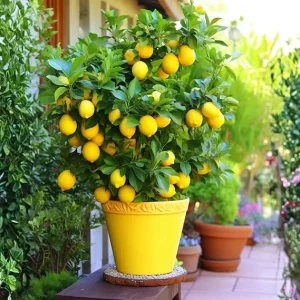
Lemon Tree Growing: Choose, Plant, and Harvest
Learn how to choose, plant, feed, and protect a lemon tree so it fits your
23
Sep
Sep
Dwarf Meyer Lemon Tree Australia: Climate Guide
Learn where dwarf Meyer lemon trees grow, how much cold they tolerate, and whether Australia,
Where to Buy a Dwarf Meyer Lemon Tree: Buyer’s Guide
Find the right dwarf Meyer lemon tree online or locally, compare starter sizes and costs,
Dwarf Meyer Lemon Tree for Sale: Buying Guide
Compare Meyer lemon tree sizes, prices, shipping limits, indoor growing and California options before you
Dwarf Meyer Lemon Tree Guide: Size, Care and Fruit
META: Learn how large a dwarf Meyer lemon tree grows, where it thrives, and how
How to Prune a Dwarf Meyer Lemon Tree
Learn when and how to prune a dwarf Meyer lemon tree, including tools, shaping cuts,
Can You Grow a Dwarf Meyer Lemon Tree in a Pot?
META: Learn how to grow a dwarf Meyer lemon tree in a pot, including container
When Do Dwarf Meyer Lemon Trees Bloom and Fruit?
META: Dwarf Meyer lemon trees usually bloom from winter through spring and may flower again