Tulip Poplar Tree Live Plant – 8-12 inches tall in Quart Pot – Yellow Blooming Deciduous Tree for Garden
-50%
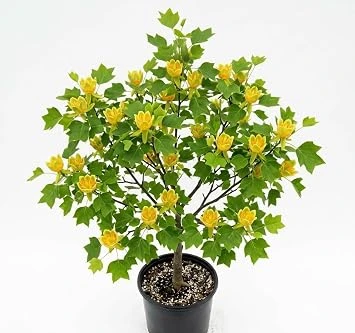
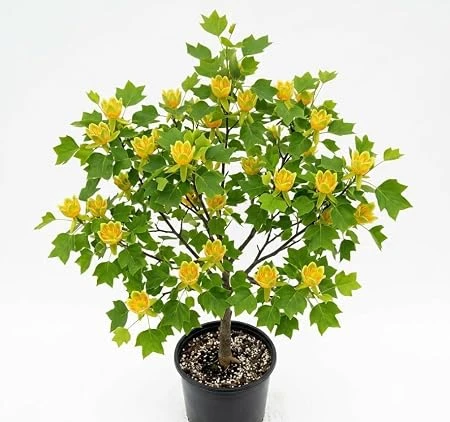
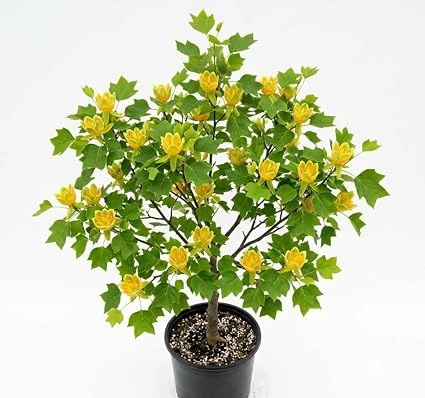
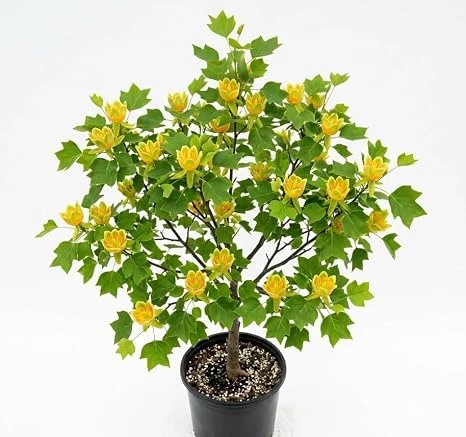
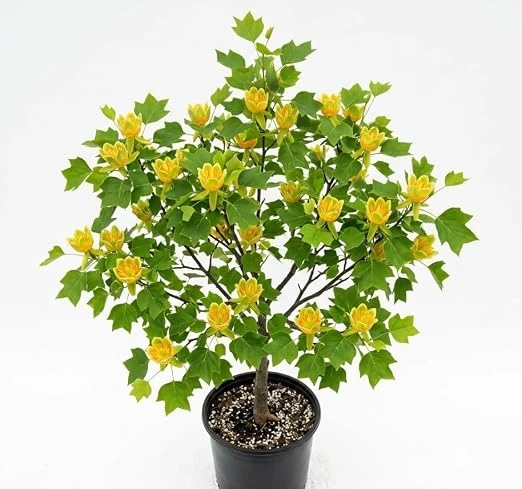
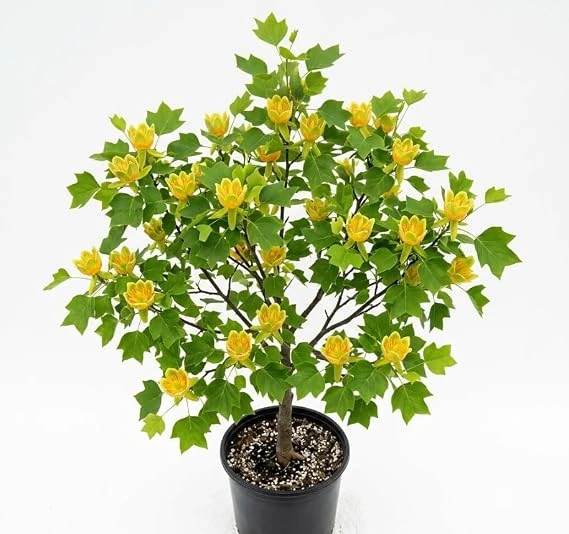
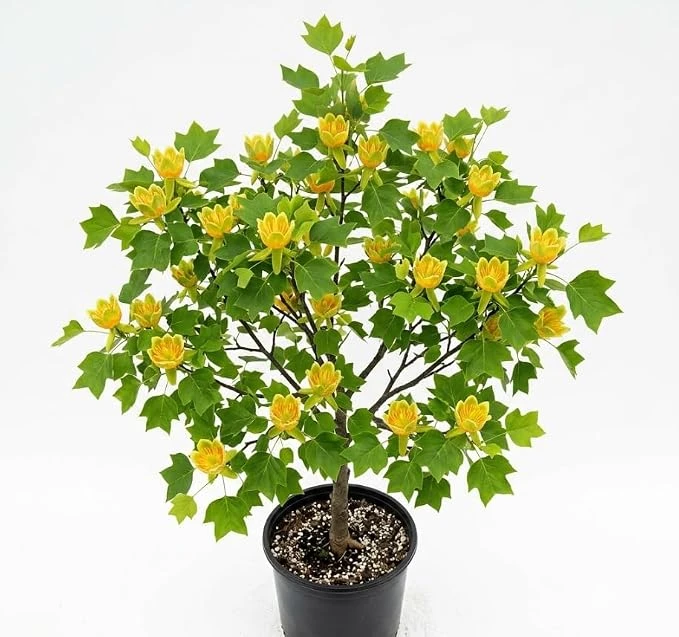
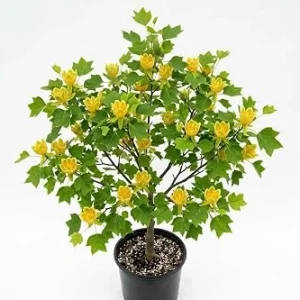
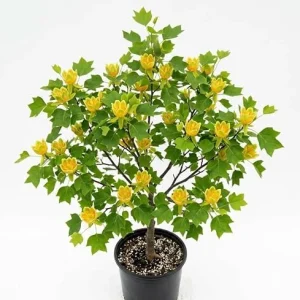
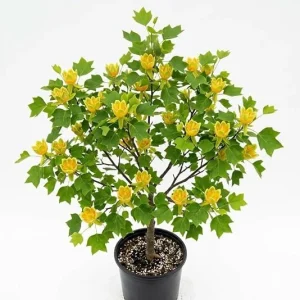
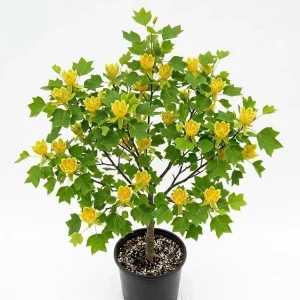
Tulip Poplar Tree Live Plant – 8-12 inches tall in Quart Pot – Yellow Blooming Deciduous Tree for Garden
Bring home a beautiful Tulip Poplar Tree live plant, arriving 8-12 inches tall in a quart pot. Known for its striking yellow tulip-shaped flowers and brilliant fall foliage, this deciduous tree is a fast-growing, low-maintenance addition to any garden or landscape. Ideal for creating shade or as a specimen tree.
Original price was: $46.98.$23.49Current price is: $23.49.

With our Alive & Thrive Guarantee, we’ve got your back for the first 30 days! If you have any concerns about your plants, just reach out to us. Our team is here to help answer your questions and guide you in selecting the best plants for your garden, climate, and unique preferences. We're excited to help you create the garden of your dreams!
Estimated arrival
Nov 03
Nov 08 - Nov 10
Nov 13 - Nov 17
Product Details
-
USDA Hardiness Zone
USDA Zones 4-9 -
Soil type
Well-draining, fertile soil -
Sunlight Exposure
Full sun -
Expected Planting Period
Spring to early summer or early fall
Overview
Introduce a magnificent centerpiece to your landscape with the Tulip Poplar Tree live plant, also known scientifically as Liriodendron tulipifera. This iconic North American native is celebrated for its rapid growth and stunning ornamental features. Your young Tulip Poplar Tree live plant arrives as a healthy seedling, approximately 8-12 inches tall and ready to thrive in your garden. Known for its distinctive tulip-shaped, yellow-green flowers with orange accents that emerge in spring, it creates a breathtaking display. Beyond its beautiful blooms, the Tulip Poplar boasts vibrant green foliage that transforms into a brilliant golden yellow in the fall, providing year-round visual interest. This robust and adaptable deciduous tree is an excellent choice for adding natural beauty and shade to any outdoor space.
The Tulip Poplar Tree live plant is not just a visual delight; it’s also an ecological asset, attracting pollinators and providing habitat. Its tall, straight trunk and upright growth habit make it a majestic specimen tree, while its broad canopy offers welcome shade during warmer months. Whether you’re a seasoned gardener or just starting, this tree is a rewarding choice that establishes easily and requires minimal ongoing care once settled.
Key Benefits
The Tulip Poplar Tree live plant offers a multitude of benefits, making it a highly desirable addition to any garden or landscape:
- Stunning Floral Display: Enjoy an abundance of unique, tulip-shaped yellow-green flowers with orange markings each spring. These striking blooms are a true spectacle and provide a captivating focal point in your yard.
- Vibrant Fall Foliage: Experience a brilliant transformation as the leaves turn a spectacular golden yellow in autumn. This rich fall color adds warmth and beauty to your landscape, extending its visual appeal through the seasons.
- Fast Growing Shade Tree: Known for its rapid growth rate, the Tulip Poplar quickly establishes itself and develops into a magnificent shade tree. It’s an excellent choice for those looking to create a comfortable, shaded outdoor area in a relatively short time.
- Adaptable and Hardy: This tree is incredibly resilient, thriving across a wide range of climates and soil conditions. It’s suitable for USDA Zones 4–9, demonstrating excellent hardiness and making Tulip Poplar tree care straightforward.
- Pollinator Friendly: The nectar-rich flowers are a magnet for bees, butterflies, and hummingbirds, supporting local ecosystems and encouraging biodiversity in your garden.
- Low Maintenance Once Established: After its initial establishment period, the Tulip Poplar requires minimal attention. It’s largely disease and pest resistant, making it a hassle-free choice for busy gardeners.
- Architectural Beauty: With its tall, upright growth and distinctive foliage, the Liriodendron tulipifera serves as a beautiful specimen tree or an impressive native landscape planting, adding vertical interest and grandeur.
Plant Care & Growing Tips
Caring for your Tulip Poplar Tree live plant is generally straightforward, especially once it has established its roots. These trees are known for their resilience, but providing optimal conditions during their early years will ensure robust growth and a healthy, vibrant specimen. For successful Tulip Poplar tree care, consider the following guidelines:
Sunlight Requirements: The Tulip Poplar thrives in full sun, meaning it needs at least 6-8 hours of direct sunlight per day to produce the most abundant blooms and vibrant fall color. While it can tolerate partial shade, too little sun may result in leggy growth and reduced flowering. Position your tree in a location where it will receive ample morning and afternoon sun.
Watering Schedule and Soil Moisture: Young trees require consistent moisture to establish a strong root system. Water deeply 2-3 times per week during the first growing season, especially during dry spells. Once established, the Liriodendron tulipifera is moderately drought-tolerant but will benefit from supplemental watering during prolonged dry periods. Ensure the soil remains moist but not waterlogged.
Soil Type and Drainage: This tree prefers well-drained, fertile soil with a slightly acidic to neutral pH (6.0-7.0). It tolerates a variety of soil types, including clay, loam, and sand, as long as drainage is adequate. Amend heavy clay soils with organic matter to improve drainage and aeration. Good drainage is crucial to prevent root rot.
Temperature Range and USDA Hardiness Zone: The yellow blooming tree is remarkably hardy and suitable for USDA Hardiness Zones 4–9. It can withstand a wide range of temperatures, from cold winters to hot summers. Protect very young seedlings from harsh winter winds in the colder zones during their first year by mulching around the base.
Fertilization Schedule: During the first year, a balanced slow-release fertilizer can be applied in early spring to encourage root development and vigorous growth. Once established, the Tulip Poplar generally doesn’t require heavy fertilization, especially if planted in fertile soil. If growth appears sluggish, a light application of a balanced tree fertilizer in spring can be beneficial. Always follow product instructions carefully.
Common Problems and Solutions: Tulip Poplars are relatively pest and disease resistant. However, they can occasionally be susceptible to aphids or scale insects. These can usually be managed with horticultural oil or insecticidal soap. Powdery mildew can occur in humid conditions; ensuring good air circulation and appropriate watering can help prevent this. Proper Tulip Poplar tree care and regular monitoring will help you address any issues promptly.
Size & Details
Your Tulip Poplar Tree live plant will arrive as a vigorous seedling, typically measuring between 8 to 12 inches tall. It is carefully grown and shipped in a quart-sized container, ensuring its roots are well-protected and ready for easy transplanting into your garden. This initial size allows for robust root establishment and rapid growth once planted in its permanent location. The fast growing shade tree is renowned for its impressive mature dimensions; it can reach heights of 70-90 feet, and sometimes even over 100 feet, with a spread of 30-50 feet, forming a stately, conical to broadly columnar canopy.
Expect your Liriodendron tulipifera to begin blooming within 7-10 years of planting from a seedling, though this can vary depending on growing conditions and care. The characteristic yellow-green, tulip-like flowers emerge in late spring to early summer, offering a spectacular display. This tree is shipped as a healthy, actively growing specimen, ready to establish quickly and begin its journey to becoming a magnificent landscape feature. Its upright growth habit and strong structure make it an enduring presence in any large garden or park setting.
Frequently Asked Questions
- Q: How big does this plant get? A: This Tulip Poplar Tree live plant arrives 8-12 inches tall. At maturity, it can reach impressive heights of 70-90 feet with a spread of 30-50 feet, making it a very large and majestic shade tree.
- Q: What size pot does it come in? A: The Tulip Poplar Tree live plant is shipped in a quart-sized nursery pot, providing ample space for its root system during transit and initial establishment.
- Q: Is this an indoor or outdoor plant? A: The Tulip Poplar is an outdoor deciduous tree. It requires ample space, full sun, and seasonal changes to thrive and is not suitable for indoor cultivation.
- Q: How much sunlight does it need? A: This yellow blooming tree requires full sun, meaning at least 6 to 8 hours of direct sunlight daily, for optimal growth, flowering, and fall color development.
- Q: Is this plant easy to care for? A: Yes, once established, the Tulip Poplar is considered low-maintenance. It is quite adaptable and hardy, making Tulip Poplar tree care relatively easy for gardeners of all experience levels.
- Q: What condition will it arrive in? A: Your Liriodendron tulipifera will arrive as a healthy, actively growing seedling in a quart pot, carefully packaged to ensure its safe journey and readiness for planting.
- Q: How long until it blooms? A: Tulip Poplar trees typically begin to produce their distinctive yellow blooms within 7 to 10 years after planting from a seedling, depending on growing conditions.
- Q: When is the best time to plant this tree? A: The best time to plant your fast growing shade tree is in early spring or early fall, allowing the roots to establish before extreme summer heat or winter cold.
- Q: Will it survive winter in my zone? A: Yes, the Tulip Poplar is very hardy and suitable for USDA Zones 4–9, meaning it can withstand a wide range of winter temperatures in most of the US.
- Q: What are the main uses for this tree? A: The Tulip Poplar is primarily used as a specimen tree, a shade tree, or for native landscape plantings due to its rapid growth, impressive size, and beautiful seasonal interest.
Related products


-20%
Original price was: $90.00.$72.00Current price is: $72.00.
PLANTING & CARE
Lemon Tree Growing: Choose, Plant, and Harvest
Learn how to choose, plant, feed, and protect a lemon tree so it fits your
23
Sep
Sep
Dwarf Meyer Lemon Tree Australia: Climate Guide
Learn where dwarf Meyer lemon trees grow, how much cold they tolerate, and whether Australia,
Where to Buy a Dwarf Meyer Lemon Tree: Buyer’s Guide
Find the right dwarf Meyer lemon tree online or locally, compare starter sizes and costs,
Dwarf Meyer Lemon Tree for Sale: Buying Guide
Compare Meyer lemon tree sizes, prices, shipping limits, indoor growing and California options before you
Dwarf Meyer Lemon Tree Guide: Size, Care and Fruit
META: Learn how large a dwarf Meyer lemon tree grows, where it thrives, and how
How to Prune a Dwarf Meyer Lemon Tree
Learn when and how to prune a dwarf Meyer lemon tree, including tools, shaping cuts,
Can You Grow a Dwarf Meyer Lemon Tree in a Pot?
META: Learn how to grow a dwarf Meyer lemon tree in a pot, including container
When Do Dwarf Meyer Lemon Trees Bloom and Fruit?
META: Dwarf Meyer lemon trees usually bloom from winter through spring and may flower again