Yellow Ginkgo Tree Live Plant – Maidenhair Tree, 8-12″ Tall, Quart Pot, Outdoor
-50%
Yellow Ginkgo Tree Live Plant – Maidenhair Tree, 8-12″ Tall, Quart Pot, Outdoor
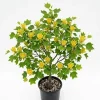
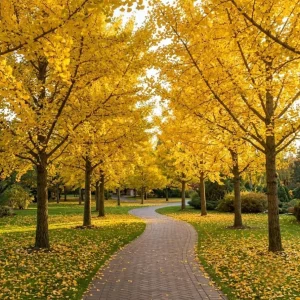
Bring stunning autumn color to your landscape with this yellow ginkgo tree live plant. Also known as the maidenhair tree, this hardy deciduous specimen arrives 8-12 inches tall in a quart pot, ready for outdoor planting.
Original price was: $44.98.$22.49Current price is: $22.49.

With our Alive & Thrive Guarantee, we’ve got your back for the first 30 days! If you have any concerns about your plants, just reach out to us. Our team is here to help answer your questions and guide you in selecting the best plants for your garden, climate, and unique preferences. We're excited to help you create the garden of your dreams!
Estimated arrival
Nov 03
Nov 08 - Nov 10
Nov 13 - Nov 17
Product Details
-
USDA Hardiness Zone
USDA Zones 3–9 -
Soil type
Well-draining soil -
Sunlight Exposure
Full sun -
Expected Planting Period
Spring to early autumn
Overview
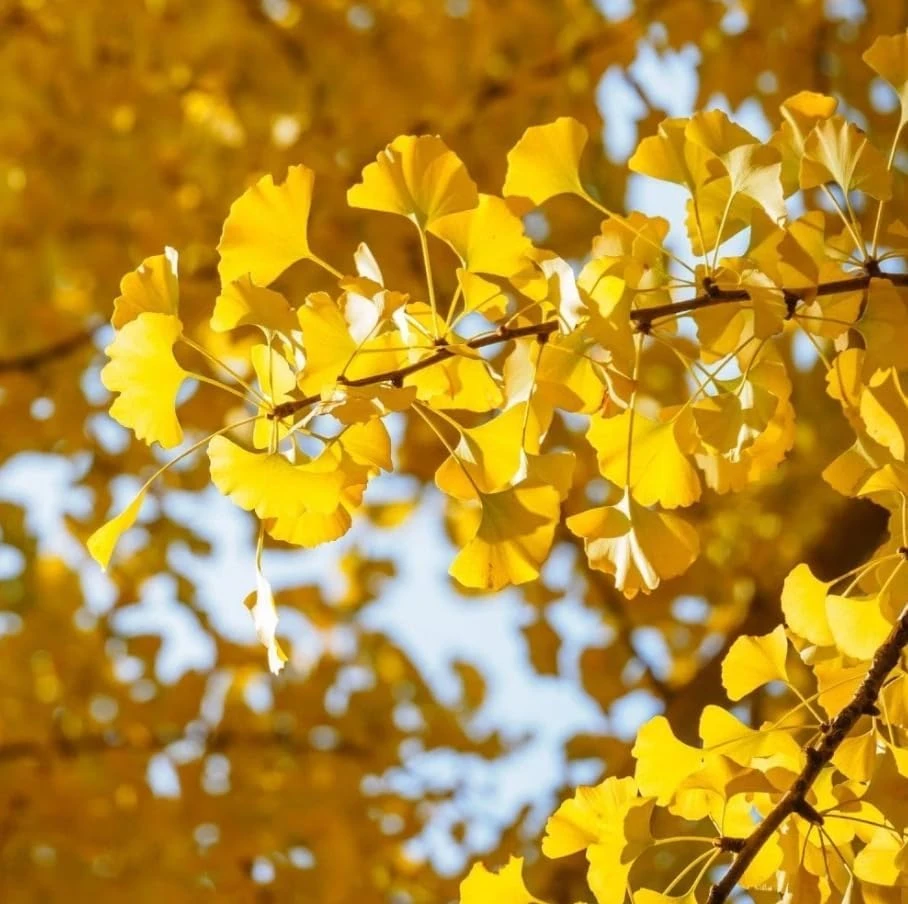
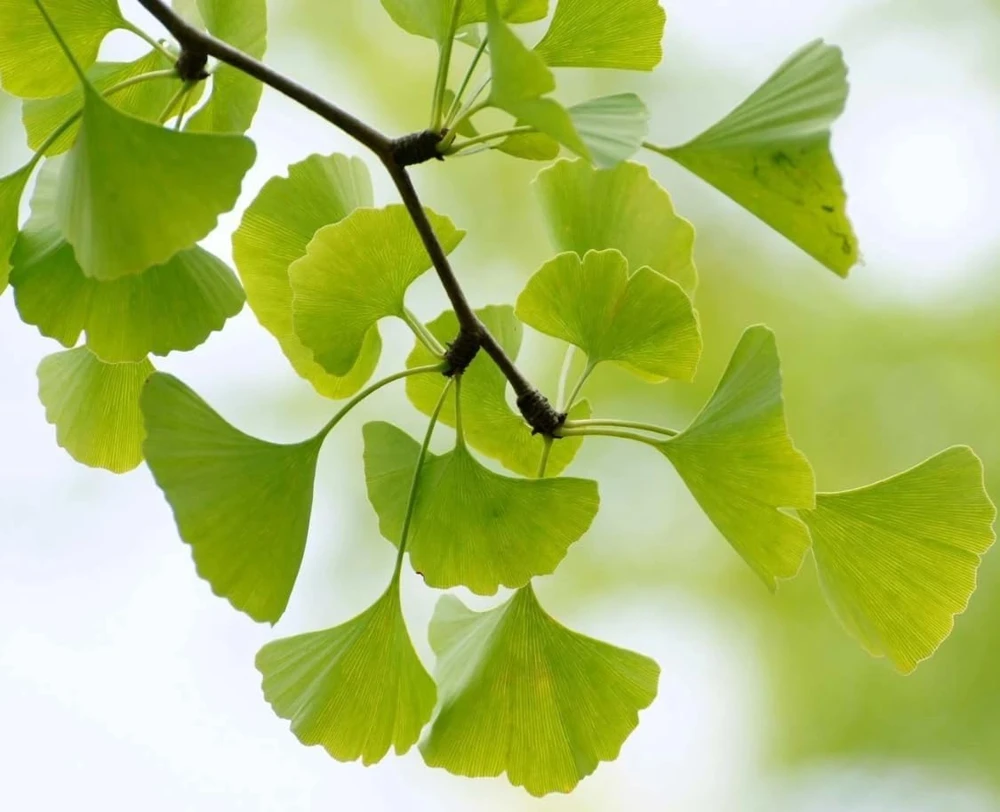
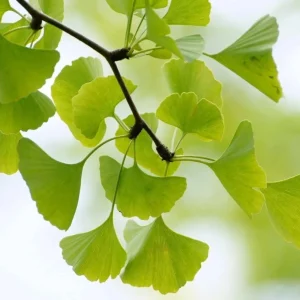
Introduce a piece of living history to your garden with the remarkable yellow ginkgo tree live plant. Revered for its ancient lineage and distinctive fan-shaped leaves, the Ginkgo biloba, commonly known as the maidenhair tree, is a truly unique addition to any landscape. This young, established seedling arrives approximately 8–12 inches tall, nestled in a quart-sized pot, ready for immediate planting and robust growth. Known for its incredible adaptability and stunning seasonal transformation, the Ginkgo tree is a perfect choice for those seeking a low-maintenance yet high-impact ornamental.
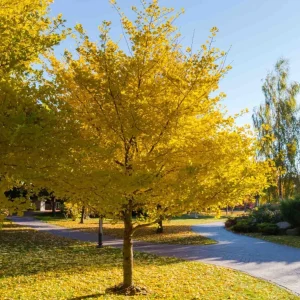
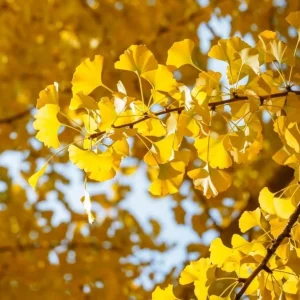
The yellow ginkgo tree live plant is celebrated for its brilliant golden-yellow foliage that emerges in autumn, creating a breathtaking display that brightens any garden or streetscape. This deciduous tree is not only beautiful but also incredibly resilient, tolerating a wide range of growing conditions once established. Whether you’re a seasoned gardener or just starting, this young Ginkgo offers a straightforward path to cultivating a magnificent specimen that will thrive for decades.
Key Benefits
Owning a yellow ginkgo tree live plant provides numerous advantages, enhancing both the aesthetic and ecological value of your property. Its unique characteristics make it a favored choice for diverse garden designs.
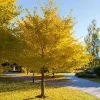
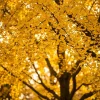
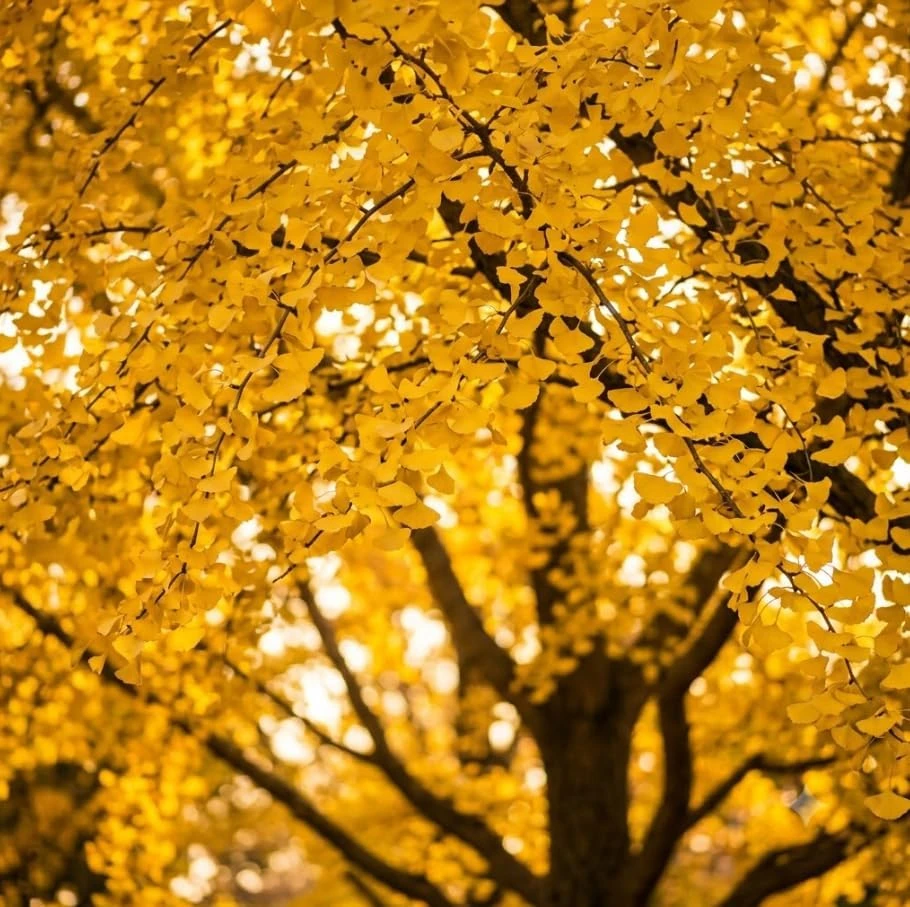
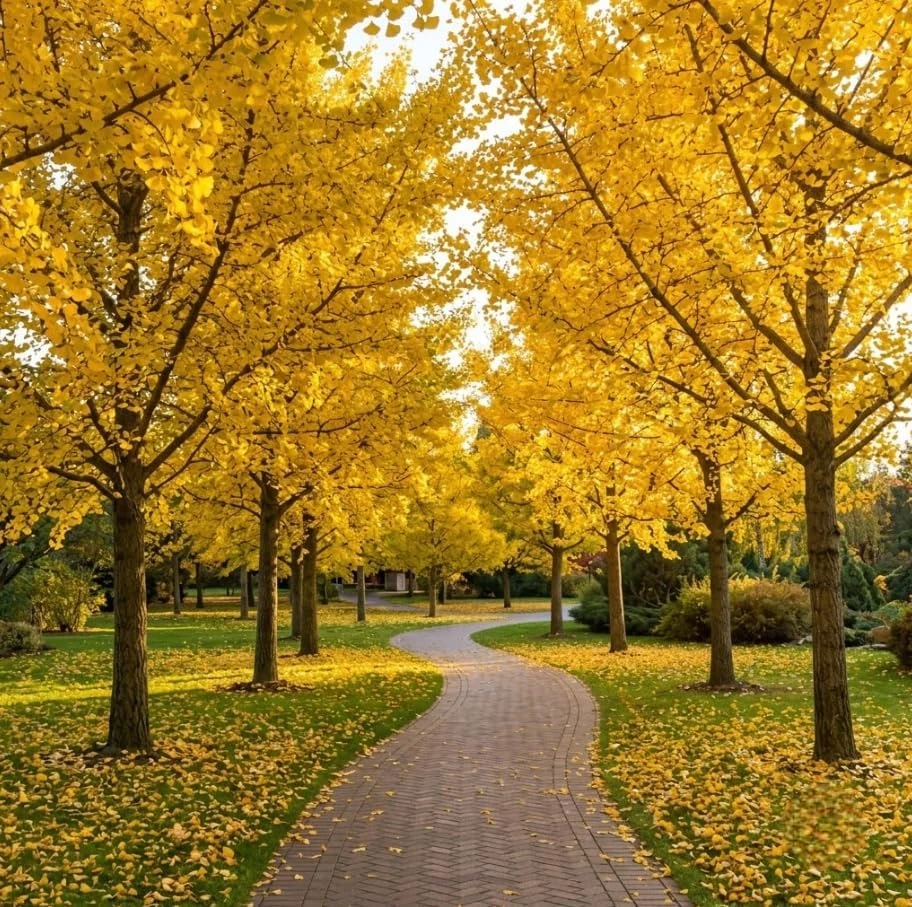
- Spectacular Fall Foliage: The most iconic feature of the Ginkgo is its dazzling transformation in autumn, where its unique fan-shaped leaves turn a vibrant, uniform golden-yellow, creating an unforgettable visual spectacle. This makes it an ideal ginkgo tree for fall interest.
- Exceptional Hardiness: The Ginkgo is renowned for its resilience, thriving in USDA Zones 3–9. It’s a remarkably adaptable tree that can withstand varying climates, urban pollution, and a wide range of soil conditions, making it a truly hardy deciduous tree.
- Low Maintenance: Once established, Ginkgo trees require minimal care, making them perfect for busy homeowners. They are largely pest and disease resistant, offering reliable growth year after year without constant attention.
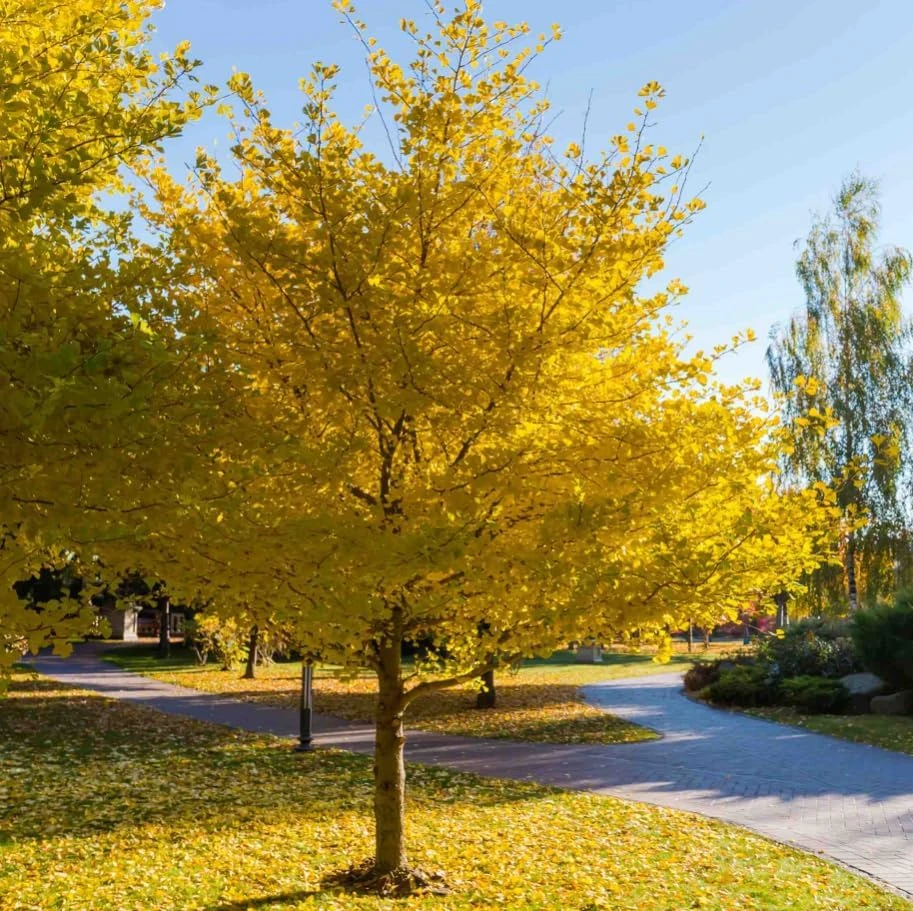
- Versatile Landscape Use: This tree is incredibly versatile, suitable for use as a majestic shade tree, a striking ornamental focal point, a robust street tree, or an elegant landscape accent. Its upright form and unique foliage add architectural interest.
- Ancient and Unique Appeal: As one of the oldest living tree species, the Ginkgo offers a sense of history and uniqueness. Its distinctive leaf shape and columnar growth habit make it stand out from other trees in any garden setting.
- Air Quality Improvement: Like many trees, the Ginkgo contributes to improved air quality by absorbing carbon dioxide and releasing oxygen, benefiting the local environment.
- Drought Tolerance: Once mature, the maidenhair tree exhibits excellent drought tolerance, reducing the need for frequent watering during dry spells.
Plant Care & Growing Tips
Caring for your yellow ginkgo tree live plant is relatively straightforward, thanks to its robust nature. With the right conditions, your Ginkgo will flourish and provide beauty for generations. Understanding the specific needs of your ginkgo plant care is crucial for its long-term health and vibrant growth.
The Ginkgo thrives in full sun, meaning it requires at least 6 hours of direct sunlight per day to achieve its best growth and most vibrant fall color. While it adapts to a wide range of soil conditions, it prefers well-draining soil. Avoid areas where water tends to pool, as excessive moisture can be detrimental. When planting, ensure the hole is twice as wide as the root ball and just as deep. Backfill with the original soil, gently tamping to remove air pockets. Water thoroughly after planting.
For young trees, consistent watering is important to help establish the root system. Water deeply 1-2 times per week during the first growing season, especially during dry periods. Once established, the hardy deciduous tree becomes quite drought-tolerant and will only require supplemental watering during extended dry spells. Fertilization is generally not heavily needed for Ginkgo trees, but a balanced slow-release fertilizer can be applied in spring for young trees to encourage vigorous growth. Pruning is minimal, usually only for shaping or removing dead or damaged branches. The Ginkgo is suitable for USDA Hardiness Zones 3–9, making it a resilient choice for many climates.
Size & Details
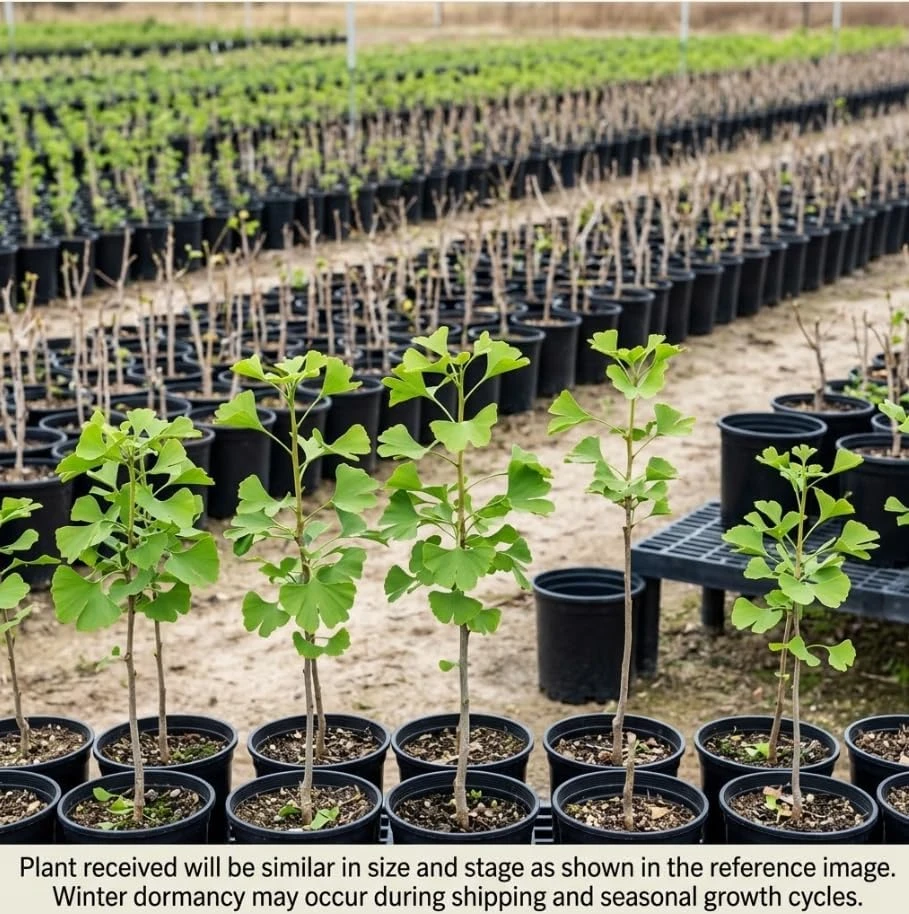
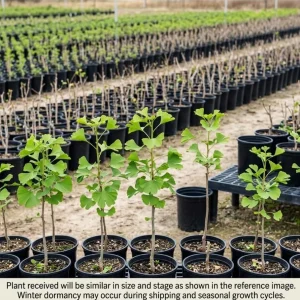
This offering is for one yellow ginkgo tree live plant, which arrives as an established 1-year-old seedling. It is approximately 8–12 inches tall when shipped, measured from the top of the soil, and is actively growing in a quart-sized nursery pot. This size ensures the root system is well-developed and ready for transplanting into your garden or a larger container.
The maidenhair tree exhibits a moderate growth rate, typically adding 1-2 feet per year under optimal conditions. Over time, it can grow into a substantial shade tree, reaching heights of 50-80 feet with a spread of 30-40 feet, though it is often narrower in urban settings. The specific growth habit and ultimate size will depend on planting location, climate, and care. This young tree is perfect for those looking to plant a long-term landscape feature, providing many years of enjoyment and stunning seasonal displays.
Frequently Asked Questions
- Q: How big does this plant get? A: This yellow ginkgo tree live plant arrives 8-12 inches tall in a quart pot. Mature Ginkgo trees can reach heights of 50-80 feet with a spread of 30-40 feet, growing at a moderate rate of 1-2 feet per year.
- Q: Is this an indoor or outdoor plant? A: The Ginkgo biloba, or maidenhair tree, is an outdoor plant. It is a hardy deciduous tree that requires seasonal changes and ample space to grow, making it unsuitable for long-term indoor cultivation.
- Q: How much sunlight does it need? A: This hardy deciduous tree thrives in full sun, requiring at least 6 hours of direct sunlight daily for optimal growth and the most vibrant fall color.
- Q: Is this plant easy to care for? A: Yes, the Ginkgo is known for being remarkably easy to care for once established. It is drought-tolerant, pest-resistant, and adaptable to various soil conditions, making ginkgo plant care quite simple.
- Q: What condition will it arrive in? A: Your Ginkgo will arrive as an established seedling, approximately 8-12 inches tall, growing in a quart-sized pot with its roots intact and ready for planting. We ensure careful packaging for safe transit.
- Q: When is the best time to plant a Ginkgo tree? A: The best time to plant a ginkgo tree for fall color is typically in spring or early autumn, allowing the tree to establish its root system before extreme temperatures. This particular specimen is suitable for fall planting.
- Q: Will it survive winter in my zone? A: Yes, the Ginkgo biloba is a very cold-hardy tree, suitable for USDA Zones 3–9. It is well-adapted to surviving cold winters and will enter dormancy, losing its leaves before regrowing them in spring.
- Q: What type of soil does a Ginkgo prefer? A: While adaptable to many soil types, Ginkgo trees prefer well-draining soil. They can tolerate clay, sandy, or loamy soils, but good drainage is key to prevent root issues.
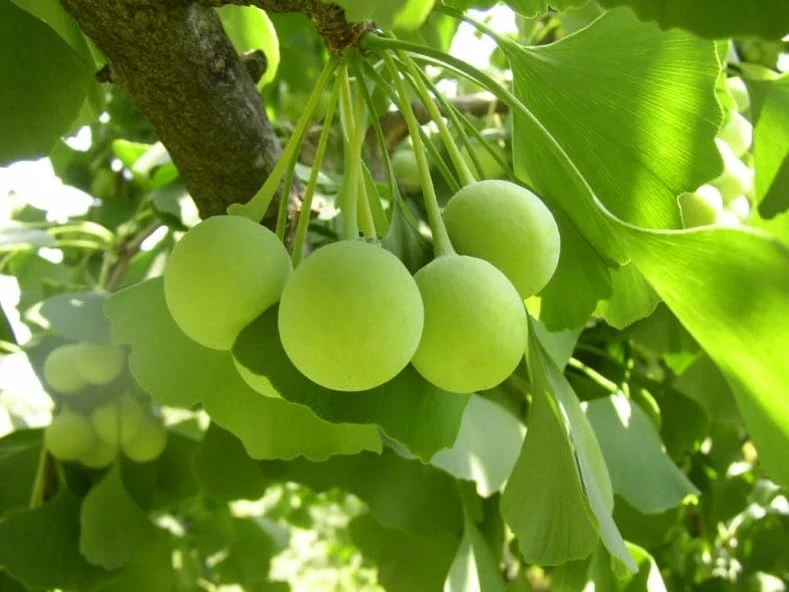
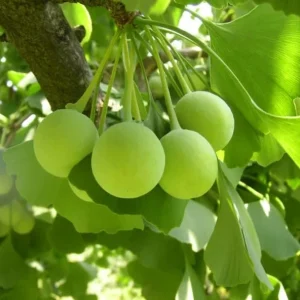
- Q: Does this tree produce fruit? A: Female Ginkgo trees produce a fleshy, plum-like fruit that can have an unpleasant odor when ripe. This particular offering is a young seedling, and its sex is typically unknown at this stage.
- Q: Can I grow this in a container? A: While you can grow a young yellow ginkgo tree live plant in a large container for a few years, it will eventually need to be transplanted into the ground to reach its full potential size and health as a large tree.
Related products
-42%
Original price was: $56.99.$33.29Current price is: $33.29.
PLANTING & CARE
Lemon Tree Growing: Choose, Plant, and Harvest
Learn how to choose, plant, feed, and protect a lemon tree so it fits your
23
Sep
Sep
Dwarf Meyer Lemon Tree Australia: Climate Guide
Learn where dwarf Meyer lemon trees grow, how much cold they tolerate, and whether Australia,
Where to Buy a Dwarf Meyer Lemon Tree: Buyer’s Guide
Find the right dwarf Meyer lemon tree online or locally, compare starter sizes and costs,
Dwarf Meyer Lemon Tree for Sale: Buying Guide
Compare Meyer lemon tree sizes, prices, shipping limits, indoor growing and California options before you
Dwarf Meyer Lemon Tree Guide: Size, Care and Fruit
META: Learn how large a dwarf Meyer lemon tree grows, where it thrives, and how
How to Prune a Dwarf Meyer Lemon Tree
Learn when and how to prune a dwarf Meyer lemon tree, including tools, shaping cuts,
Can You Grow a Dwarf Meyer Lemon Tree in a Pot?
META: Learn how to grow a dwarf Meyer lemon tree in a pot, including container
When Do Dwarf Meyer Lemon Trees Bloom and Fruit?
META: Dwarf Meyer lemon trees usually bloom from winter through spring and may flower again