Kadota Fig Tree Live Plant 5-9 inch – Ficus carica – Sweet Edible Fruit – Zone 7-10
Kadota Fig Tree Live Plant 5-9 inch – Ficus carica – Sweet Edible Fruit – Zone 7-10
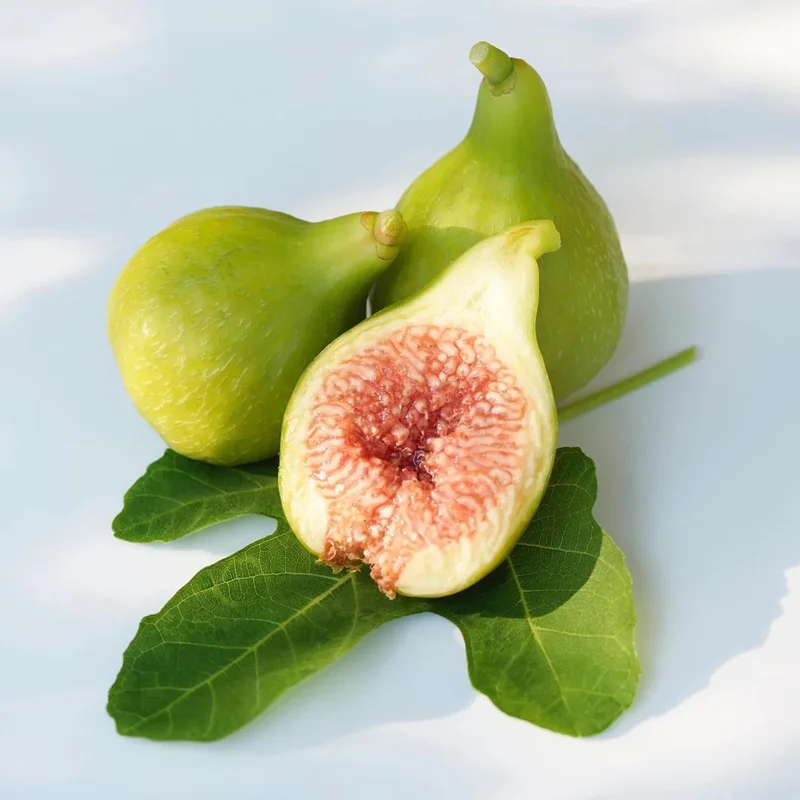
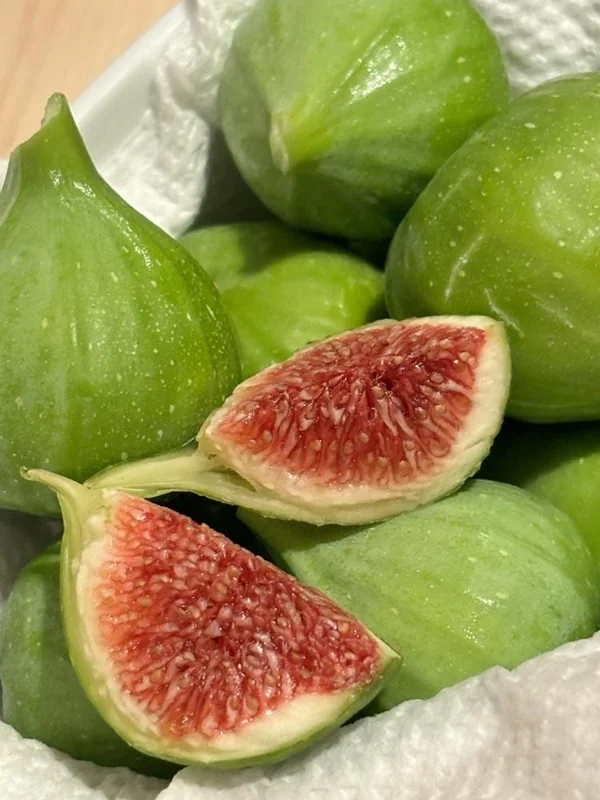
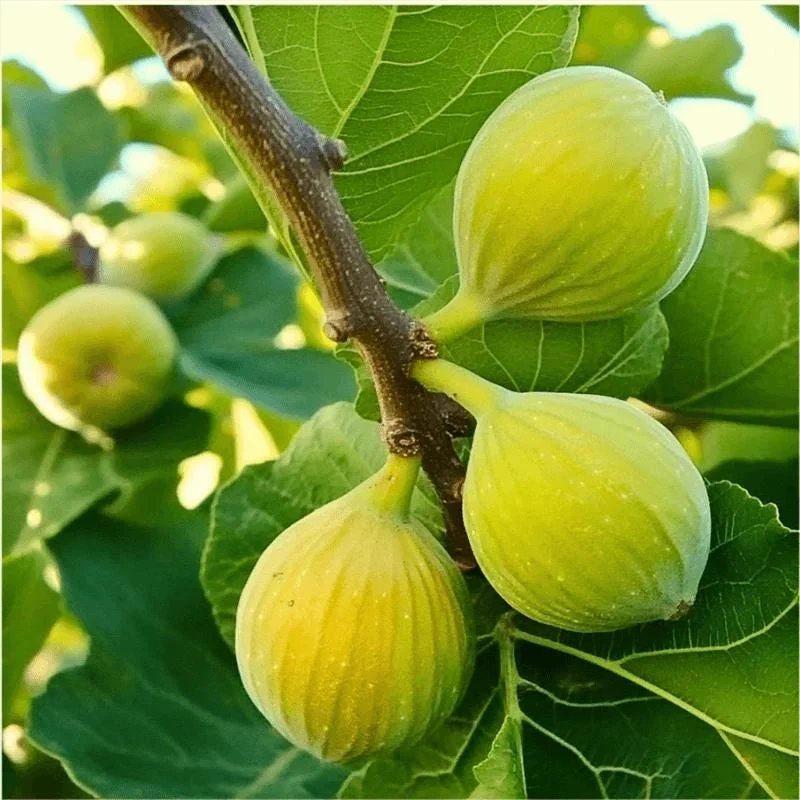
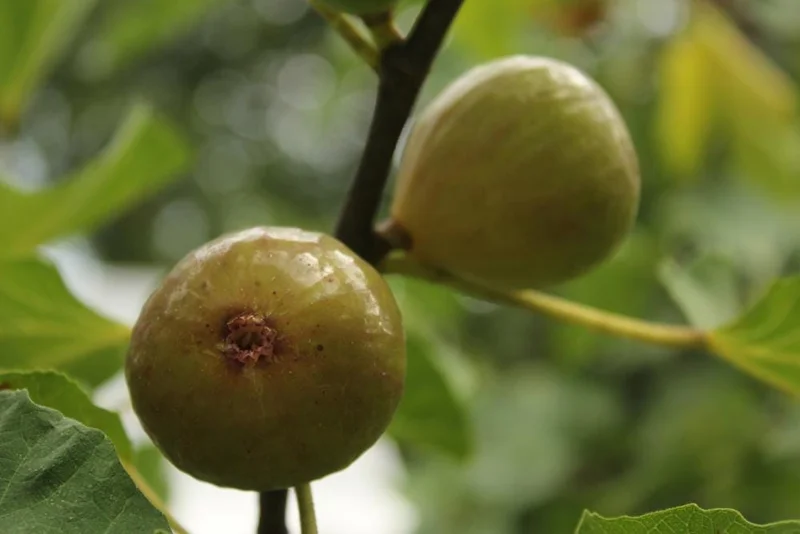
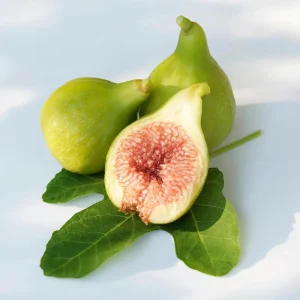
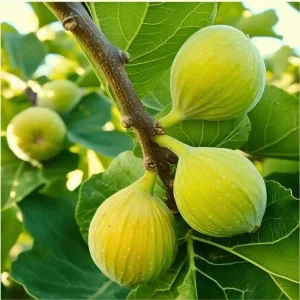
Bring the taste of the Mediterranean to your garden with a kadota fig tree live plant. This 5-9 inch sapling of Ficus carica ‘White Honey Fig’ produces intensely sweet, chartreuse-green fruit with amber flesh, ideal for fresh eating, canning, or making delicious preserves. Perfect for growing in USDA Zones 7-10, it also thrives in containers for colder climates.
$29.98

With our Alive & Thrive Guarantee, we’ve got your back for the first 30 days! If you have any concerns about your plants, just reach out to us. Our team is here to help answer your questions and guide you in selecting the best plants for your garden, climate, and unique preferences. We're excited to help you create the garden of your dreams!
Estimated arrival
Oct 14
Oct 19 - Oct 21
Oct 24 - Oct 28

Product Details
-
USDA Hardiness Zone
7-10 -
Soil type
Well-draining loam, sandy, or clay soil (pH 6.0-6.5) -
Sunlight Exposure
Full sun (6+ hours) -
Expected Planting Period
Spring to early summer
Overview
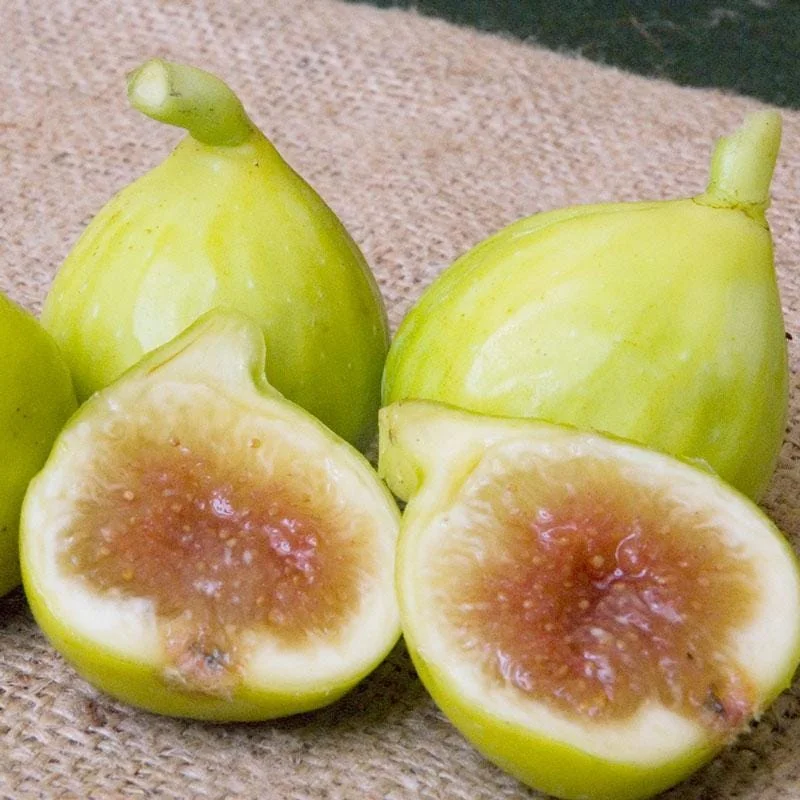
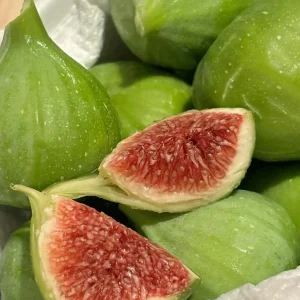
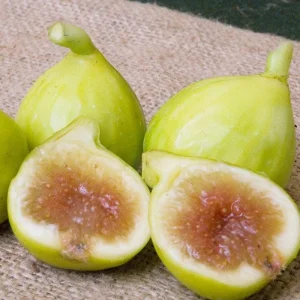
Cultivate your own gourmet fruit with this premium kadota fig tree live plant. Standing 5-9 inches tall, this healthy sapling of Ficus carica ‘White Honey Fig’ is ready to establish in your garden or a container. The Kadota fig, also known as Dottato in Italy, is renowned for its intensely sweet, pure honey-like flavor with notes of vanilla, distinguishing it from berry-tart black fig varieties. Its beautiful chartreuse-green skin encases a luscious amber, silky flesh, making it a favorite among culinary enthusiasts. This versatile fruit tree offers a rewarding experience for both novice and experienced gardeners, promising bountiful harvests of delicious fruit.
The kadota fig tree live plant is an excellent choice for those seeking a productive and relatively easy-to-care-for fruit tree. Originating from ancient Mediterranean regions, the Kadota fig has been cherished for centuries for its superior taste and culinary adaptability. This particular variety is self-pollinating, meaning you only need one tree to achieve a significant yield of figs. Whether you dream of fresh figs straight from the branch or desire to create homemade preserves, this fig tree is an unparalleled addition to any edible landscape.
Key Benefits
Adding a kadota fig tree live plant to your home garden offers numerous advantages, from its delicious fruit to its adaptability and ease of care. Here are some of the standout benefits:
- Exceptional Sweetness: Experience the famous ‘liquid honey’ flavor of the Kadota fig. These fruits boast an intense sweetness reminiscent of honey and vanilla, without the tartness often found in other fig varieties. They are a true gourmet delight for fresh eating.
- Ideal for Preserves & Drying: The Kadota fig is globally recognized as the best variety for canning, drying, and making whole-fig preserves. Its durable skin holds up perfectly to heat, ensuring your culinary creations maintain their shape and flavor. This makes it perfect for those interested in making jams, jellies, or ‘fig candy.’
- Versatile Growing Options: While thriving as a robust tree in the ground in USDA Zones 7-10, this fig tree adapts exceptionally well to container culture. Gardeners in colder climates can easily grow it on a sunny patio and move it indoors during freezing winters, making growing kadota fig tree accessible to many.
- Low Maintenance & Self-Pollinating: This variety is remarkably easy to care for and self-pollinating, meaning you only need one tree to get a massive harvest. It’s a vigorous grower that bounces back quickly from pruning, allowing you to shape it into a bush or tree form with ease.
- Bountiful Harvests: The Kadota fig tree is highly productive, often yielding a ‘breba’ crop in spring and a heavy main crop in late summer. Enjoy a steady supply of fresh, sweet figs throughout the season, perfect for sharing with family and friends.
- Attractive Foliage: Beyond its fruit, the fig tree offers attractive, lobed green foliage, adding a touch of Mediterranean charm to your garden or patio even when not fruiting.
Plant Care & Growing Tips
Ensuring your kadota fig tree live plant thrives requires understanding its basic needs for sunlight, water, and soil. This variety is relatively forgiving, making growing kadota fig tree a rewarding experience for many gardeners. For optimal growth and fruit production, plant your fig tree in a location that receives full sun, meaning at least 6 hours of direct sunlight per day. Adequate sun exposure is critical for developing high sugar content in the fruit. If growing in a container, choose a spot on a sunny balcony or patio.
When it comes to watering, the Kadota fig prefers moderate moisture. While established trees can tolerate some drought, consistent watering, especially during dry spells and fruit development, will lead to better yields. Allow the top inch or two of soil to dry out between waterings. For soil, this fig tree adapts to various types including loam, sandy, and clay soils, but it absolutely requires well-draining conditions. A soil pH between 6.0-6.5 is ideal. Amend heavy clay soils with organic matter to improve drainage. This variety is cold hardy to USDA Zones 7-10, meaning it can tolerate winter temperatures down to 0-10°F. In colder zones, container growing is recommended, allowing you to move the plant indoors to a garage or sheltered area during freezing temperatures.
Fertilize your fig tree in early spring with a balanced, slow-release fertilizer designed for fruit trees. Avoid over-fertilizing with nitrogen, which can promote leafy growth at the expense of fruit production. Pruning can be done in late winter or early spring to shape the tree, remove dead or crossing branches, and encourage better air circulation. The ficus carica kadota is vigorous and responds well to pruning. Watch out for common pests like fig rust or fig mites, and treat promptly with appropriate organic or chemical solutions if necessary. With proper kadota fig tree care, you can expect a healthy, productive tree for years to come.
Size & Details
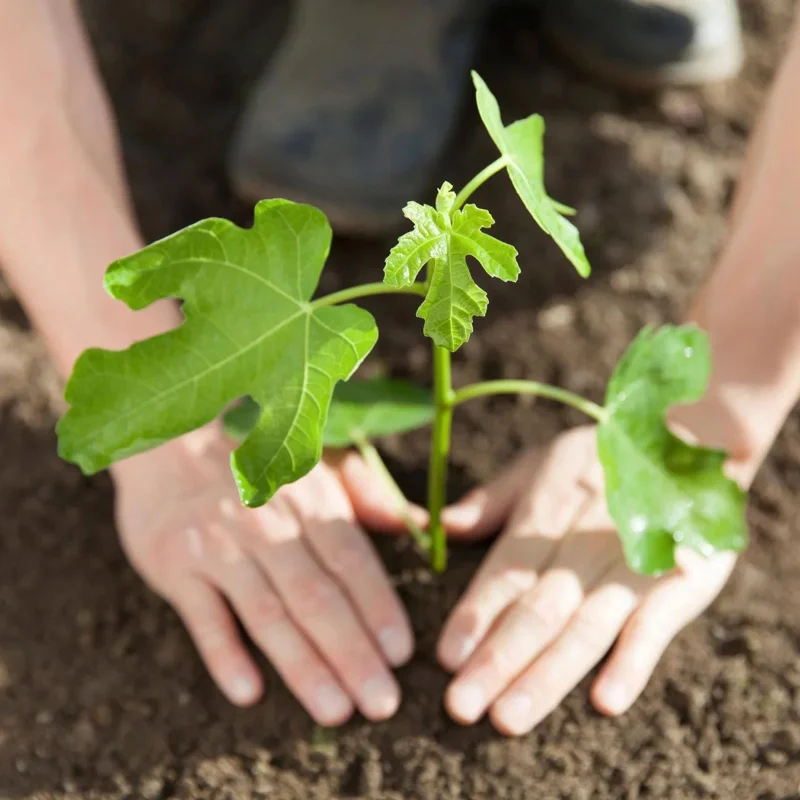
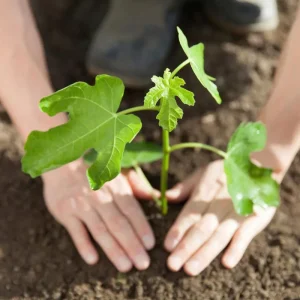
Upon arrival, you will receive one kadota fig tree live plant, typically standing 5-9 inches tall. These healthy, vigorous saplings are shipped in their soil plug or grow pot, ensuring the root system remains hydrated and ready for planting. This method minimizes transplant shock and allows for immediate potting upon arrival. The Kadota fig is known for its robust growth. When planted directly in the ground in appropriate zones, it can reach a mature height of 15-25 feet. For container growing, you can expect a more manageable height of 6-8 feet, which can be further controlled through pruning.
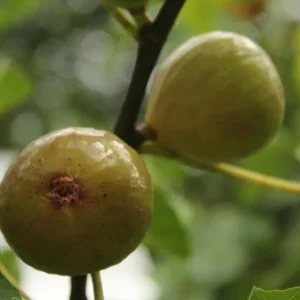
This fig tree is a fast grower, establishing quickly once planted. It is self-fertile, so you don’t need a second tree for pollination. Expect fruit production to begin within 1-3 years, with a ‘breba’ crop in spring and a main crop in late summer or early fall. The fruit skin is typically green to yellow, and the interior flesh is a beautiful amber. The plant ships ready to be potted up immediately. This sweet fig tree for preserves is a long-lived plant, providing many seasons of delicious fruit.
Frequently Asked Questions
- Q: How big does this Kadota fig tree get? A: When planted in the ground, a Kadota fig tree can reach a mature height of 15-25 feet. If grown in a container, its size can be maintained at a more compact 6-8 feet with regular pruning.
- Q: What size pot does the plant come in? A: The kadota fig tree live plant arrives in its soil plug or grow pot, ensuring the root system is protected and hydrated during transit, ready for immediate transplanting.
- Q: Is this an indoor or outdoor plant? A: The Kadota fig tree thrives outdoors in USDA Zones 7-10. For gardeners in colder climates, it is an excellent candidate for container growing, allowing it to be moved indoors during winter.
- Q: How much sunlight does it need? A: This fig variety requires full sun, meaning at least 6 hours of direct sunlight per day, for optimal growth and fruit development with high sugar content.
- Q: Is this plant easy to care for? A: Yes, the Kadota fig is considered relatively easy to care for. It’s a vigorous, self-pollinating plant that tolerates various soil types as long as they are well-draining, making kadota fig tree care manageable for most gardeners.
- Q: What condition will it arrive in? A: Your fig plant will arrive as a healthy, vigorous starter plant, shipped in its soil plug or grow pot to ensure the root system is intact and hydrated.
- Q: Can I use Kadota figs for cooking? A: Absolutely! The Kadota fig is highly prized for its versatility in the kitchen. Its durable skin makes it the #1 choice worldwide for canning, drying, and making whole-fig preserves, jams, and other culinary delights. This is truly a sweet fig tree for preserves.
- Q: How long until it produces fruit? A: You can typically expect your ficus carica kadota to begin producing fruit within 1-3 years of planting, with both a spring ‘breba’ crop and a heavy main crop in late summer.
- Q: When is the best time to plant a Kadota fig tree? A: The best time to plant is typically in spring after the last frost, allowing the plant ample time to establish before colder weather.
- Q: Will it survive winter in my zone? A: The Kadota fig tree is cold hardy to USDA Zones 7-10. If you live in a colder zone (below 7), it is recommended to grow it in a container and move it indoors or protect it during freezing winter months.
Related products
-51%
Original price was: $43.99.$21.59Current price is: $21.59.


PLANTING & CARE
Lemon Tree Growing: Choose, Plant, and Harvest
Learn how to choose, plant, feed, and protect a lemon tree so it fits your
23
Sep
Sep
Dwarf Meyer Lemon Tree Australia: Climate Guide
Learn where dwarf Meyer lemon trees grow, how much cold they tolerate, and whether Australia,
Where to Buy a Dwarf Meyer Lemon Tree: Buyer’s Guide
Find the right dwarf Meyer lemon tree online or locally, compare starter sizes and costs,
Dwarf Meyer Lemon Tree for Sale: Buying Guide
Compare Meyer lemon tree sizes, prices, shipping limits, indoor growing and California options before you
Dwarf Meyer Lemon Tree Guide: Size, Care and Fruit
META: Learn how large a dwarf Meyer lemon tree grows, where it thrives, and how
How to Prune a Dwarf Meyer Lemon Tree
Learn when and how to prune a dwarf Meyer lemon tree, including tools, shaping cuts,
Can You Grow a Dwarf Meyer Lemon Tree in a Pot?
META: Learn how to grow a dwarf Meyer lemon tree in a pot, including container
When Do Dwarf Meyer Lemon Trees Bloom and Fruit?
META: Dwarf Meyer lemon trees usually bloom from winter through spring and may flower again